





Physics In History
Physics In History

@PhysInHistory

22 Tweets 12 reads Dec 23, 2024
The Fascinating World of Quantum Physics : 20 key Phenomena โœ๏ธ
A Thread ๐Ÿ‘‡
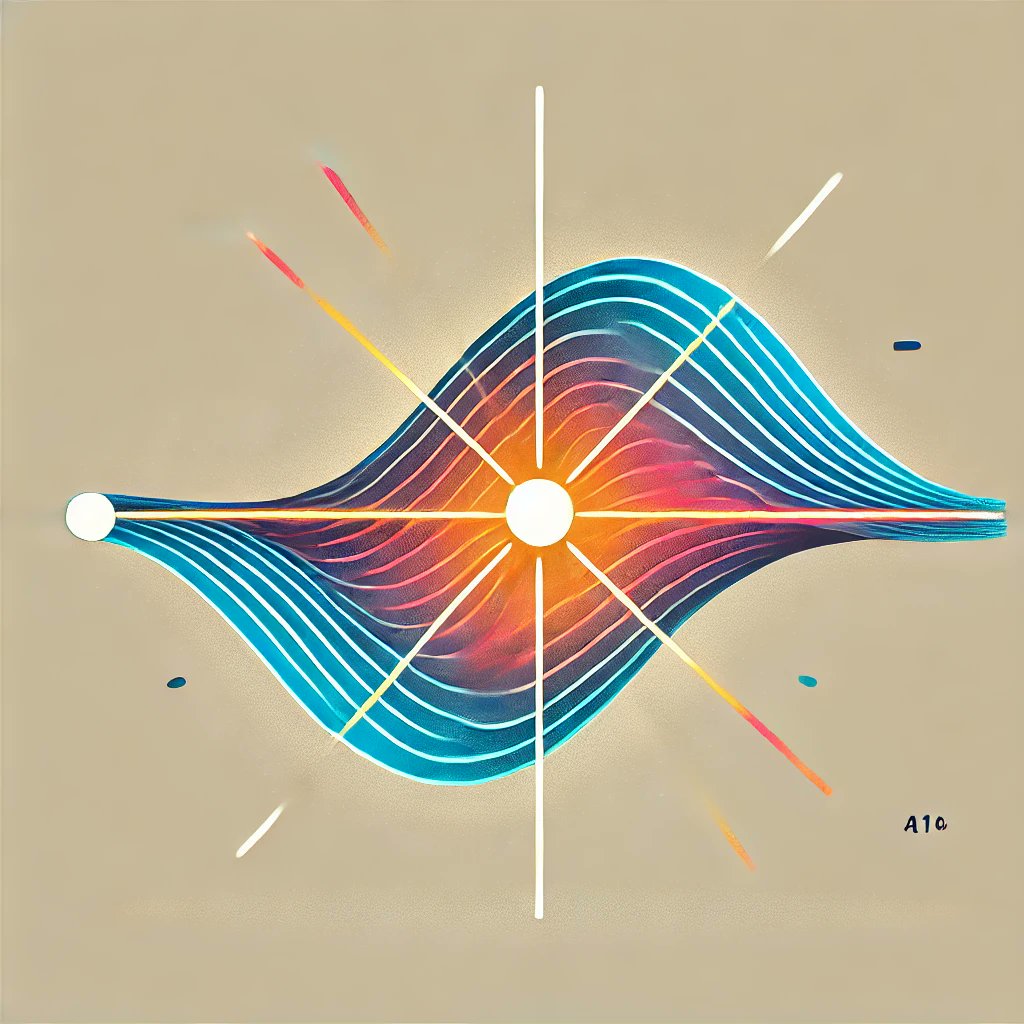
1. Wave-Particle Duality: Particles like electrons and photons exhibit both wave-like and particle-like behavior, as demonstrated in experiments like the double-slit experiment. x.com
2. Quantum Entanglement: Two or more particles can become entangled, meaning the state of one particle is instantly connected to the state of the other, no matter the distance. Einstein famously called this "spooky action at a distance." x.com
3. Heisenbergโ€™s Uncertainty Principle: It's impossible to simultaneously know the exact position and momentum of a particle. This fundamental uncertainty is a cornerstone of quantum mechanics. x.com
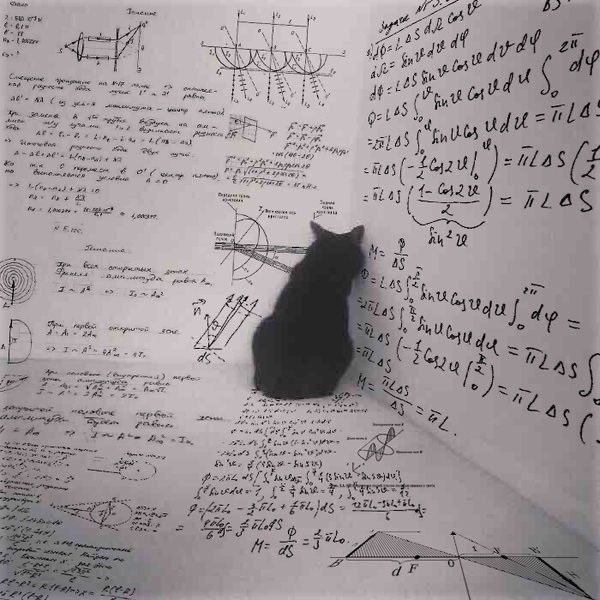
4. Quantum Superposition: Particles can exist in multiple states or locations at the same time until measured, as famously illustrated by Schrรถdingerโ€™s cat thought experiment. x.com
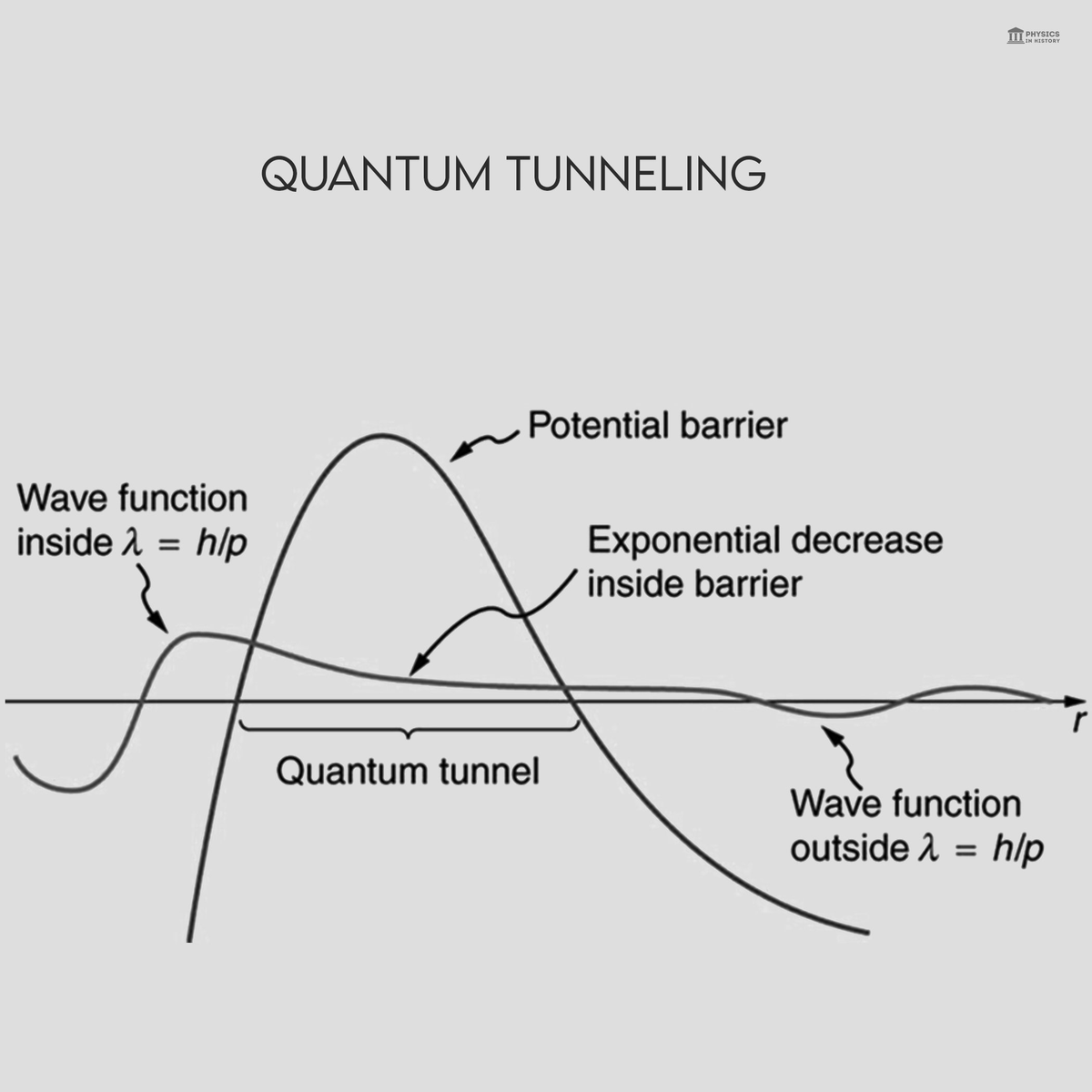
5. Quantum Tunneling: Particles can pass through energy barriers they seemingly shouldn't be able to cross, a phenomenon critical in technologies like semiconductors and nuclear fusion in stars. x.com
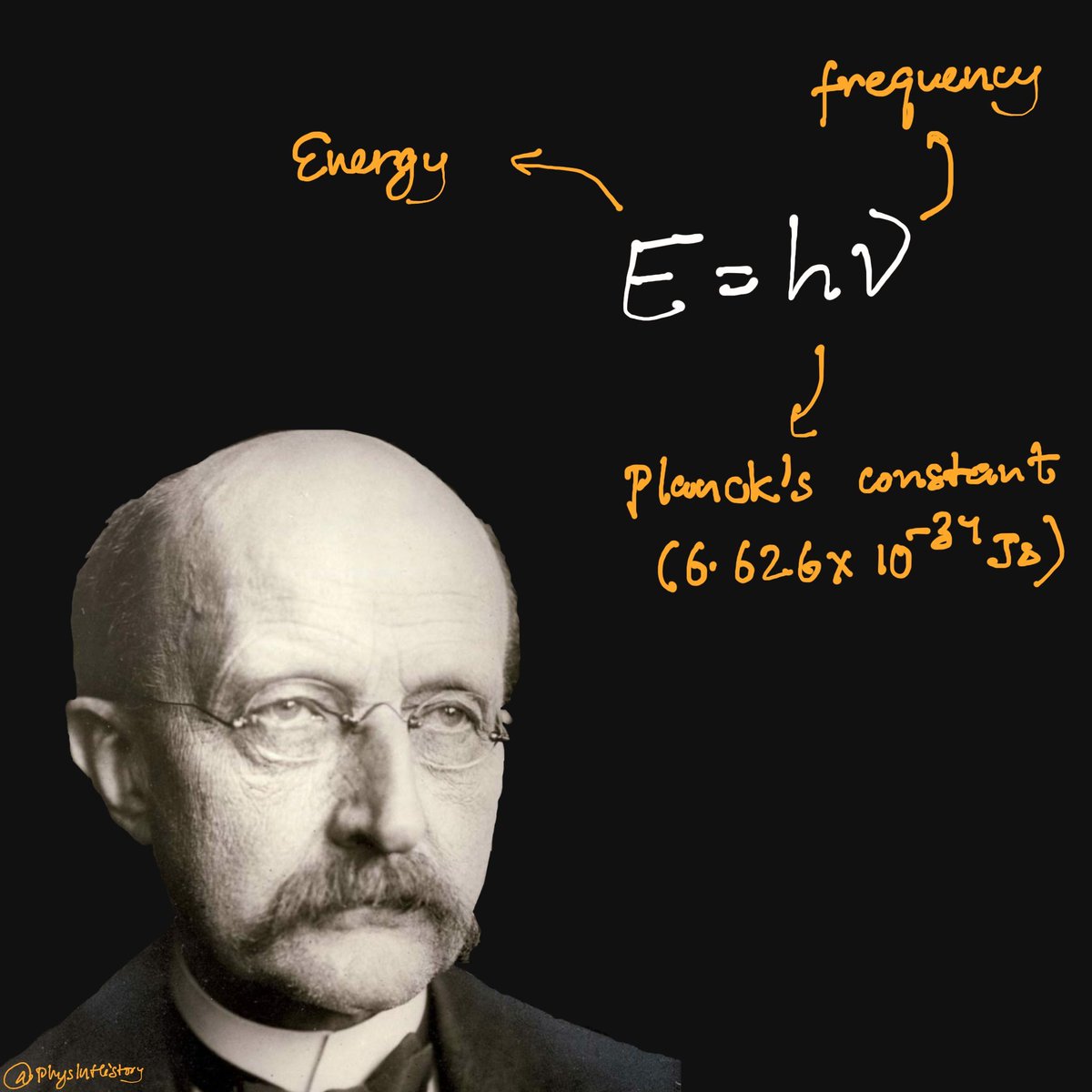
6. Planckโ€™s Constant: Quantum physics is governed by discrete units of energy called quanta, with the size of these units defined by Planckโ€™s constant, h. x.com
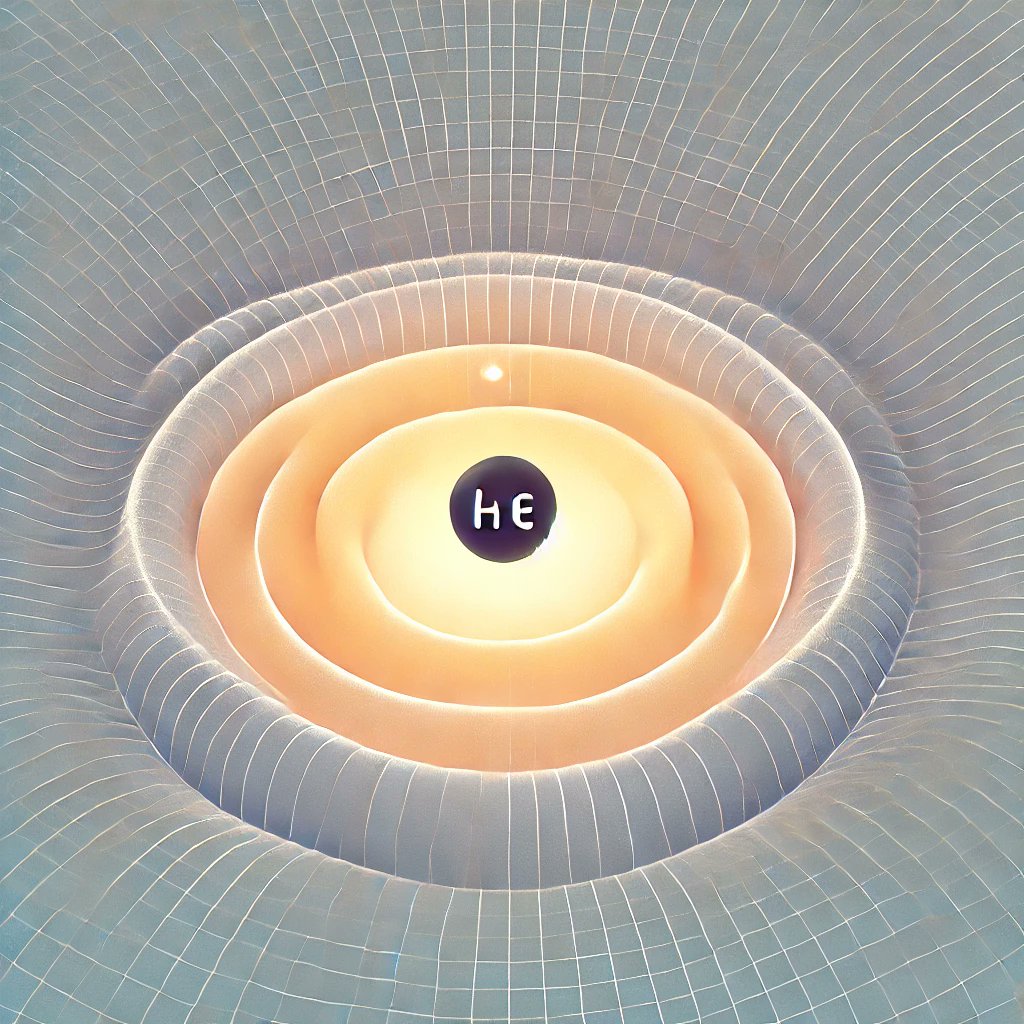
7. Zero-Point Energy: Even at absolute zero temperature, particles still possess quantum fluctuations, meaning they never completely stop moving. x.com
8. Quantum Computers: Unlike classical computers, which use bits (0s and 1s), quantum computers use qubits that can represent 0, 1, or both simultaneously, enabling immense computational power. x.com
9. Photons Are Massless: Photons, the fundamental particles of light, have no mass but still carry energy and momentum, as shown in Einsteinโ€™s equation E = hf. x.com
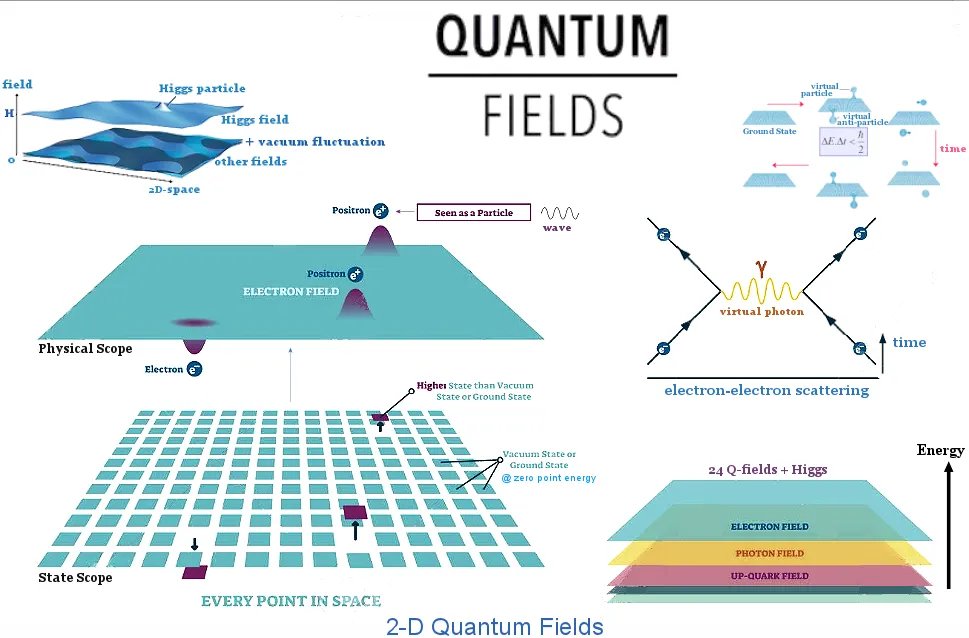
10. Vacuum Fluctuations: Even empty space isnโ€™t truly empty. Virtual particles constantly pop in and out of existence due to quantum fluctuations. x.com
11. Quantum Decoherence: The transition from quantum to classical behavior happens due to decoherence, where quantum superpositions collapse because of interactions with the environment. x.com
12. Higgs Boson: The discovery of the Higgs boson in 2012 confirmed how particles acquire mass through interactions with the Higgs field, a quantum field that permeates the universe. x.com
13. Quantum Field Theory (QFT): QFT combines quantum mechanics with special relativity, describing particles as excitations in underlying fields, such as the electromagnetic field. x.com
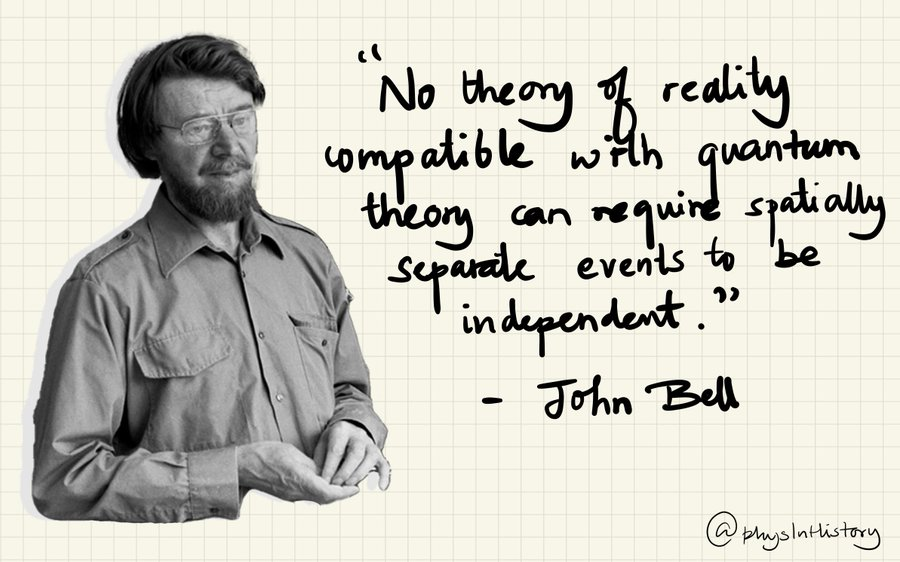
14. Bellโ€™s Theorem: John Bellโ€™s work showed that no local hidden variable theory can fully explain quantum mechanics, validating the strange predictions of entanglement. x.com
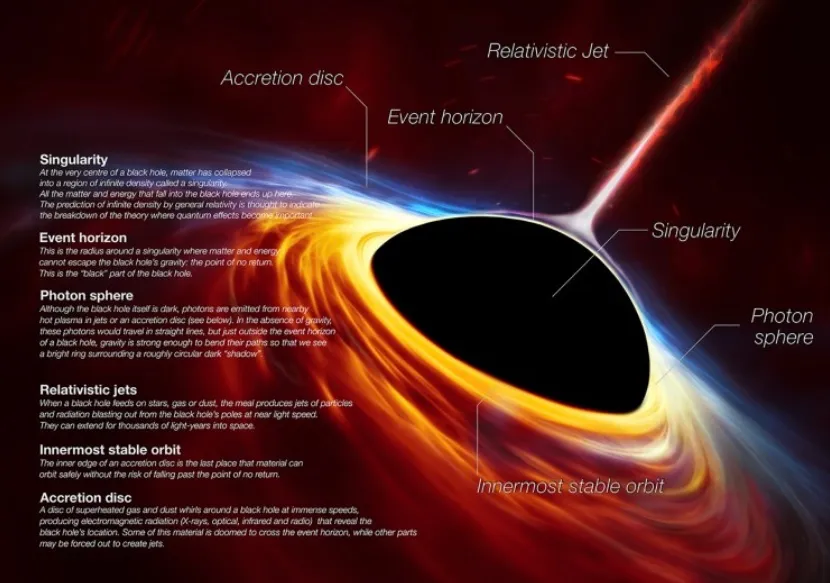
15. Black Hole Thermodynamics: Quantum mechanics predicts that black holes emit radiation (Hawking radiation), causing them to slowly lose mass and evaporate over time. x.com
16. Observer Effect: The act of observing a quantum system affects its behavior, famously demonstrated in the quantum measurement problem. x.com
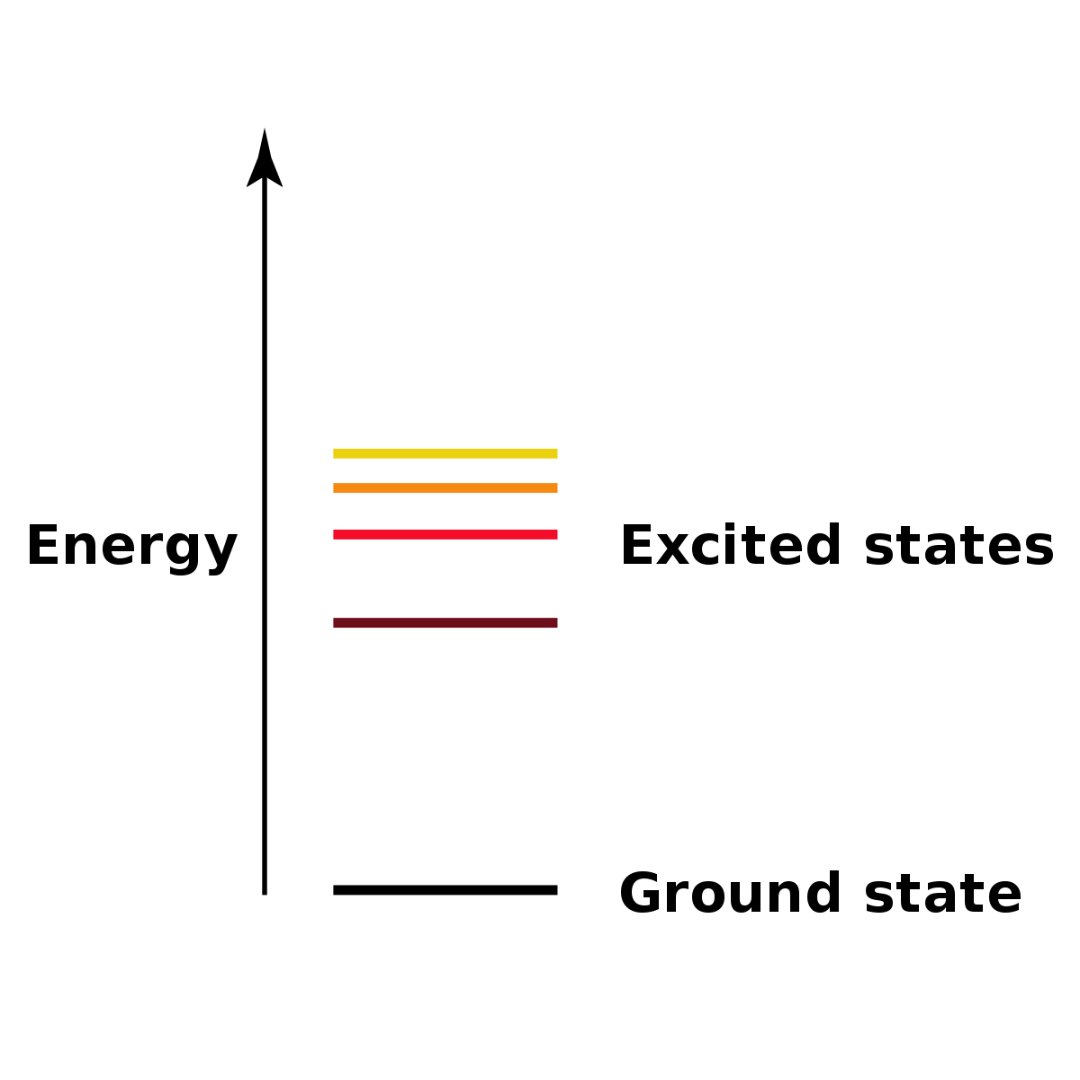
17. Quantum Energy Levels: Electrons in atoms occupy discrete energy levels, and quantum jumps between these levels explain phenomena like spectral lines and fluorescence. x.com
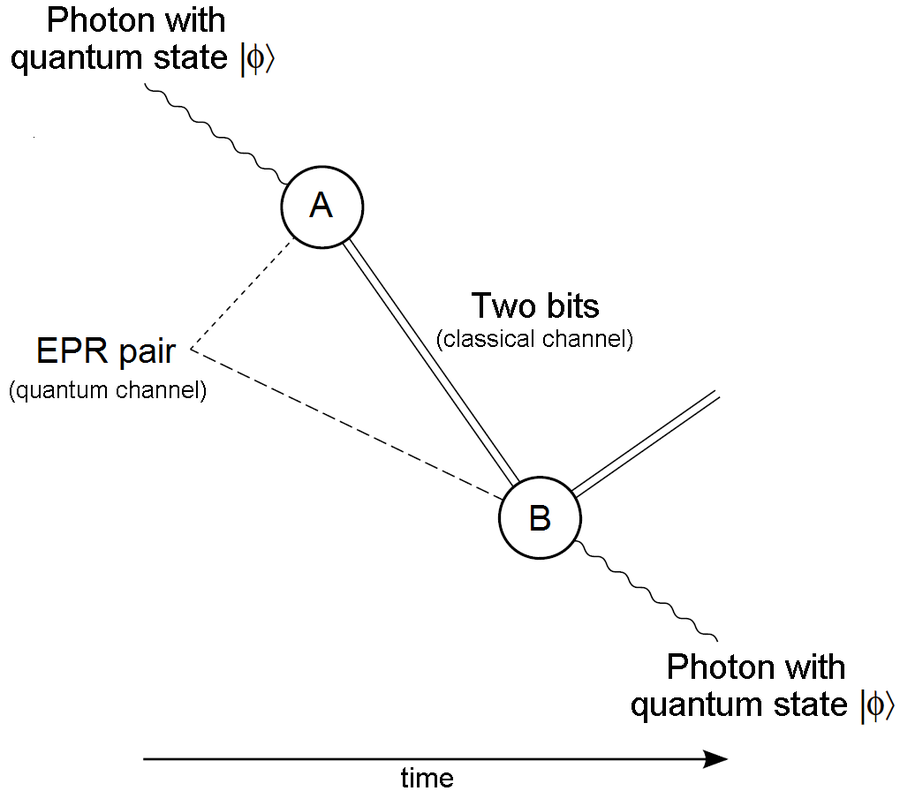
18. Quantum Teleportation: Using entanglement, quantum states (not particles) can be "teleported" from one location to another, a key idea for quantum communication. x.com
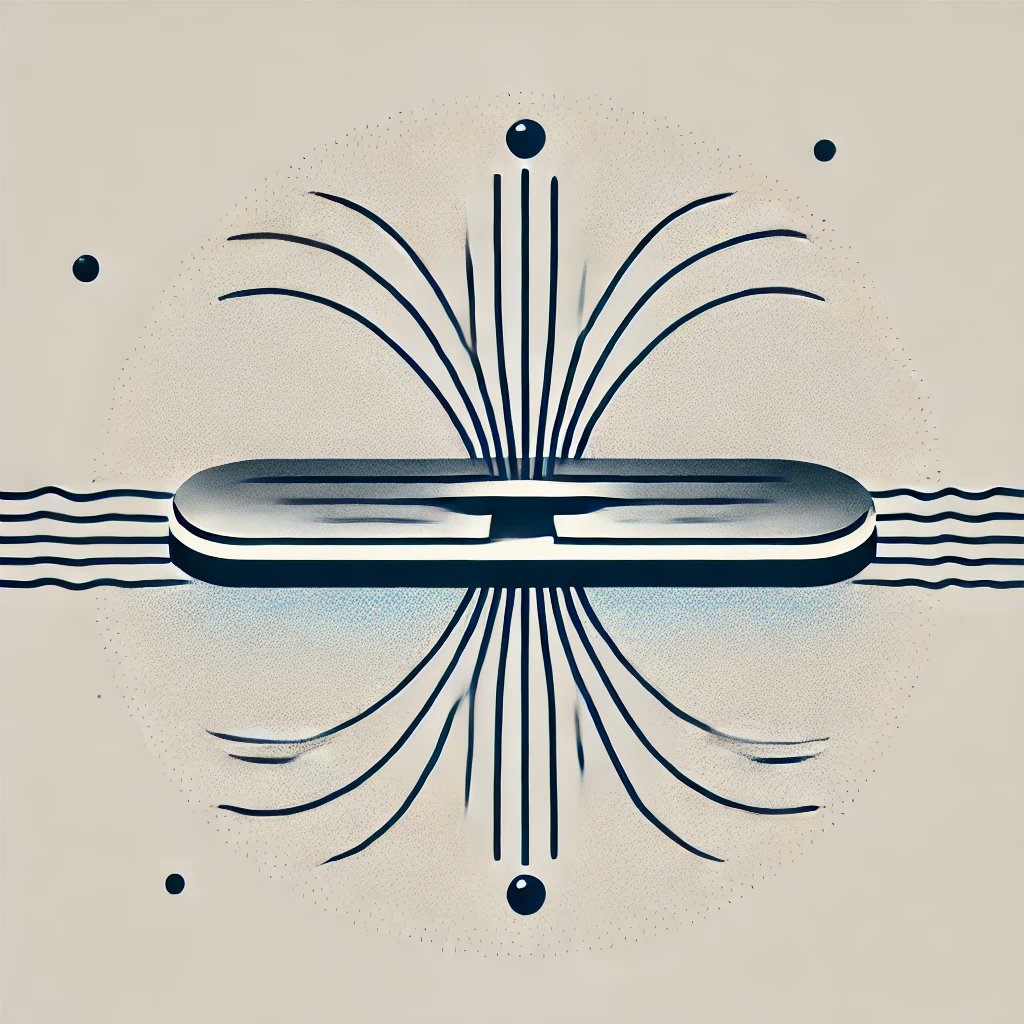
19. Casimir Effect: Quantum fluctuations create a force between two close, uncharged, parallel metal plates in a vacuum, showcasing the energy of empty space. x.com
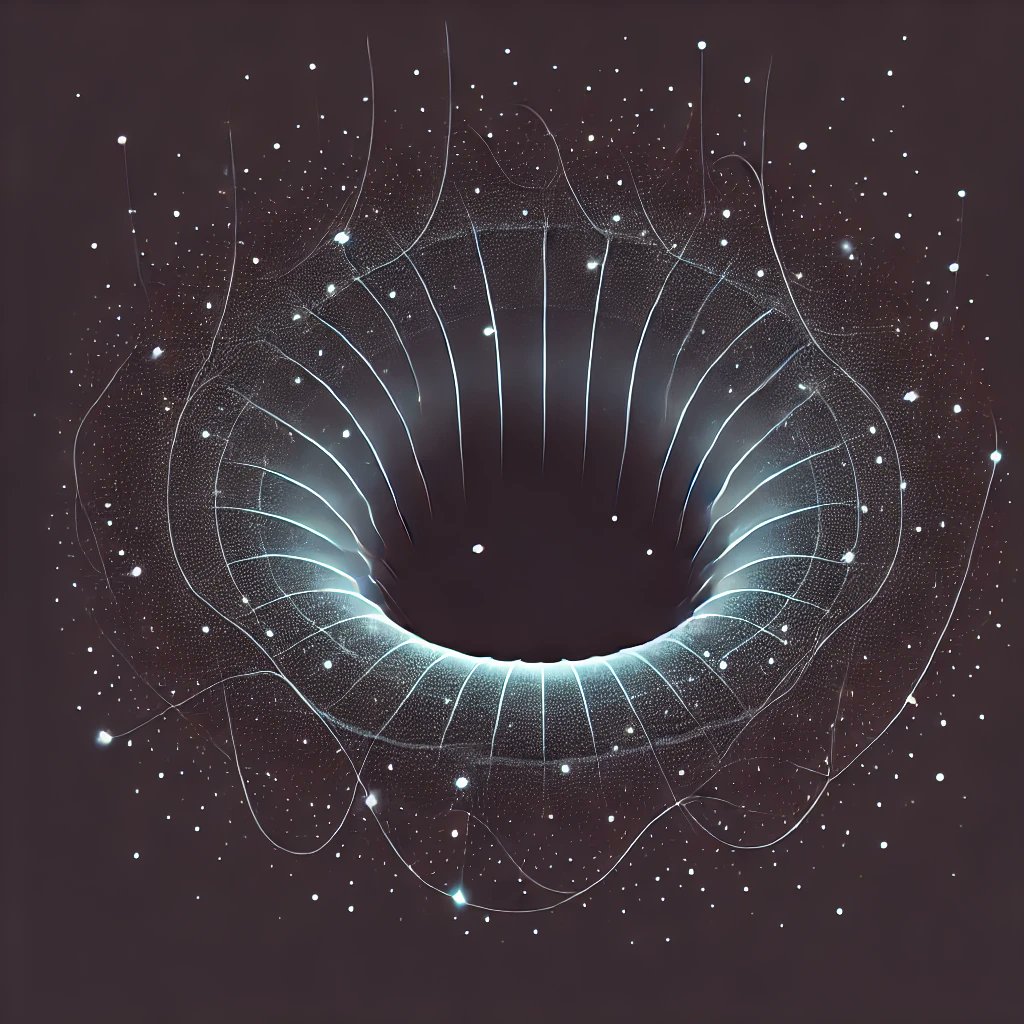
20. The Quantum Vacuum: Space-time at the smallest scales is not smooth but behaves like a frothy, unpredictable quantum vacuum filled with constant fluctuations. x.com
Thank you for reading !

Loading suggestions...