

The US dollar thrives on chaos.
When economies collapse and markets panic, the dollar rises stronger than ever.
It’s not magic—it’s the Dollar Milkshake Theory.
Here’s how it works: x.com
When economies collapse and markets panic, the dollar rises stronger than ever.
It’s not magic—it’s the Dollar Milkshake Theory.
Here’s how it works: x.com


1. The US Dollar: The World’s Reserve Currency
Most international trade, including oil, commodities, and financial transactions, is conducted in dollars.
Many countries hold US dollars as foreign reserves for stability. x.com
Most international trade, including oil, commodities, and financial transactions, is conducted in dollars.
Many countries hold US dollars as foreign reserves for stability. x.com

And developing countries borrow heavily in US dollars.
This makes the dollar indispensable.
When trouble hits, global demand for dollars spikes because everyone needs it—to trade, repay debt or secure financial safety. x.com
This makes the dollar indispensable.
When trouble hits, global demand for dollars spikes because everyone needs it—to trade, repay debt or secure financial safety. x.com

2. Quantitative Easing
Post-2008, central banks worldwide injected trillions into their economies through quantitative easing.
This created a massive pool of liquidity (the milkshake). x.com
Post-2008, central banks worldwide injected trillions into their economies through quantitative easing.
This created a massive pool of liquidity (the milkshake). x.com
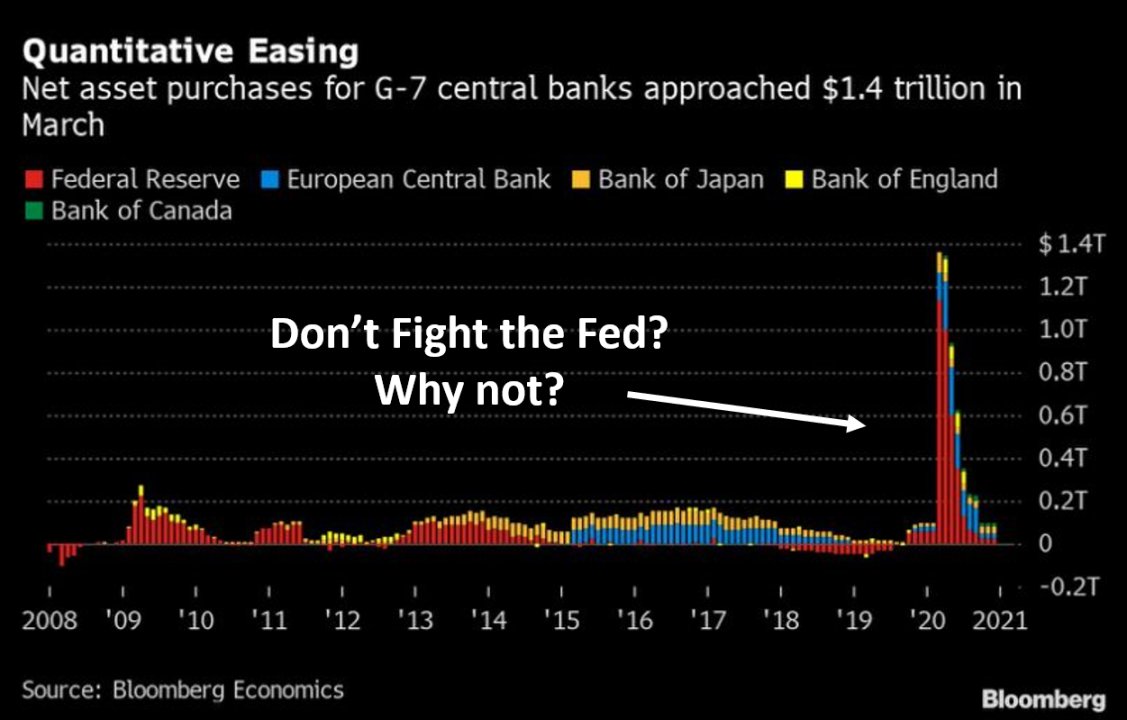
The US, with its strong financial system and reserve currency status, had the most attractive markets for that liquidity.
Investors worldwide poured their funds into US assets like:
• Treasury bonds
• US equities
• The dollar itself x.com
Investors worldwide poured their funds into US assets like:
• Treasury bonds
• US equities
• The dollar itself x.com

This inflow of global money strengthened the dollar while draining liquidity from other economies.
3. Emerging Markets: The Debt Trap
Emerging markets often borrow in US dollars because:
• It’s cheaper than borrowing in their local currencies.
• The dollar is more stable.
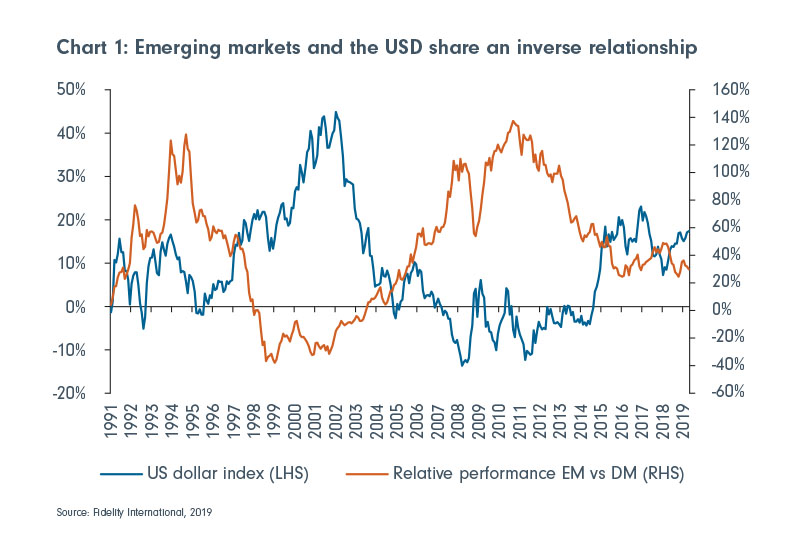
But when the dollar strengthens, repaying these loans becomes harder. x.com
Emerging markets often borrow in US dollars because:
• It’s cheaper than borrowing in their local currencies.
• The dollar is more stable.
But when the dollar strengthens, repaying these loans becomes harder. x.com
For example:
• A $1 billion loan costs more in local currency terms when the dollar rises.
• This creates a vicious cycle: Countries need more dollars, driving the dollar even higher.
This dynamic crushes weaker economies while boosting demand for dollars.
• A $1 billion loan costs more in local currency terms when the dollar rises.
• This creates a vicious cycle: Countries need more dollars, driving the dollar even higher.
This dynamic crushes weaker economies while boosting demand for dollars.
4. Flight to Safety
When markets crash or geopolitical tensions rise, investors flee to “safe-haven” assets.
The US dollar benefits because:
• It’s backed by the world’s largest economy.
• The US Treasury market is the most liquid in the world. x.com
When markets crash or geopolitical tensions rise, investors flee to “safe-haven” assets.
The US dollar benefits because:
• It’s backed by the world’s largest economy.
• The US Treasury market is the most liquid in the world. x.com

5. The Global Squeeze
The Milkshake Theory suggests that the more the dollar strengthens:
• The harder it becomes for other countries to access liquidity.
• Emerging markets face rising debt burdens.
• Global trade slows as weaker currencies lose purchasing power. x.com
The Milkshake Theory suggests that the more the dollar strengthens:
• The harder it becomes for other countries to access liquidity.
• Emerging markets face rising debt burdens.
• Global trade slows as weaker currencies lose purchasing power. x.com
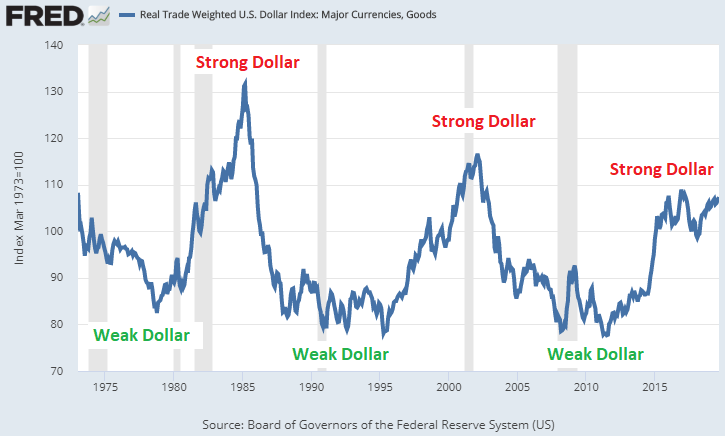
Ironically, while the US gains short-term benefits, the ripple effects can destabilize the global economy.
Examples of the Milkshake Effect:
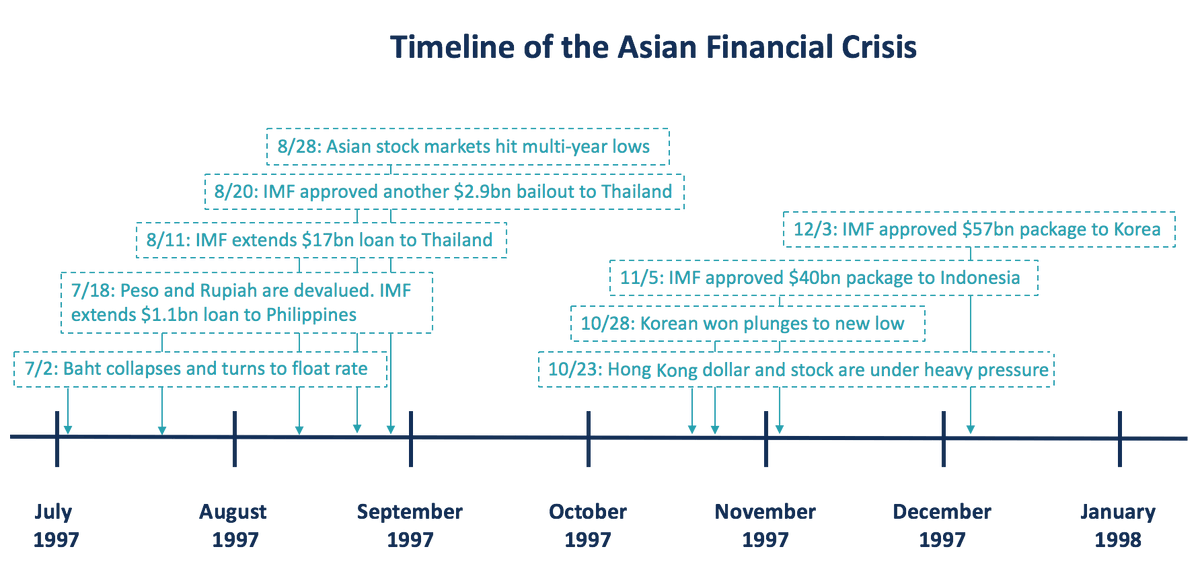
1. The 1997 Asian Financial Crisis
• Countries like Thailand and Indonesia borrowed heavily in dollars.
• When the dollar strengthened, their currencies collapsed, triggering massive economic turmoil. x.com
1. The 1997 Asian Financial Crisis
• Countries like Thailand and Indonesia borrowed heavily in dollars.
• When the dollar strengthened, their currencies collapsed, triggering massive economic turmoil. x.com
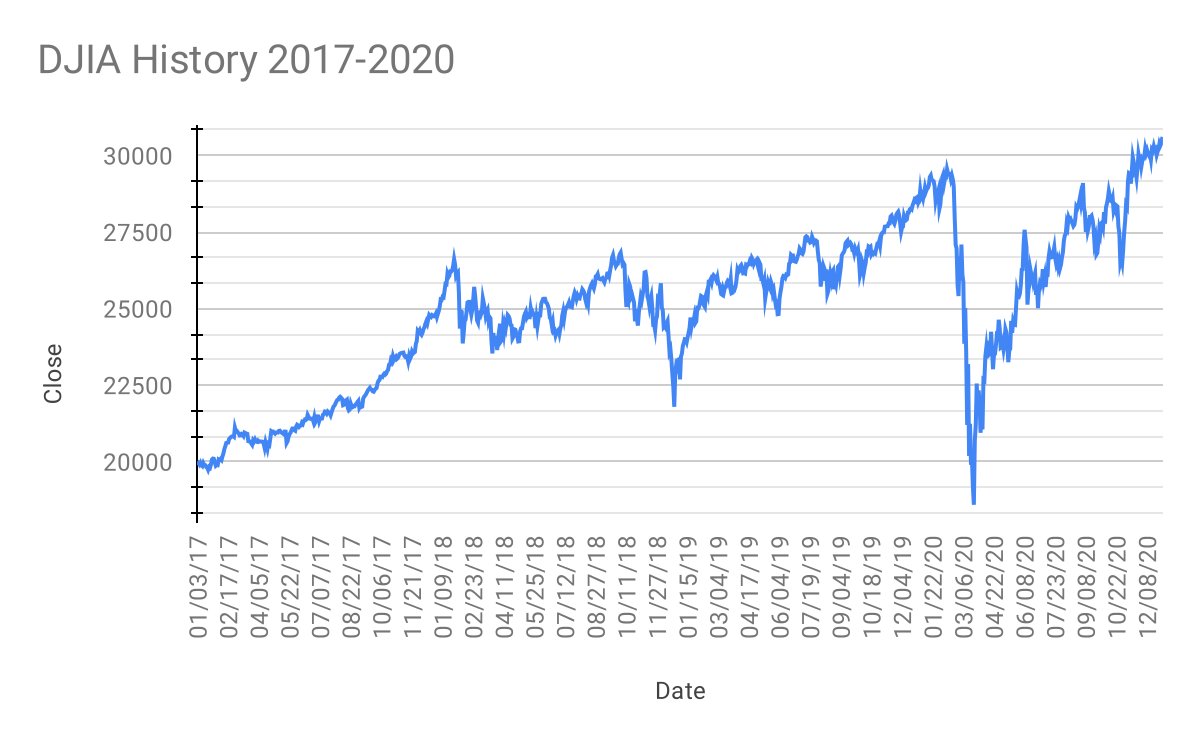
2. The 2020 Pandemic
• As global markets panicked, demand for the dollar skyrocketed.
• Emerging markets faced capital outflows and struggled to service dollar-denominated debt. x.com
• As global markets panicked, demand for the dollar skyrocketed.
• Emerging markets faced capital outflows and struggled to service dollar-denominated debt. x.com
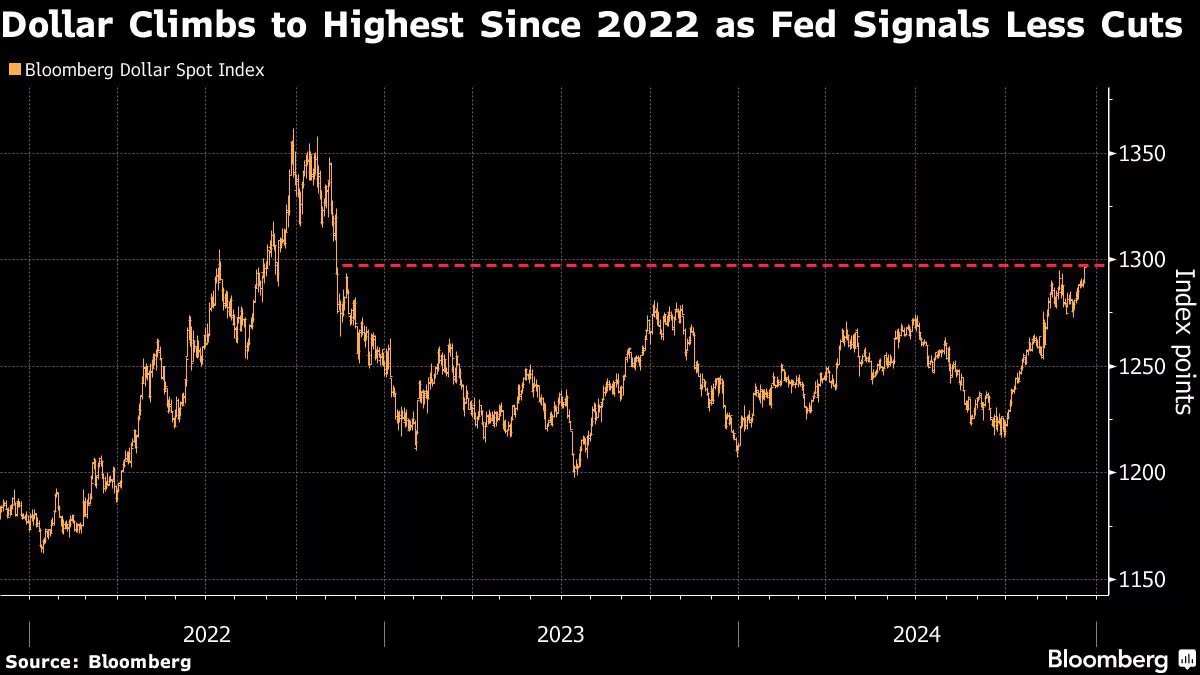
3. The 2022 Dollar Rally
• The Federal Reserve raised interest rates to combat inflation.
• Higher rates attracted global capital into the US, strengthening the dollar further.
• Emerging markets faced inflation, currency devaluation, and rising debt costs. x.com
• The Federal Reserve raised interest rates to combat inflation.
• Higher rates attracted global capital into the US, strengthening the dollar further.
• Emerging markets faced inflation, currency devaluation, and rising debt costs. x.com
Critics argue the Dollar Milkshake Theory highlights systemic risks:
1. The US benefits disproportionately at the expense of weaker economies.
2. Over-reliance on the dollar creates vulnerabilities in the global financial system. x.com
1. The US benefits disproportionately at the expense of weaker economies.
2. Over-reliance on the dollar creates vulnerabilities in the global financial system. x.com

Proposals to reduce dollar dominance:
1. China’s Push for the Yuan: Efforts to settle trade in yuan rather than dollars.
2. BRICS Currency Initiatives: Brazil, Russia, India, China, and South Africa exploring alternatives.
3. Gold and Crypto: Some argue for commodities or decentralized systems to hedge against dollar dominance.
1. China’s Push for the Yuan: Efforts to settle trade in yuan rather than dollars.
2. BRICS Currency Initiatives: Brazil, Russia, India, China, and South Africa exploring alternatives.
3. Gold and Crypto: Some argue for commodities or decentralized systems to hedge against dollar dominance.

While the US reaps short-term gains, the long-term effects could reshape global trade and finance.
As emerging markets struggle under dollar pressure, the question remains:
How long can this system last? x.com
As emerging markets struggle under dollar pressure, the question remains:
How long can this system last? x.com
Get investing strategies powered by the best insights and historical precedent,
Join Surmount and start automating your investments:
surmount.ai
Join Surmount and start automating your investments:
surmount.ai

Loading suggestions...