
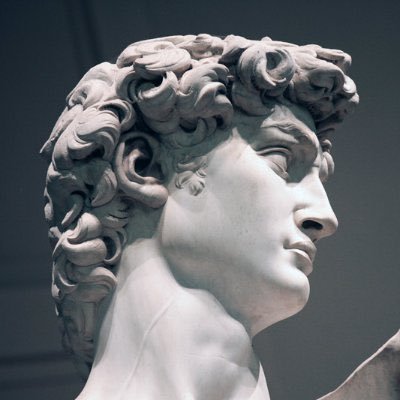
Why would a good God create a world full of evil and suffering?
C.S. Lewis wrestled with this question for years until it finally hit him:
There is no "evil" — only a corrupted form of good... (thread) 🧵 x.com
C.S. Lewis wrestled with this question for years until it finally hit him:
There is no "evil" — only a corrupted form of good... (thread) 🧵 x.com
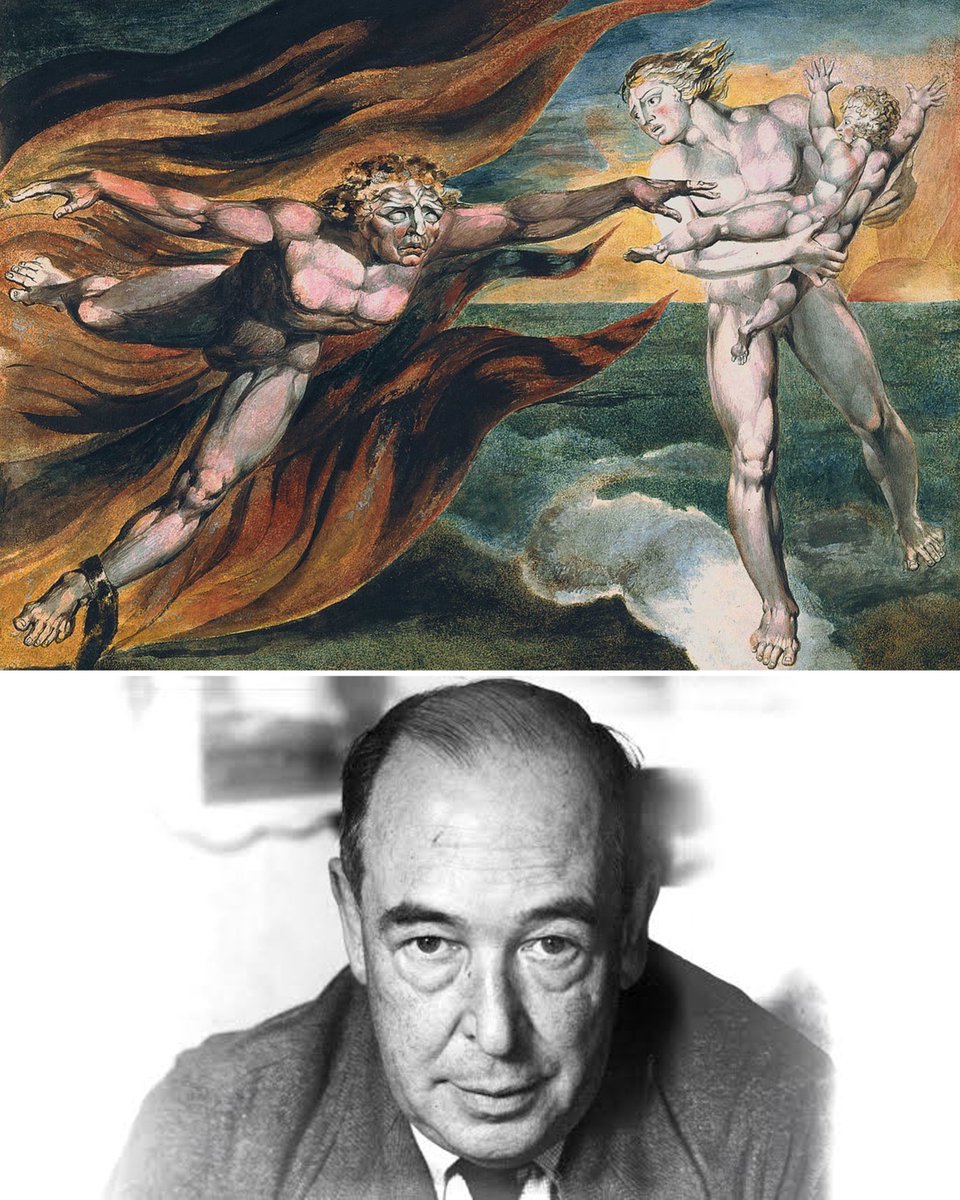
An atheist until age 32, C.S. Lewis struggled with the idea that a good God could create an unjust world.
Surely there cannot be an intelligent creator behind a world full of so much suffering... x.com
Surely there cannot be an intelligent creator behind a world full of so much suffering... x.com
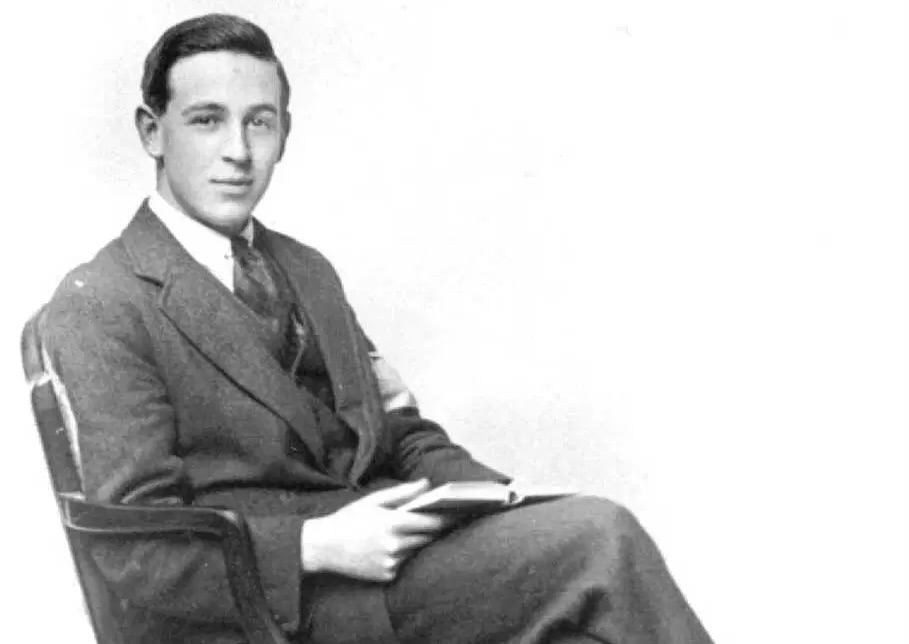
But later he questioned: if the universe is meaningless and unjust, why then are we concerned with the idea of justness (and meaning)?
"A man does not call a line crooked unless he has some idea of a straight line."
"A man does not call a line crooked unless he has some idea of a straight line."
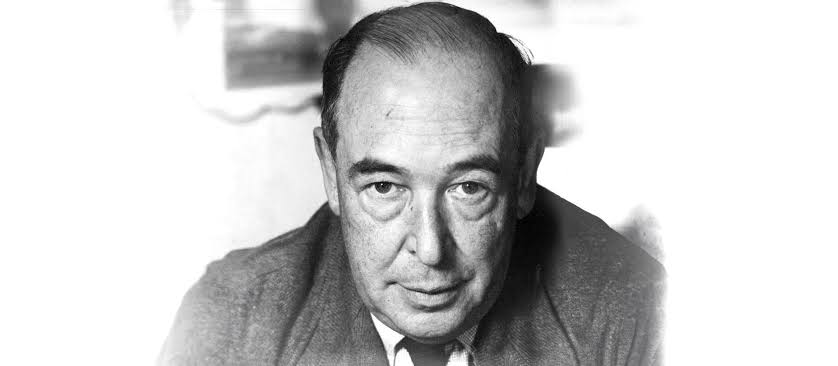
That a bad universe has beings in it that understand what it means to be bad shook Lewis's worldview.
He realized there are only two possible explanations for this... x.com
He realized there are only two possible explanations for this... x.com
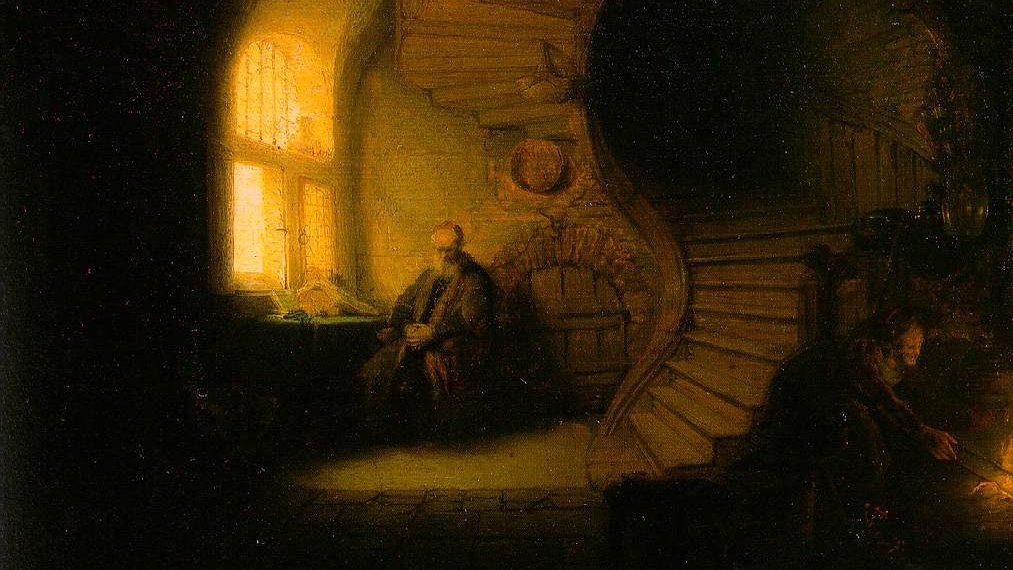
The first is dualism: good and evil exist as independent forces in some kind of eternal, spiritual war.
Neither created the other, and both presumably "think" they are in the right. x.com
Neither created the other, and both presumably "think" they are in the right. x.com
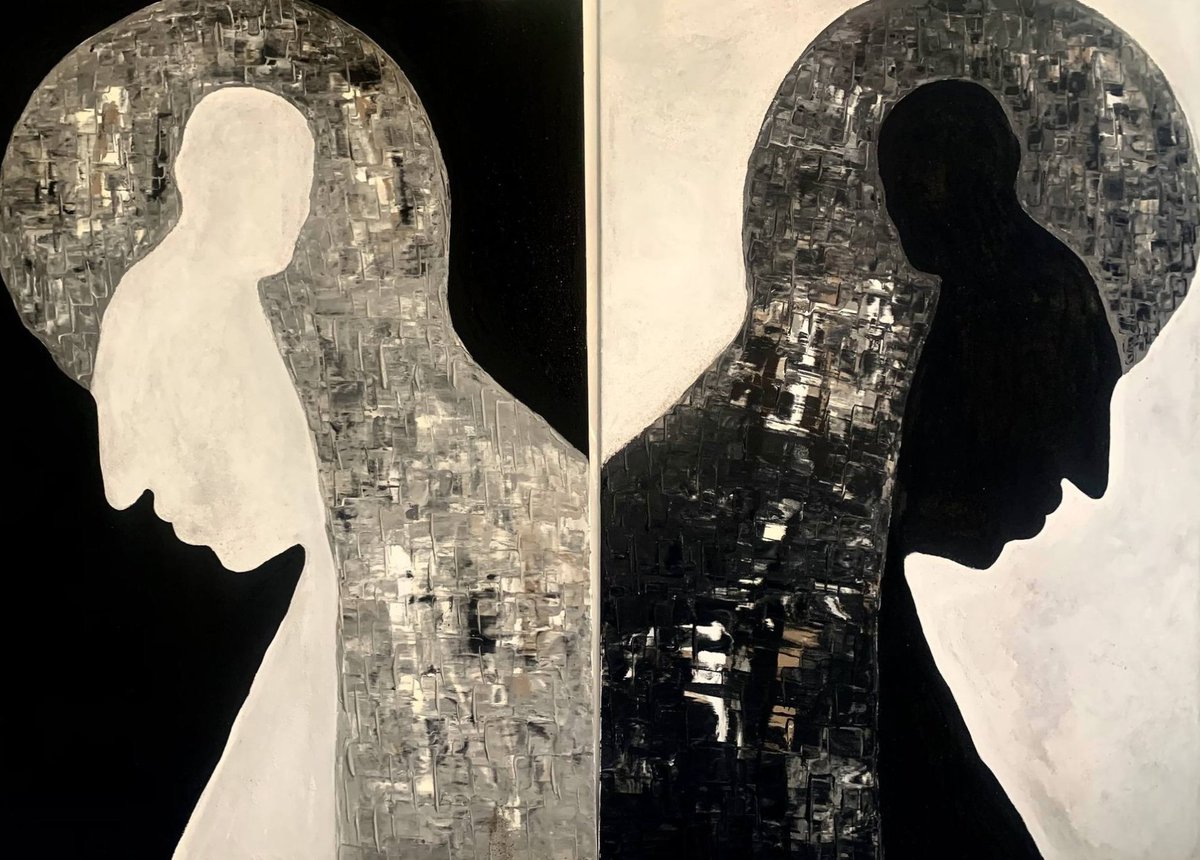
But if both sides equally believe they are right, how do you define one as evil?
To agree that one is "better" than the other, you need to introduce a third entity: a universal moral standard. x.com
To agree that one is "better" than the other, you need to introduce a third entity: a universal moral standard. x.com

Lewis observed that good can be pursued for its own sake, but nobody enjoys bad simply for its badness. Even the cruelest sadist chases a certain pleasure.
Pleasure is still a "good", sought in the wrong way. x.com
Pleasure is still a "good", sought in the wrong way. x.com

This led him to option 2: we inhabit a good world gone wrong — evil is defined in *relation* to the standard of goodness:
"In order to be bad he must have good things to want and then to pursue them in the wrong way."
"In order to be bad he must have good things to want and then to pursue them in the wrong way."
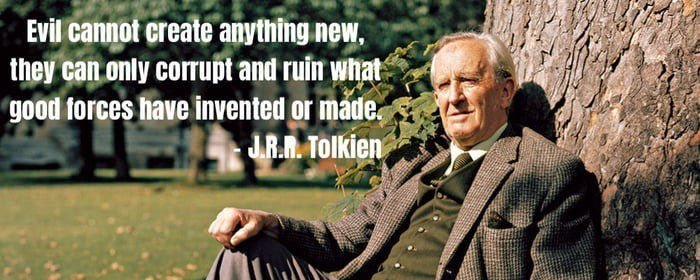
Like his friend J.R.R. Tolkien, Lewis came to see evil as merely a kind of parasite, not an original thing.
The powers that enable it are given to it by goodness — and this rang true in the Christian idea of evil. x.com
The powers that enable it are given to it by goodness — and this rang true in the Christian idea of evil. x.com
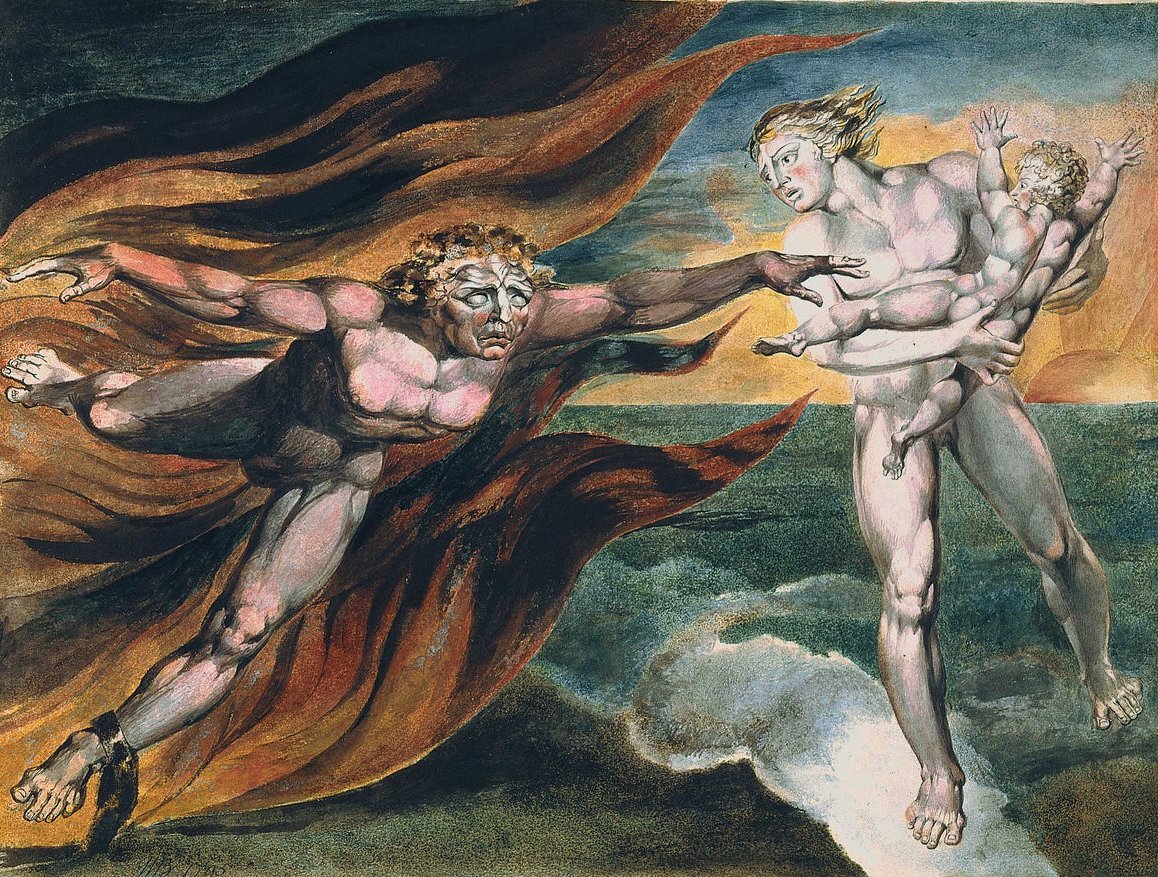
Satan (or Lucifer) has long been seen as a fallen angel, ejected from Heaven after rebelling against God.
He "went bad" because of one thing in particular — his pride... x.com
He "went bad" because of one thing in particular — his pride... x.com
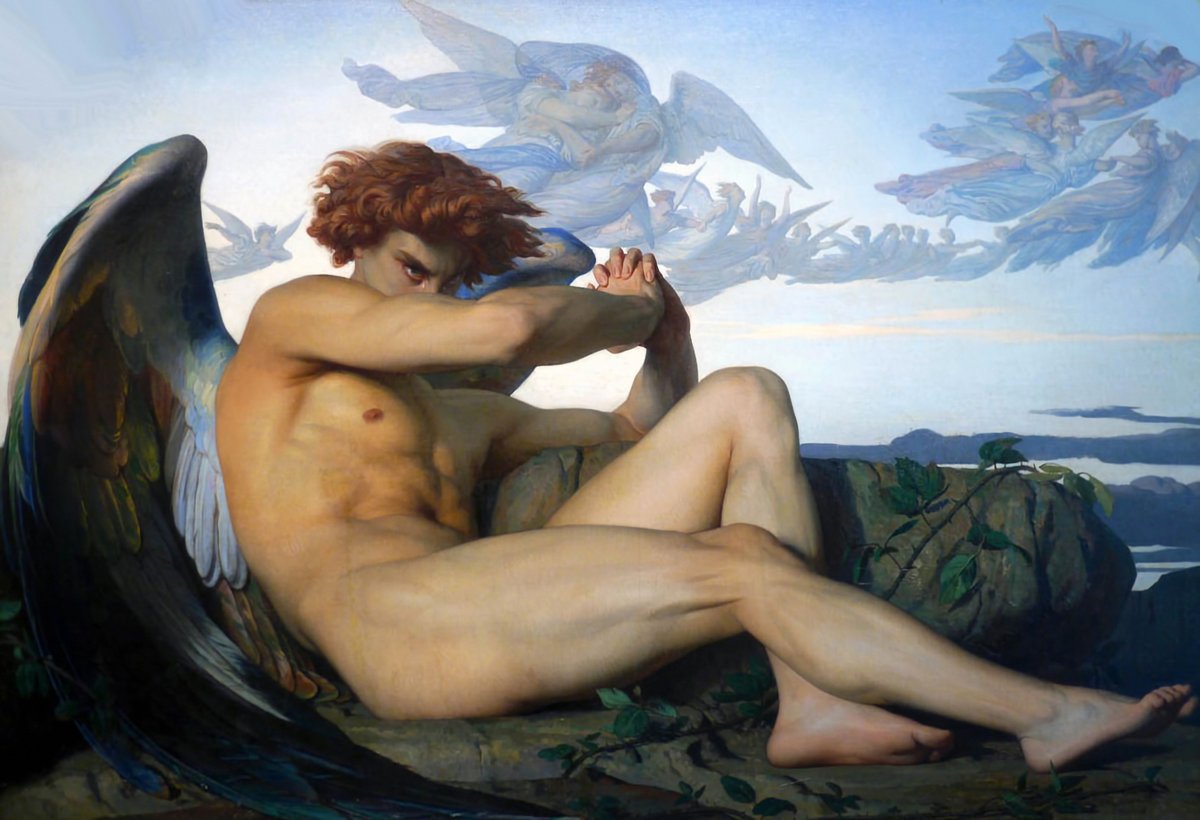
It's the same in Paradise Lost: Satan decides to live on his own terms not God's, loses a battle in Heaven, and is thrown out.
He sought independence and glory for himself — good things, but impossible to hold in opposition to God.
He sought independence and glory for himself — good things, but impossible to hold in opposition to God.
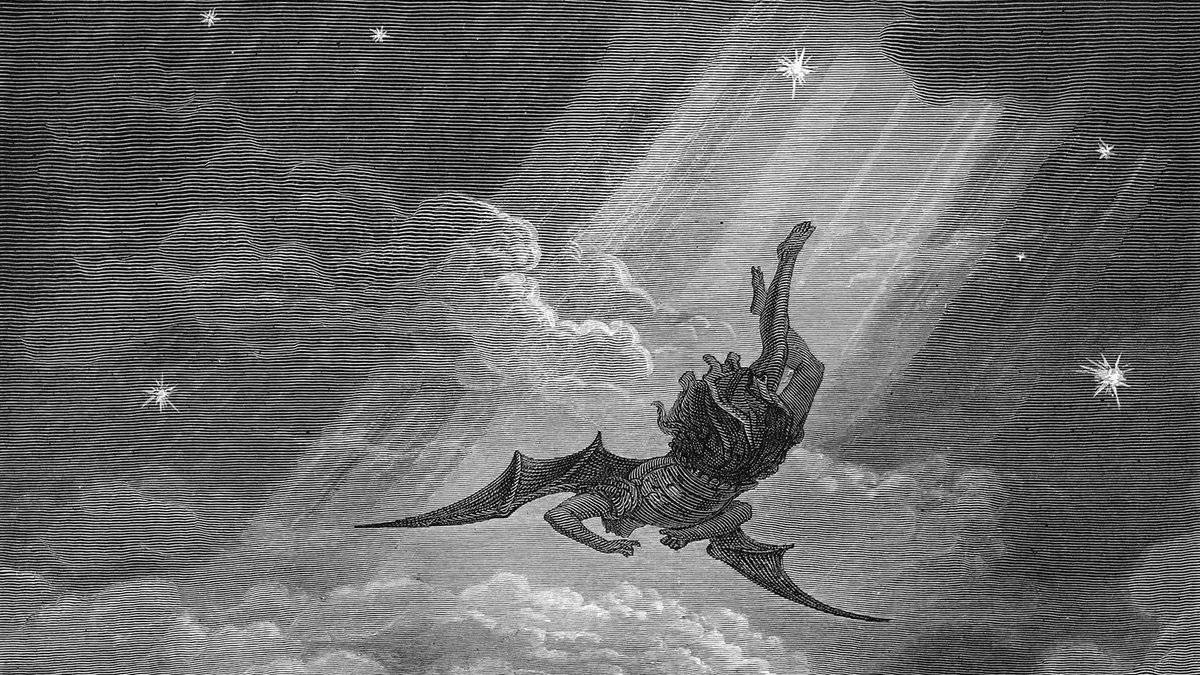
"Evil" in this sense is defined as *distance* from the ultimate good — God. Satan's famous battle cry states his desire for distance plainly:
“Better to reign in Hell than to serve in Heaven!”
“Better to reign in Hell than to serve in Heaven!”
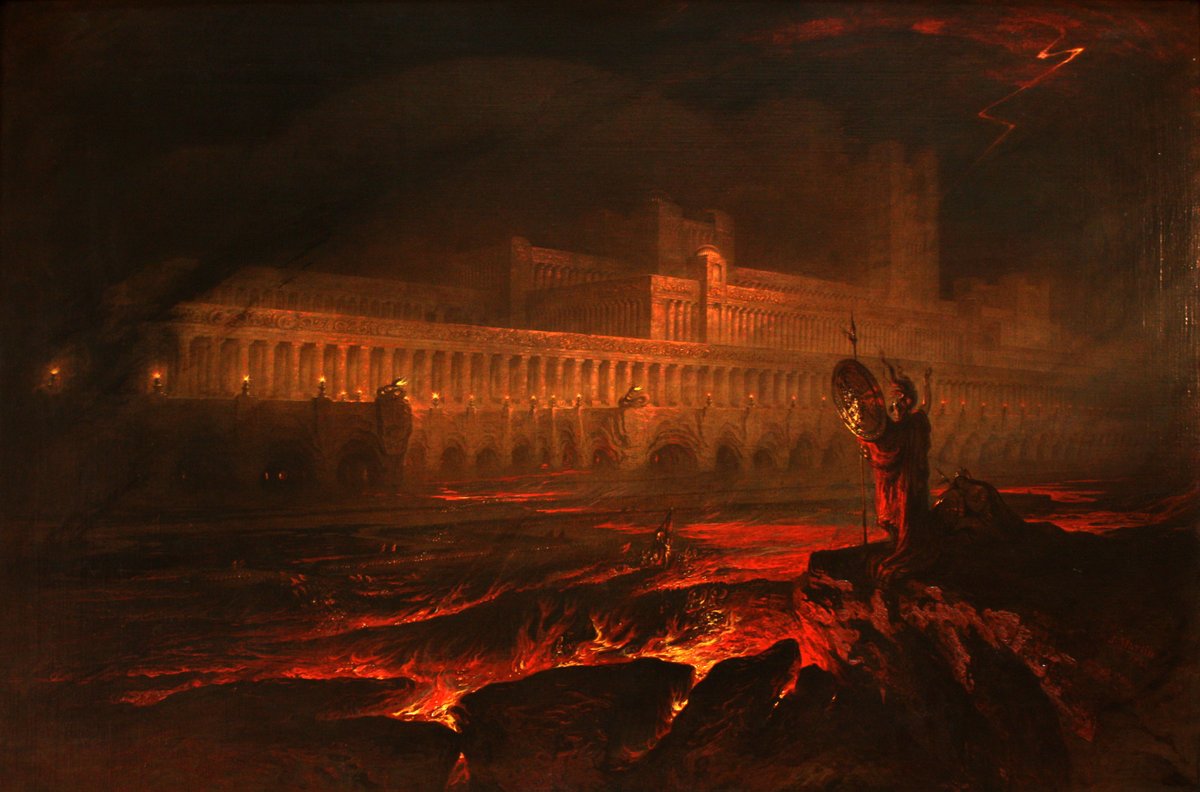
This pride, according to Lewis, was Satan's ultimate sin.
To put oneself at the center, and to invent a form of happiness (hollow as it may be) away from God — the very definition of evil. x.com
To put oneself at the center, and to invent a form of happiness (hollow as it may be) away from God — the very definition of evil. x.com

But one more question remained: why would God allow Satan's rebellion in the first place?
Or in other words, why give Satan (and mankind) the free will to rebel? x.com
Or in other words, why give Satan (and mankind) the free will to rebel? x.com
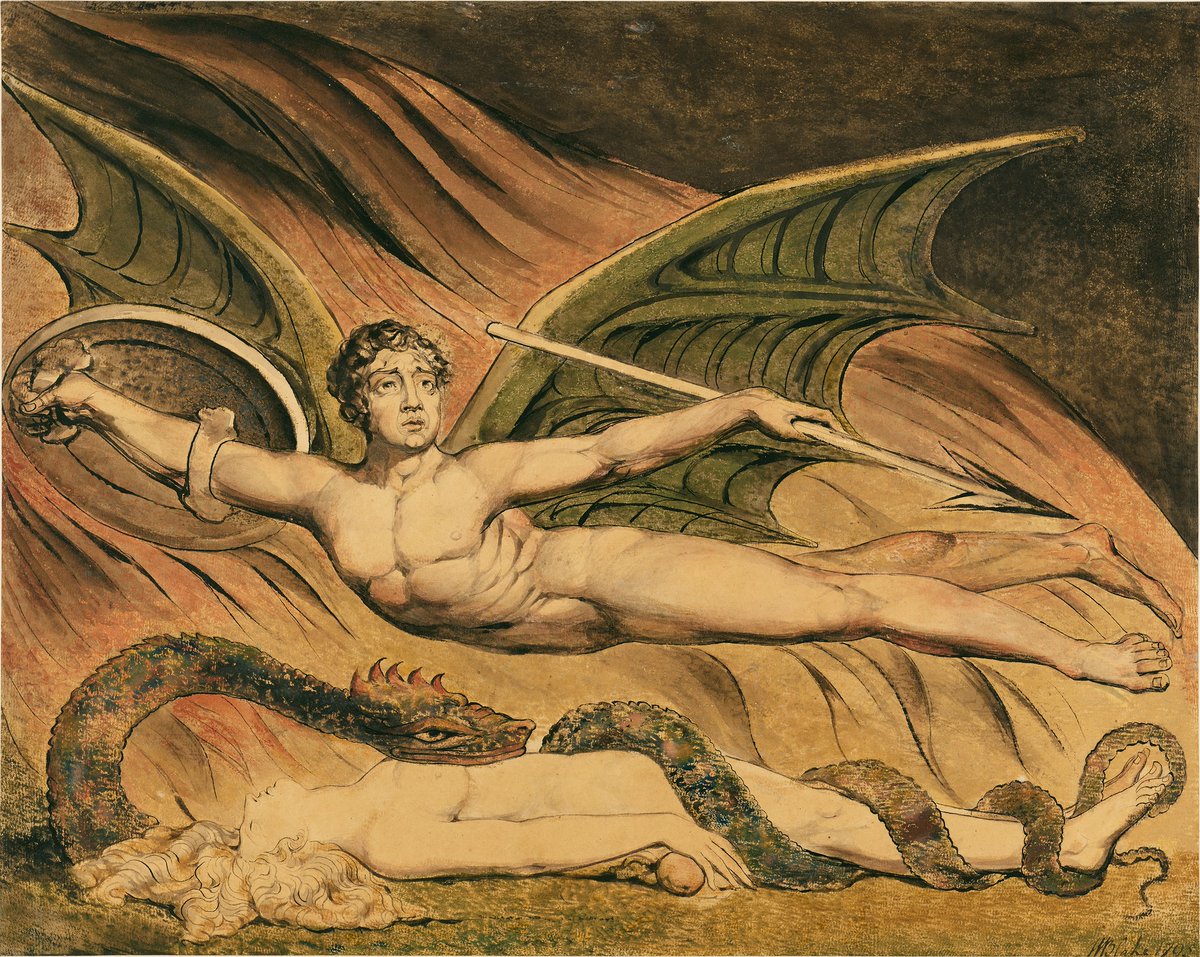
"Because free will, though it makes evil possible, is also the only thing that makes possible any love or goodness or joy worth having."
This reasoning gave Lewis the strength to maintain his faith in later life, even when shaken by immense grief. x.com
This reasoning gave Lewis the strength to maintain his faith in later life, even when shaken by immense grief. x.com
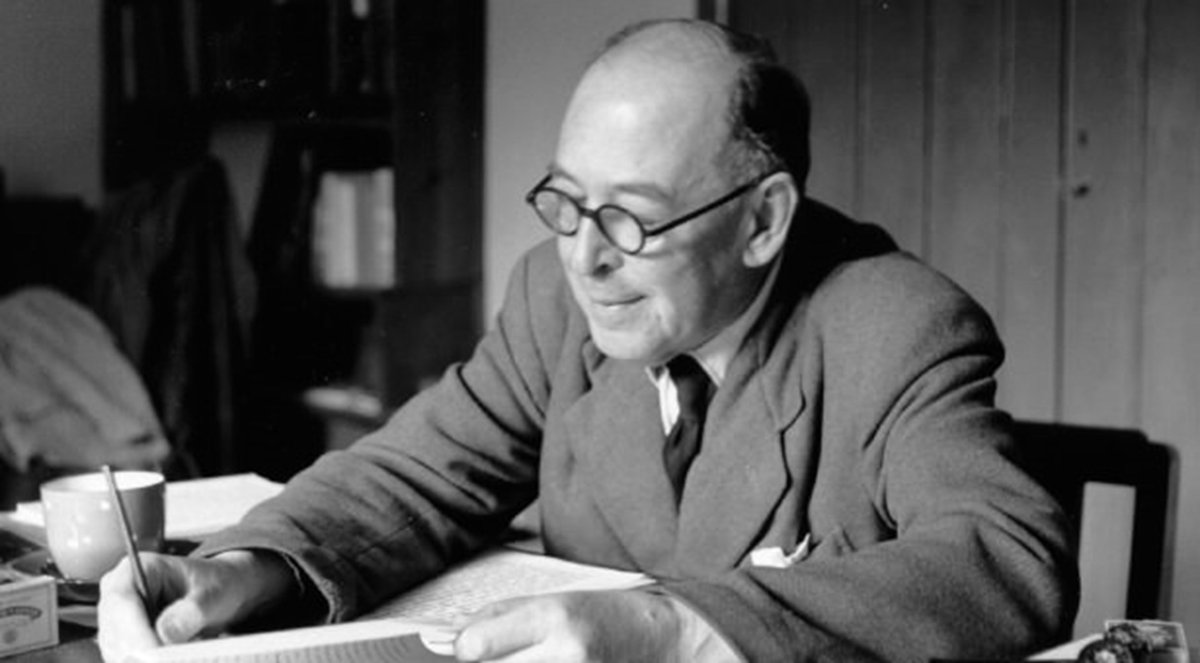
The sin of Satan, taught to humanity, was also his key to understanding the cyclicality of history.
Civilizations begin, thrive, then raise the selfish and cruel to the top until they collapse... x.com
Civilizations begin, thrive, then raise the selfish and cruel to the top until they collapse... x.com

This constant state of war between good and evil is a price worth paying for free will:
"For the greater the love the greater the grief, and the stronger the faith the more savagely will Satan storm its fortress." x.com
"For the greater the love the greater the grief, and the stronger the faith the more savagely will Satan storm its fortress." x.com
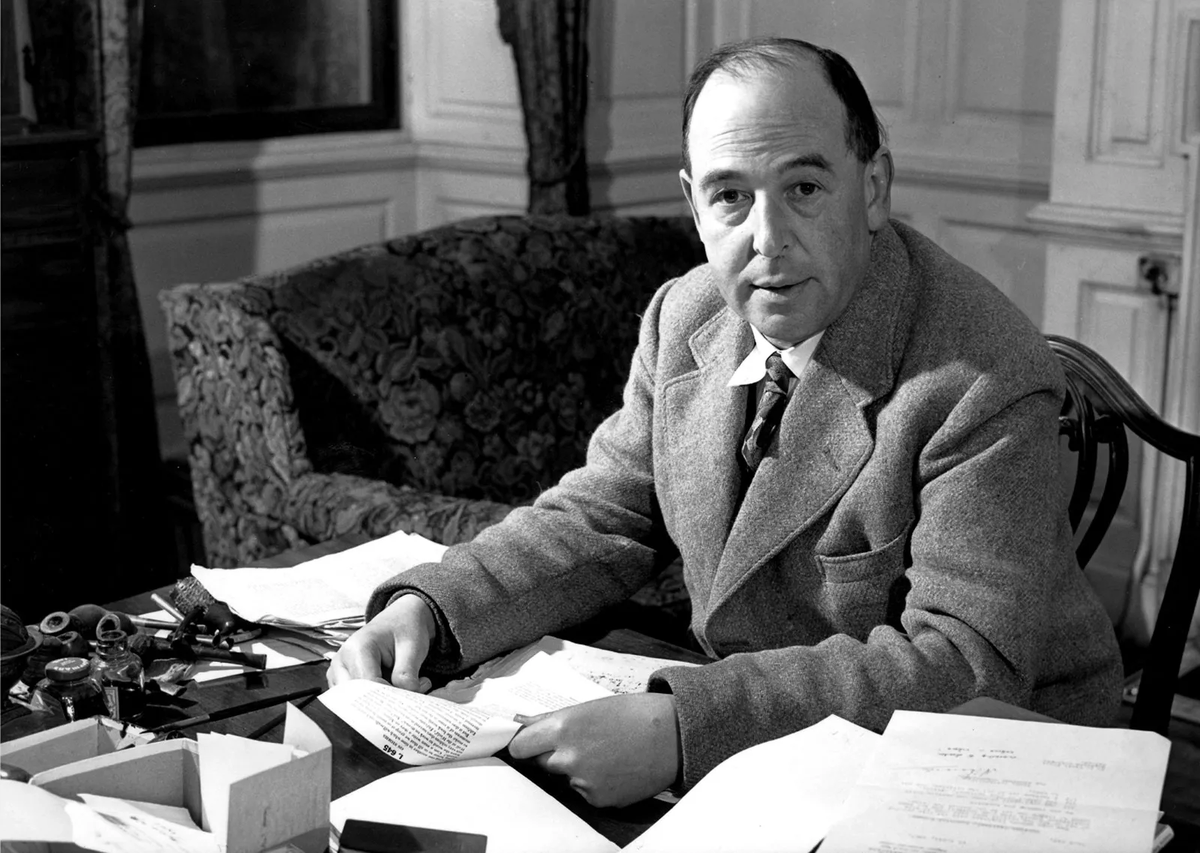
If you enjoy threads like this, I go deeper in my FREE newsletter — including on C.S. Lewis!
100,000+ people read it: art, history and culture 👇
culture-critic.com
100,000+ people read it: art, history and culture 👇
culture-critic.com


Loading suggestions...