

ALL YOU NEED TO KNOW ABOUT DIABETES
People sometimes say that hypertension is better than diabetes, how is that true?
This thread will help you understand diabetes; what causes it, types, treatments, and ways to prevent it to make a huge difference in your health
Check the thread
People sometimes say that hypertension is better than diabetes, how is that true?
This thread will help you understand diabetes; what causes it, types, treatments, and ways to prevent it to make a huge difference in your health
Check the thread

🔑 WHAT IS DIABETES?
It is a serious health condition that happens when the body struggles to control blood sugar levels.
In simple terms, this means that either the body can’t make enough insulin, or the insulin it does make doesn’t work well
Insulin is a hormone that helps move sugar from the bloodstream into cells, where it is used for energy.
It is a serious health condition that happens when the body struggles to control blood sugar levels.
In simple terms, this means that either the body can’t make enough insulin, or the insulin it does make doesn’t work well
Insulin is a hormone that helps move sugar from the bloodstream into cells, where it is used for energy.
🔑 WHAT CAUSES DIABETES?
Diabetes occurs when the body is unable to use insulin properly.
Without enough insulin, sugar builds up in the blood, which can lead to long-term health problems like heart disease, kidney issues, and nerve damage.
Diabetes occurs when the body is unable to use insulin properly.
Without enough insulin, sugar builds up in the blood, which can lead to long-term health problems like heart disease, kidney issues, and nerve damage.
🔑 TYPES OF DIABETES?
- Type 1 Diabetes
This type occurs when the body’s immune system mistakenly attacks and destroys the insulin-producing cells in the pancreas. As a result, people with Type 1 need to take insulin daily to manage their blood sugar.
- Type 2 Diabetes
In Type 2 diabetes, the body either doesn’t make enough insulin or doesn’t use it effectively (insulin resistance). This type is more common and is often linked to lifestyle factors such as being overweight, having a poor diet, and not getting enough exercise.
- Gestational Diabetes
This type happens during pregnancy and causes high blood sugar. It usually goes away after the baby is born, but it increases the risk of developing Type 2 diabetes later in life.
-Prediabetes
In this condition, blood sugar levels are higher than normal, but not high enough to be classified as diabetes. Without intervention, prediabetes can progress to Type 2 diabetes.
- Type 1 Diabetes
This type occurs when the body’s immune system mistakenly attacks and destroys the insulin-producing cells in the pancreas. As a result, people with Type 1 need to take insulin daily to manage their blood sugar.
- Type 2 Diabetes
In Type 2 diabetes, the body either doesn’t make enough insulin or doesn’t use it effectively (insulin resistance). This type is more common and is often linked to lifestyle factors such as being overweight, having a poor diet, and not getting enough exercise.
- Gestational Diabetes
This type happens during pregnancy and causes high blood sugar. It usually goes away after the baby is born, but it increases the risk of developing Type 2 diabetes later in life.
-Prediabetes
In this condition, blood sugar levels are higher than normal, but not high enough to be classified as diabetes. Without intervention, prediabetes can progress to Type 2 diabetes.
🔑 WHAT PUTS ANYONE AT RISK?
- If diabetes runs in your family, you may be at higher risk, especially for Type 2 diabetes.
- People over 45 are more likely to develop Type 2 diabetes, though it can happen at any age.
- Being overweight or obese is a major risk factor for Type 2 diabetes, as excess fat can make it harder for the body to use insulin properly.
- Physical inactivity increases the risk of developing Type 2 diabetes because it can cause the body to become resistant to insulin.
- Eating too much sugar, processed foods, and unhealthy fats can lead to weight gain and insulin resistance.
- Having high blood pressure can increase the risk of Type 2 diabetes.
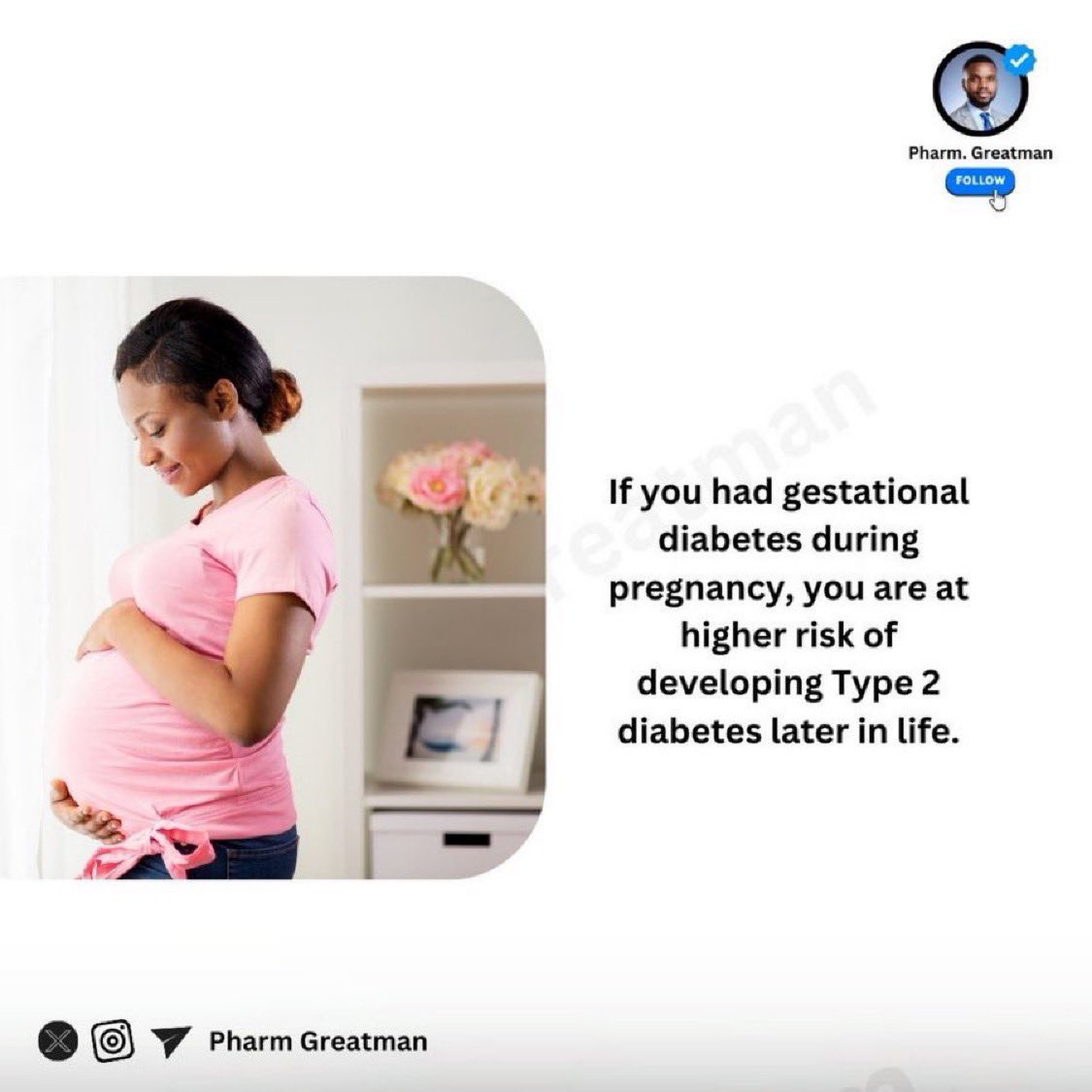
- If you had gestational diabetes during pregnancy, you are at higher risk of developing Type 2 diabetes later in life.
- If diabetes runs in your family, you may be at higher risk, especially for Type 2 diabetes.
- People over 45 are more likely to develop Type 2 diabetes, though it can happen at any age.
- Being overweight or obese is a major risk factor for Type 2 diabetes, as excess fat can make it harder for the body to use insulin properly.
- Physical inactivity increases the risk of developing Type 2 diabetes because it can cause the body to become resistant to insulin.
- Eating too much sugar, processed foods, and unhealthy fats can lead to weight gain and insulin resistance.
- Having high blood pressure can increase the risk of Type 2 diabetes.
- If you had gestational diabetes during pregnancy, you are at higher risk of developing Type 2 diabetes later in life.
🔑 FOOD AND DIABETES - Glycemic Index (GI)
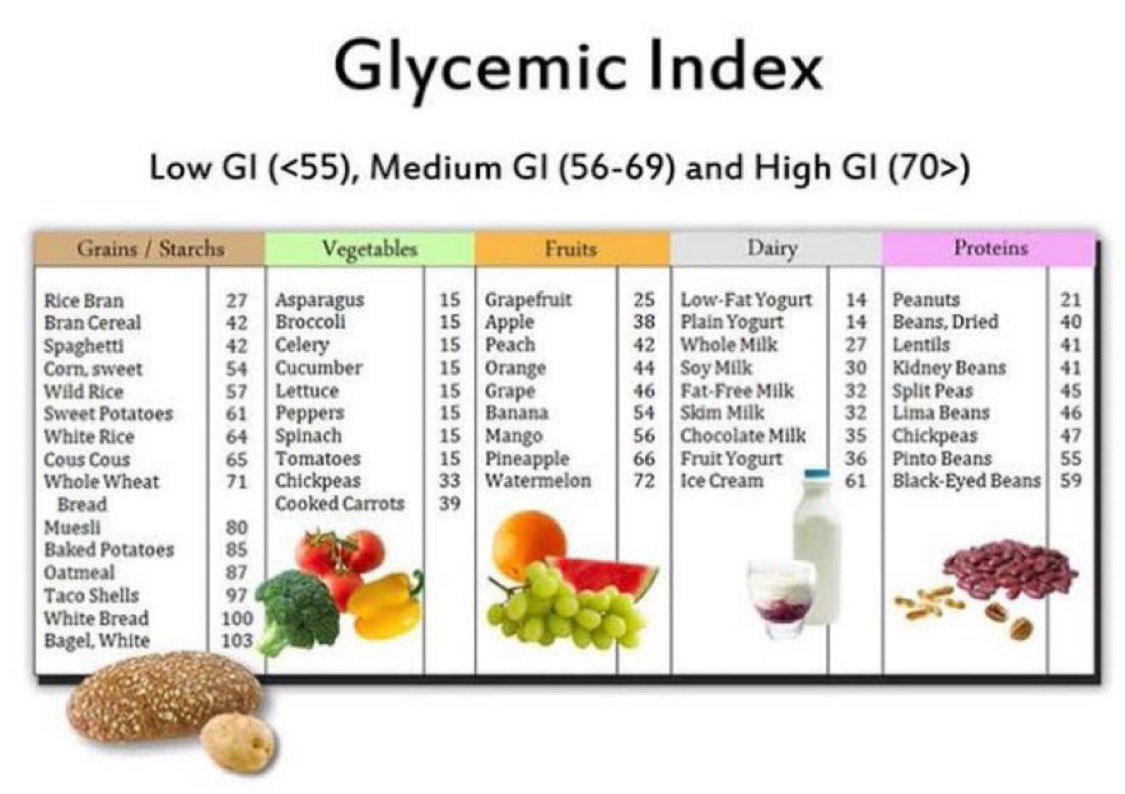
The Glycemic Index (GI) is a scale that ranks carbohydrate-containing foods based on how quickly they raise blood sugar levels.
Foods with a high GI cause blood sugar to spike quickly, while foods with a low GI are digested more slowly and cause a more gradual rise in blood sugar.
Managing blood sugar is key for people with diabetes, and choosing low-GI foods can help keep it steady.
- High-GI foods (raise blood sugar quickly):
White bread 🍞
Sugary snacks
White rice 🍚
Sodas and sugary drinks 🥤
Potatoes 🥔
- Low-GI foods (raise blood sugar more slowly):
Whole grains (e.g., brown rice 🌾 )
Non-starchy vegetables (e.g, broccoli 🥦 )
Fruits like berries and apples
Legumes (e.g., beans 🫘 )
Sweet potatoes 🍠
See more below: image source - Glycemic Index Lab
The Glycemic Index (GI) is a scale that ranks carbohydrate-containing foods based on how quickly they raise blood sugar levels.
Foods with a high GI cause blood sugar to spike quickly, while foods with a low GI are digested more slowly and cause a more gradual rise in blood sugar.
Managing blood sugar is key for people with diabetes, and choosing low-GI foods can help keep it steady.
- High-GI foods (raise blood sugar quickly):
White bread 🍞
Sugary snacks
White rice 🍚
Sodas and sugary drinks 🥤
Potatoes 🥔
- Low-GI foods (raise blood sugar more slowly):
Whole grains (e.g., brown rice 🌾 )
Non-starchy vegetables (e.g, broccoli 🥦 )
Fruits like berries and apples
Legumes (e.g., beans 🫘 )
Sweet potatoes 🍠
See more below: image source - Glycemic Index Lab
🔑 TREATMENT OPTIONS AND TIPS FOR DIABETES
- Insulin
Strictly given under supervision of a licensed medical professional
- Oral Medications
Type 2 diabetes is often treated with pills, which helps the body use insulin better and reduces blood sugar production in the liver.
- Healthy Eating
This is essential for managing diabetes. Foods that are high in fiber (like vegetables, whole grains, and legumes) can help control blood sugar. Avoid foods high in sugar or refined carbs.
- Exercise
Physical activity helps insulin work better in the body. Aiming for at least 30 minutes of exercise most days of the week is ideal.
- Continuous Glucose Monitoring (CGM)
Some people with diabetes use CGMs to track their blood sugar levels throughout the day. This can help them make adjustments to their treatment or lifestyle as needed
- Watch Your Weight
Maintaining a healthy weight helps improve insulin sensitivity, especially for people with Type 2 diabetes.
- Stay Hydrated
Drink plenty of water throughout the day, and limit sugary drinks that can spike blood sugar
- Insulin
Strictly given under supervision of a licensed medical professional
- Oral Medications
Type 2 diabetes is often treated with pills, which helps the body use insulin better and reduces blood sugar production in the liver.
- Healthy Eating
This is essential for managing diabetes. Foods that are high in fiber (like vegetables, whole grains, and legumes) can help control blood sugar. Avoid foods high in sugar or refined carbs.
- Exercise
Physical activity helps insulin work better in the body. Aiming for at least 30 minutes of exercise most days of the week is ideal.
- Continuous Glucose Monitoring (CGM)
Some people with diabetes use CGMs to track their blood sugar levels throughout the day. This can help them make adjustments to their treatment or lifestyle as needed
- Watch Your Weight
Maintaining a healthy weight helps improve insulin sensitivity, especially for people with Type 2 diabetes.
- Stay Hydrated
Drink plenty of water throughout the day, and limit sugary drinks that can spike blood sugar
🔑 HOW TO PREVENT DIABETES
While Type 1 diabetes can’t be prevented, many cases of Type 2 diabetes can be delayed or prevented with healthy lifestyle choices, like:
- Regular physical activity including exercises helps lower blood sugar and reduces the risk of developing Type 2 diabetes.
- Focus on healthy meals with vegetables, fruits, and healthy fats. Limit sugary foods, processed snacks, and drinks.
- Losing even a small amount of weight can improve insulin sensitivity and lower the risk of developing Type 2 diabetes.
- If you have risk factors, get regular blood sugar tests to catch high levels early and prevent diabetes.
While Type 1 diabetes can’t be prevented, many cases of Type 2 diabetes can be delayed or prevented with healthy lifestyle choices, like:
- Regular physical activity including exercises helps lower blood sugar and reduces the risk of developing Type 2 diabetes.
- Focus on healthy meals with vegetables, fruits, and healthy fats. Limit sugary foods, processed snacks, and drinks.
- Losing even a small amount of weight can improve insulin sensitivity and lower the risk of developing Type 2 diabetes.
- If you have risk factors, get regular blood sugar tests to catch high levels early and prevent diabetes.
🔑 HOW DO YOU KNOW YOU GOT IT?
This is where routine test comes in. Some
Common tests include:
- FASTING BLOOD SUGAR
Measures blood sugar after not eating overnight. A high result may mean diabetes
- A1C TEST
Shows your average blood sugar over the past 2-3 months. High levels suggest diabetes.
- GLUCOSE TOLERANCE TEST
Measures blood sugar before and after drinking a sugary drink. High levels after two hours can mean diabetes.
- RANDOM BLOOD SUGAR
Checks blood sugar at any time. High results may mean diabetes.
NORMAL RANGES
I will leave figure in mmol/L, based on guidelines from the American Diabetes Association (ADA). This may be modified by the time of this post
- FASTING BLOOD SUGAR
Normal: Below 5.6 mmol/L
Prediabetes: 5.6–6.9 mmol/L
Diabetes: 7.0 mmol/L or higher
- A1C TEST
Normal: Below 5.7%
Prediabetes: 5.7% to 6.4%
Diabetes: 6.5% or higher
- ORAL GLUCOSE TOLERANCE TEST (OGTT) (2 hours after consuming glucose):
Normal: Below 7.8 mmol/L
Prediabetes: 7.8–11.0 mmol/L
Diabetes: 11.1 mmol/L or higher
- RANDOM BLOOD SUGAR
Diabetes is suggested if the reading is 11.1 mmol/L or higher. Not alone, along with symptoms of diabetes (such as increased thirst or frequent urination).
This is where routine test comes in. Some
Common tests include:
- FASTING BLOOD SUGAR
Measures blood sugar after not eating overnight. A high result may mean diabetes
- A1C TEST
Shows your average blood sugar over the past 2-3 months. High levels suggest diabetes.
- GLUCOSE TOLERANCE TEST
Measures blood sugar before and after drinking a sugary drink. High levels after two hours can mean diabetes.
- RANDOM BLOOD SUGAR
Checks blood sugar at any time. High results may mean diabetes.
NORMAL RANGES
I will leave figure in mmol/L, based on guidelines from the American Diabetes Association (ADA). This may be modified by the time of this post
- FASTING BLOOD SUGAR
Normal: Below 5.6 mmol/L
Prediabetes: 5.6–6.9 mmol/L
Diabetes: 7.0 mmol/L or higher
- A1C TEST
Normal: Below 5.7%
Prediabetes: 5.7% to 6.4%
Diabetes: 6.5% or higher
- ORAL GLUCOSE TOLERANCE TEST (OGTT) (2 hours after consuming glucose):
Normal: Below 7.8 mmol/L
Prediabetes: 7.8–11.0 mmol/L
Diabetes: 11.1 mmol/L or higher
- RANDOM BLOOD SUGAR
Diabetes is suggested if the reading is 11.1 mmol/L or higher. Not alone, along with symptoms of diabetes (such as increased thirst or frequent urination).
Hypertension is not better of worse than diabetes. If we had our own way, none should exist so people can live healthier lives
If you found this post helpful, do share the first tweet of the thread to help someone 👍🏼
If you found this post helpful, do share the first tweet of the thread to help someone 👍🏼

Loading suggestions...