

October 7, 1571—Islamic conquest seemed unstoppable.
A massive Ottoman fleet sailed to crush Christian Europe. No one had beaten them at sea.
Then, at Lepanto, 200 galleys of the Holy League stood in their way.
What happened next changed history forever: x.com
A massive Ottoman fleet sailed to crush Christian Europe. No one had beaten them at sea.
Then, at Lepanto, 200 galleys of the Holy League stood in their way.
What happened next changed history forever: x.com
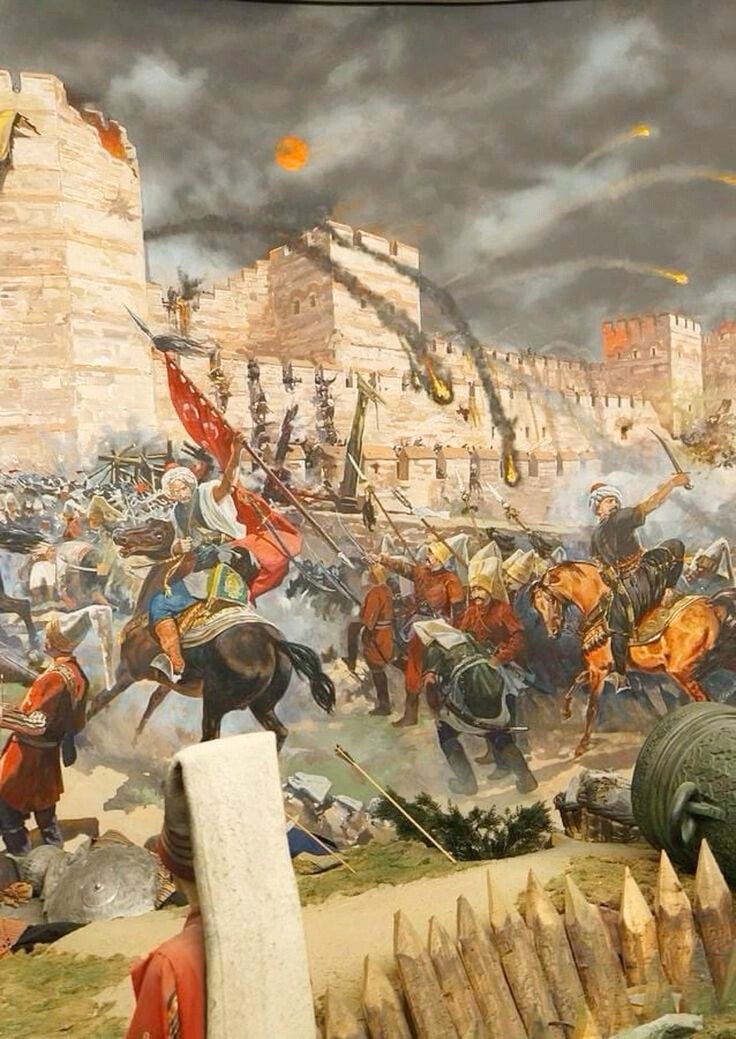
By the 16th century, the Ottoman Empire ruled the Mediterranean.
Their navy was the most powerful in the world, and their armies had taken Constantinople, much of the Balkans, and parts of Hungary. x.com
Their navy was the most powerful in the world, and their armies had taken Constantinople, much of the Balkans, and parts of Hungary. x.com
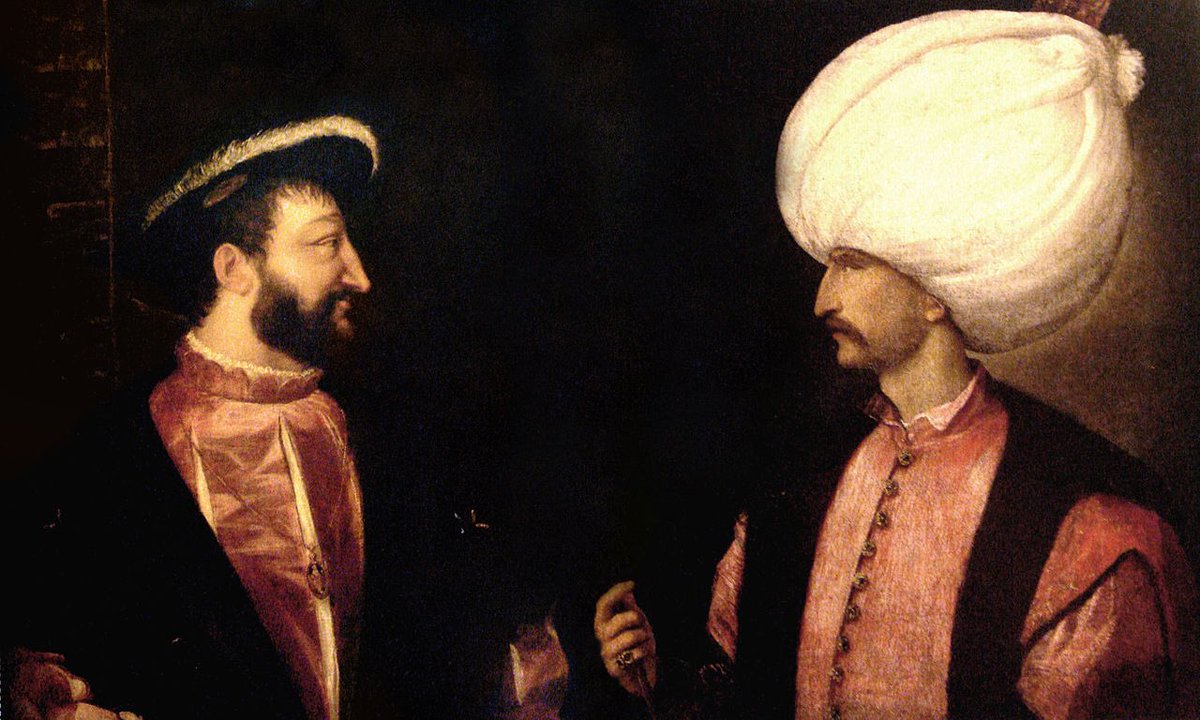
The Christian kingdoms of Europe were divided.
France even allied with the Ottomans against the Habsburgs.
Few believed the Turks could be stopped. x.com
France even allied with the Ottomans against the Habsburgs.
Few believed the Turks could be stopped. x.com
But the Ottomans were not satisfied.
In 1570, they attacked Cyprus, a Venetian possession.
The island fell after a brutal siege. Thousands of Christians were slaughtered. Others were enslaved. x.com
In 1570, they attacked Cyprus, a Venetian possession.
The island fell after a brutal siege. Thousands of Christians were slaughtered. Others were enslaved. x.com
Pope Pius V saw the danger.
If the Ottomans controlled the Mediterranean, they could launch invasions into Italy and Spain.
Christianity itself was at risk. x.com
If the Ottomans controlled the Mediterranean, they could launch invasions into Italy and Spain.
Christianity itself was at risk. x.com
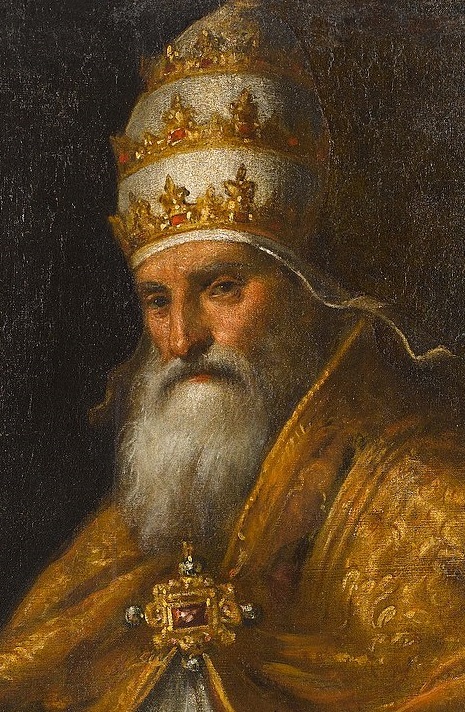
He called for a Holy League—a coalition of Catholic powers.
Spain, Venice, and the Papal States answered.
Genoa, Malta, and smaller Italian states joined as well. x.com
Spain, Venice, and the Papal States answered.
Genoa, Malta, and smaller Italian states joined as well. x.com
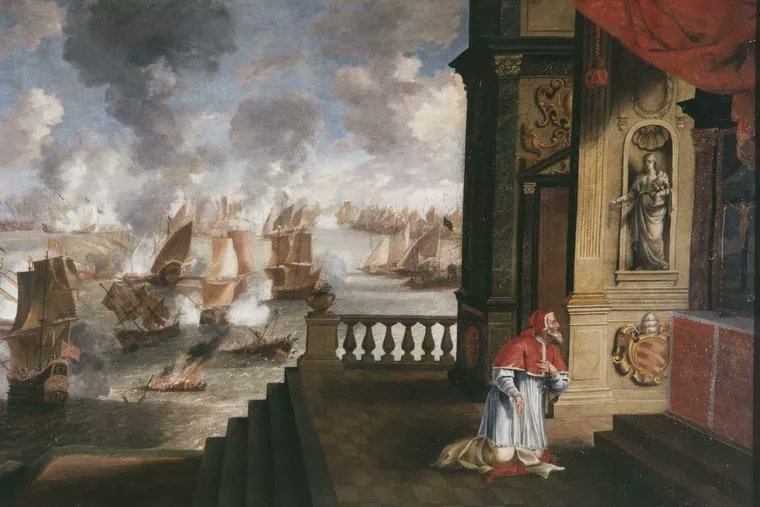
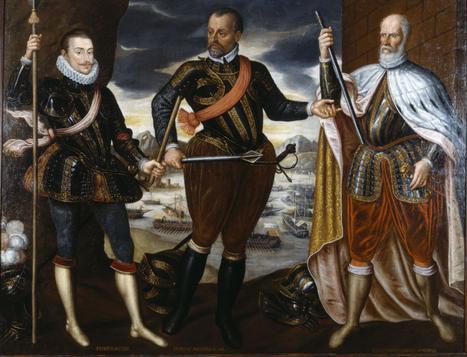
At the head of the fleet was Don Juan of Austria, the illegitimate son of Emperor Charles V.
Only 24 years old, he was brilliant, charismatic, and fearless. x.com
Only 24 years old, he was brilliant, charismatic, and fearless. x.com
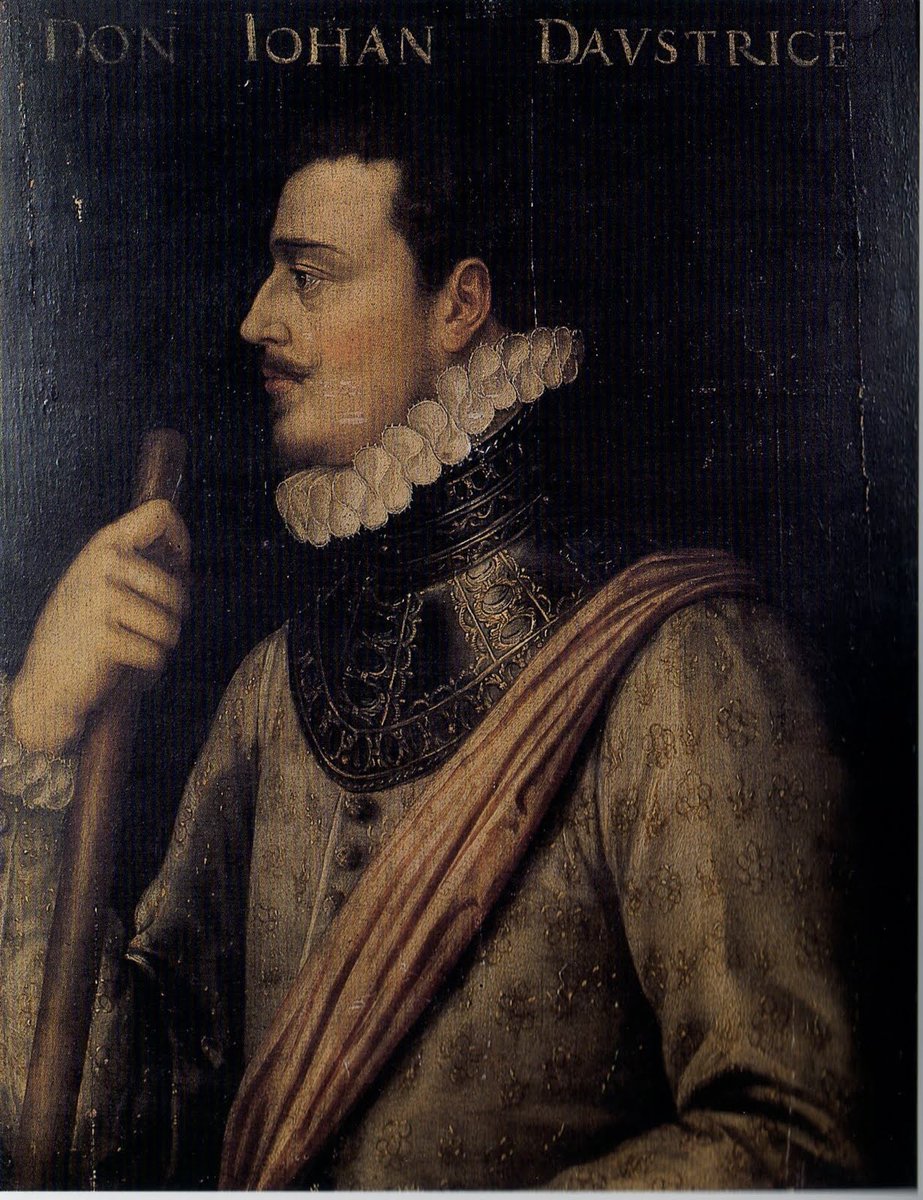
The Christian fleet assembled at Messina.
It had 206 galleys, carrying over 80,000 men—soldiers, sailors, and rowers.
The Venetians provided most of the ships, but Spain supplied the best soldiers. x.com
It had 206 galleys, carrying over 80,000 men—soldiers, sailors, and rowers.
The Venetians provided most of the ships, but Spain supplied the best soldiers. x.com
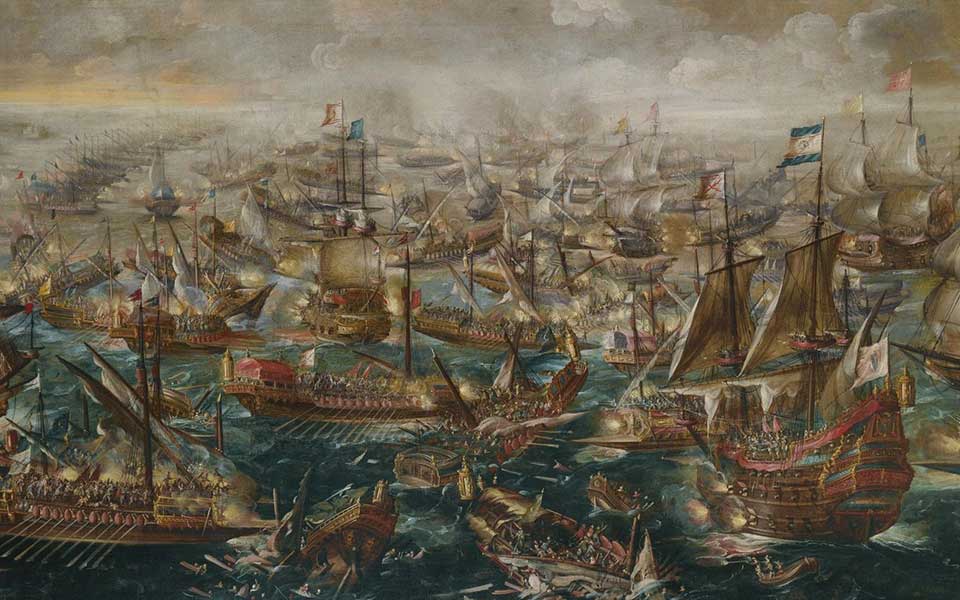
The Ottoman fleet, led by Ali Pasha, was even larger—over 250 ships, manned by 120,000 men.
Many were battle-hardened janissaries, the elite troops of the empire. x.com
Many were battle-hardened janissaries, the elite troops of the empire. x.com
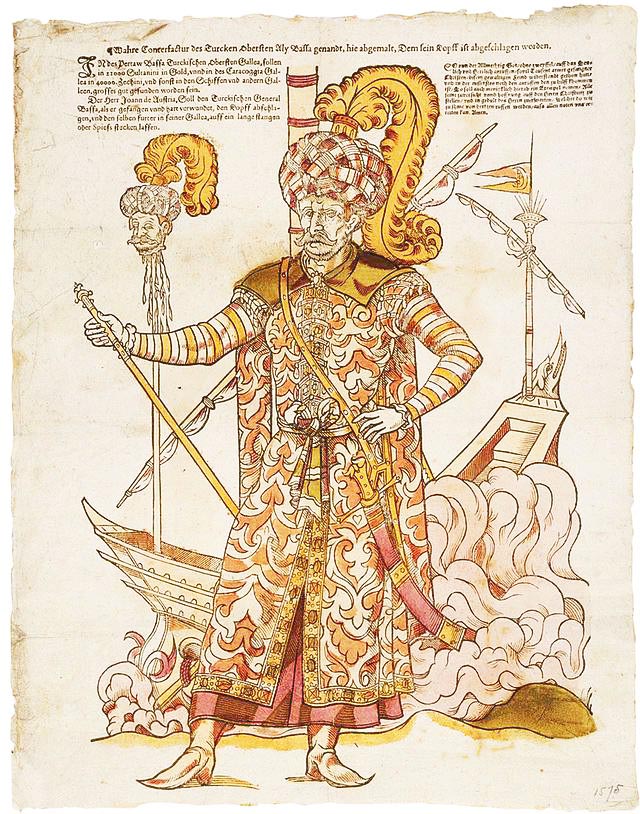
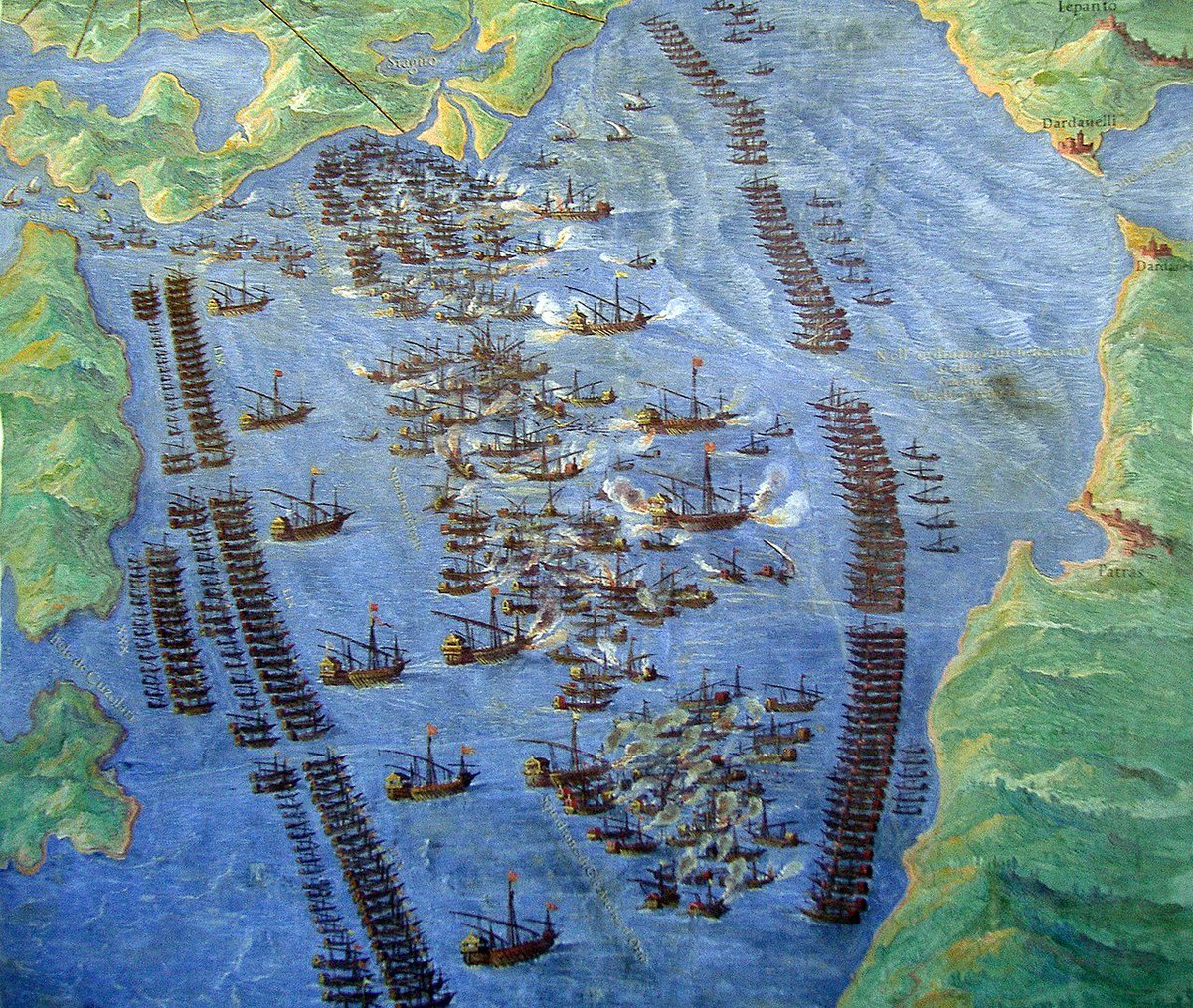
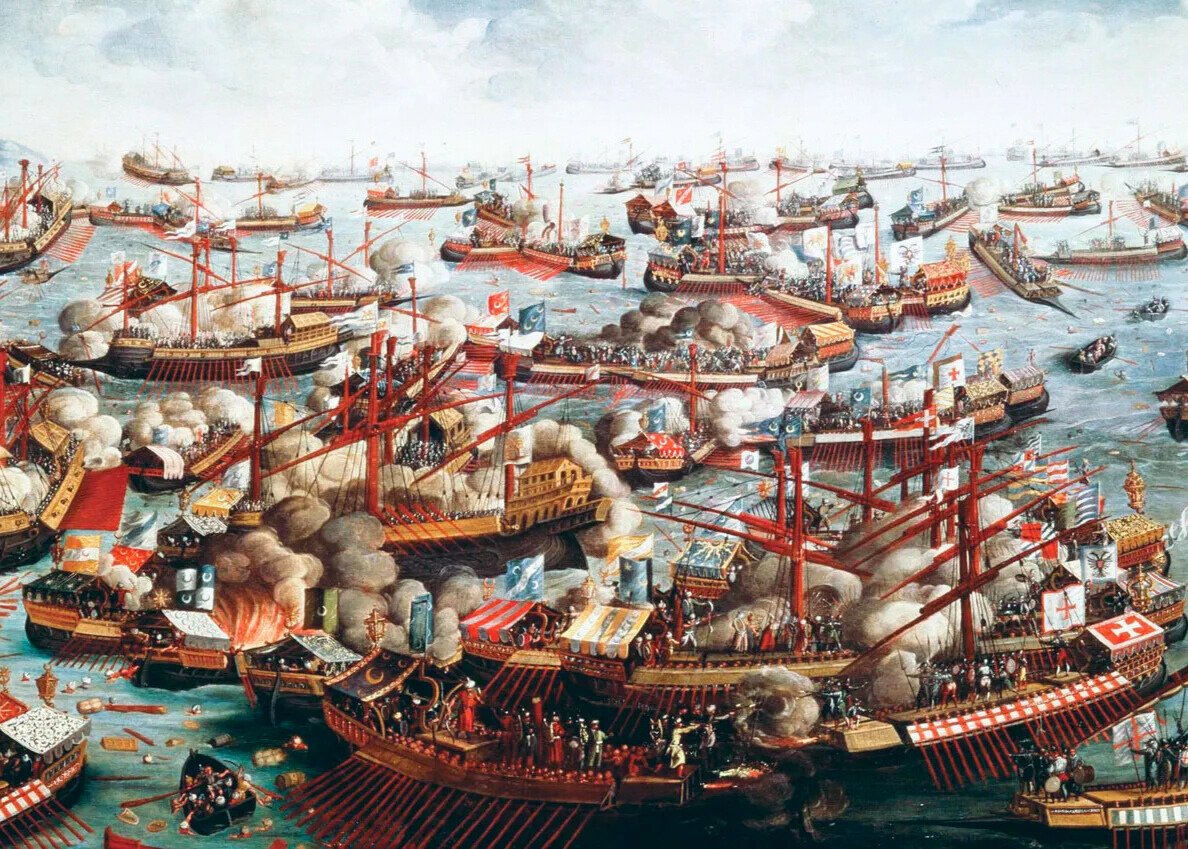
On October 7, 1571, the two fleets met near Lepanto, off the western coast of Greece.
It was the largest naval battle since antiquity. x.com
It was the largest naval battle since antiquity. x.com
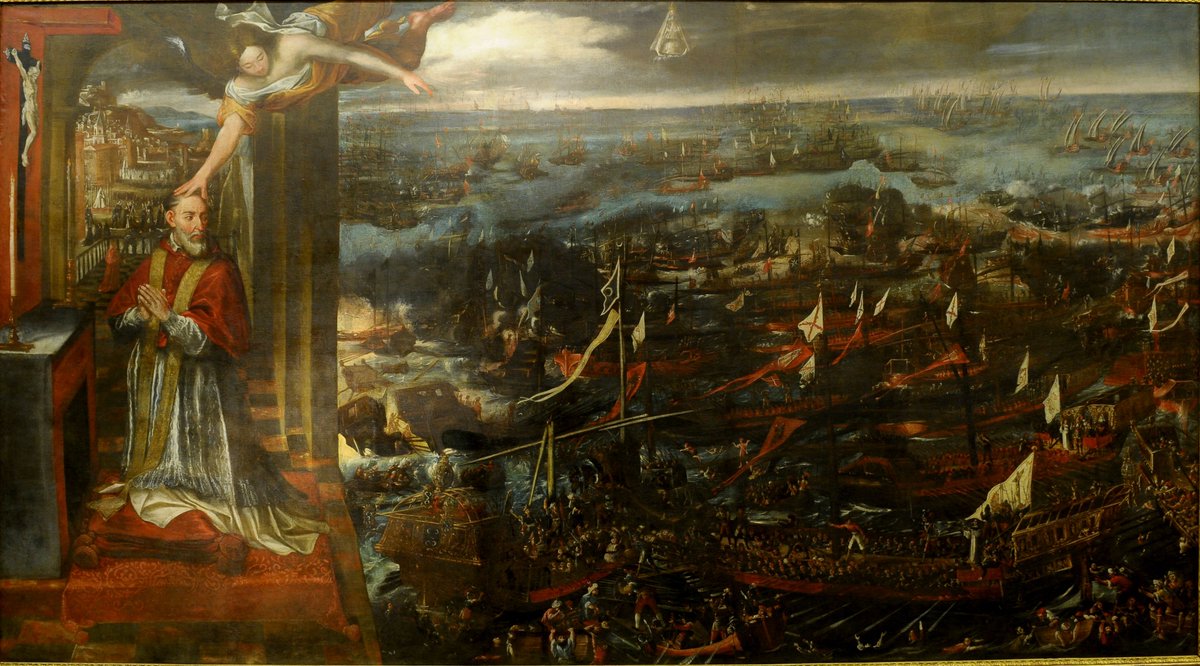
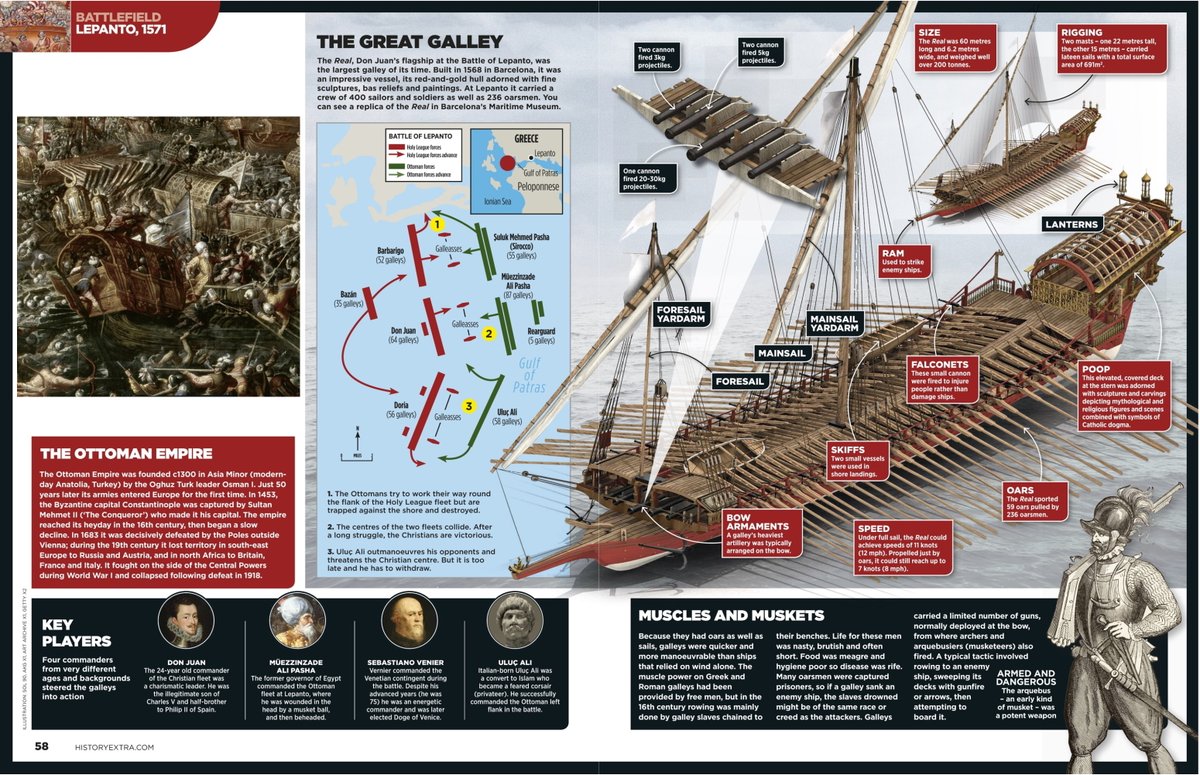
The Holy League formed a battle line in the shape of a cross.
Don Juan commanded the center, with the Venetians on the left and the Genoese on the right.
The Ottomans spread out in a long crescent. x.com
Don Juan commanded the center, with the Venetians on the left and the Genoese on the right.
The Ottomans spread out in a long crescent. x.com
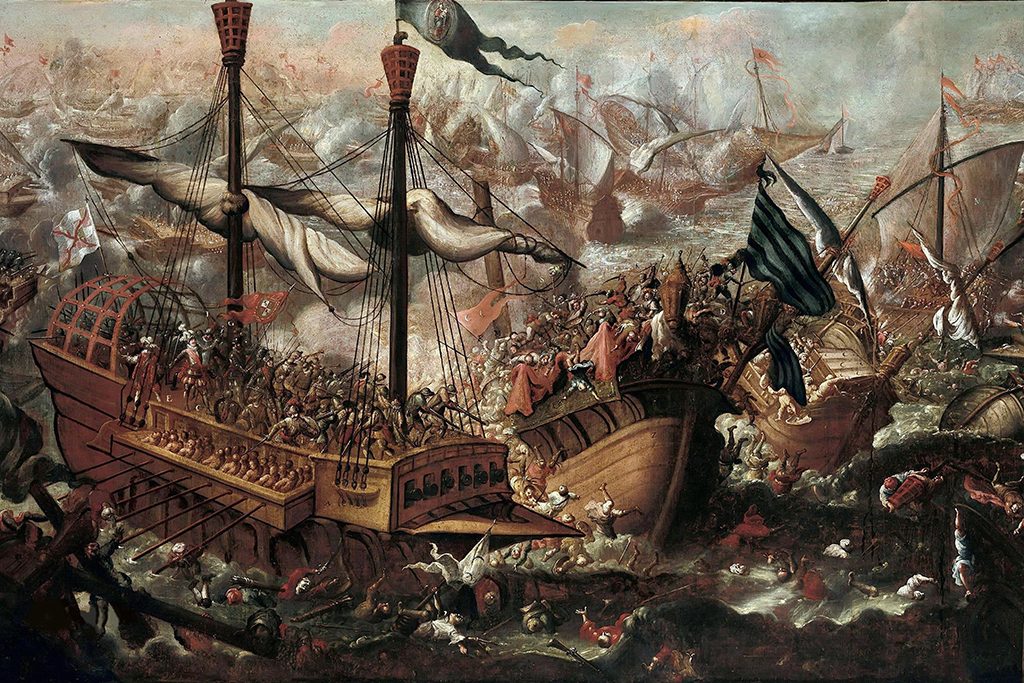
The battle began with cannon fire.
The Christians had superior firepower, but the Ottomans relied on speed and boarding tactics.
Their galleys surged forward, seeking to overwhelm the enemy in hand-to-hand combat. x.com
The Christians had superior firepower, but the Ottomans relied on speed and boarding tactics.
Their galleys surged forward, seeking to overwhelm the enemy in hand-to-hand combat. x.com
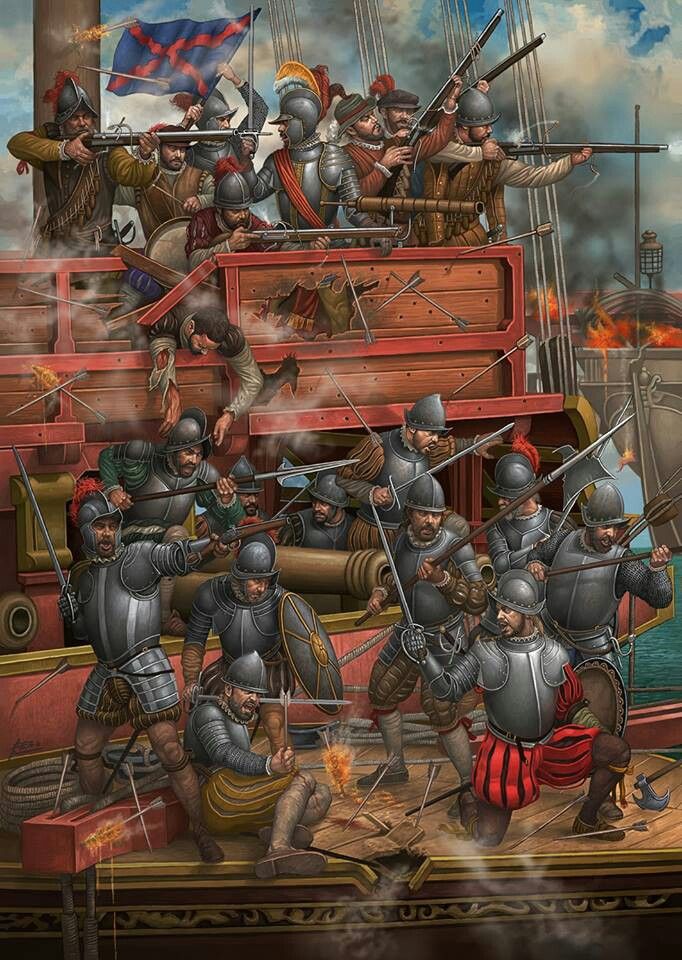
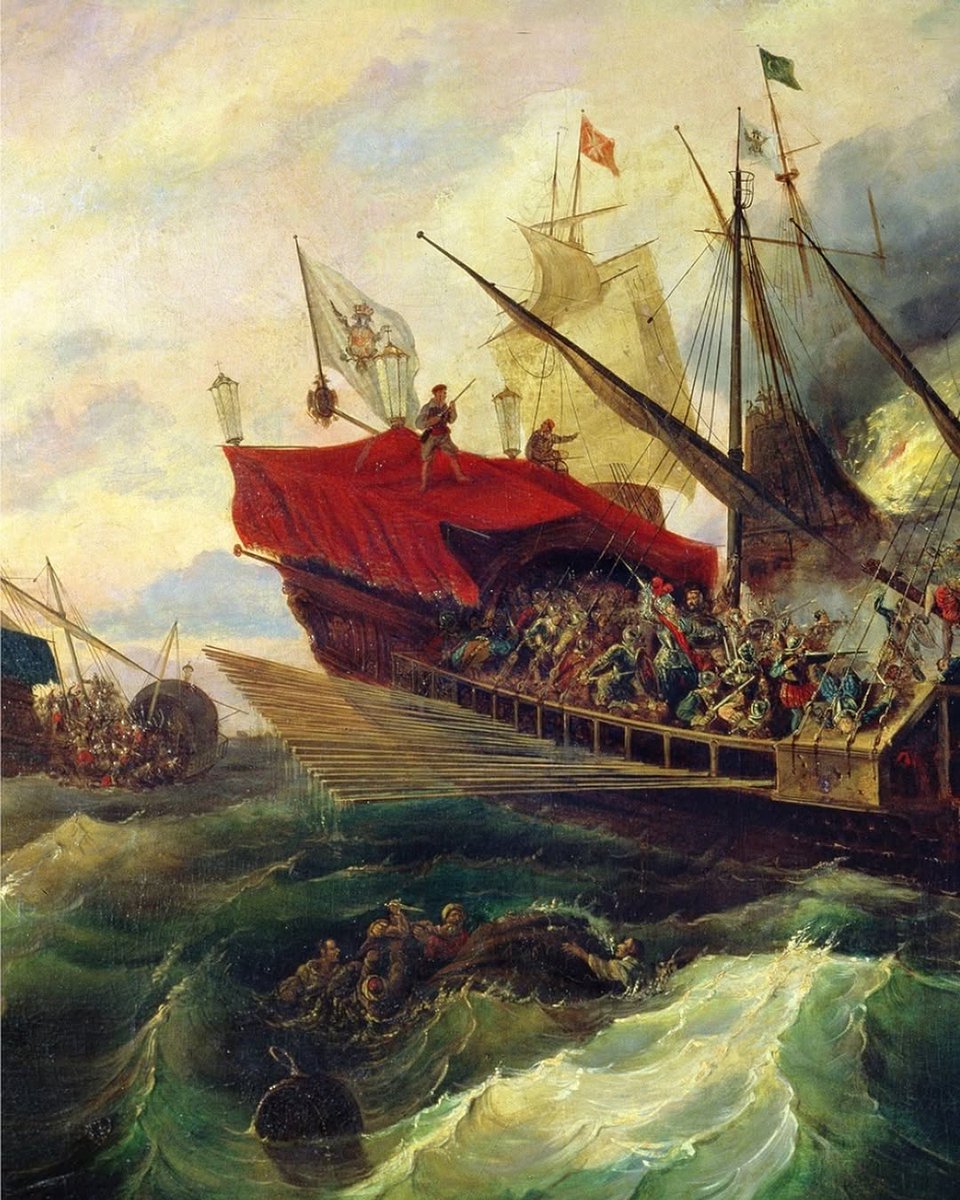
The fighting was brutal.
Ships crashed together, and men fought with swords, pikes, and muskets.
The decks ran red with blood. x.com
Ships crashed together, and men fought with swords, pikes, and muskets.
The decks ran red with blood. x.com
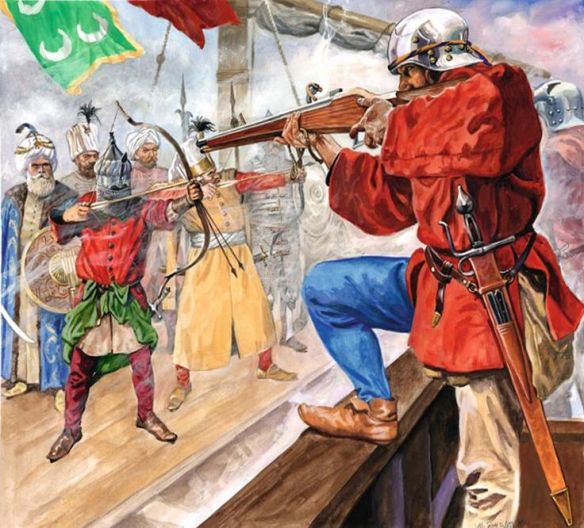
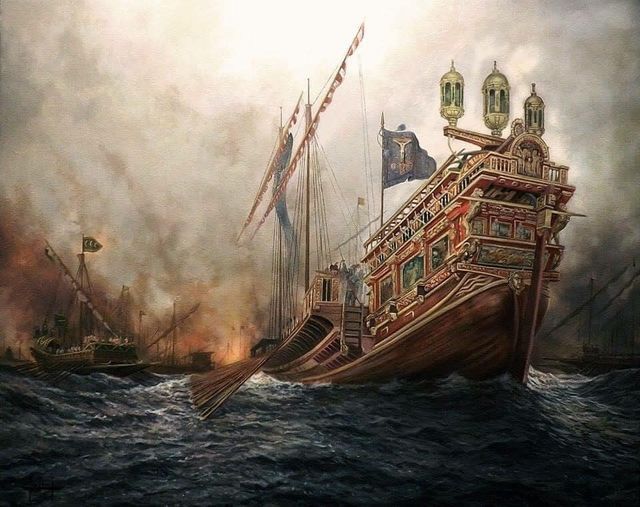
In the center, Don Juan’s flagship, La Real, clashed with Ali Pasha’s flagship.
The two men led their troops personally, fighting among the carnage. x.com
The two men led their troops personally, fighting among the carnage. x.com
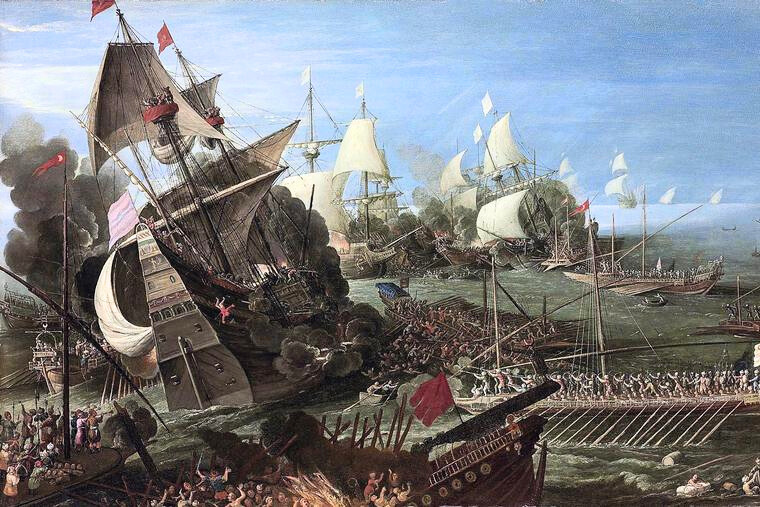
After hours of desperate battle, the tide turned.
Ali Pasha was killed, and his flagship was captured.
The Ottoman center collapsed. x.com
Ali Pasha was killed, and his flagship was captured.
The Ottoman center collapsed. x.com
On the left, the Venetians struggled, but reinforcements arrived just in time.
On the right, the Genoese crushed the Ottoman flank, forcing them into retreat. x.com
On the right, the Genoese crushed the Ottoman flank, forcing them into retreat. x.com
By evening, the battle was over.
The Ottomans lost over 200 ships, either sunk or captured.
25,000 of their men were killed. x.com
The Ottomans lost over 200 ships, either sunk or captured.
25,000 of their men were killed. x.com
The Holy League had won a stunning victory. Though they lost 17 ships and 7,500 men, they shattered Ottoman naval power.
Thousands of Christian slaves, who had been chained to Ottoman oars, were freed. The victory was celebrated across Europe. x.com
Thousands of Christian slaves, who had been chained to Ottoman oars, were freed. The victory was celebrated across Europe. x.com
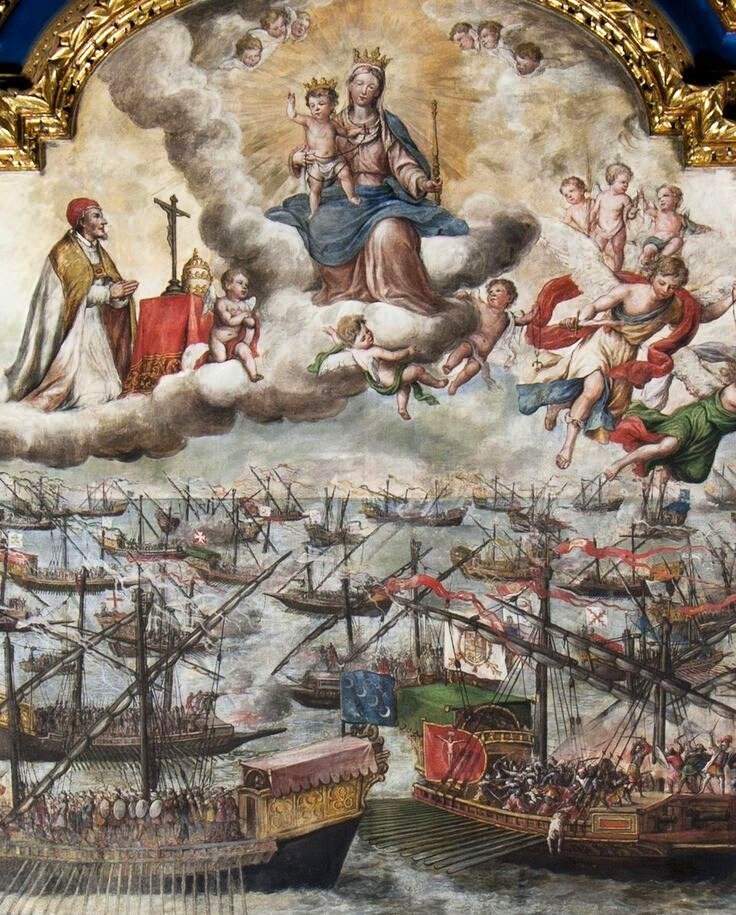
Though the Ottomans rebuilt their navy, they never again dominated the Mediterranean. The myth of their invincibility was broken.
The Battle of Lepanto was the last great clash of oared warships. More than that, it was the moment Christian Europe fought back and won. x.com
The Battle of Lepanto was the last great clash of oared warships. More than that, it was the moment Christian Europe fought back and won. x.com
If you found this thread valuable, please:
✅RT the first tweet and help others find this thread
✅Join 3,900+ others and join my FREE newsletter — it goes deeper on topics like this:
athenaeum.beehiiv.com
✅RT the first tweet and help others find this thread
✅Join 3,900+ others and join my FREE newsletter — it goes deeper on topics like this:
athenaeum.beehiiv.com

Loading suggestions...