

Have you ever heard about Arikamedu?
This ancient Indo-Roman trading port was once a thriving center of global commerce, connecting India to the Mediterranean. Today, it’s a ruin barely anyone knows about.
WTF happened? And why has this port been erased from history?🧵 x.com
This ancient Indo-Roman trading port was once a thriving center of global commerce, connecting India to the Mediterranean. Today, it’s a ruin barely anyone knows about.
WTF happened? And why has this port been erased from history?🧵 x.com

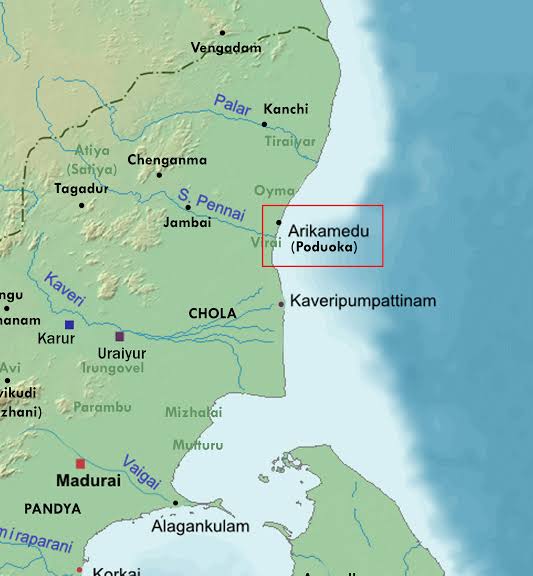
Nestled between Veerampattinam Beach and the Ariyankuppam River are the remnants of an ancient port city once known as Podouke, mentioned in the 1st-century Periplus of the Erythraean Sea. x.com

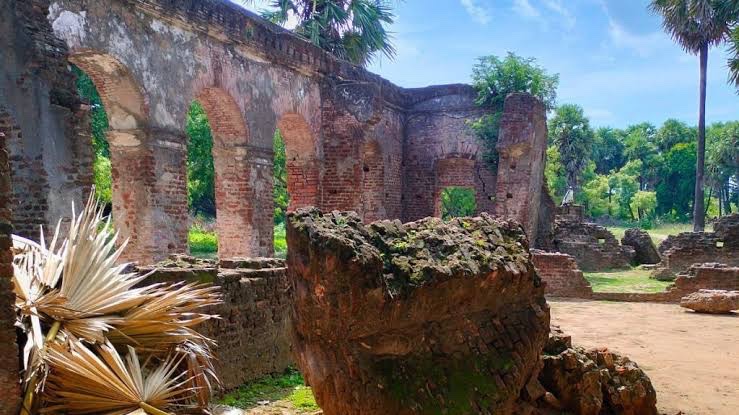
Over centuries, this trade hub evolved into what we now call Arikamedu, meaning “Mound of Arakan,” referring to a Jain Tirthankara Mahavira figurine found there.
It’s also linked to Virampattinam, meaning “Port of Virai.” x.com
It’s also linked to Virampattinam, meaning “Port of Virai.” x.com
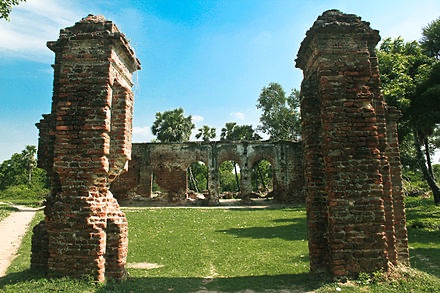
Virampattinam was a neighbouring village known in Sangam literature for its port & salt pans during the Velir dynasty.
Poduke is the Roman name for the site, possibly a corruption of the Tamil Potikai, meaning “meeting place,” also associated with the local Poduvar clan. x.com
Poduke is the Roman name for the site, possibly a corruption of the Tamil Potikai, meaning “meeting place,” also associated with the local Poduvar clan. x.com

The site first caught European attention in the late 1700s when French astronomer Guillaume Le Gentil wrote about its towering walls, large tanks & river embankment. x.com

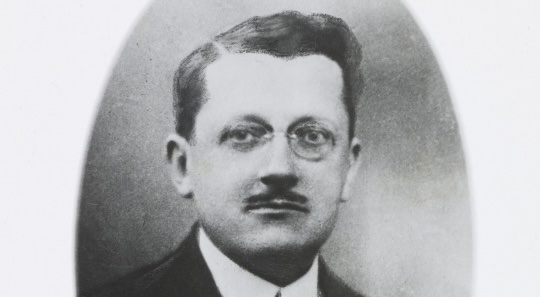
But real archaeological interest didn’t kick off until 1941, when French archaeologist G. Jouveau-Dubreuil linked the site to Podouke & called it “a true Roman city.”
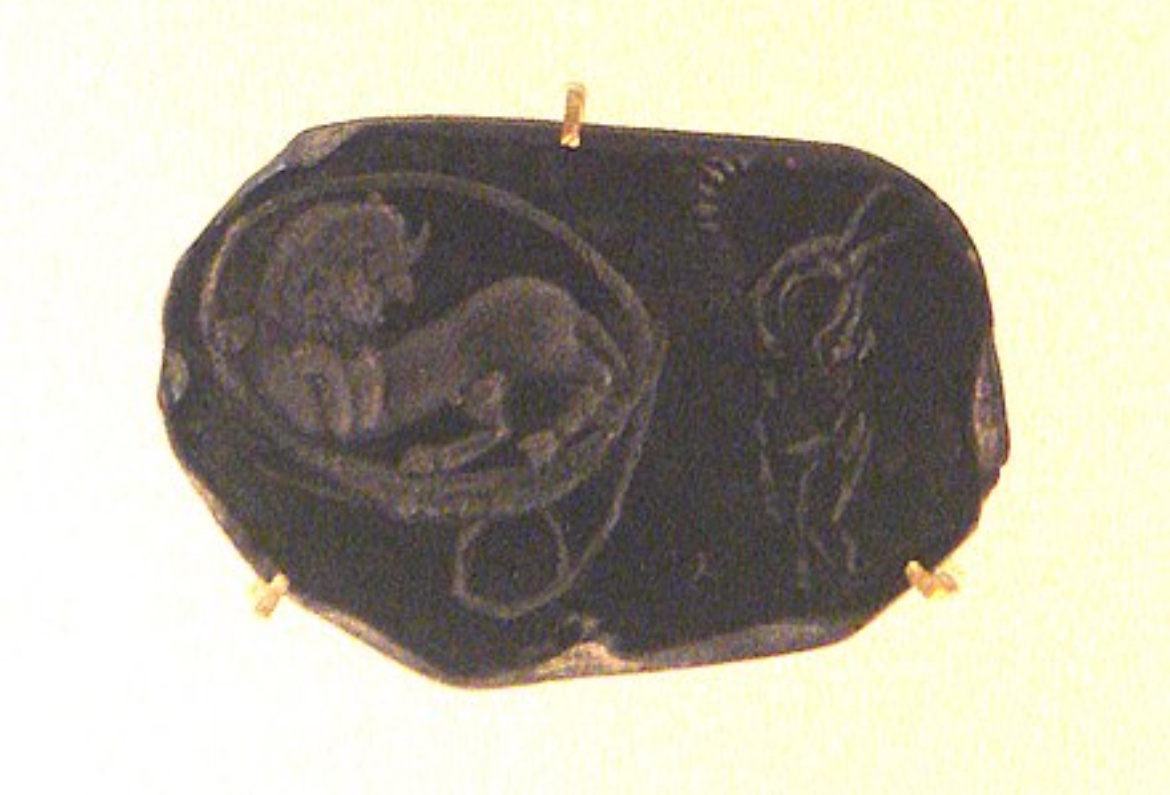
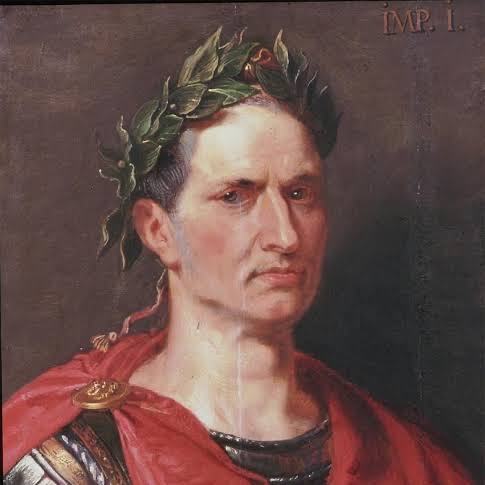
Early digs turned up fascinating artifacts—beads, gemstones & even an intaglio bead featuring Augustus’ head. x.com
Early digs turned up fascinating artifacts—beads, gemstones & even an intaglio bead featuring Augustus’ head. x.com
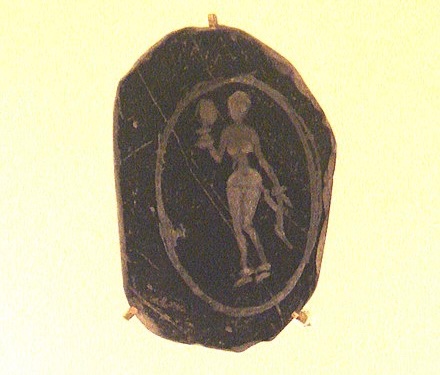
These finds sparked curiosity among local French residents, leading to a wave of amateur treasure hunting.
While their enthusiasm was great for collecting trinkets so as to show it off to their friends, it did little to piece together the past. x.com
While their enthusiasm was great for collecting trinkets so as to show it off to their friends, it did little to piece together the past. x.com
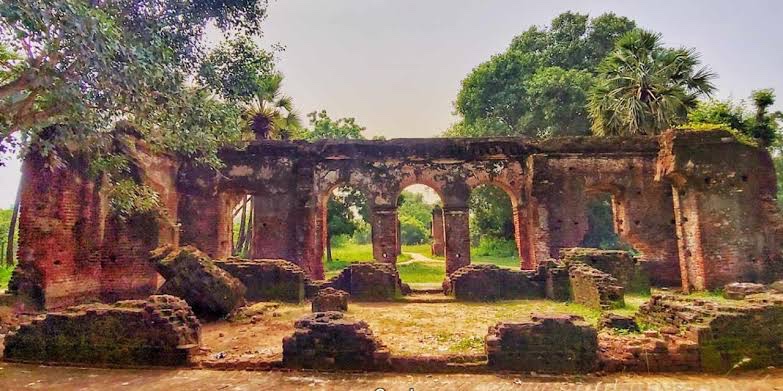
That changed in 1945, when Mortimer Wheeler took over as Director General of the Archaeological Survey of India (ASI) and led the first major excavation.
By the time he arrived, Arikamedu had already suffered from looting & disturbances caused by local rice & coconut farming. x.com
By the time he arrived, Arikamedu had already suffered from looting & disturbances caused by local rice & coconut farming. x.com

Despite this, his excavation uncovered a massive warehouse built with bricks & lime mortar, stretching over 45 meters.
He also classified three key types of pottery that became crucial for dating these sites: x.com
He also classified three key types of pottery that became crucial for dating these sites: x.com

> Arretine Ware – high-quality red-glazed pottery from the Mediterranean, found in fragments.
> Amphorae – tall, two-handled jars the Romans used to store wine & oil.
> Rouletted Ware – distinctive black or grey dishes with a decorated base, featuring a characteristic design. x.com
> Amphorae – tall, two-handled jars the Romans used to store wine & oil.
> Rouletted Ware – distinctive black or grey dishes with a decorated base, featuring a characteristic design. x.com
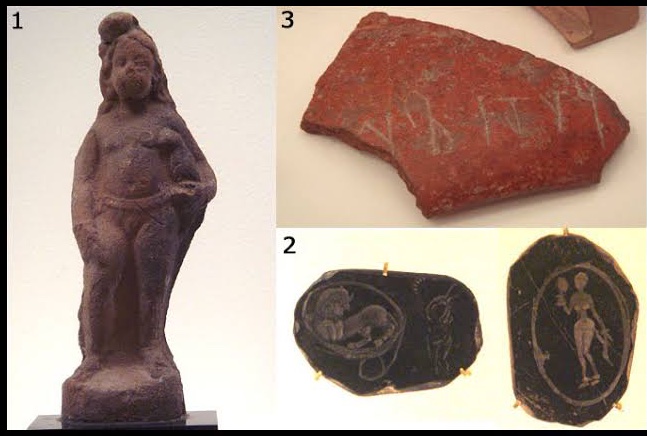
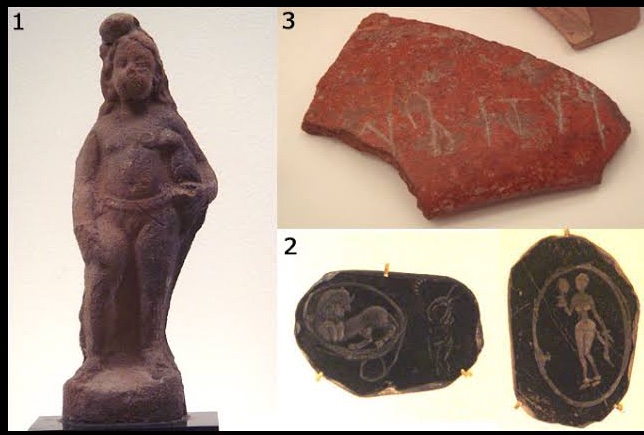
Alongside these, Wheeler unearthed Roman glass beads, terracotta figurines, and coins, reinforcing Arikamedu’s role as a major trade link.
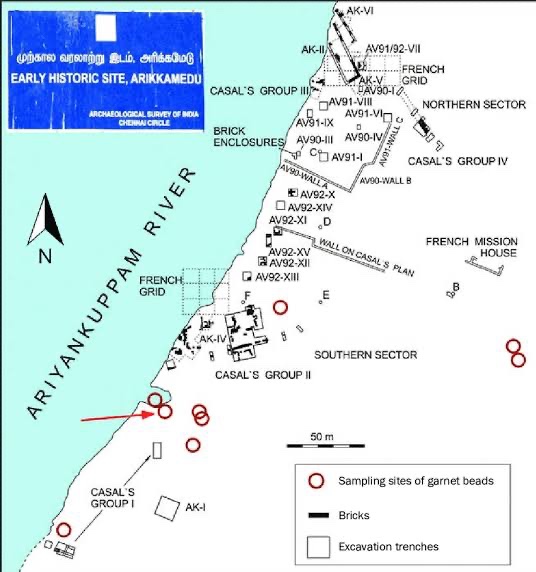
He divided the site into two zones: the northern part, believed to be the harbour, and the southern, an industrial settlement. x.com
He divided the site into two zones: the northern part, believed to be the harbour, and the southern, an industrial settlement. x.com
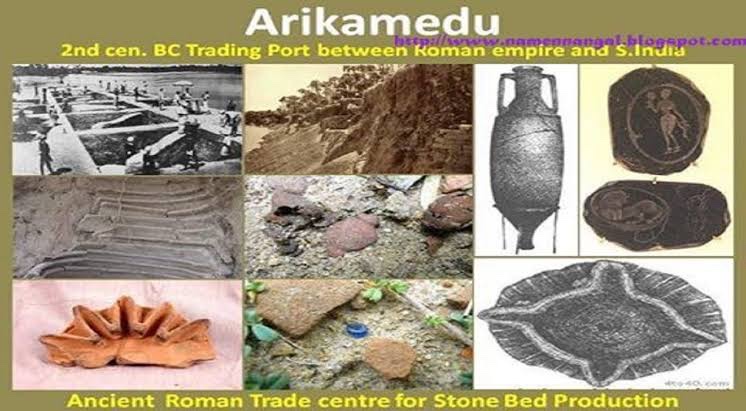
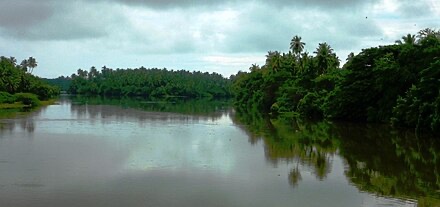
Ceramic cookware in the northern sector hints at mass feeding of sailors & traders. By the late 2nd century BCE, wine in amphorae was a major import from the West.
Buildings in the northern mound suggest urbanisation with a mix of Indian & non-Indian residents. x.com
Buildings in the northern mound suggest urbanisation with a mix of Indian & non-Indian residents. x.com
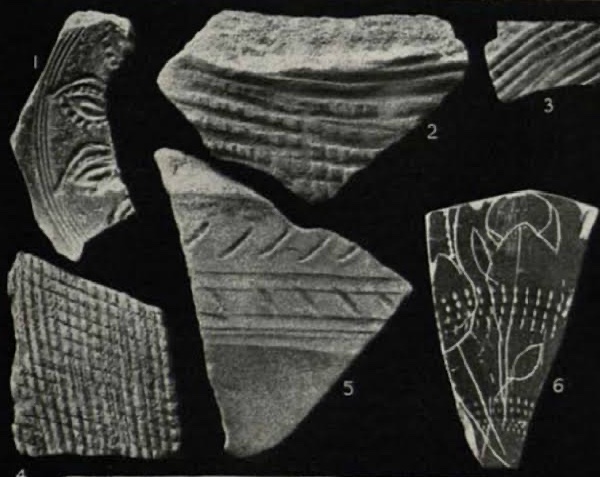
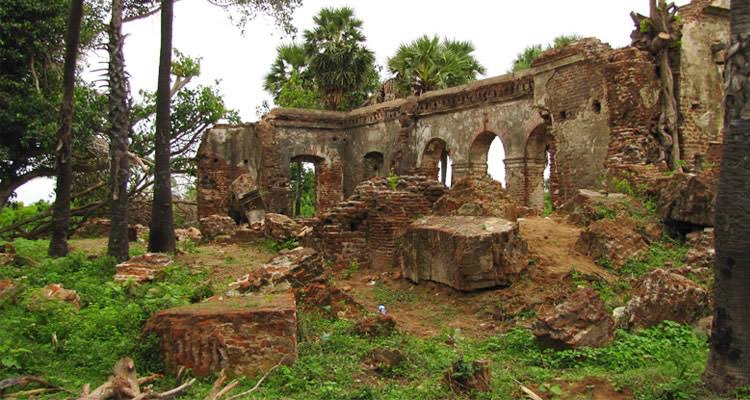
The site yielded a few idols, indicating ancient Tamils practiced Hinduism.
H. D. Sankalia noted that Arikamedu was a rare find, even uncovering a Brahma statue—something not seen in northern India. Other Hindu deity idols were also discovered. x.com
H. D. Sankalia noted that Arikamedu was a rare find, even uncovering a Brahma statue—something not seen in northern India. Other Hindu deity idols were also discovered. x.com

Wheeler also dug up some Chinese celadon from the Song-Yuan dynasty, along with Chola coins dating back to the eleventh century.
But he just dismissed them as either junk left behind by looters or stuff that just didn’t belong. x.com
But he just dismissed them as either junk left behind by looters or stuff that just didn’t belong. x.com
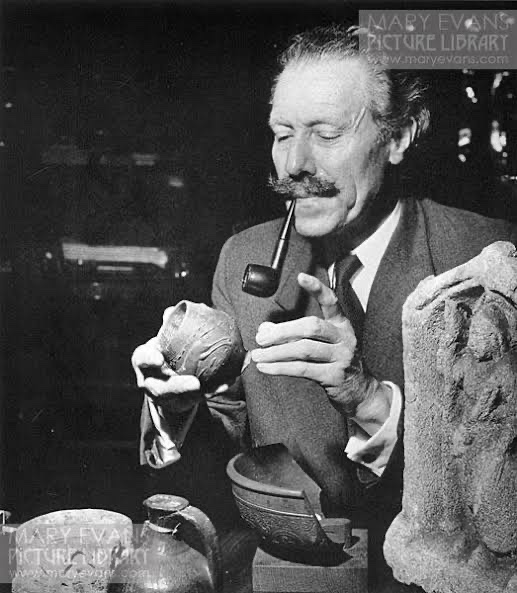
Wheeler’s conclusion? Arikamedu was a Greek (Yavana) trading post that traded with Rome, starting during the reign of Augustus Caesar, & that it flourished for about 300 years, from 100 BCE to 200 CE.
But archaeology’s never that simple. Later digs would prove him fully wrong. x.com
But archaeology’s never that simple. Later digs would prove him fully wrong. x.com
Before we dive further into Arikamedu, don’t forget to check out our official new YouTube channel here for more such insightful content:
youtube.com
youtube.com

French archaeologist Jean-Marie Casal followed up with excavations from 1947 to 1950, pushing back the site’s timeline.
He found connections between Arikamedu & Megalithic burials in Suthukeny, along with evidence of continuous occupation into the medieval Chola period. x.com
He found connections between Arikamedu & Megalithic burials in Suthukeny, along with evidence of continuous occupation into the medieval Chola period. x.com

His discoveries included Black and Red Ware linked to the Iron Age, textile dyeing tanks, pozzolana cement, and sigillata pottery.
Then, after a long hiatus, archaeologist Vimala Begley re-excavated the site between 1989 and 1992. x.com
Then, after a long hiatus, archaeologist Vimala Begley re-excavated the site between 1989 and 1992. x.com

This pushed the settlement’s origins even further back to around 300 BCE & suggested it remained occupied well into medieval times. There was even evidence of reoccupation in the 1800s.
Conclusion? Arikamedu wasn’t any fleeting port. It had a lifespan stretching over millennia. x.com
Conclusion? Arikamedu wasn’t any fleeting port. It had a lifespan stretching over millennia. x.com
In 2004, the Pondicherry Administration & the Italian Embassy proposed a plan to conserve Arikamedu, recognizing its importance in Indo-Roman history.
The idea? Get it listed as a UNESCO World Heritage Site under the Silk Route Sites in India project. x.com
The idea? Get it listed as a UNESCO World Heritage Site under the Silk Route Sites in India project. x.com
The ASI took the lead, acquiring swathes of land and drafting a master plan. The vision included fresh excavations, conservation of trenches, and a site museum.
That was 20 years ago. Nothing has happened since then. Quite literally. Nothing. x.com
That was 20 years ago. Nothing has happened since then. Quite literally. Nothing. x.com
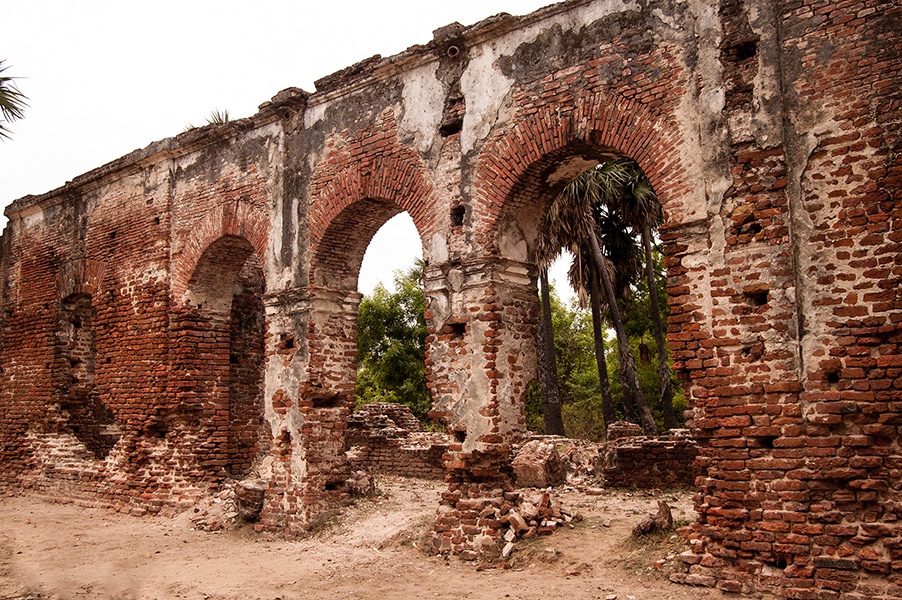
Today, Arikamedu isn’t even on Puducherry’s tourism radar.
The drive to the site is just a few miles, but once you turn onto Arikamedu Road, you’re on your own.
No signs, no directions—just a narrow, dusty path winding through trees. x.com
The drive to the site is just a few miles, but once you turn onto Arikamedu Road, you’re on your own.
No signs, no directions—just a narrow, dusty path winding through trees. x.com
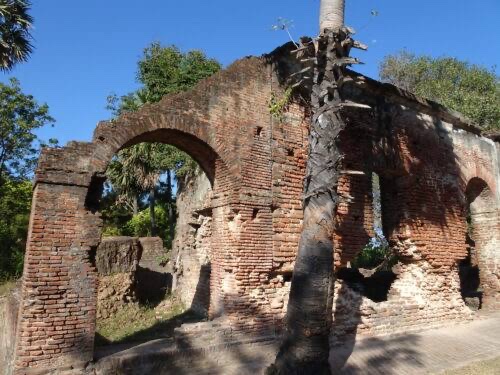
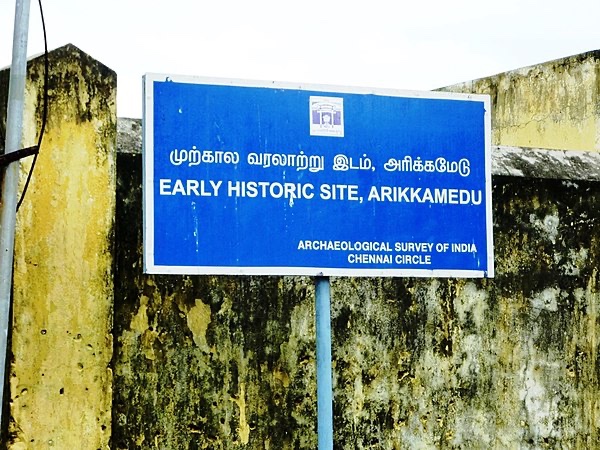
Eventually, you’ll spot a single ASI sign marking the site’s protected status. That’s it.
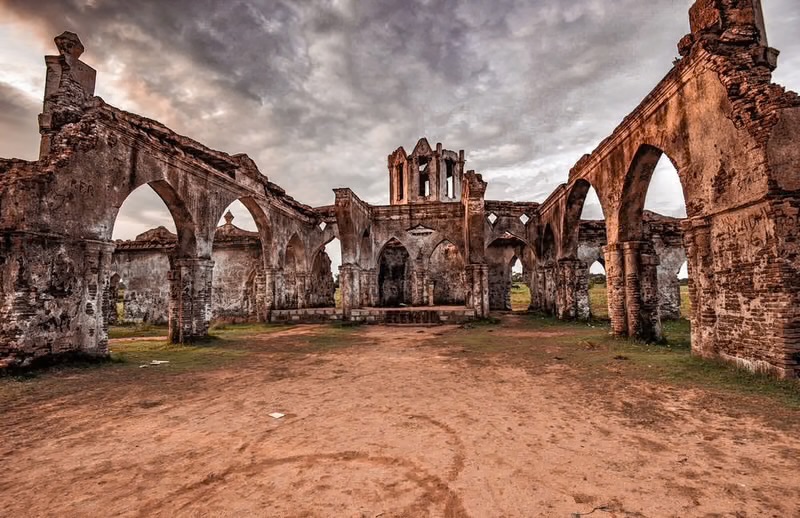
Near the sign, the crumbling remains of Arikamedu sit in silence, forgotten by almost everyone except the archaeologists who tried to save it. x.com
Near the sign, the crumbling remains of Arikamedu sit in silence, forgotten by almost everyone except the archaeologists who tried to save it. x.com
That's a wrap! If you enjoyed this thread:
1. Follow me @CultChron for more of these informative threads.
2. Retweet the thread to spread the word!
3. Check out our Substack page here: cultchron.substack.com
Until then, goodbye!
x.com
1. Follow me @CultChron for more of these informative threads.
2. Retweet the thread to spread the word!
3. Check out our Substack page here: cultchron.substack.com
Until then, goodbye!
x.com

Loading suggestions...