

It is time for a thread on traditional urbanism, or town planning 13th century style. I will dispel some myths of modern dis-urbanism.
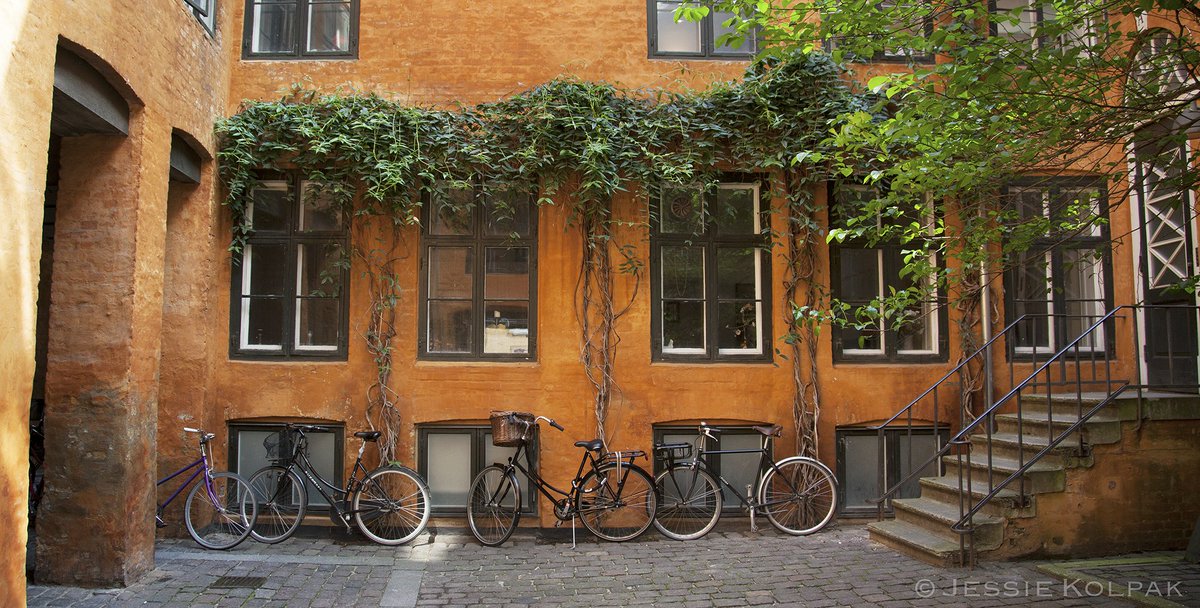
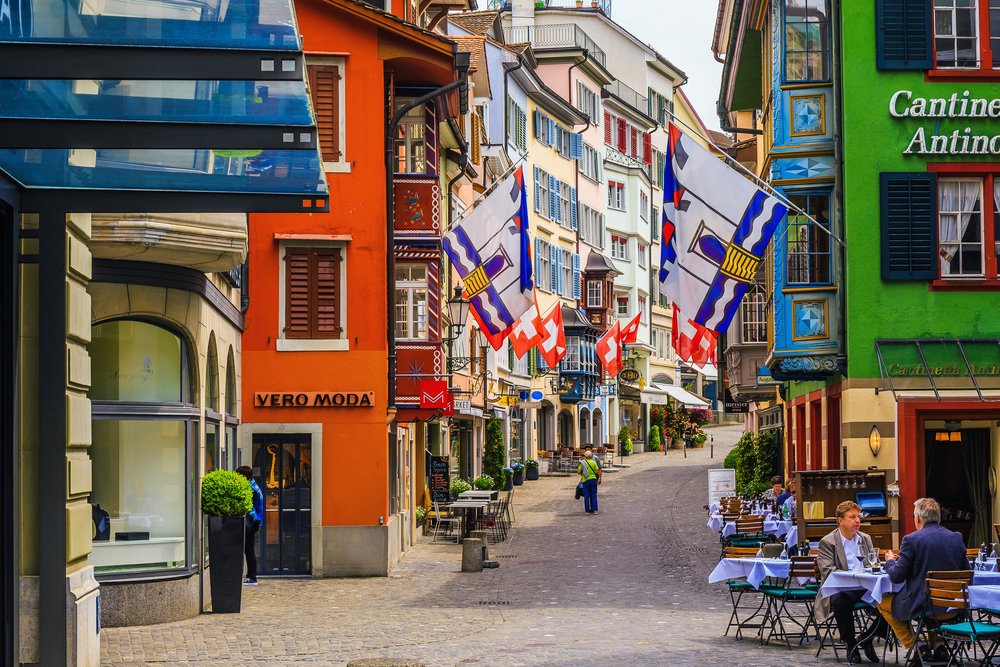
Traditional urbanism has short blocks. No building takes more than 3-4 seconds to walk past, providing interesting colors, shops, textures.
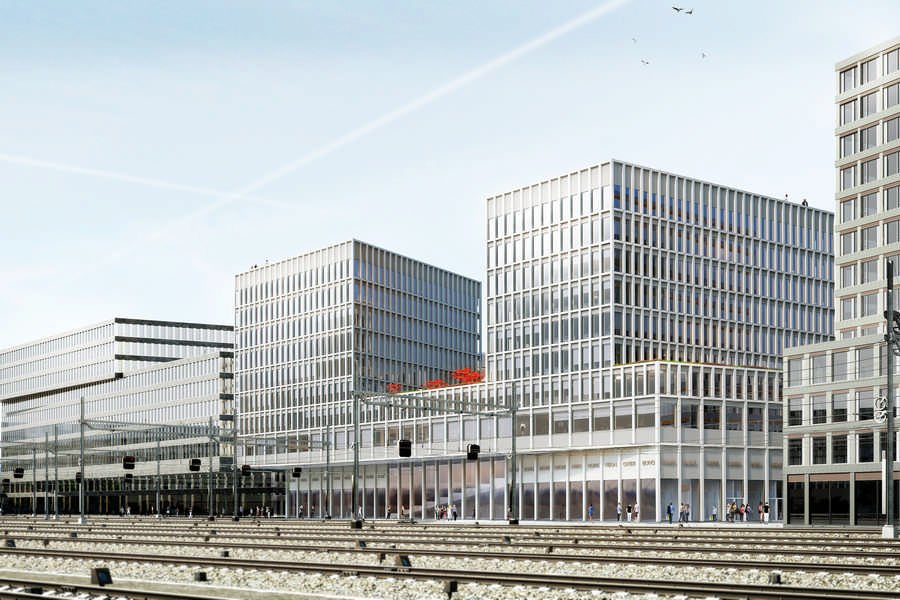
Modern dis-urbanism means massive buildings, long block: takes minutes to walk past with nothing to distract or relieve the tedium. (Zürich)
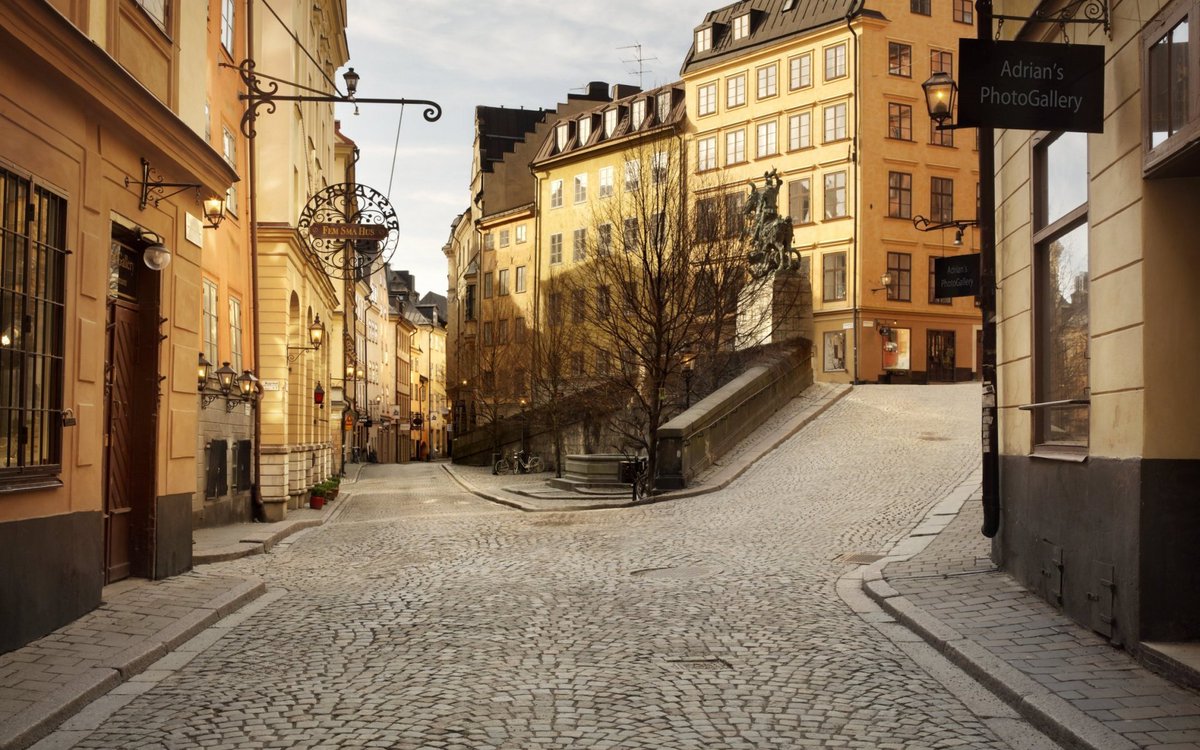
Traditional towns built with terrain: hills, valleys, stairs, steps, corners, odd squares. Landscaping unnecessary/uneconomical. (Stockholm)
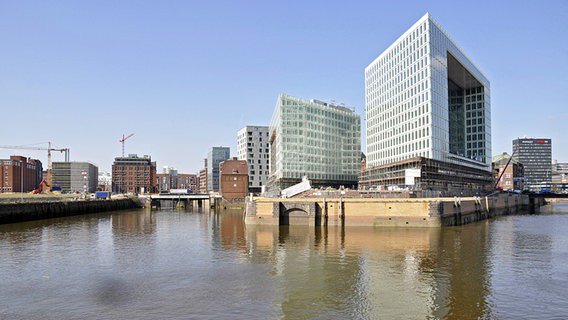
Modern dis-urbanism has buildings/houses separated, apart, at best standing-off across wide streets, making community impossible. (Hamburg)
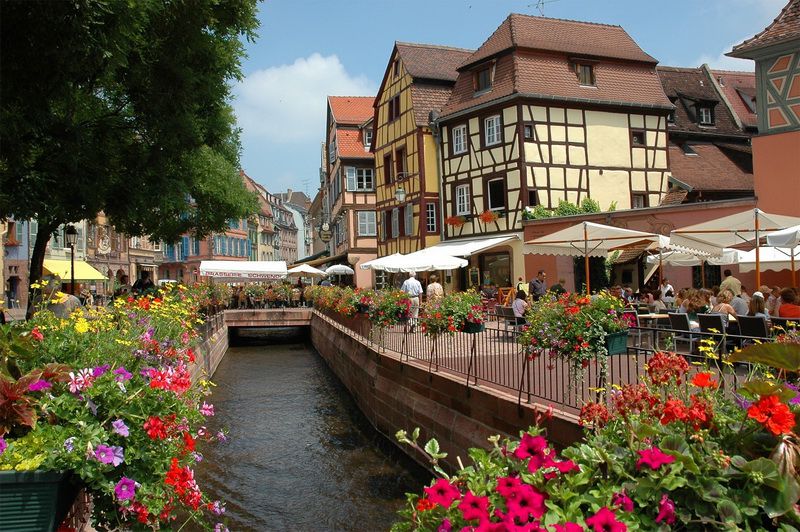
Traditional urbanism means buildings are tight, close, interlocking and over-looking, often built right into their neighbors. (Colmar)
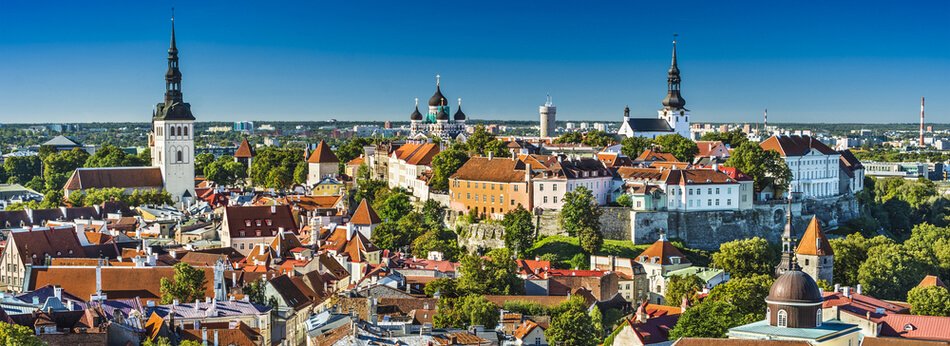
Traditional urbanism naturally limited the number of floors rather than the height: variation. More sun means possibility of denser cities.
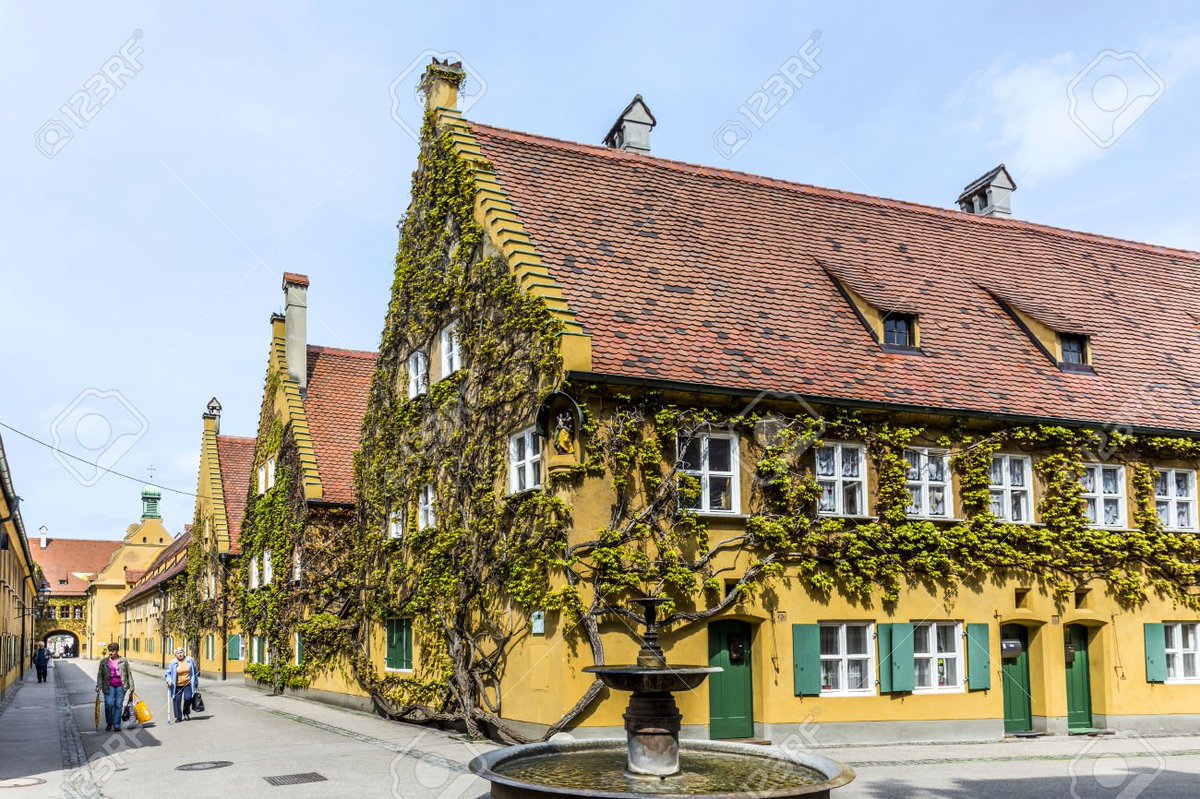
Warning: Introducing "social housing" into your town = injecting cancer in your body. Only to be attempted with strict rules (Fuggerei 1516)
Traditional urbanism means a multitude of transport systems, not the monoculture of modern dis-urbanism. Canals open up and connect (Fyn).
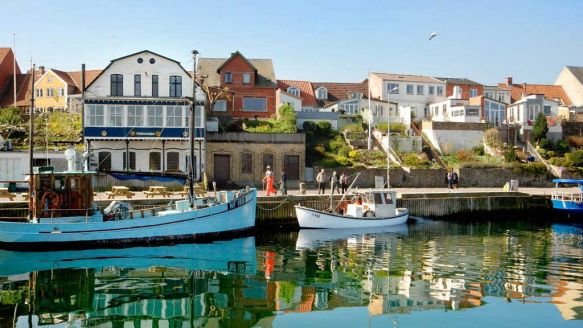
Traditional urbanism means building on street level, right out into the street. No wastage! Can't get more bang for your rigsdaler. (Aarhus)

Lower buildings and tight front streets means opportunity for small back gardens, inner yards: use for economic, gardening or recreation.
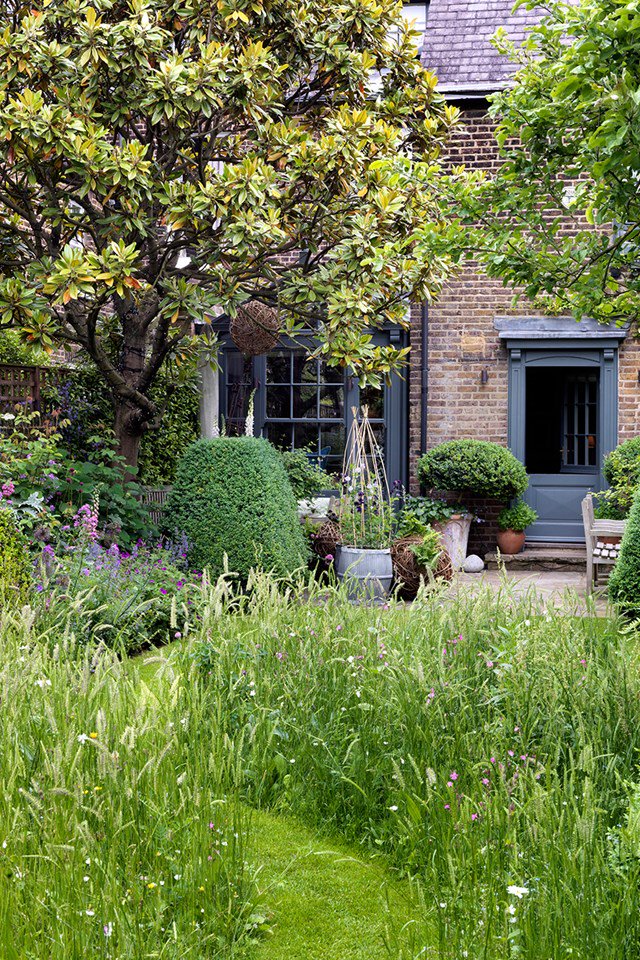
Bonus: Traditional urbanism is a boon for local economy, instantly recognizable and a magnet for tourists. Can this be anywhere but Irkutsk?
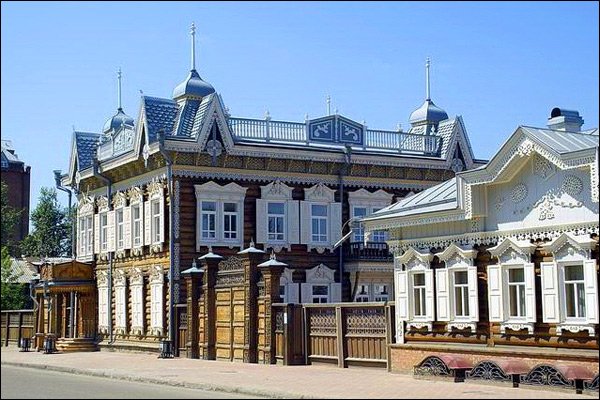
@John_Ryby And the paradox is that the more "privacy" we have gotten the more we have lost (time cards, Facebook, social security numbers" etc.).
Street layout is important in how a town is experienced. In fairness I use only photos from Stockholm Old Town, pop. 3000. Sweden. Let's go!
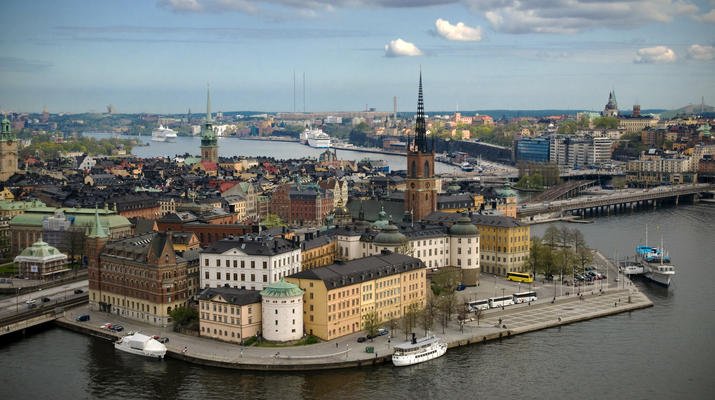
Long streets that go on and on without any obvious end feel un-focused. These are only defensible as boulevards, towards a monumental bldg.
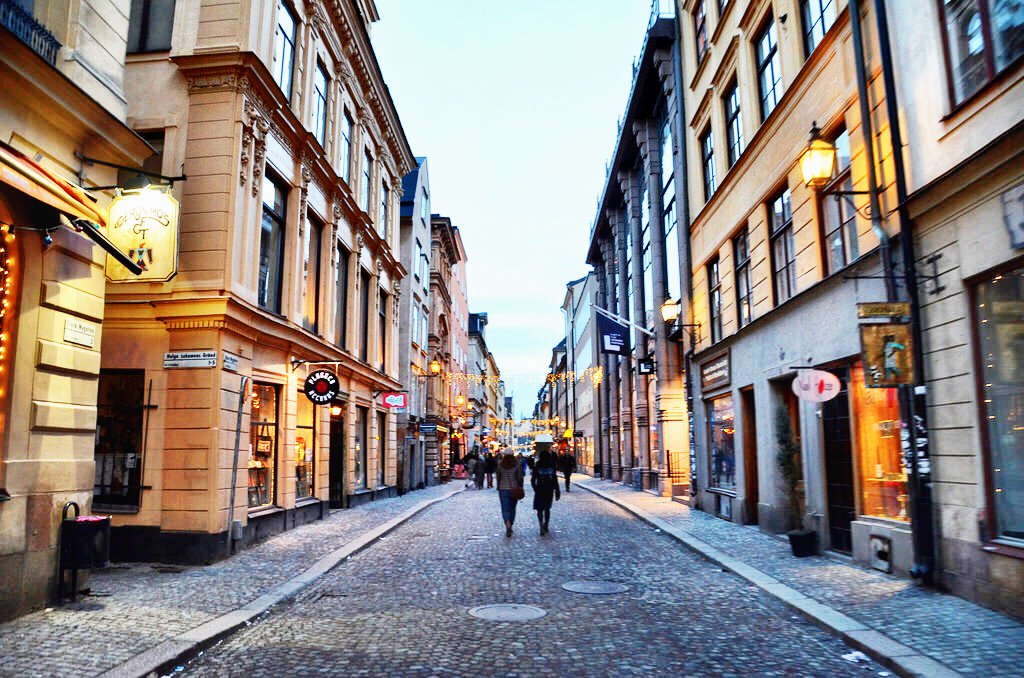
Long streets are best when slightly turned or twisted, combined with interesting ground floors they become attractive rather than corridors.
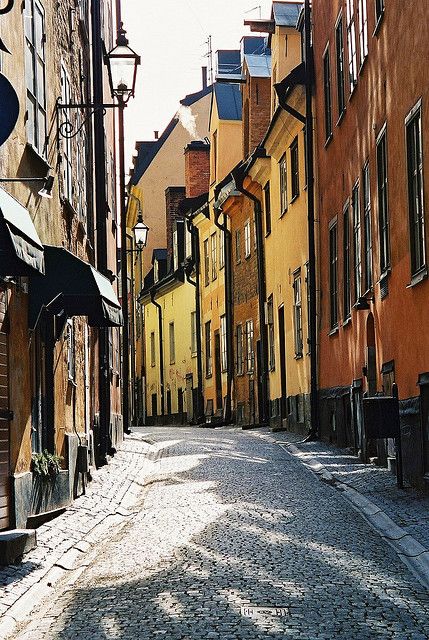
The best long streets are not straight, and always focused on something: in this case a parish church provides an interesting focal point.
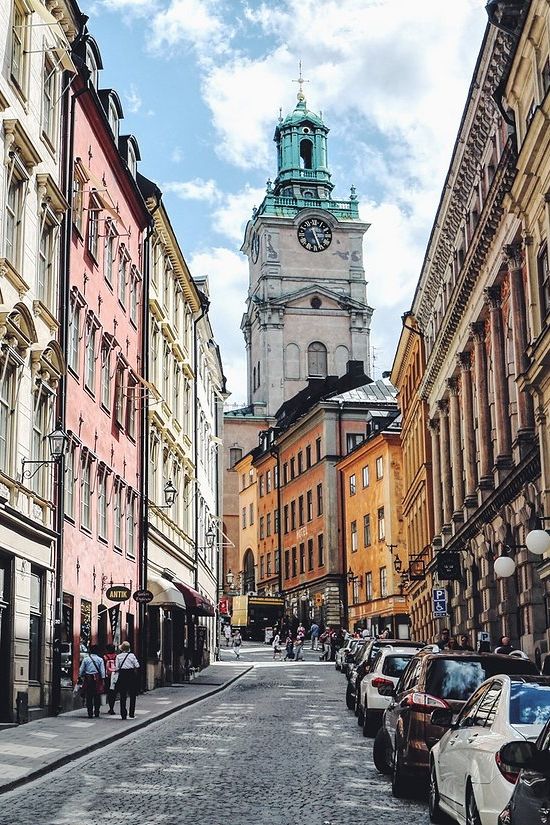
Combine turning streets with interesting ground floors and focal points, and you get that most sought after and magical thing: a real place.
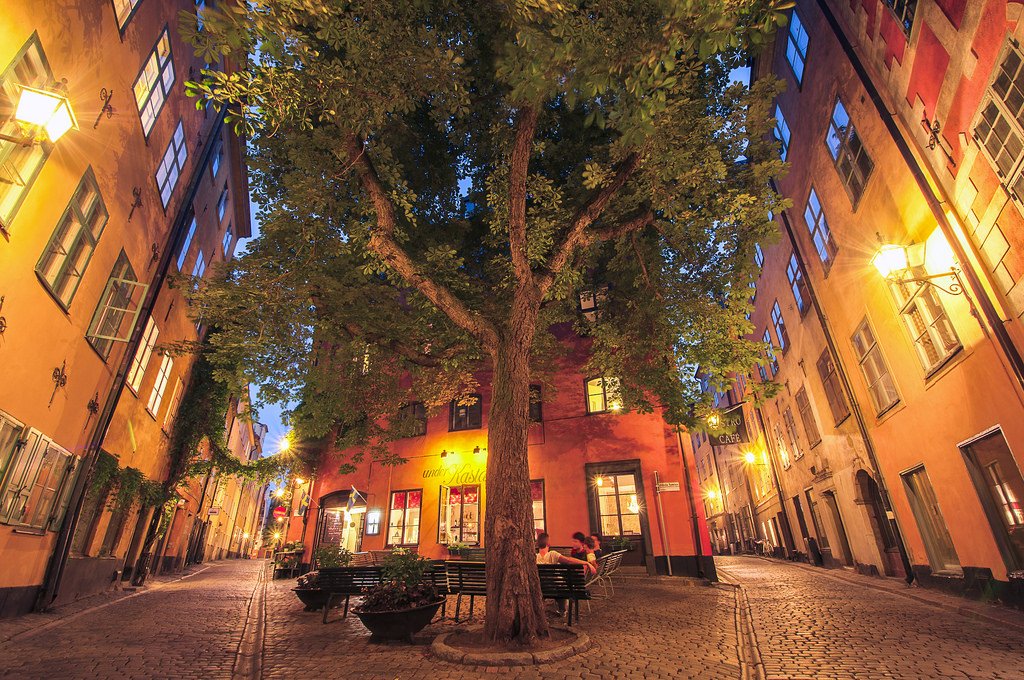
@RealAlNicholson Very good likeness.
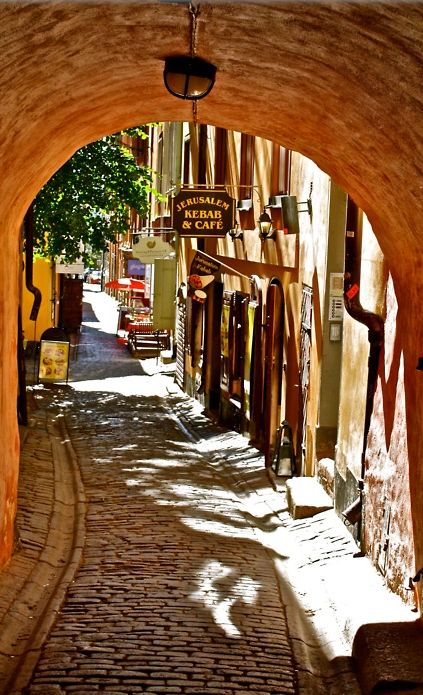
To continue: not all streets need to be run of the mill streets. Some streets can be tunnels...
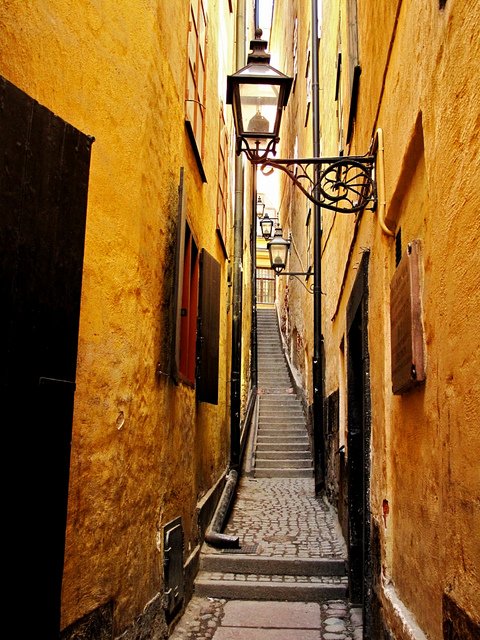
...others can be stairs.
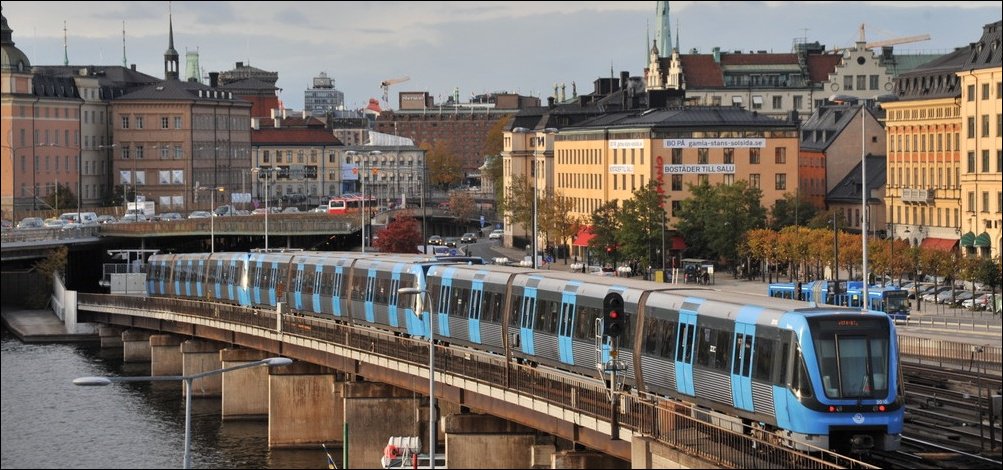
Traditional towns require almost little or no public transport. Stockholm Old town has one single subway station connecting it to the City.
Like many old towns it is located on an island (others are built like islands). Two ferry lines service it, with boats from picturesque...
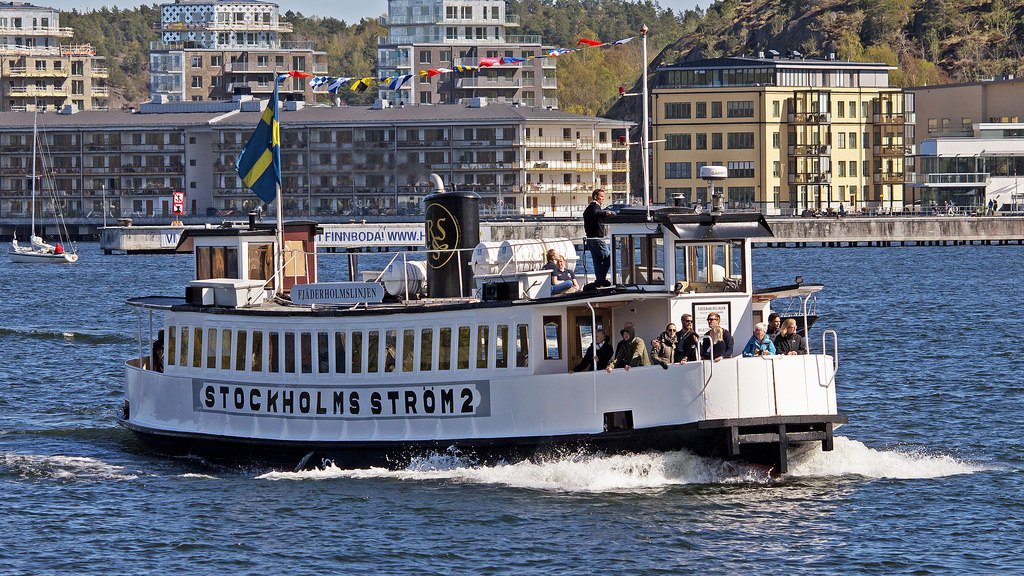
...to downright gorgeous.
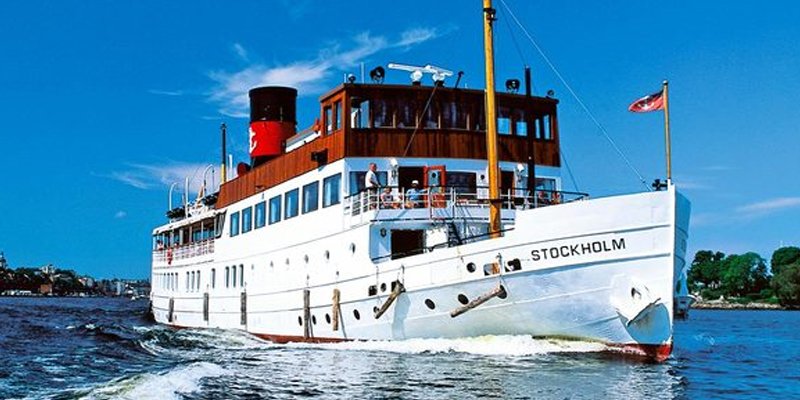
With 3000 inhabitants, you can walk to any point in less than 12 minutes, making cars useless (there are less than 400 parking spaces).
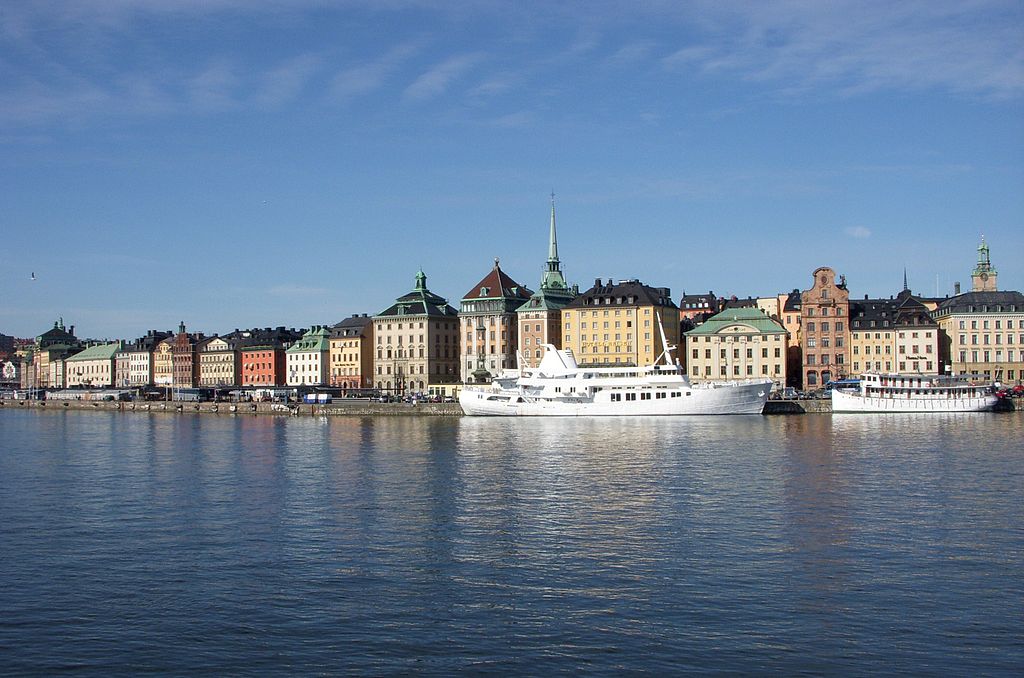
@idorts Wide avenues have been going on since Roman times. There are good wide avenues and bad wide avenues.
@ChristineEmba When we try to make good cities we go for universals, not particulars, obsessed with 1 sizefitsall, we look up when we should look down. 2/2
So far I have covered how we experience traditional urbanism (streets, layout etc.), let's have a look at how it evolves, grows up: plots.
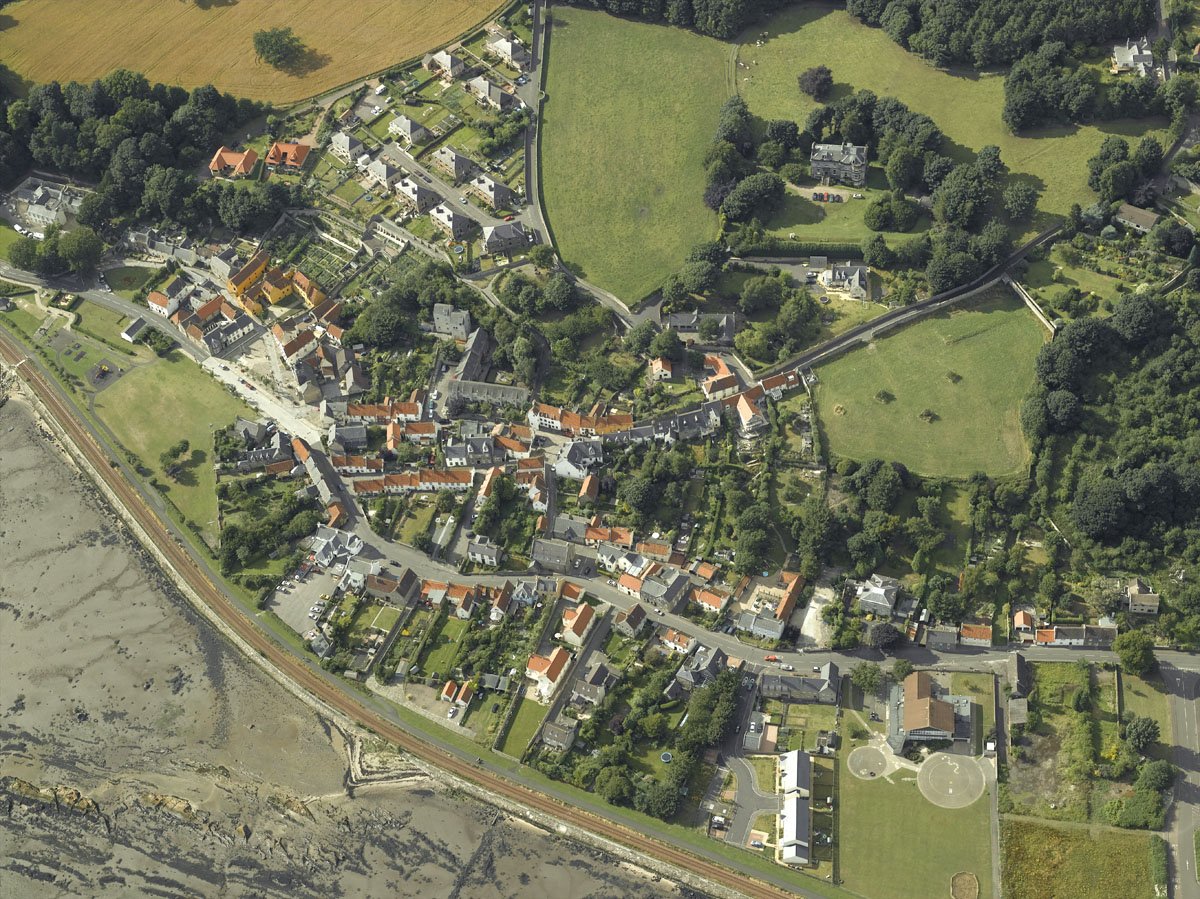
Modern urbanism builds from the center of the plots and builds only fully realized structures, like with fossils, no evolution is possible.
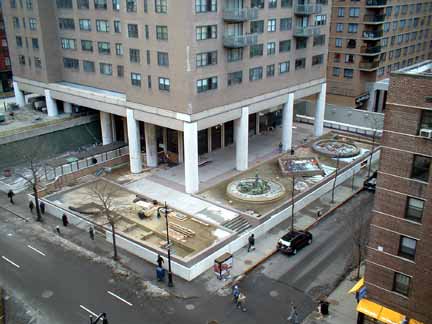
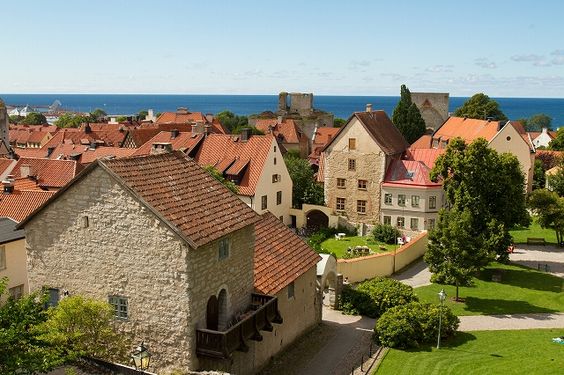
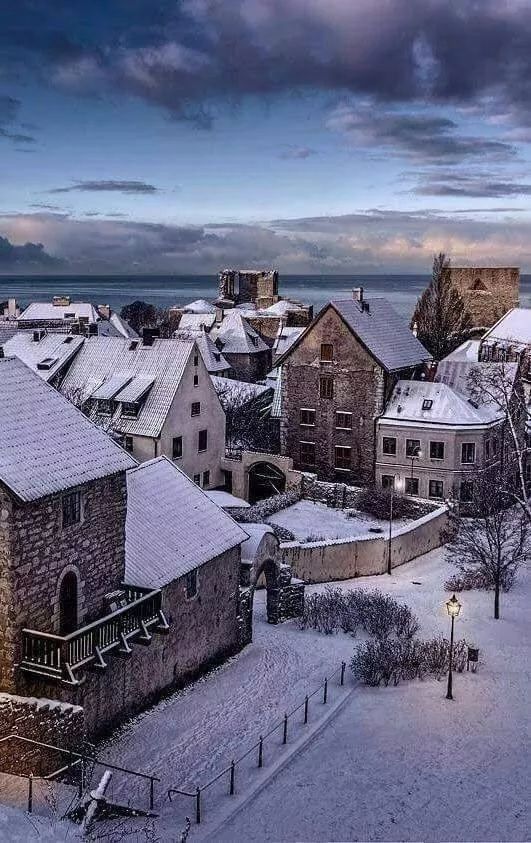
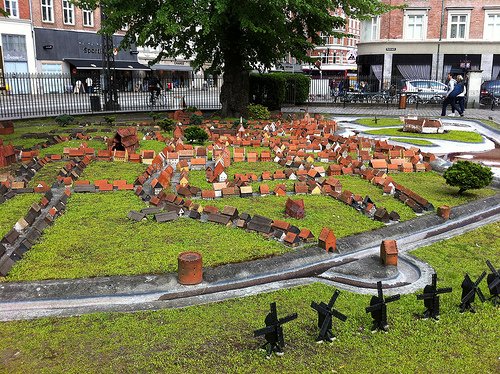
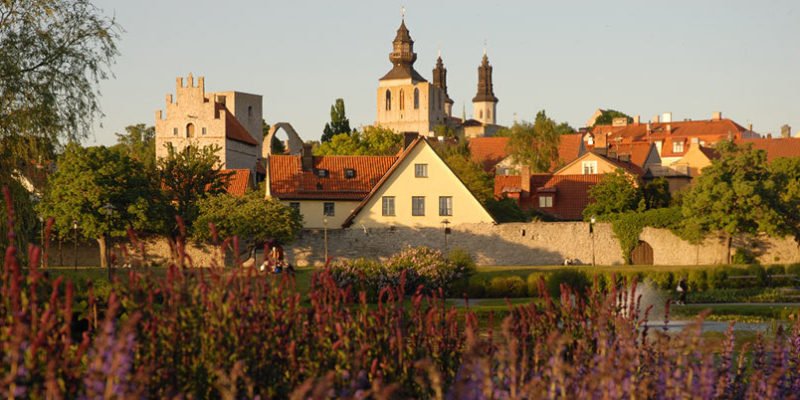
Traditional urbanism starts right at the edge of the street, eventually only the center will be "open" (see Visby: mature 13th c. plots).
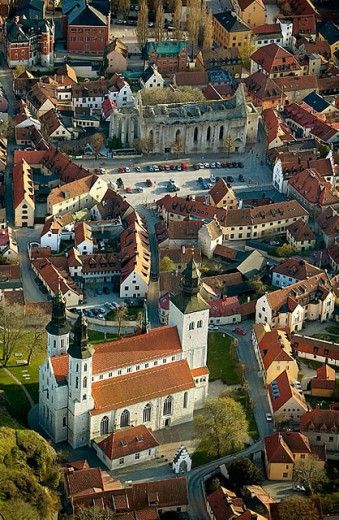
The buildings grow together, in shape, form, material, height, usage, organically over the centuries. No plot or bldg. is out of place.
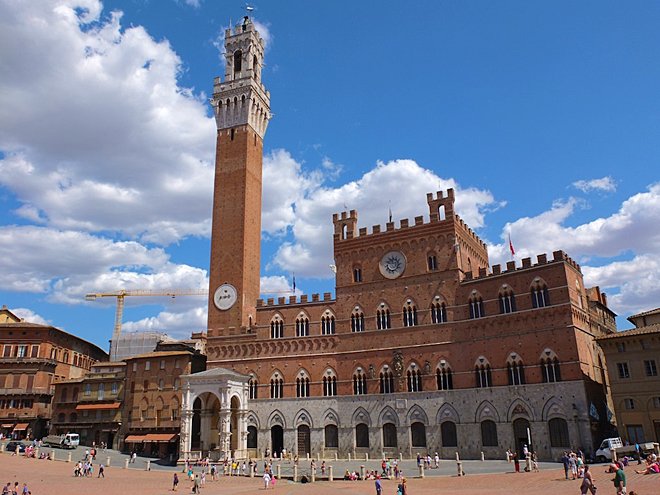
Individual bldgs can be started small, grow towards the back, up. This bldg. in Siena was added to, improved, enlarged, from 13th to 21st c.
Modern Urbanism relies on bldgs like the “Shard”, there is nothing you could do to add or improve on this; it can only decay from here on.
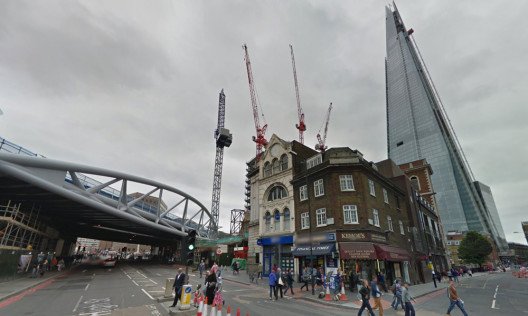
Traditional Urbanism means an unruly but captivating organic mix of eras, densities, purposes and material: ecological and sustainable.
(It is really hard to illustrate plot evolution using photos of existing cities but this model of medieval Copenhagen does the job well.)
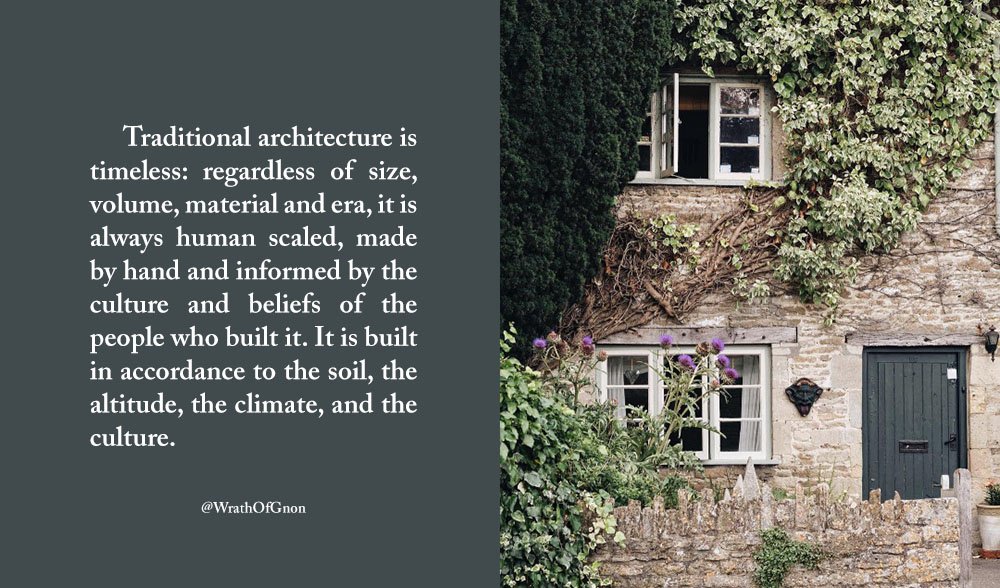
Traditional architecture is timeless: regardless of size, material and era, it is always human scaled and made by hand.
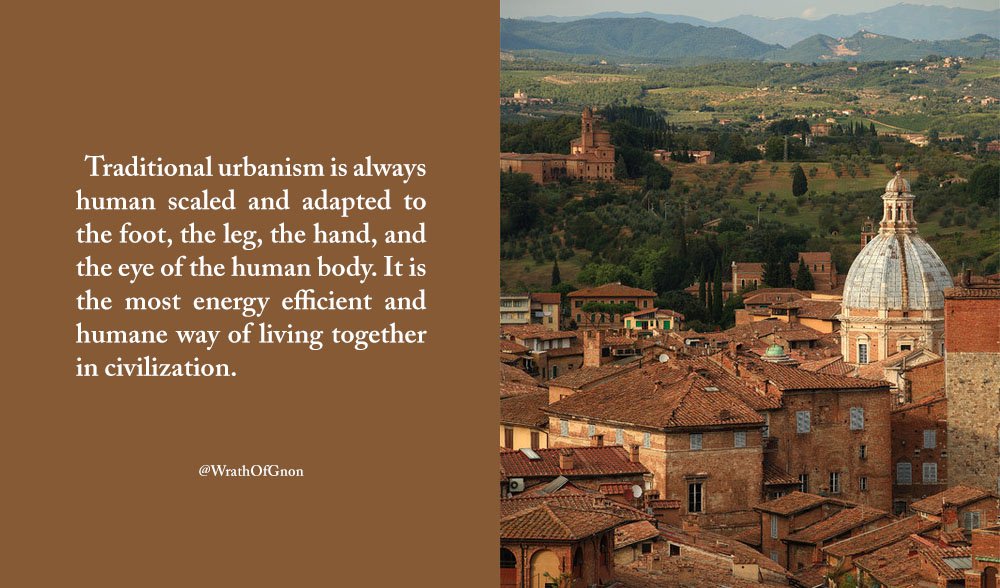
Traditional urbanism is always human scaled. It is the most energy efficient and human view of living together in civilization.
An important difference between traditional and modernist cities are the usees of color. Let's have a look! (This is Bergen, Norway)
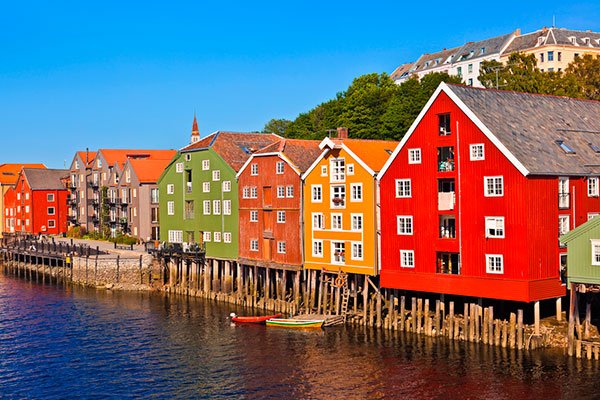
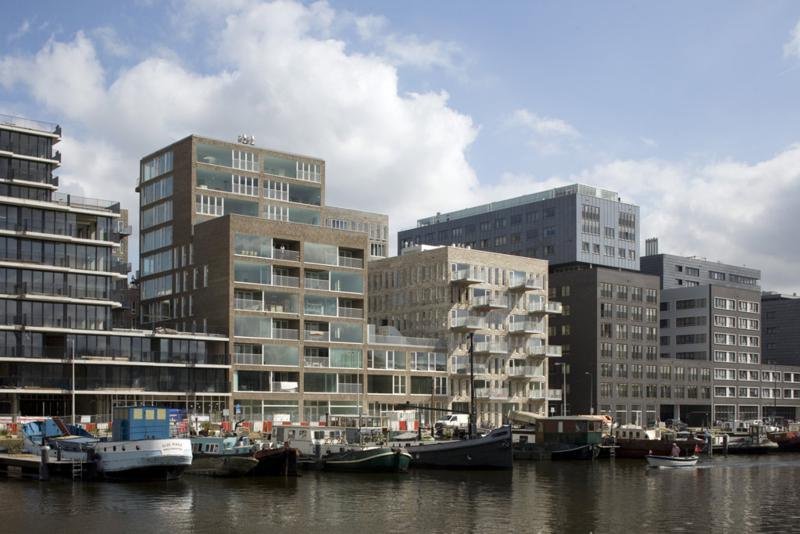
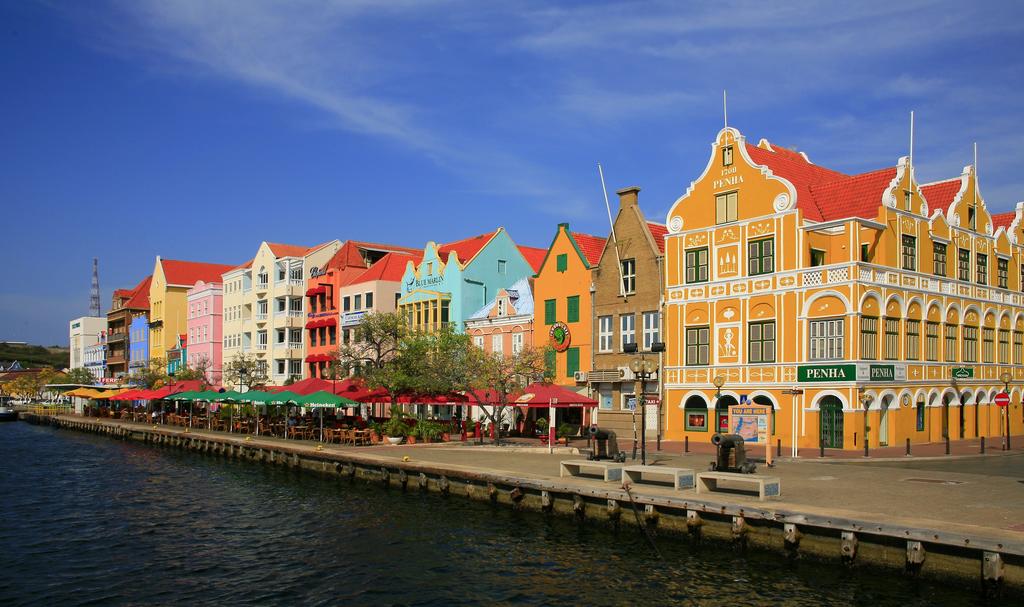
Modernists abhorred colors for ideological reasons, and built only in the "honest" grey, white, black, beige.
The result we can see here, in two Dutch waterfronts: modern Amsterdam, Holland and traditional Willemstad, Curaçao, in the Lesser Antilles.
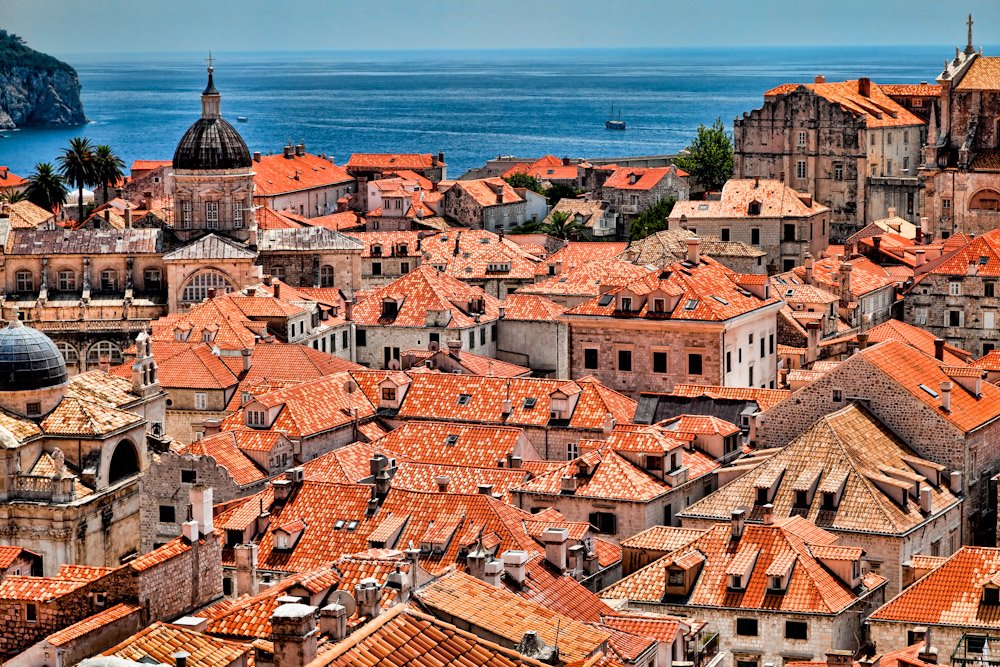
Colors contribute to creating a town harmony, both visually and in terms of materials, as in the many red tile roofs of Europe. (Dubrovnik)
Certain regions and places have become known for certain colors, for spiritual, economical or practical reasons. Here, just a few examples:
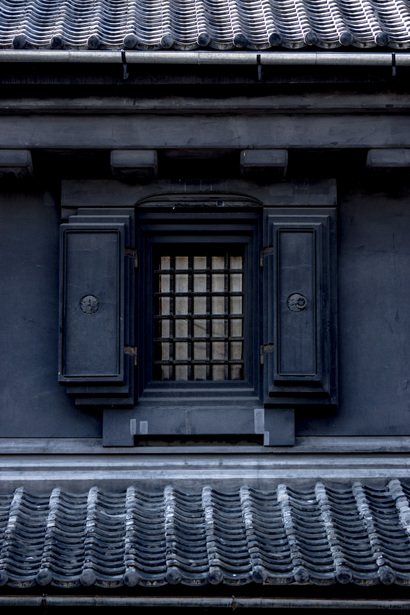
Edo Black. In old Japan, rich merchants used black lime, hand polished to a mirror sheen to protect against fire, to show their prosperity.
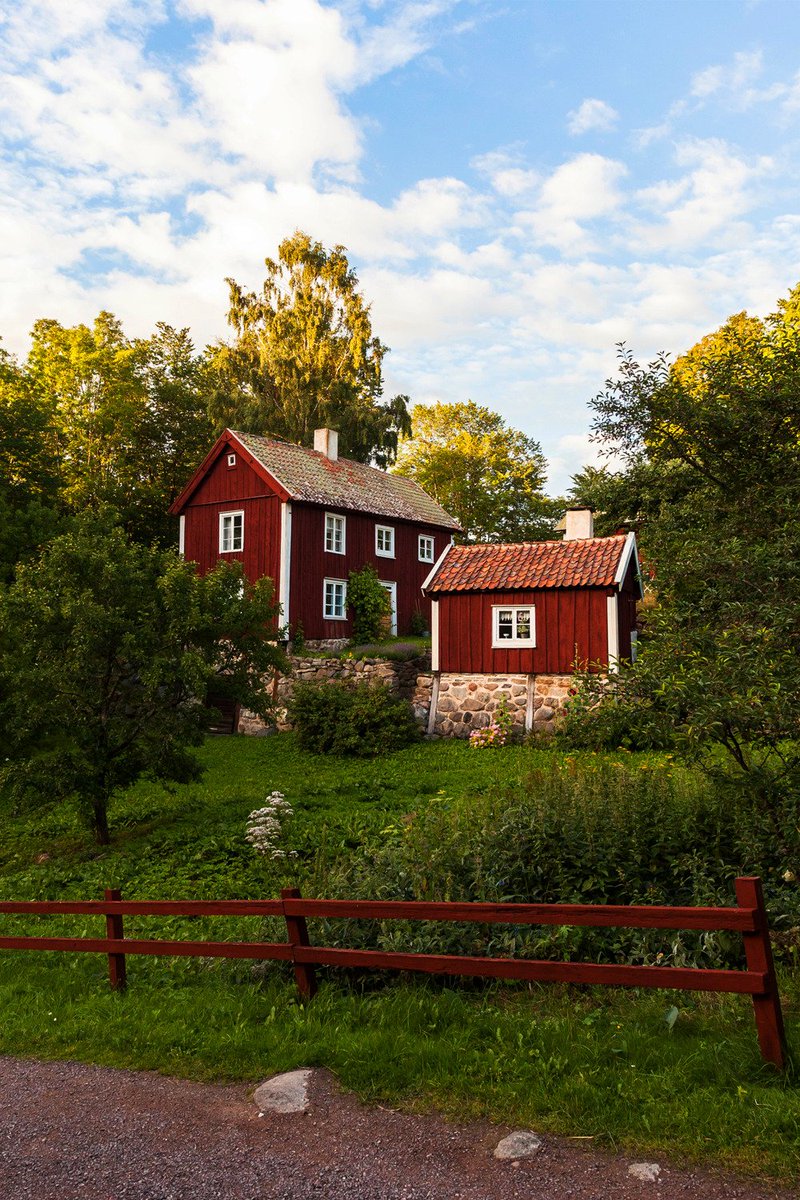
Falu Röd. From the 17th c. onwards, many Swedish houses were coated with a copper based pigment, durable and extremely easily maintained.
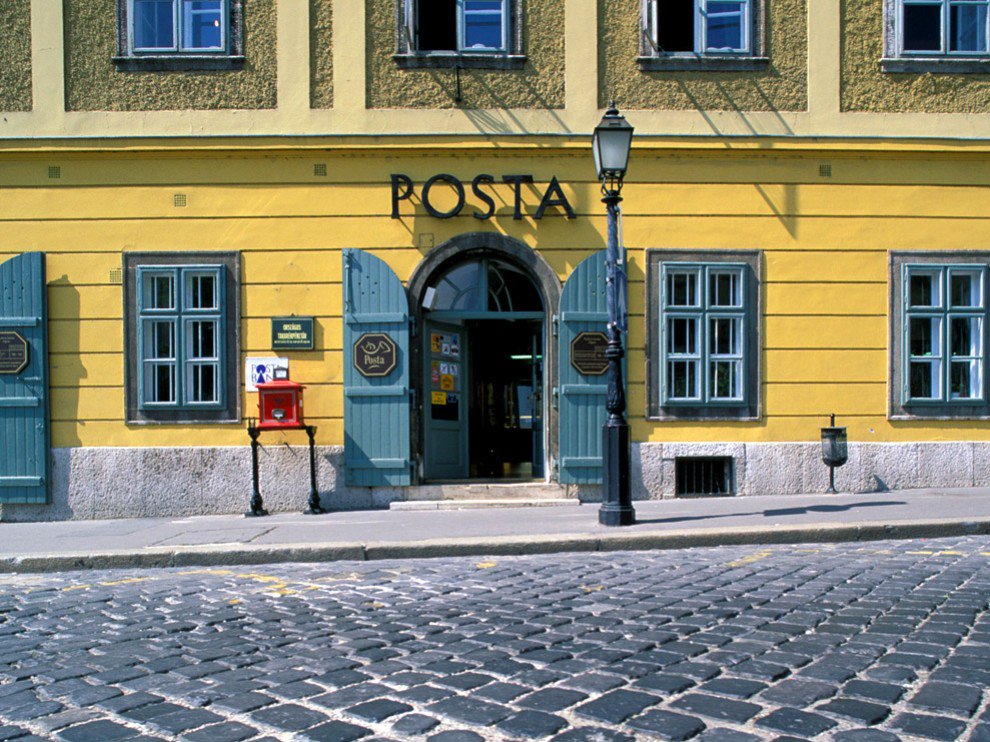
Habsburg Yellow. In a multinational central European empire, all official buildings used the same color, to create unity & visual identity.
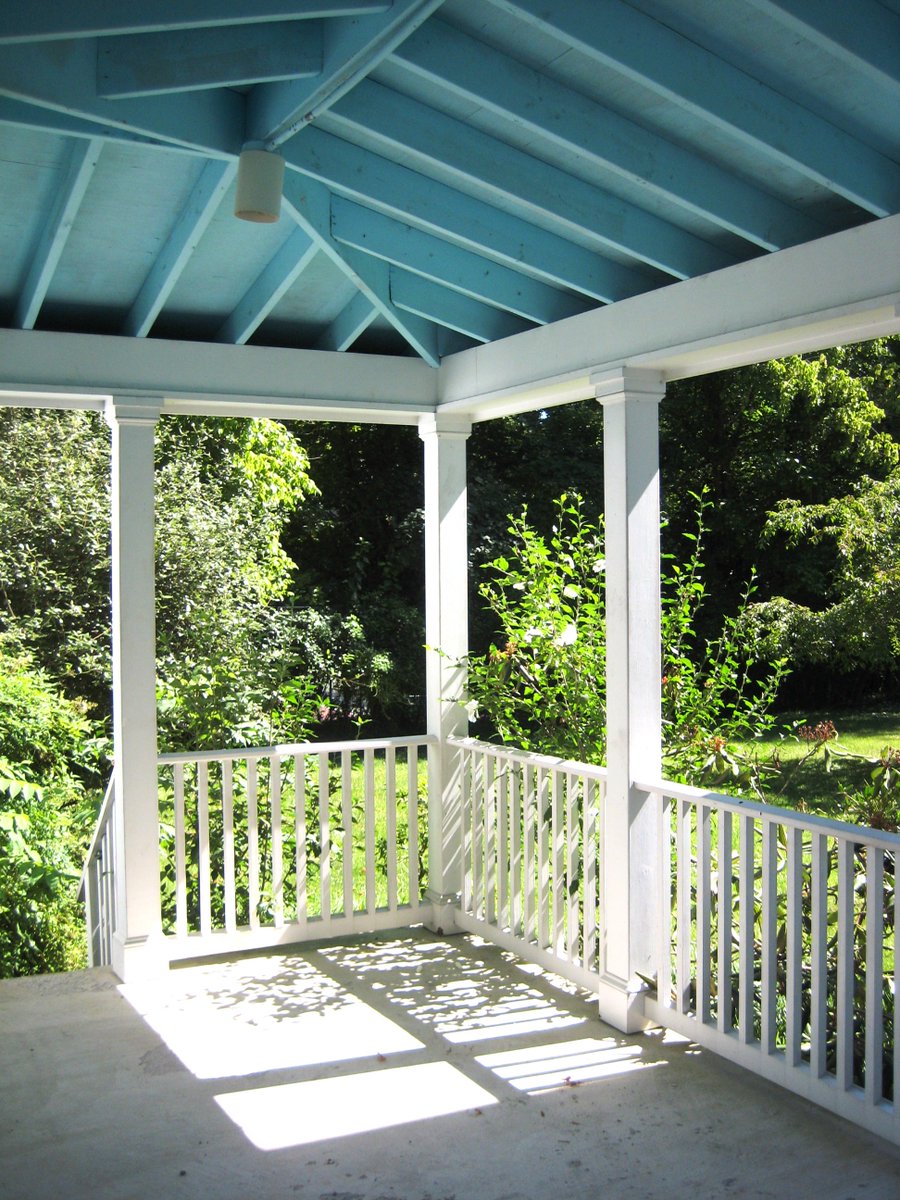
Haint Blue. Or "Haunt" blue, is common in the US South, especially entrances, porches, windows: believed to repel insects as well as ghosts.
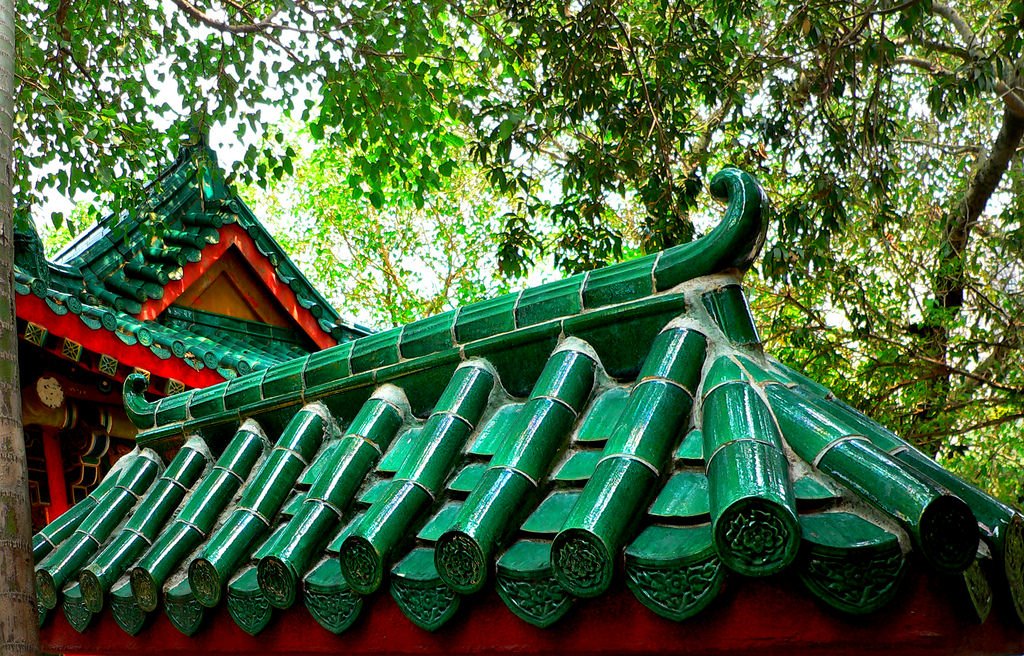
Color could also be aspirational: Chinese green tiled roofs are made to look the ancient bamboo rods, but today meaning longevity, youth.
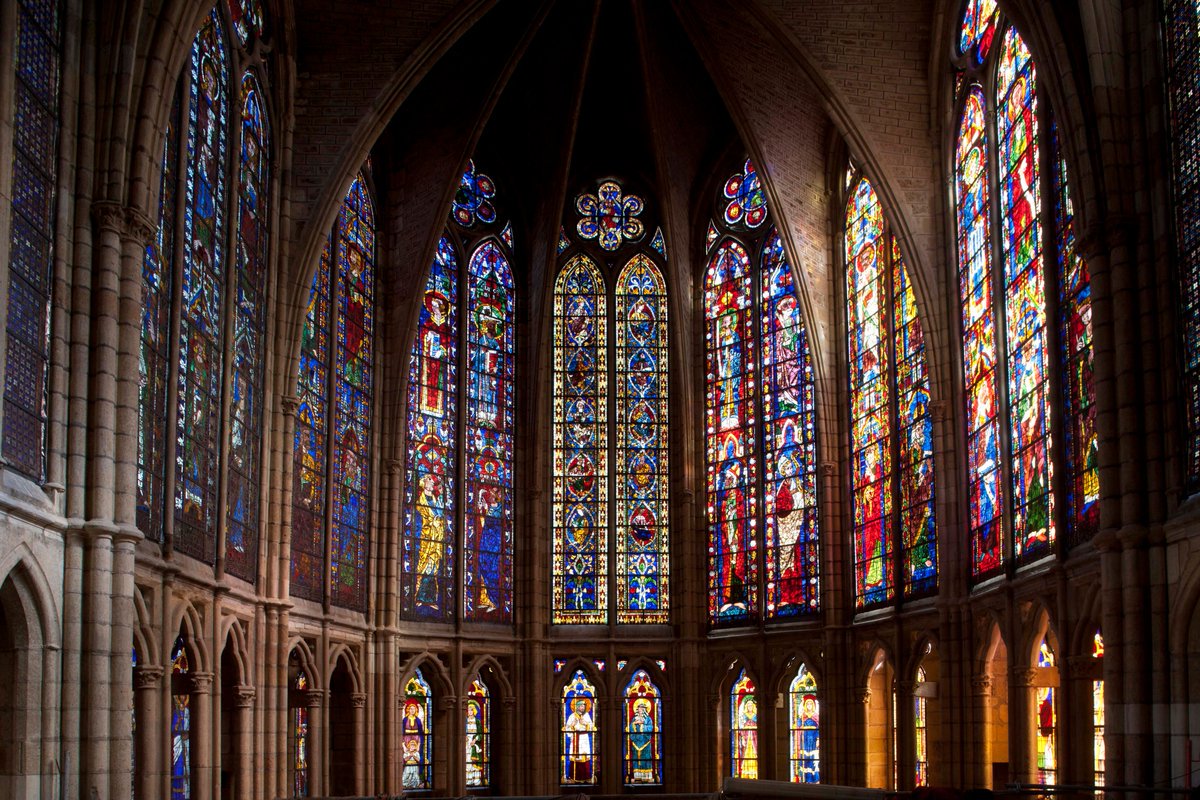
But maybe the greatest use of color in architecture was achieved in medieval stained glass windows, colors that still can't be replicated.
@notthatsid @MrRCMcLendon Er..... yes. But the towns do not need to be very far from each other, in Tuscany and Japan they are sometimes just a 15 minute walk apart.
@besceawiendlic @notthatsid @MrRCMcLendon There is very limited growth in populations outside Asia, Africa: no rural or wilderness lands would need to be taken over for town use.
@gliberalmedia Thank you. Start with Lewis Mumford's the Culture of Cities.
@besceawiendlic I am thinking of doing a thread on that, but lets just say that all the towns in the photos have well functioning emergency services.
@AGlobalCitizen1 It was not the planning that caused problems, rather lack of technology to cope with growth, and now we have tech.
@Z1Gator @MagicalEurope It wasn't quite that slow or even quite that specialized.
It is time to talk about the materials which define traditional urbanism: wood, earth, brick, and stone, as opposed to modern: steel, glass.
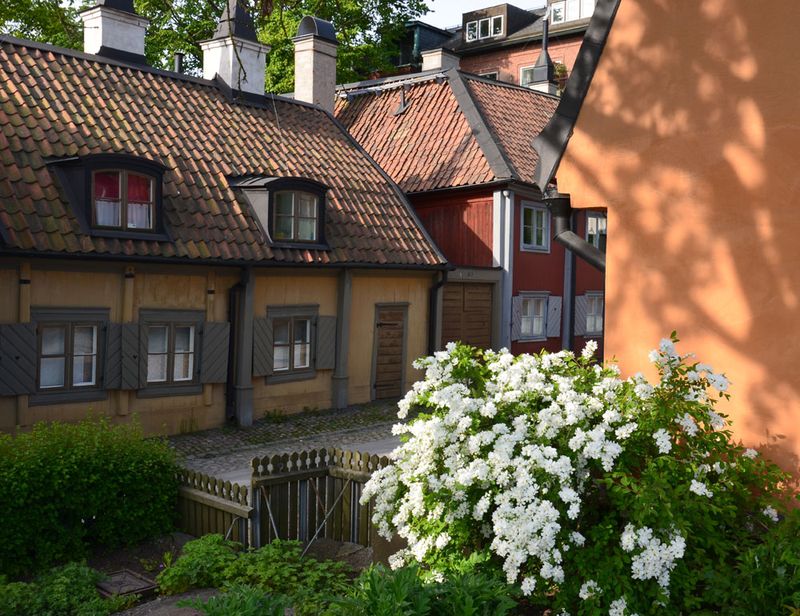
Traditional towns were sustainable, in durable easily sourced local materials, leaving no waste and fully recyclable, from source to ruin:
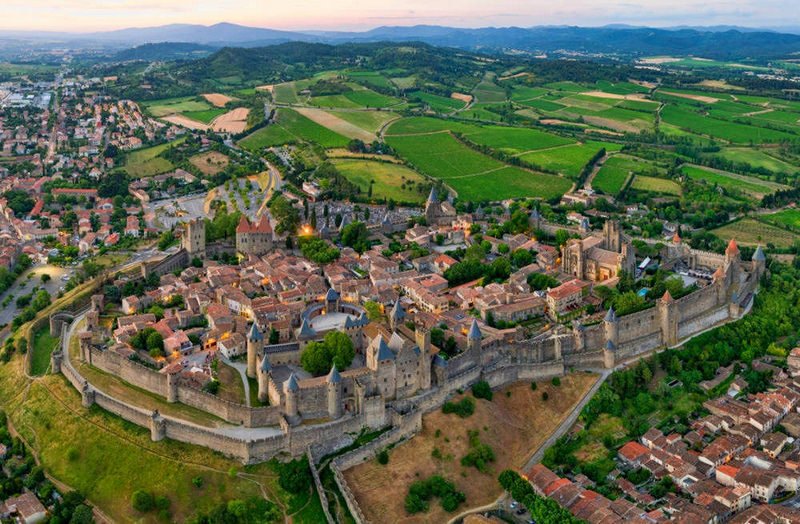
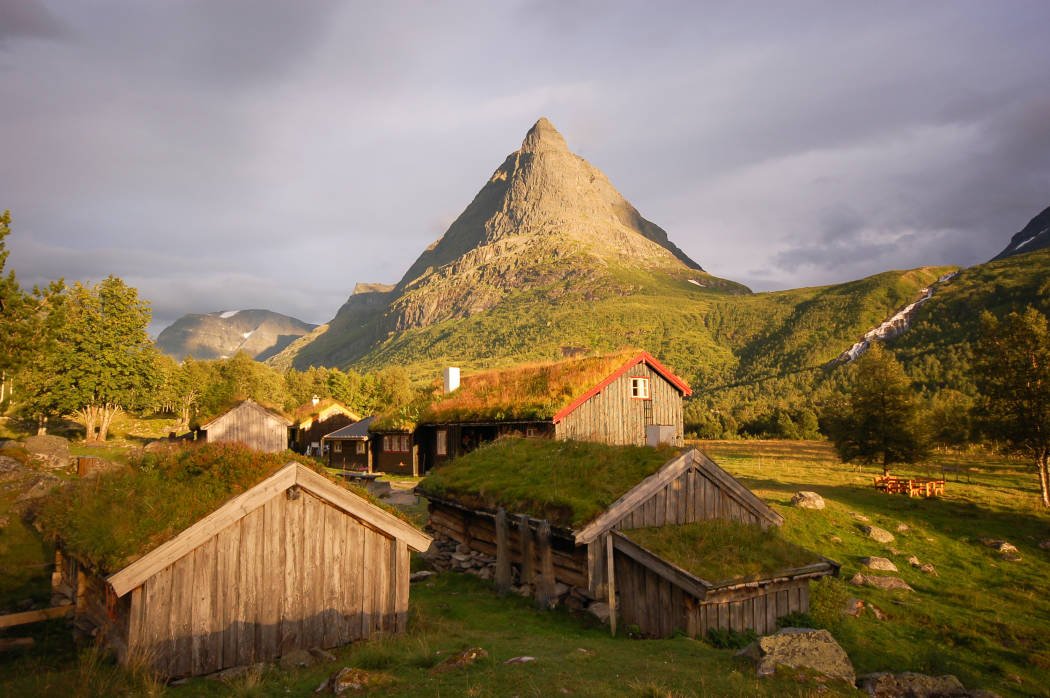
Near forests, making your own log houses was cheap, easy, ecological. Fire resistant, earthquake proof, naturally insulated: carbon sink!
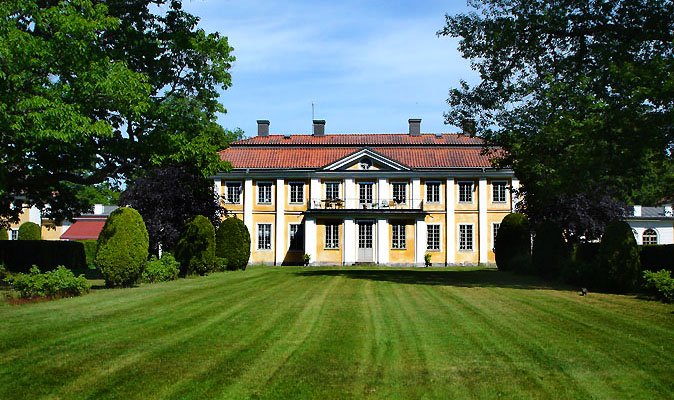
With a bit of stucco you could even turn the humble log cottage construction into a proper neoclassical chateau, as this Swedish loghouse.
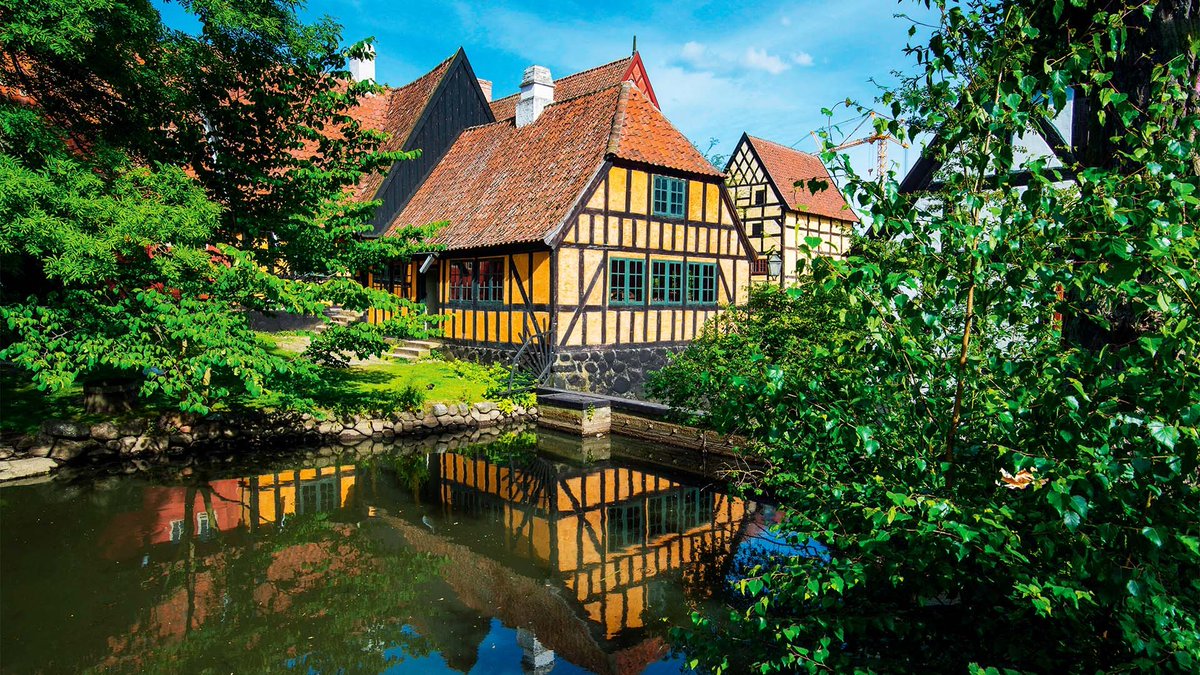
If you had less wood, half timbered houses were relatively easy to raise. The infill between the timber posts could be mud, brick, stone.
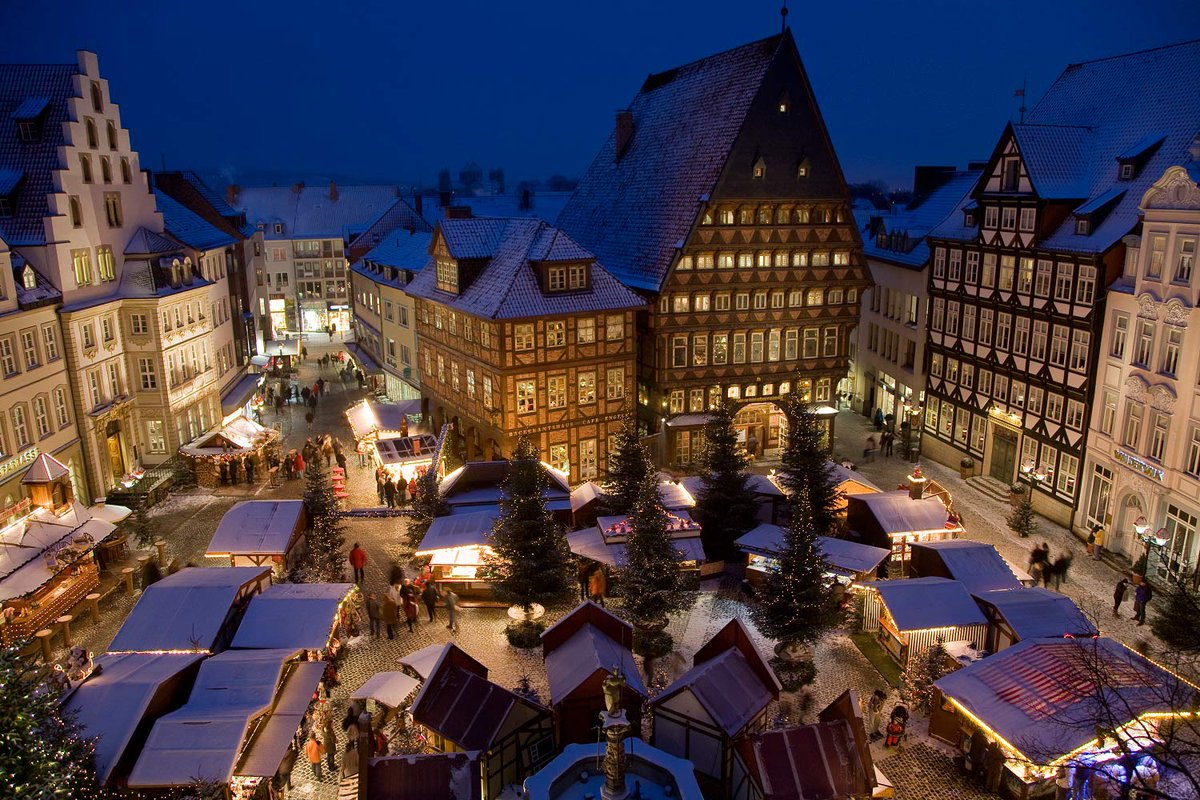
If you were successful in your business or workshop, you could just add a couple of floors: its the most flexible architecture imaginable.
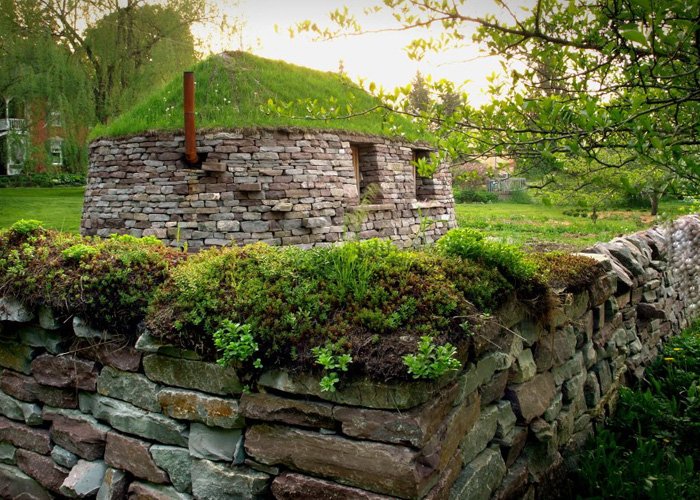
In stony terrain you can use fieldstone to put up proper stone buildings, walls etc. Farmers will thank you. And its easy: just...
…pile them up! No need to use mortar if you have lots of time and space. Or…
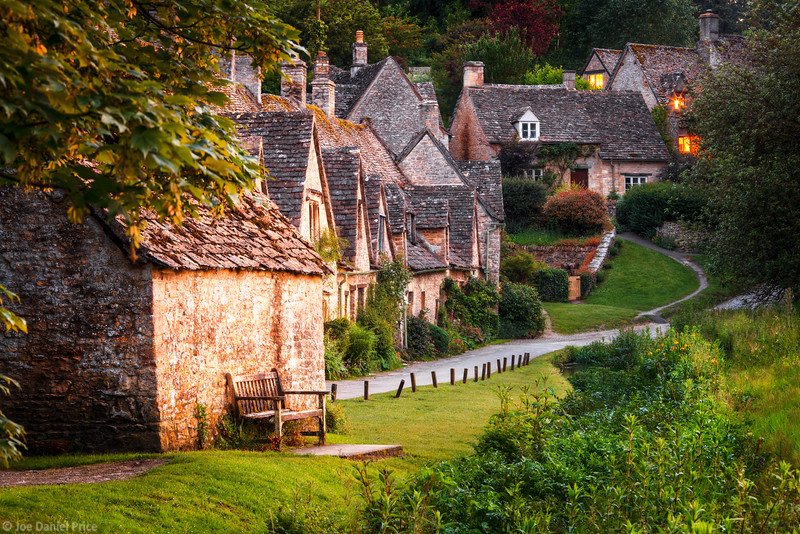
…you can apply a bit of mortar for stronger, taller, slimmer walls. More effort but still a local product. Roofs can be made of slate.
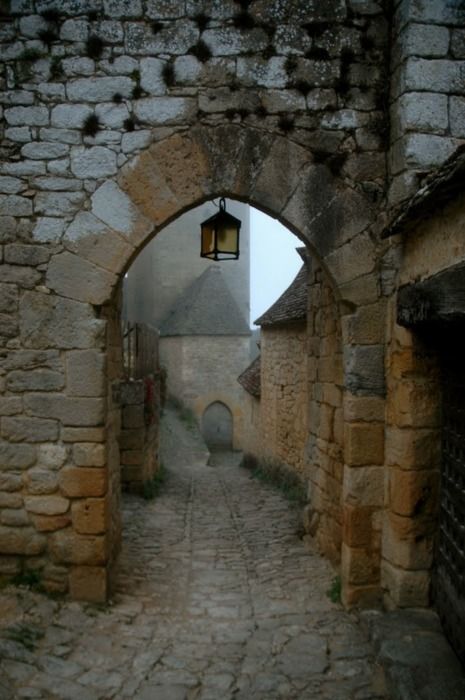
Of course the fanciest buildings use cut stone, but looks great anywhere. These walls will last virtually forever with a bit of maintenance.
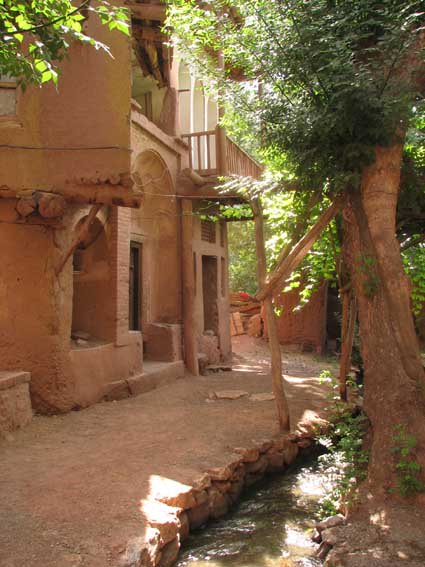
No wood, no stone, no problem! If we live in a drier climate we can make an entire town in simple dried mud brick, like Abyaneh in Iran….
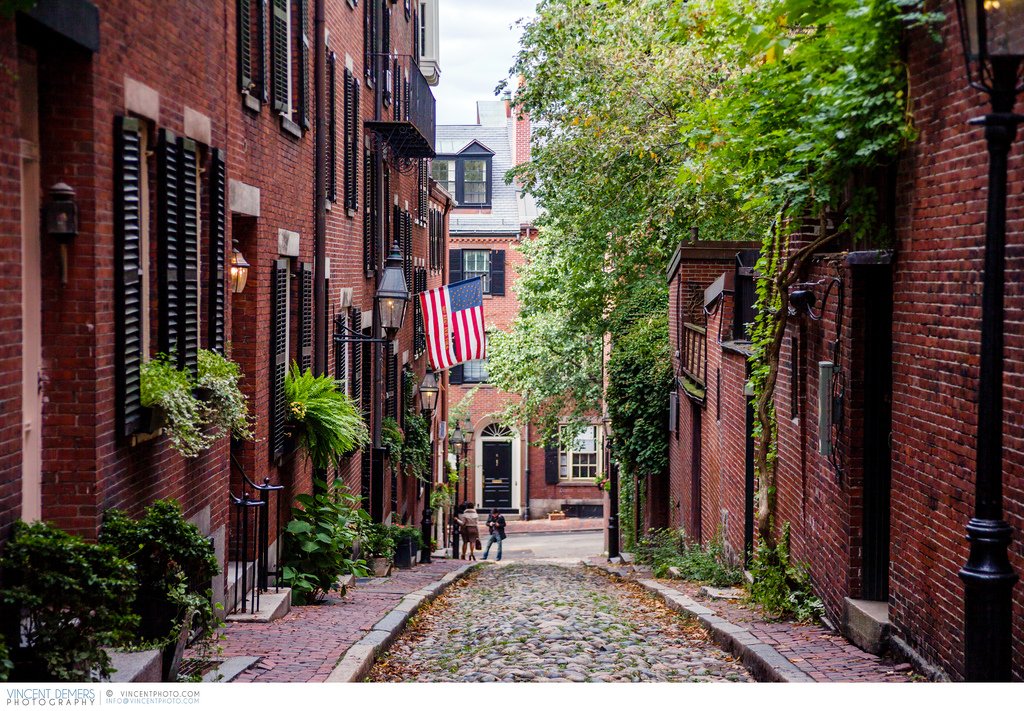
…but the easiest (especially in wetter climates) is of course fired brick (this is Pennsylvania). And just as with log houses…
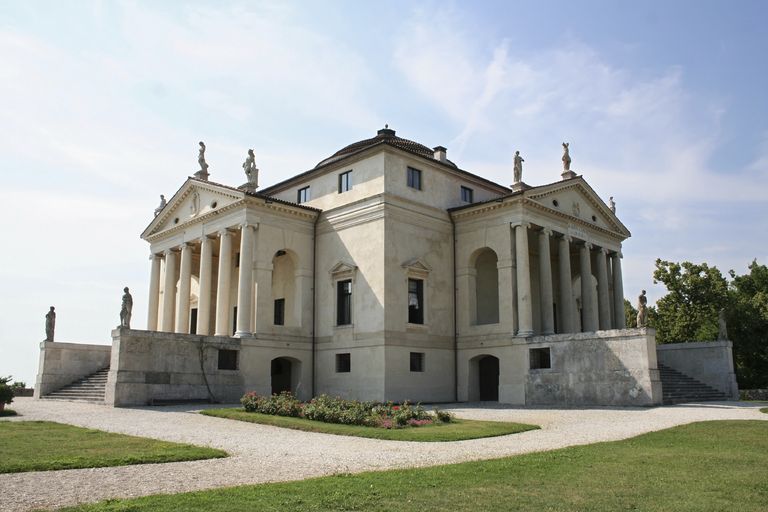
….they can be made to look like anything you want. Palladio made his name and fortune in the 16th c., by rediscovering brick, stucco, Rome.
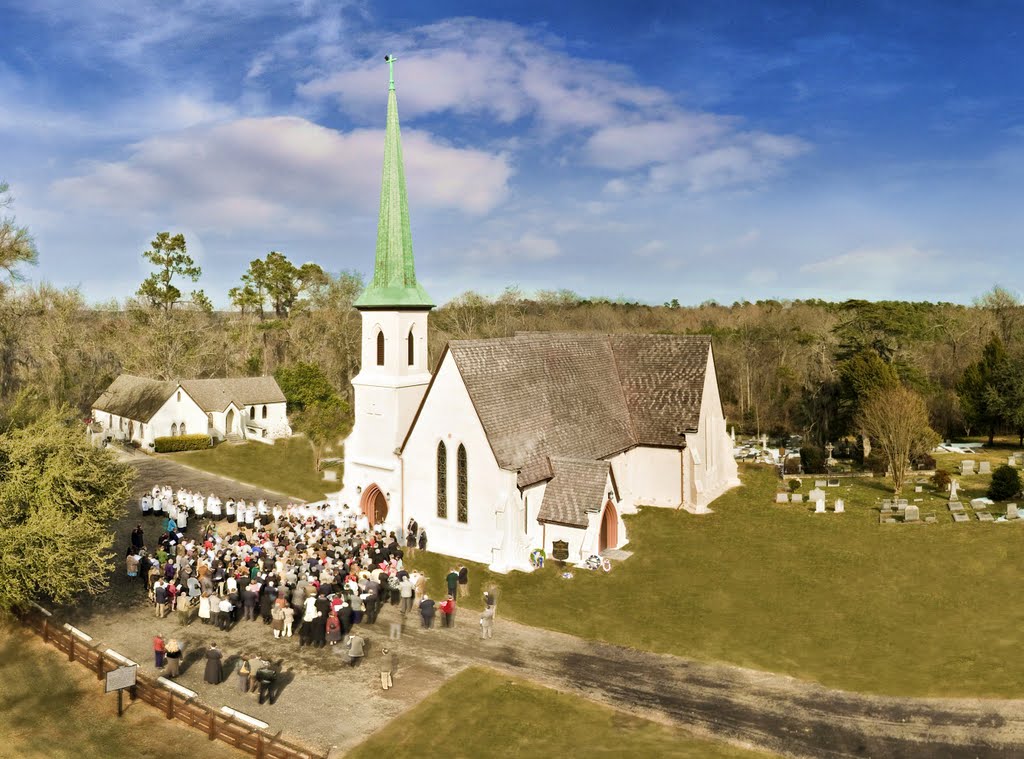
Or skip the brick making part and just dig earth up and ram it in place. Like the Church of the Holy Cross (Stateburg, South Carolina, USA).
…or this gorgeous 17th c. chateau in France, Vaugirad. Rammed earth dug from the very spot it stands on. How's that for local/ecological?
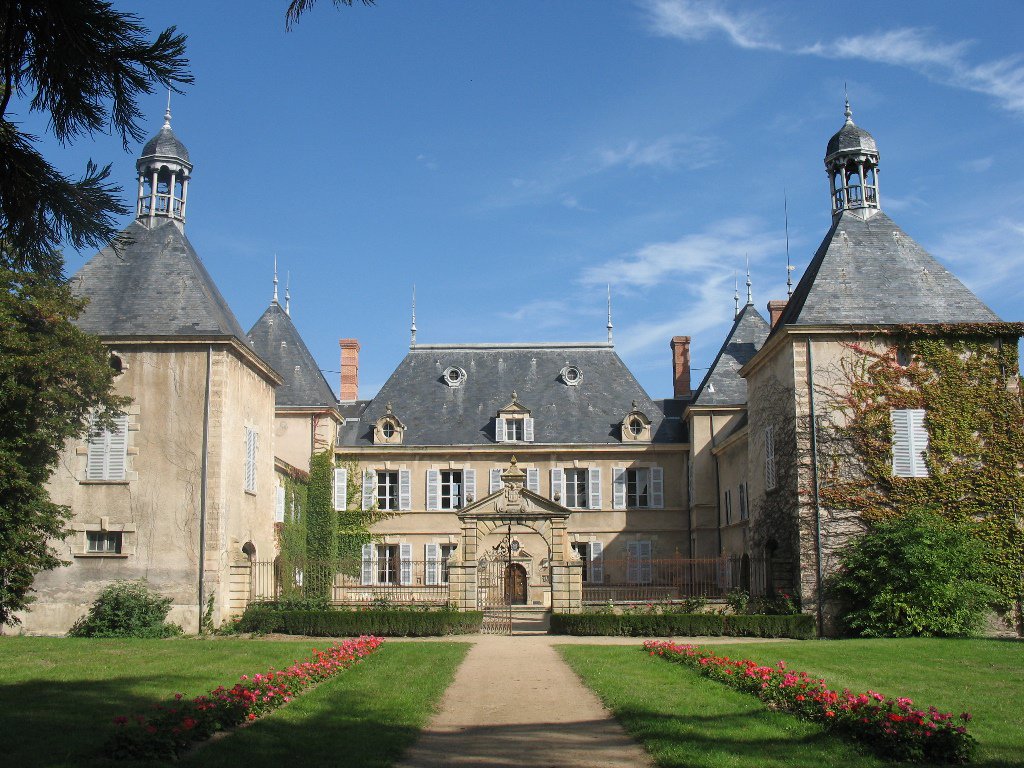
By using—above all—locally sourced material instead of steel and glass, we can create ecological, sustainable, human scaled towns…
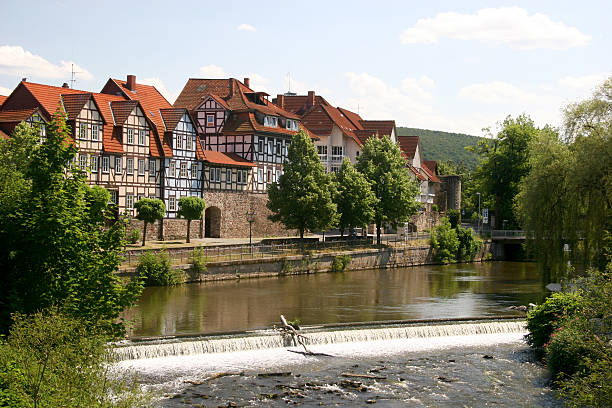
…that we can build & maintain by ourselves, for ourselves, and pass on to generation after generation of our children, with good conscience.
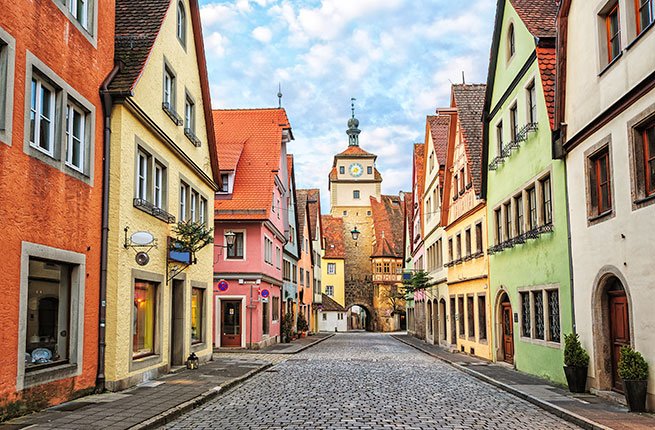
@Aristogiton1 Thank you. I think that we should build more of them. Fast.
@Aristogiton1 Which is the main reason we should keep building fortified cities.
“A city is most a city when it is sharply defined by a wall.”
— Hilaire Belloc
— Hilaire Belloc
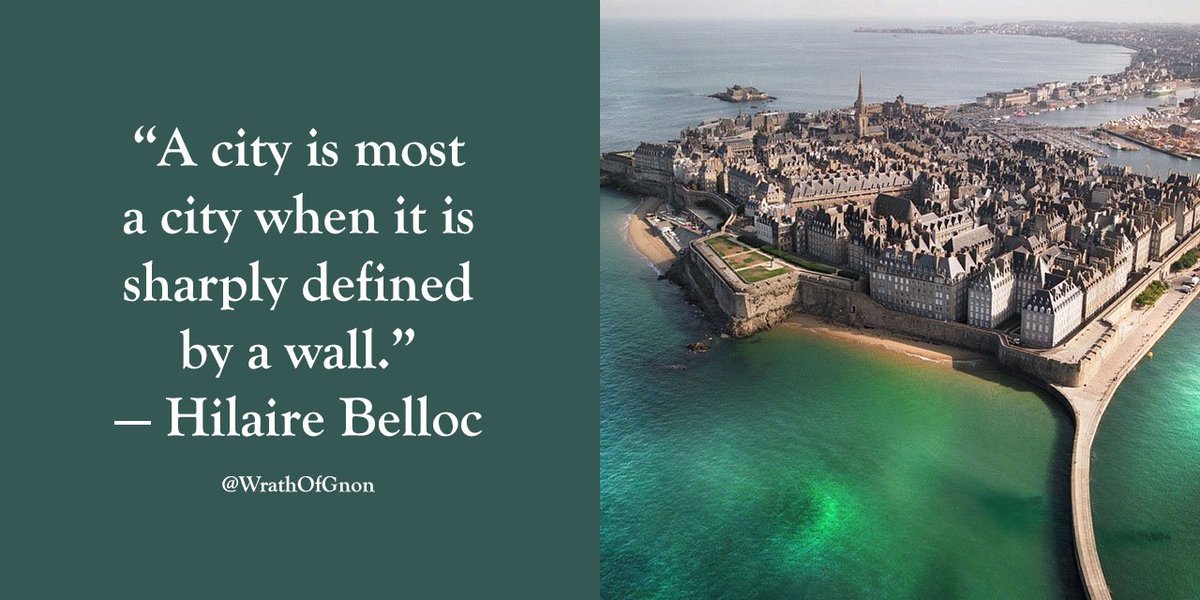
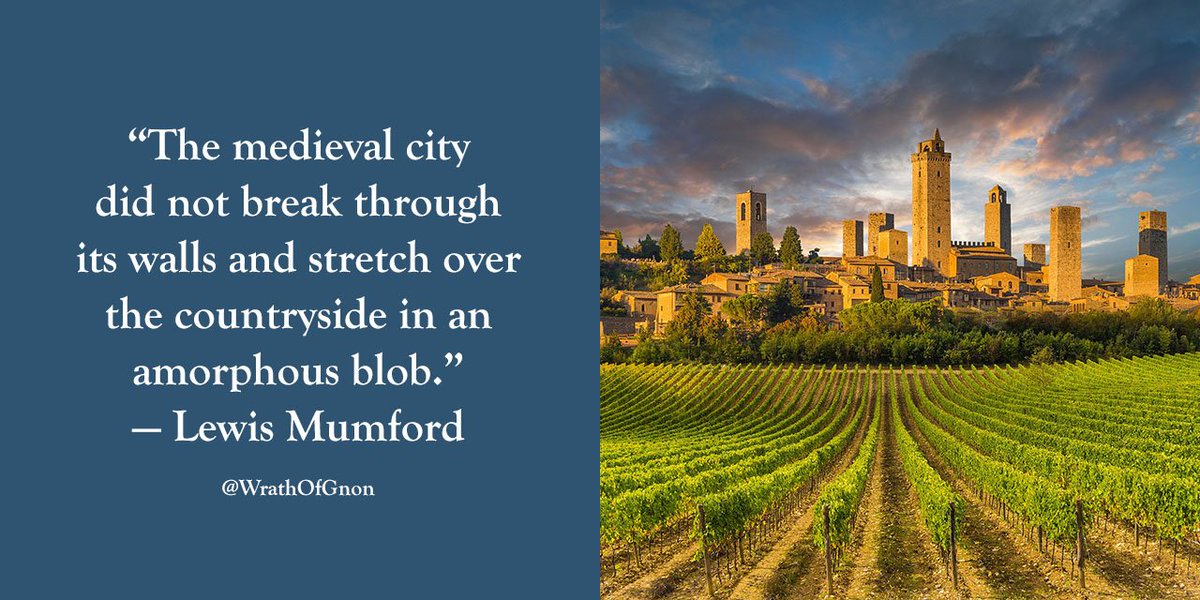
“The medieval city did not break through its walls and stretch over the countryside in an amorphous blob.”
— Lewis Mumford
— Lewis Mumford
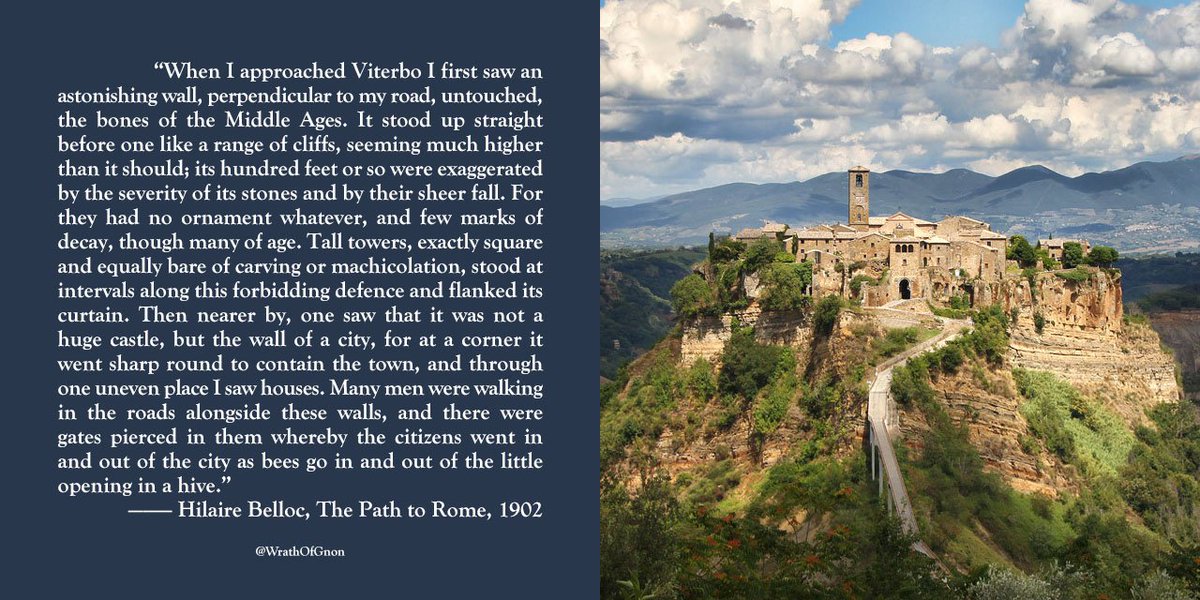
“When I approached Viterbo I first saw an astonishing wall, untouched, the bones of the Middle Ages.”
— Hilaire Belloc, The Path to Rome
— Hilaire Belloc, The Path to Rome
@MuseOfDoom Thank you! Malls are so shoddily built that the best solution is usually the wrecking ball. The land would have to be decontaminated.
Traditional Urbanism also makes use of trees and plants in a way that modern dis-urbanism completely ignores. Let's have a look.
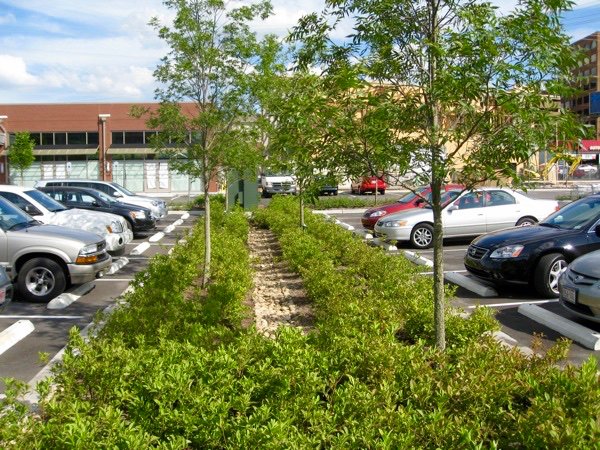
In modern dis-urbanism, we are used to seeing "trees" like this, useless "urban parsley" that only a cynical real estate developer can love.
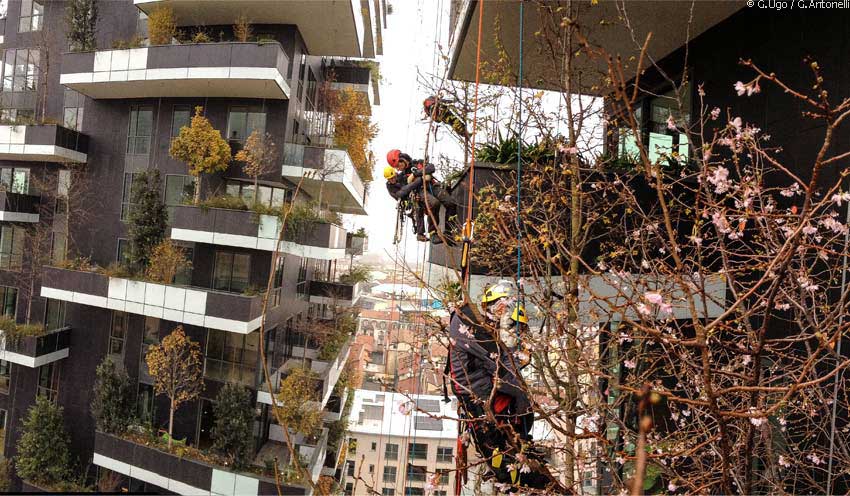
Even futurists get in on the game, building "gardens in the sky", like Milan's 2014 Bosco Verticale. Greenwashing has never looked so good…
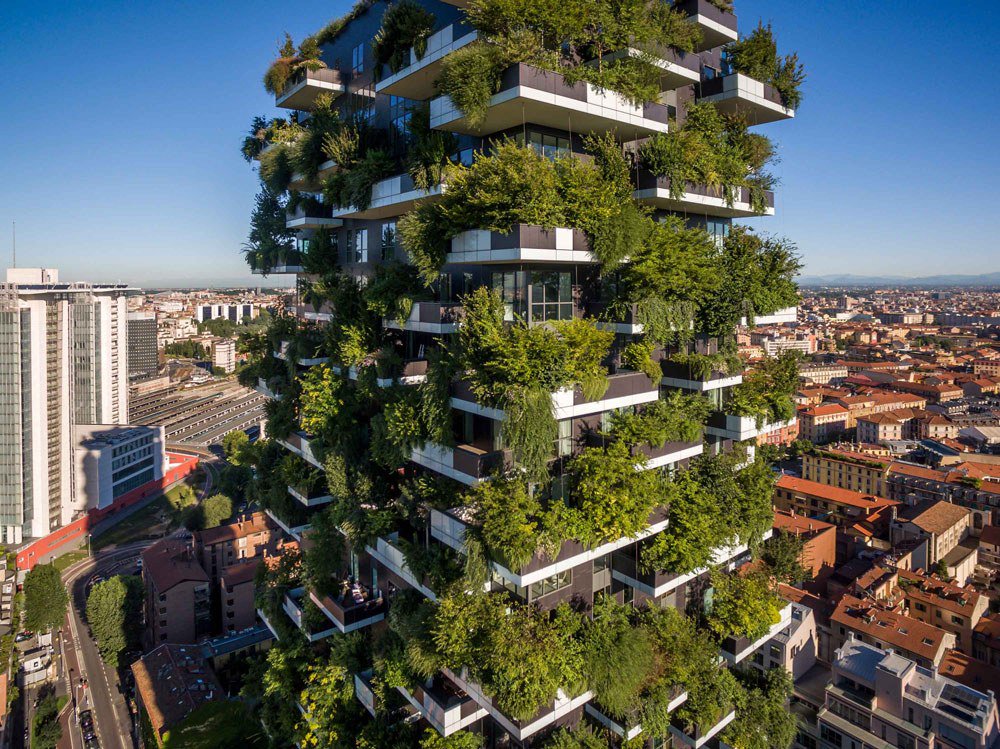
…all the trouble, ecological impact of a normal concrete skyscraper, plus a bunch of new ones! (Hint: Don't walk near this on a windy day!)
In the town where I grew up there was an old tradition of public fruit trees, like here in Seville. The streets were lined with fruit trees
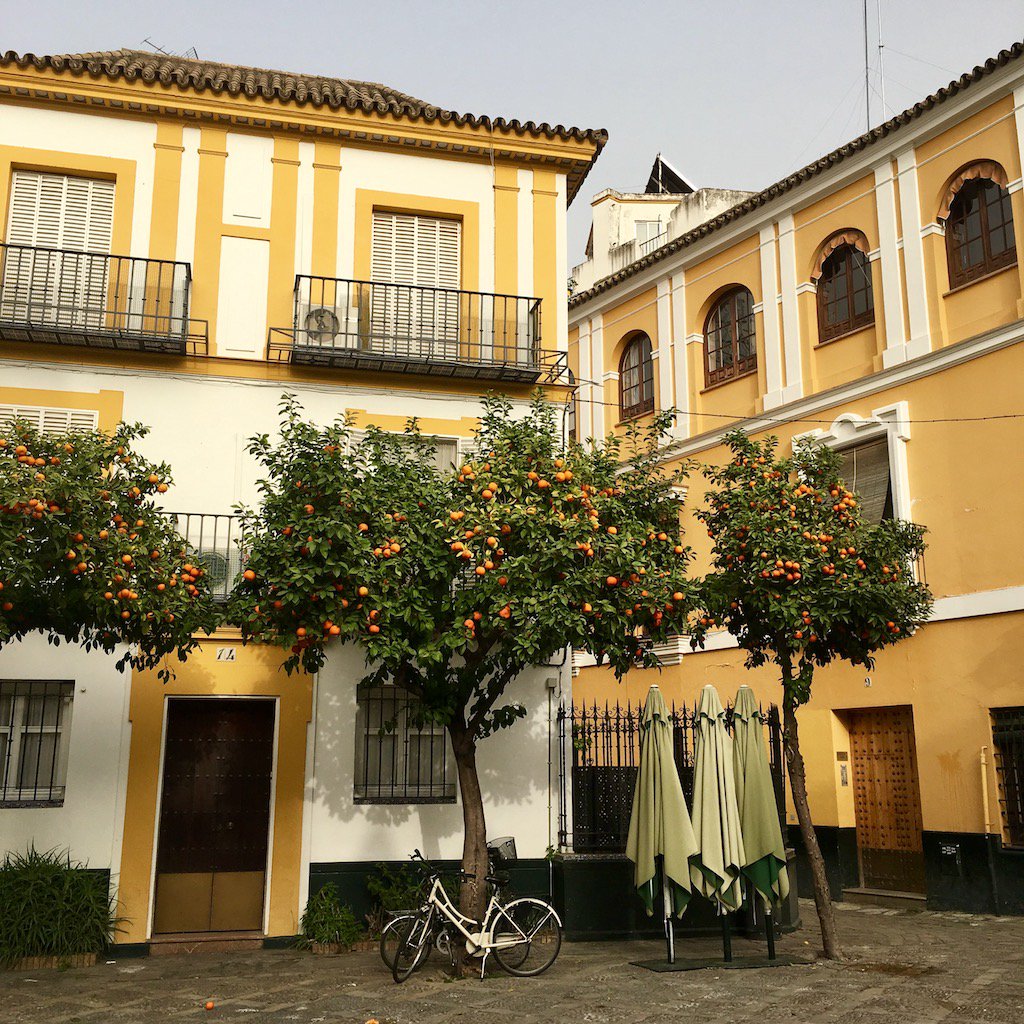
Traditional urbanism was gradual/organic, everything had to be both useful (to be planted in the first place) & beautiful (to be preserved).
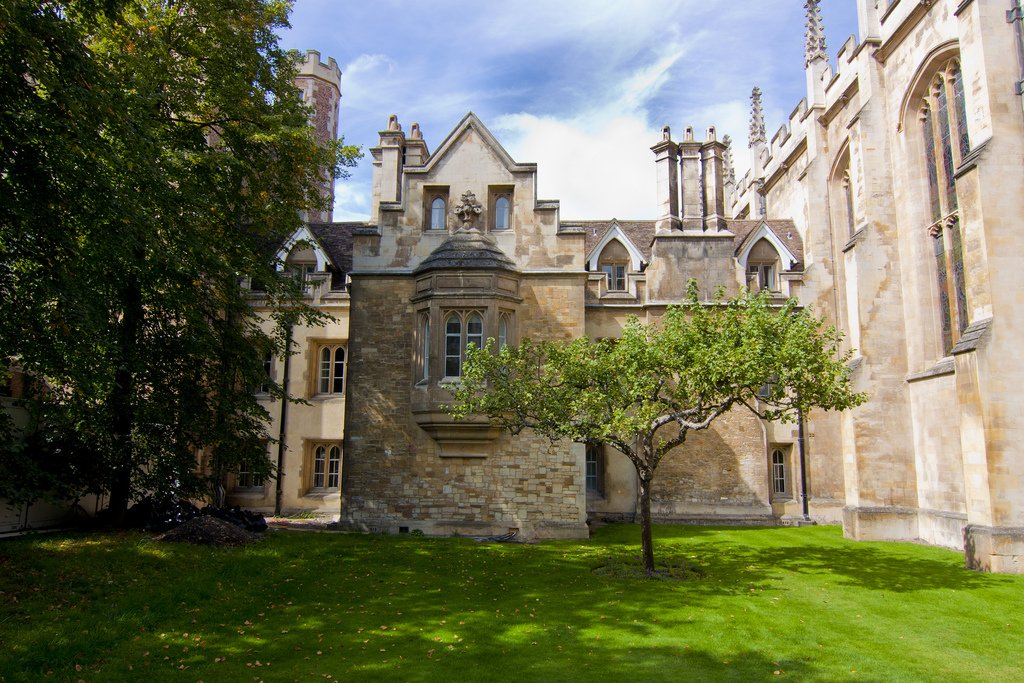
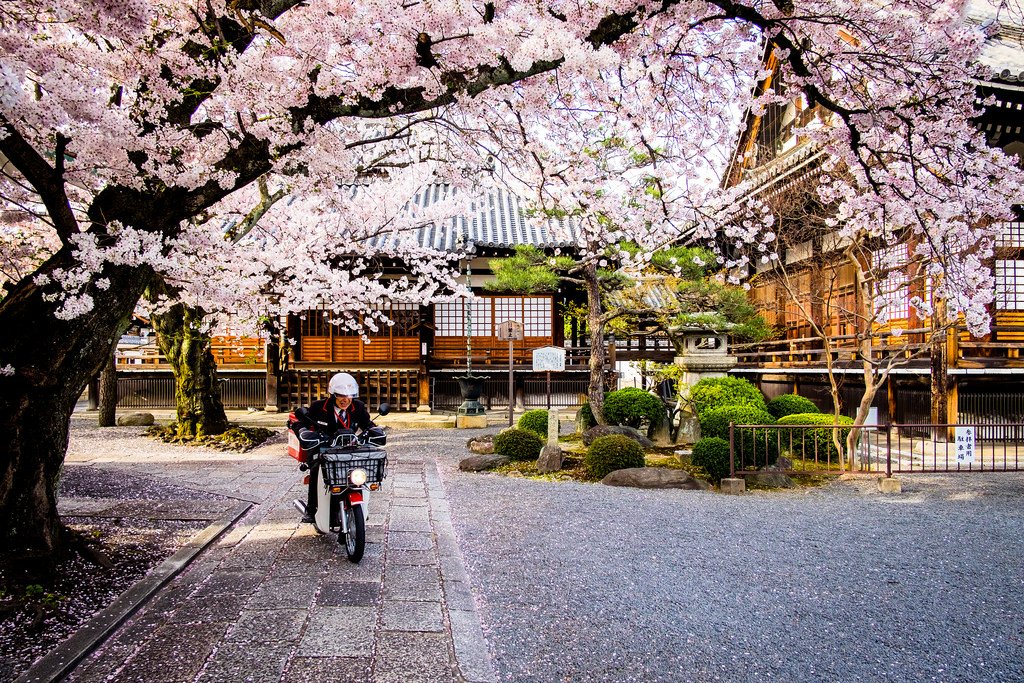
Some towns draw world-wide interest (and tourist money) from their urban trees. The cherry trees of Kyoto is maybe the most famous example.
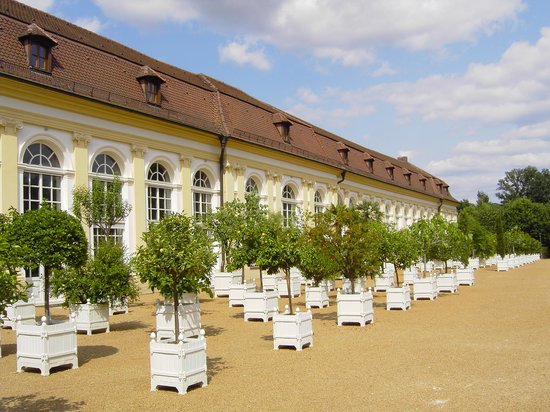
In the 17th c. it became fashionable to grow fruits and trees in purpose built "orangeries", where trees were kept inside during winter.
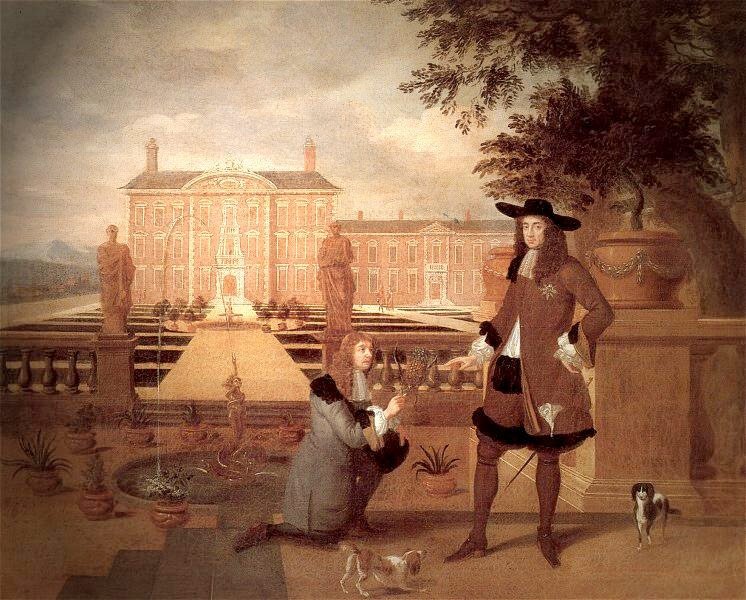
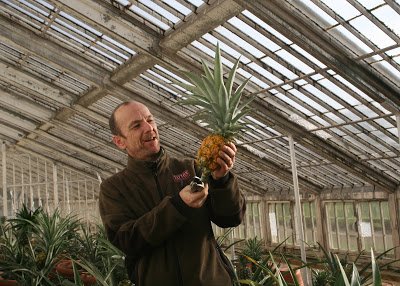
(Bonus: Have you heard of Pineries? A building developed in 17th c. Britain to grow pineapples. Sustainable: no electricity, no chemicals.)
Even super dense, medieval style towns can grow tons of fruits in any climate, for little or no cost. Espalier trees on south facing walls…
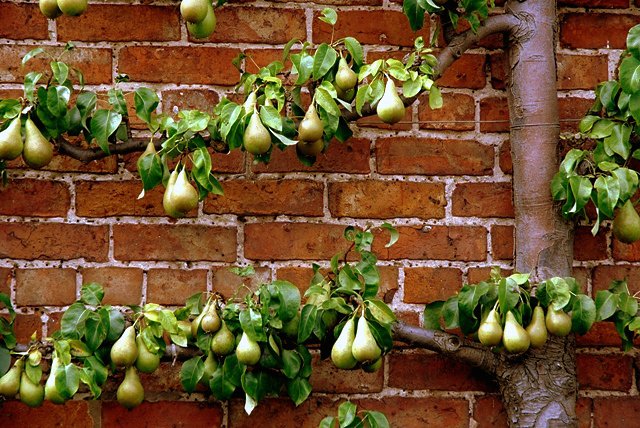
…while potted trees can be moved around to best suit the seasonal weather and even kept indoors at night or in winter, take out to see sun.
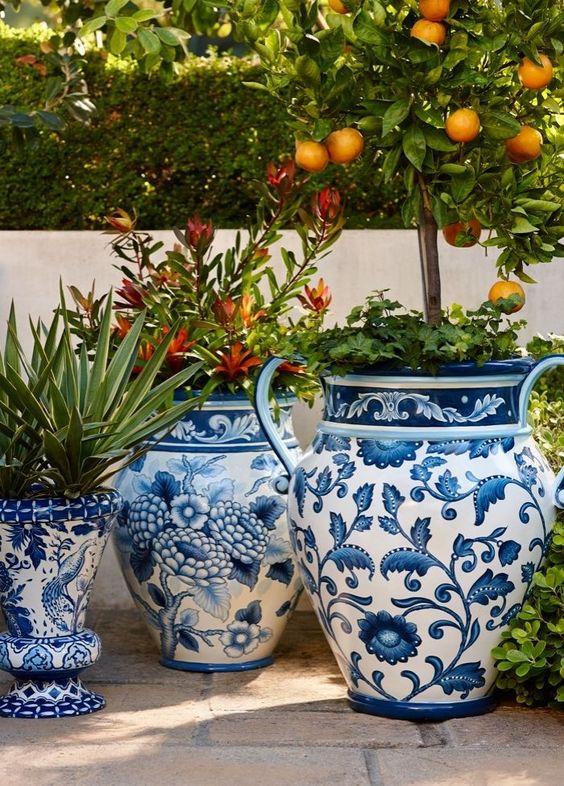
There's even bonsai fruit trees that produce edible fruits: the ultimate in low time preference cuisine! Delight your future grand children!

In Germany medieval towns often owned nearby forests: a dependable, stable source of income, nature conservation and access to vital wood.
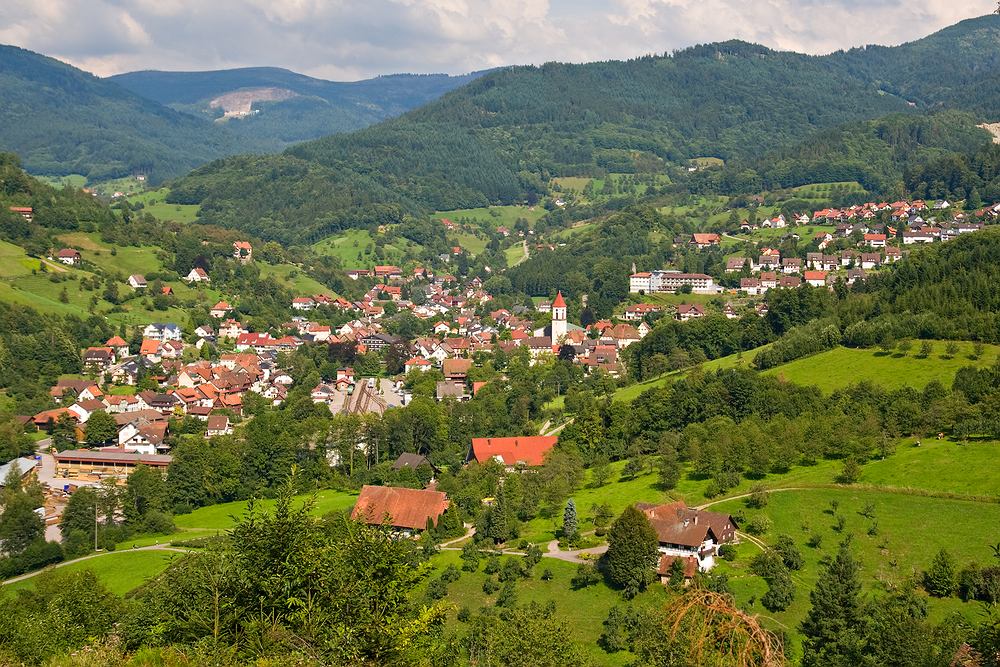
Besides fruit and edibles, town trees can provide timber and resources for buildings, artisans, craftsmen, even export…
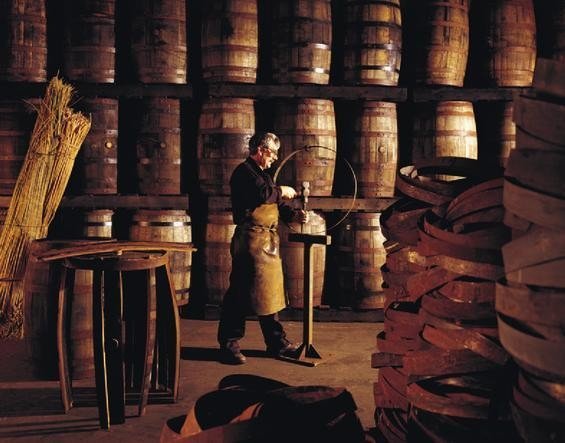
…or be pollarded (cutting leaf bearing branches to store and use for winter feed of animals and cattle, the woody bits for kitchen fuel).
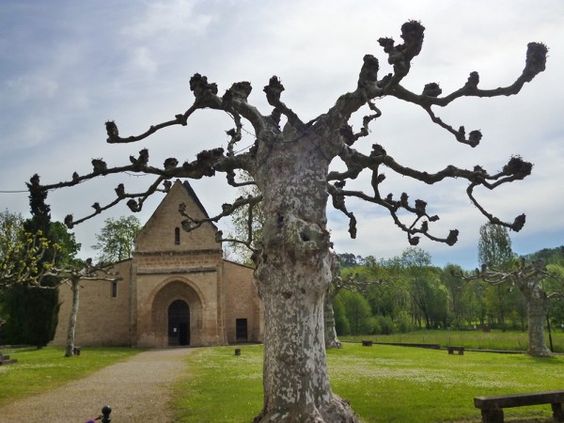
In conclusion: One quick and easy step to achieve better towns is to grow better trees in them. Trees that people can own, use, and love.
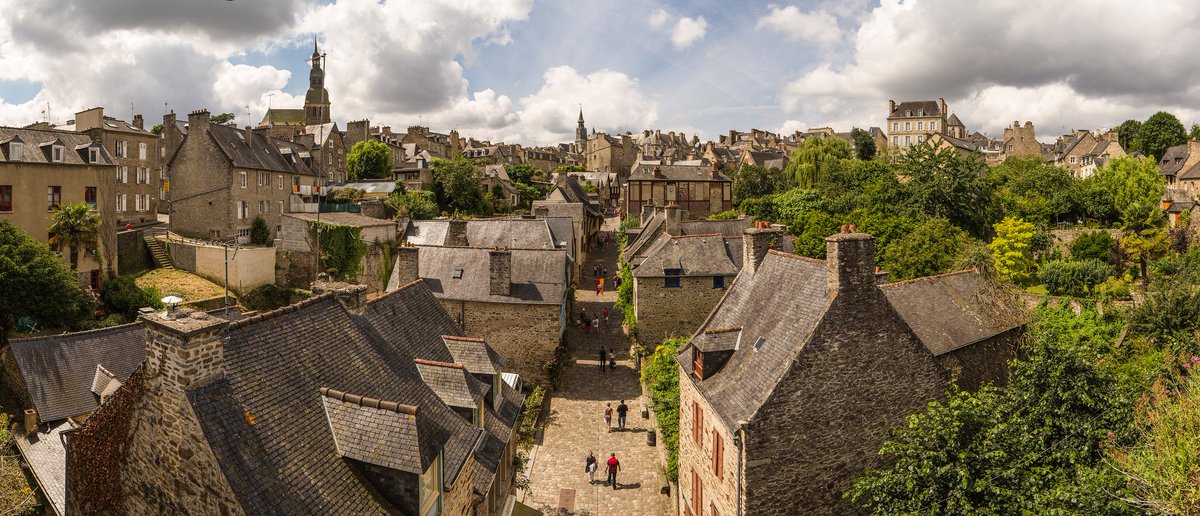
@OneShotPartage @RaymondKasey2 The best friends we will ever have!
@SurvivingBabel @380kmh You are right, that is Boston. It came up in when I image googled for Philadelphia. (Google! Your crimes keep adding up....)
@PPampolim Thank you! If only everyone would just stop tweeting until January 1st 2018....
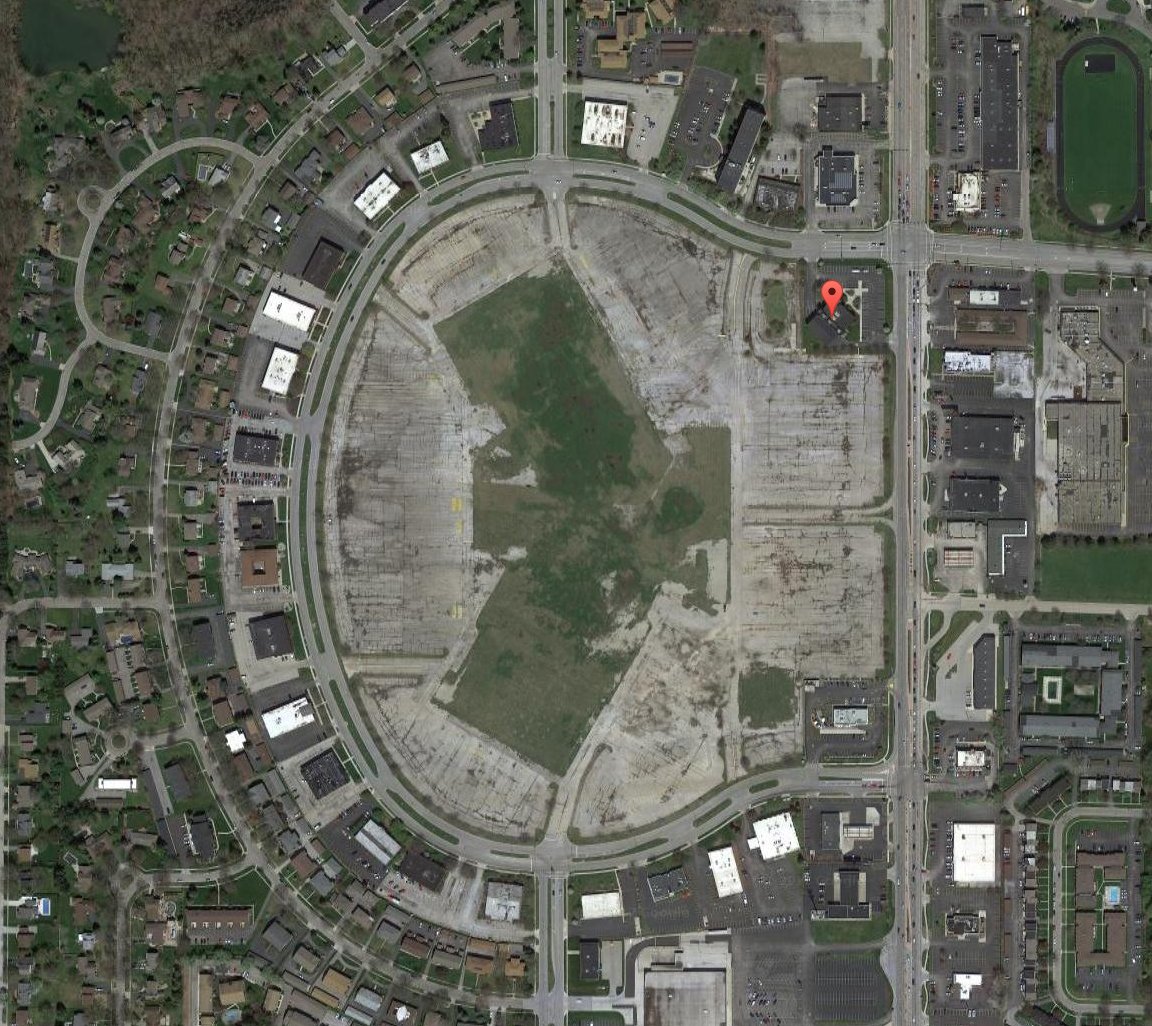
INTERLUDE: Here's a dead mall in Toledo, Ohio. Looks horrible. But what if a a group of locals decided to turn it into a traditional town?
Let's build a town just like Venice. Hundreds, thousands, could live there, with no cars. Gondolas are nicer and you can fish in the canals.
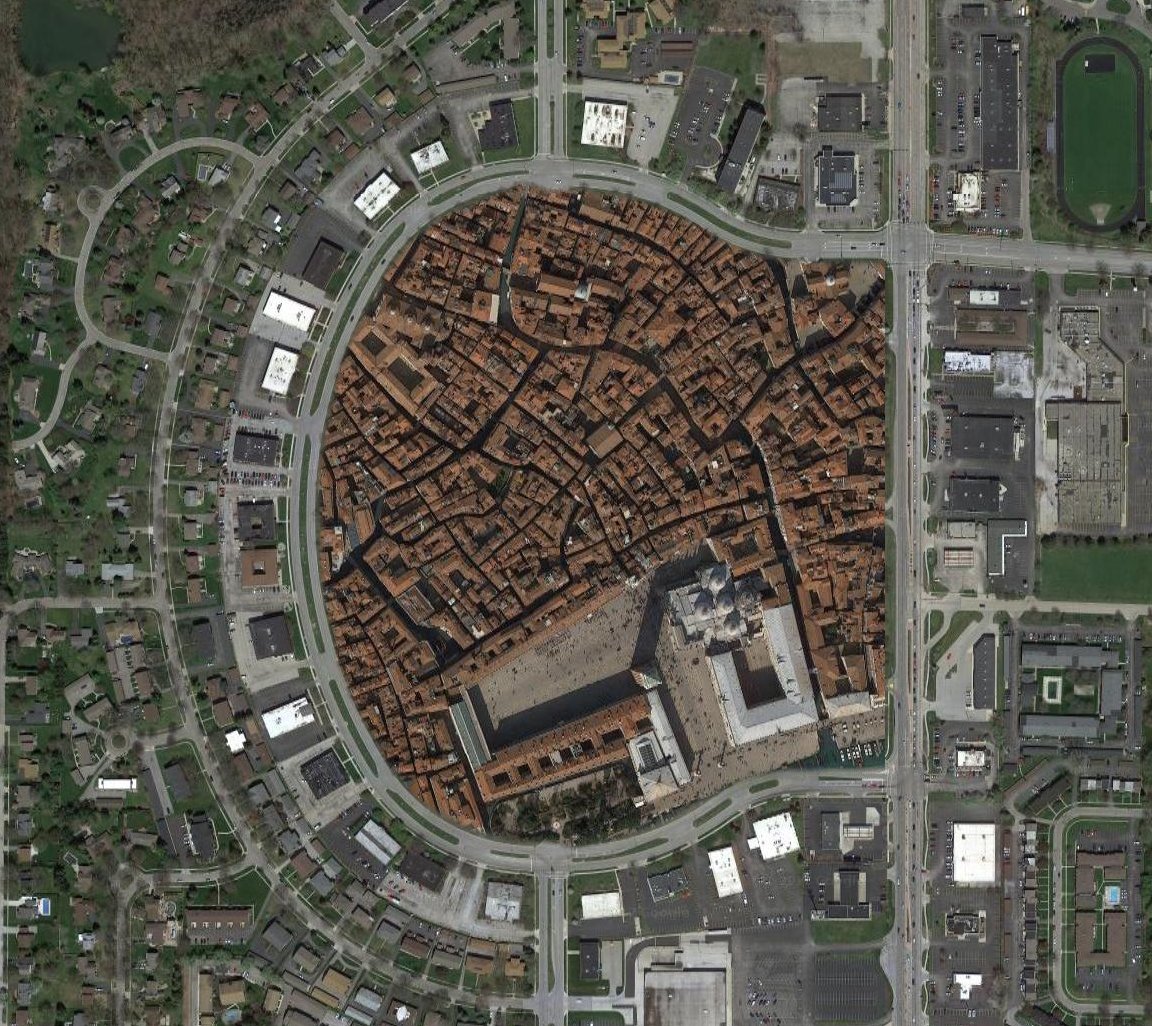
The neighbors could be persuaded to move in and the Town could acquire their land to rewild it. We'll need the wood in the future!
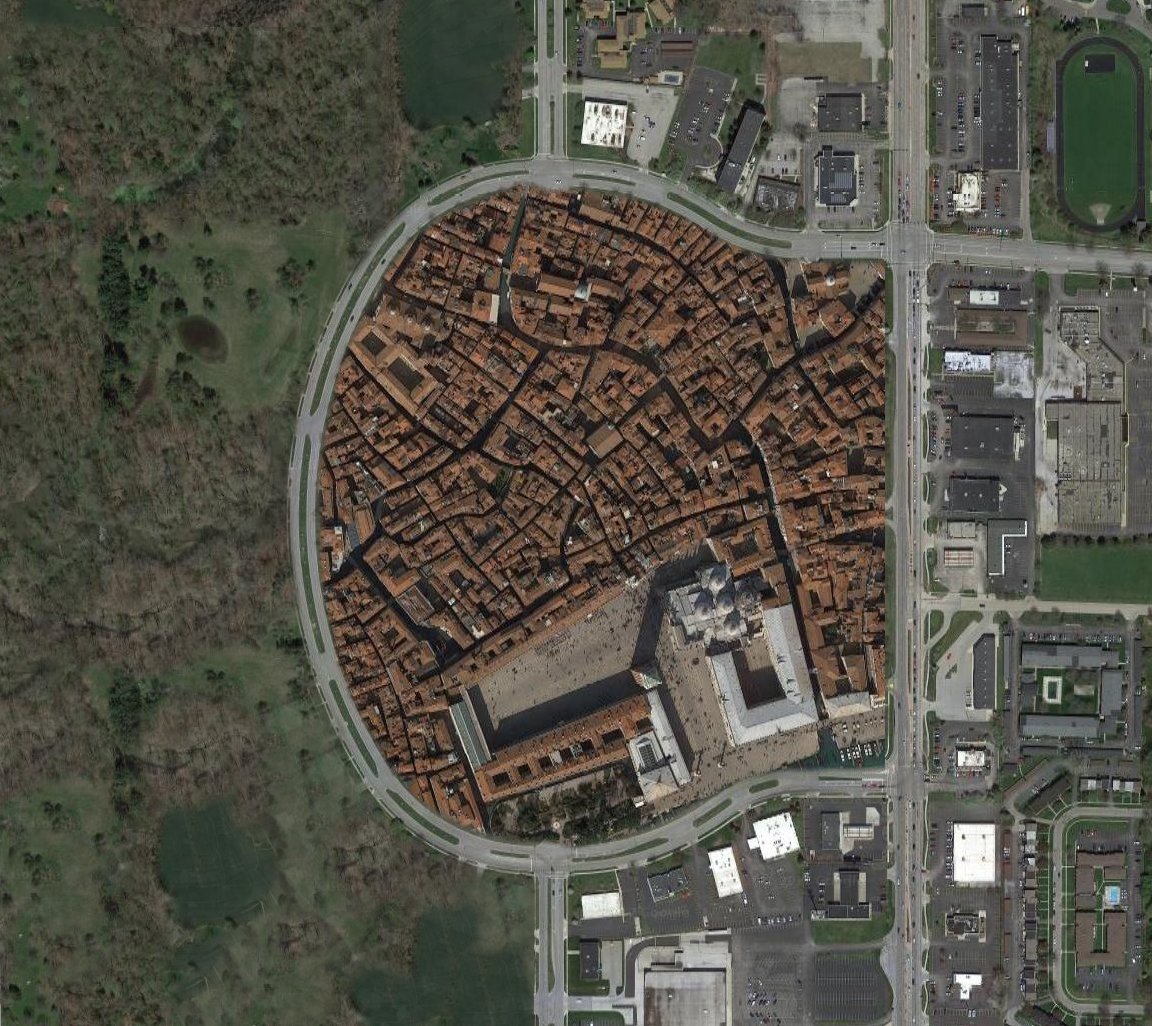
Let's devote the other side to agriculture. The old kind with small plots, many tiny farms. Permaculture even. But there's one big problem…
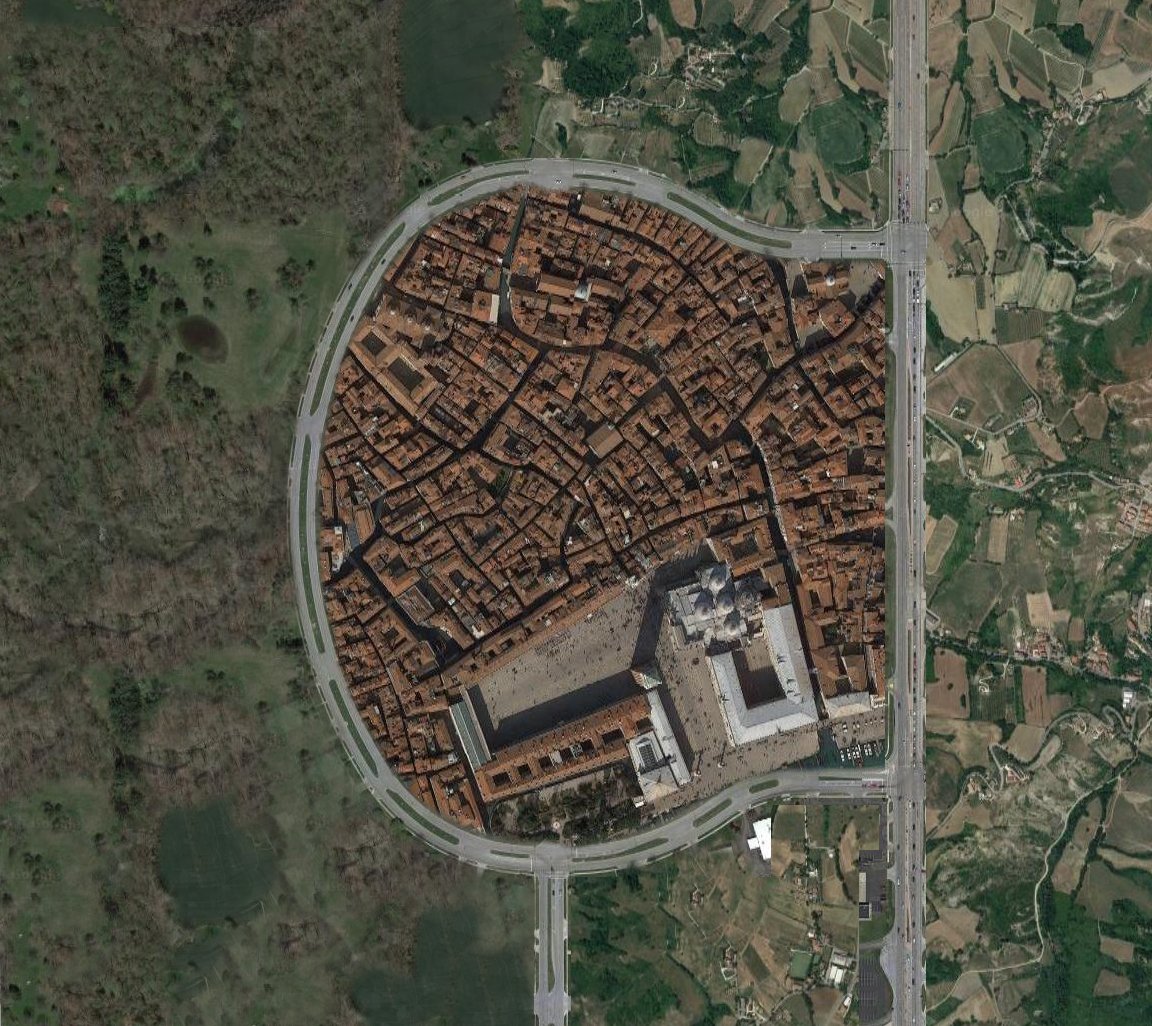
Those freeways got to go. Let's dig them up. Visitors can arrive by sail boat or barge. And why not top it up with a local currency? END.
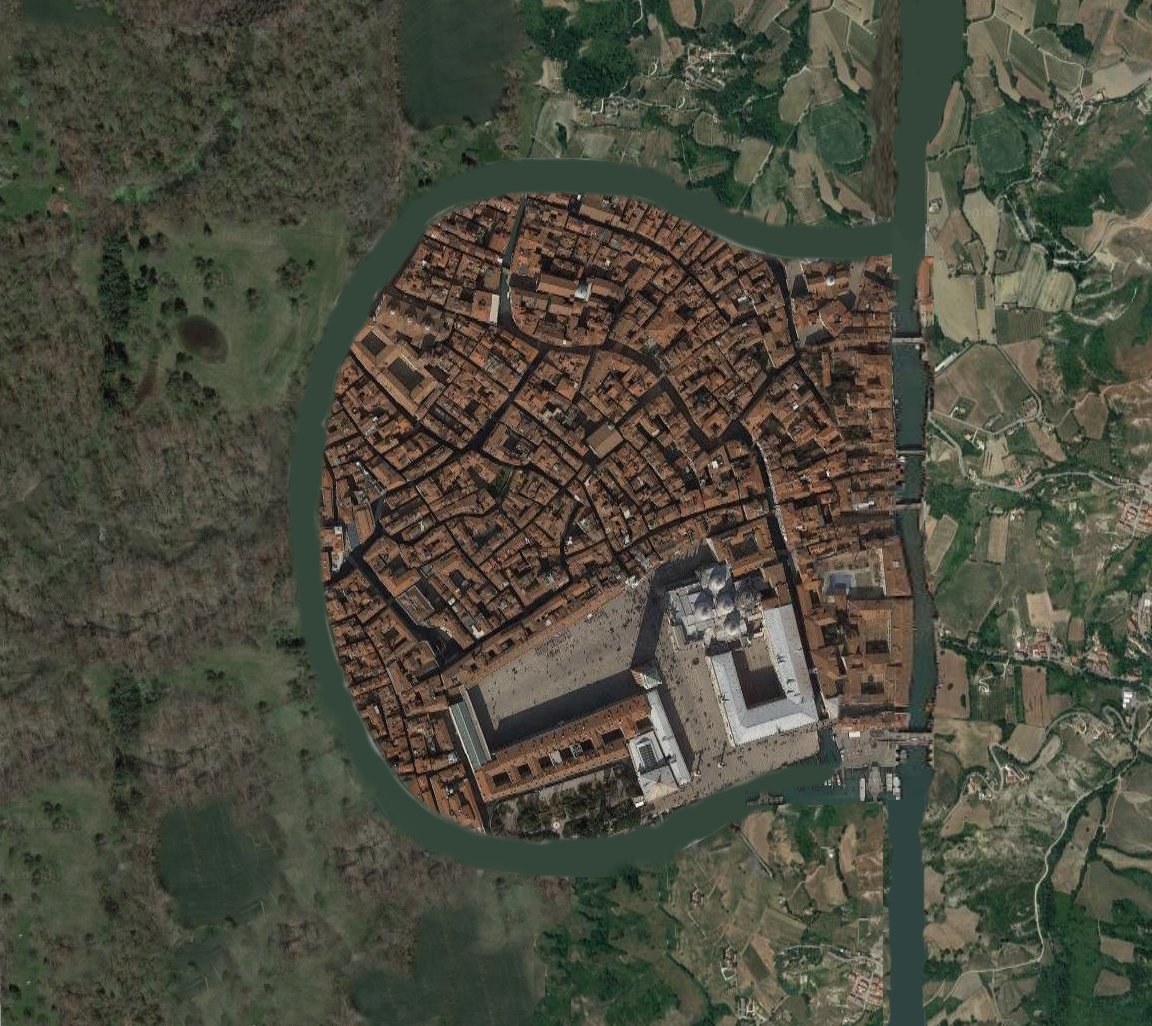
@thedecay123321 According to Google from the far SE to the far NW is 800m on winding streets. 10 min walking on a normal day.
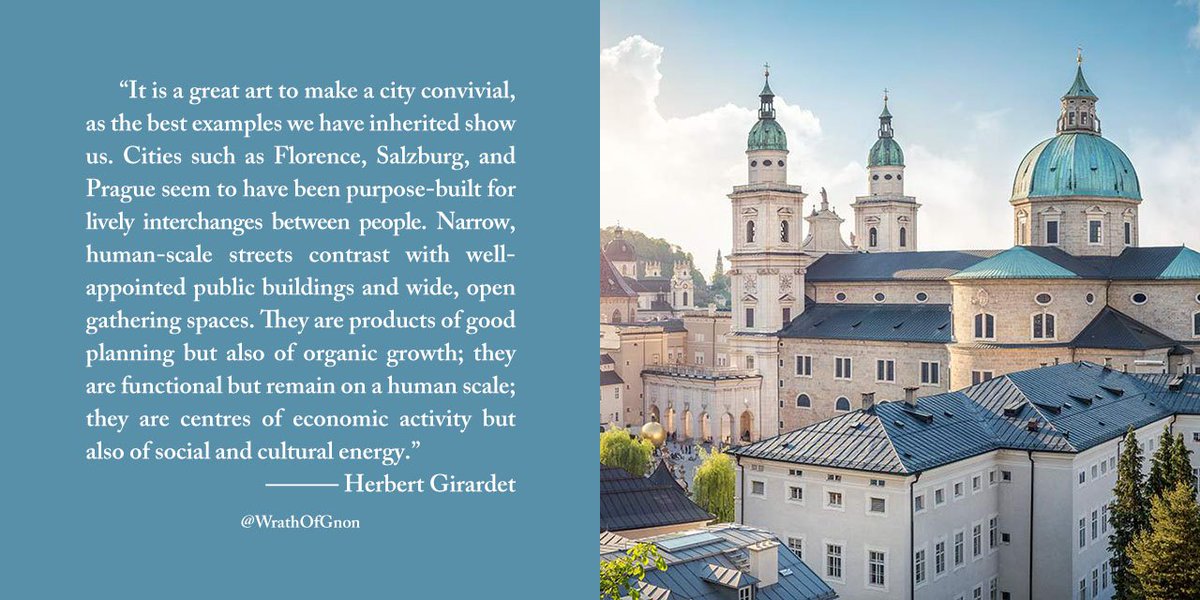
“It is a great art to make a city convivial, as the best examples we have inherited show us.”
— Herbert Girardet
— Herbert Girardet
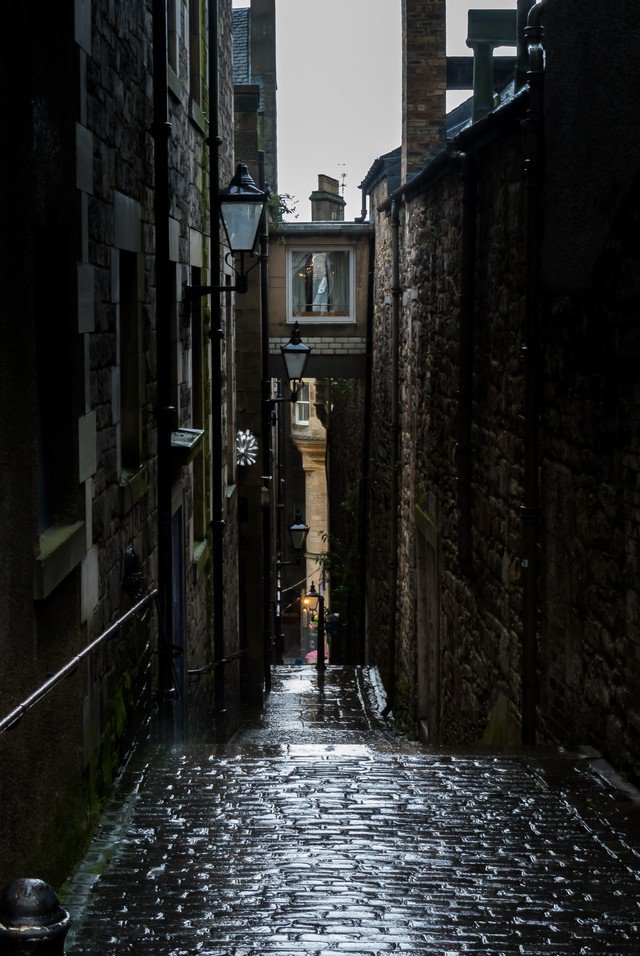
Let's get serious: how did our ancestors manage to create all these charming streets? Let's look down instead of up, at what we step on.
@namdlawekim Only 1 country hit its maximum and managed to sustain it over a few generations: 18th c. Japan 30m vs. 21st c. Japan 127m, an extreme case.
@namdlawekim Few populations other than the Japanese would tolerate the sort of rigid social control that made their massive population possible.
@namdlawekim Japan was an outlier. I think the global 18th c. figures better; 600m-1B. Africa/Americas are wildcards. 1.4B? Wild guess I'll regret....
@bastringue66 Good question but first we must figure out who the "we" in the question are and what those "we" want.
@bastringue66 Of course. And this is why us Cassandras on here will always be correct. The fall will be glorious to watch.
@postredpill We call this kind of architecture Fiscal Black Holes. The upkeep costs will raise and raise until the city has no choice but demolish it.
@MostAdvancedAI @380kmh I merely do for 13th century town planning what Alex have been doing for Trains for years! #TrainTwitter
@ItsLuckyRobin Those frugal Hapsburgers! I would have been equally enamored with a pink Empire though.
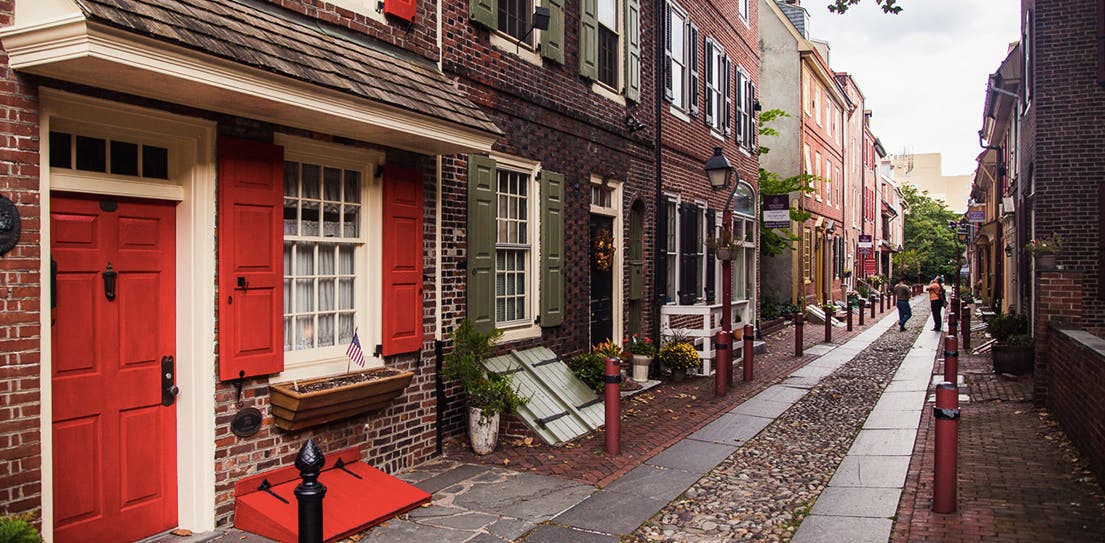
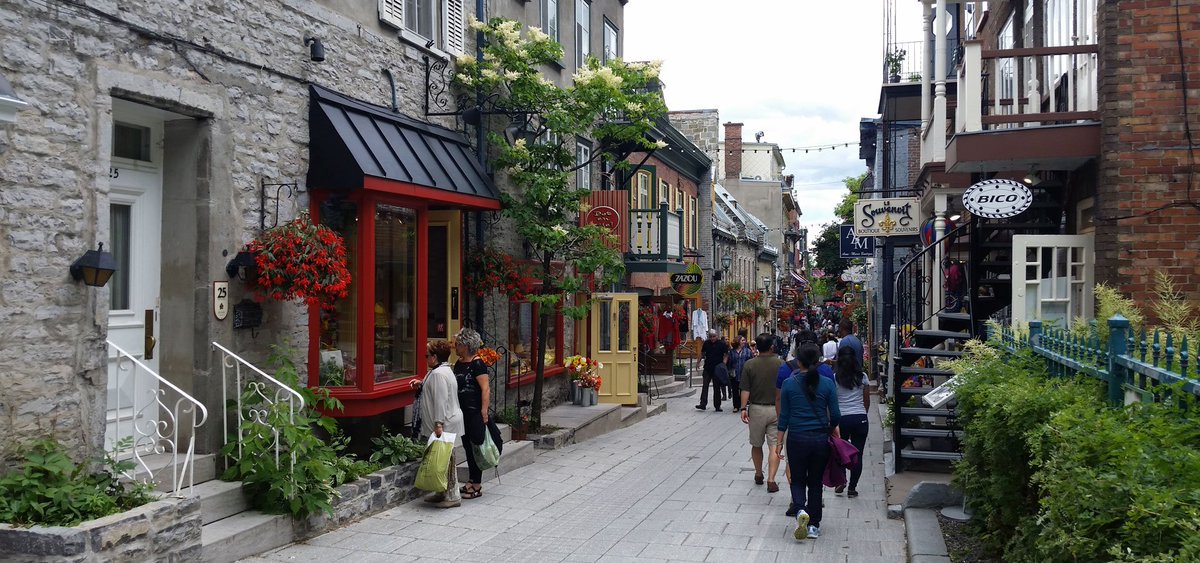
@BlackPlagueBB I have never visited so all I can go with is the street pattern. For that I say Philadelphia and Quebec: two of the very few cities that has any kind of real streets still in use.
@PanTade44669670 It is one of my favorite books!
@VandeheyMV That's why we should build a few dozen more of these instead a hundred thousand suburbs.
Loading suggestions...