
1/🧵
This is the incredible story of an anesthesiologist who, in 1946, purposefully paralyzed himself using curare.
Though conditions were controlled, by the end of the experiment he was wide awake and fully paralyzed, without any sedation.
#histmed #medtwitter #tweetorial
This is the incredible story of an anesthesiologist who, in 1946, purposefully paralyzed himself using curare.
Though conditions were controlled, by the end of the experiment he was wide awake and fully paralyzed, without any sedation.
#histmed #medtwitter #tweetorial
2/
Context:
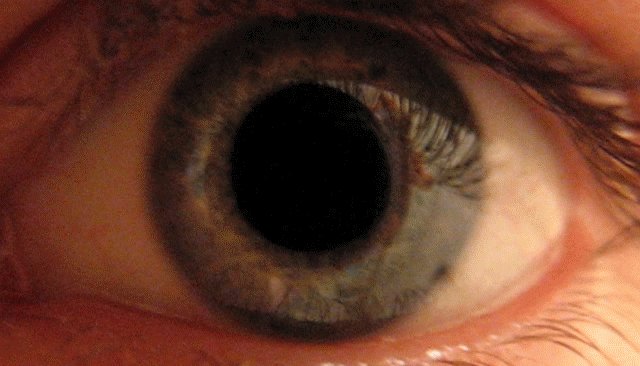
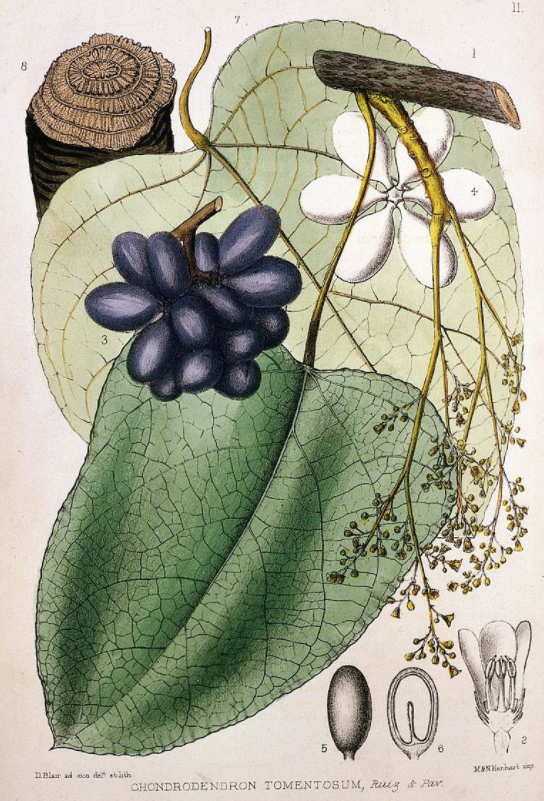
Purified forms of the neuromuscular blocker curare came into clinical use for general anesthesia in the 1930s and 1940s.
There was an active debate at the time about whether curare causes paralysis alone or if it also sedates.
pubmed.ncbi.nlm.nih.gov
Context:
Purified forms of the neuromuscular blocker curare came into clinical use for general anesthesia in the 1930s and 1940s.
There was an active debate at the time about whether curare causes paralysis alone or if it also sedates.
pubmed.ncbi.nlm.nih.gov
3/
This question had major implications for the nascent field of anesthesiology.
Some practitioners began to use curare alone during surgery, without sedation, believing that curare adequately sedated patients in addition to paralyzing them.
pubmed.ncbi.nlm.nih.gov
This question had major implications for the nascent field of anesthesiology.
Some practitioners began to use curare alone during surgery, without sedation, believing that curare adequately sedated patients in addition to paralyzing them.
pubmed.ncbi.nlm.nih.gov

4/
The anesthiologist in question was Dr. Scott Smith, a pioneer in anesthesia residency education at Utah and a future leading light in the field.
Early in his career he was understandably uncomfortable with sedation-less operative paralysis.
pubmed.ncbi.nlm.nih.gov
The anesthiologist in question was Dr. Scott Smith, a pioneer in anesthesia residency education at Utah and a future leading light in the field.
Early in his career he was understandably uncomfortable with sedation-less operative paralysis.
pubmed.ncbi.nlm.nih.gov

5/
The question of sedation plus paralysis by curare (vs paralysis alone) really was an unsettled issue at the time.
💥And so Dr. Smith chose to be the subject of his own experiment....
The question of sedation plus paralysis by curare (vs paralysis alone) really was an unsettled issue at the time.
💥And so Dr. Smith chose to be the subject of his own experiment....
6/
At 2:11 pm on January 10, 1946, with his colleagues by his side, Smith received incrementally increasing doses of the paralytic d-turbocurarine.
His clinical signs and symptoms as well as an EEG were closely monitored.
pubmed.ncbi.nlm.nih.gov
At 2:11 pm on January 10, 1946, with his colleagues by his side, Smith received incrementally increasing doses of the paralytic d-turbocurarine.
His clinical signs and symptoms as well as an EEG were closely monitored.
pubmed.ncbi.nlm.nih.gov

7/
Smith and his colleagues had worked out a step-wise communication scheme for the experiment:
1⃣First vocal responses while able
2⃣Then voluntary muscular contraction once speech was no longer possible
Once he was completely paralyzed no communication could occur.
Smith and his colleagues had worked out a step-wise communication scheme for the experiment:
1⃣First vocal responses while able
2⃣Then voluntary muscular contraction once speech was no longer possible
Once he was completely paralyzed no communication could occur.
8/
Almost immediately Smith noted difficulty closing his eyes and mouth.
At 2:20 pm Smith could no longer speak, though he could still nod his head and twitch his fingers.
His work of breathing began to visibly increase.
Almost immediately Smith noted difficulty closing his eyes and mouth.
At 2:20 pm Smith could no longer speak, though he could still nod his head and twitch his fingers.
His work of breathing began to visibly increase.

9/
2:22 pm: Smith was still able to move his head, indicating that he was wide awake and did not require endotracheal intubation.
He then received an additional dose of d-turbocurarine to try to induce full paralysis.
2:22 pm: Smith was still able to move his head, indicating that he was wide awake and did not require endotracheal intubation.
He then received an additional dose of d-turbocurarine to try to induce full paralysis.
10/
2:26 pm: Smith continued to indicate correct answers and was clearly awake.
He felt pain and his pupils remained active, though he could no longer breath spontaneously and requested respiratory support.
An oral airway was inserted and he required continuous suctioning.
2:26 pm: Smith continued to indicate correct answers and was clearly awake.
He felt pain and his pupils remained active, though he could no longer breath spontaneously and requested respiratory support.
An oral airway was inserted and he required continuous suctioning.
11/
2:35 pm: Smith noted marked diplopia when his eyelids were manually lifted.
By 2:45pm, he was totally paralyzed without any voluntary skeletal muscle movement whatsoever.
Finally his colleagues intubated him shortly thereafter.
2:35 pm: Smith noted marked diplopia when his eyelids were manually lifted.
By 2:45pm, he was totally paralyzed without any voluntary skeletal muscle movement whatsoever.
Finally his colleagues intubated him shortly thereafter.
12/
2:51 pm: Smith received neostigmine to begin paralysis reversal.
Over the next two hours he received additional doses of neostigmine and had progressive recovery of respiratory/swallowing capacity as well as limb strength.
By 6 pm he felt weak but essentially normal.
2:51 pm: Smith received neostigmine to begin paralysis reversal.
Over the next two hours he received additional doses of neostigmine and had progressive recovery of respiratory/swallowing capacity as well as limb strength.
By 6 pm he felt weak but essentially normal.
13/
Afterward, Smith recalled what it was like for him to become progressively paralyzed.
In particular he relayed the profound sense of dyspnea and choking he felt prior to intubation, almost as if drowning.
Afterward, Smith recalled what it was like for him to become progressively paralyzed.
In particular he relayed the profound sense of dyspnea and choking he felt prior to intubation, almost as if drowning.
14/
"I felt that I would give anything to be able to take one deep breath. The period of a few seconds taken for the tracheal intubation seemed unusually long".
30 years later Smith recalled anxiety and panic so profound that he felt almost psychotic.
pubmed.ncbi.nlm.nih.gov
"I felt that I would give anything to be able to take one deep breath. The period of a few seconds taken for the tracheal intubation seemed unusually long".
30 years later Smith recalled anxiety and panic so profound that he felt almost psychotic.
pubmed.ncbi.nlm.nih.gov
15/
It is impossible to not question the ethics and wisdom of what Smith and his colleagues did, having exposed himself to significant risk and suffering without any medical indication.
No IRB would ever now approve what happened.
He would probably lose his medical license.
It is impossible to not question the ethics and wisdom of what Smith and his colleagues did, having exposed himself to significant risk and suffering without any medical indication.
No IRB would ever now approve what happened.
He would probably lose his medical license.
16/
At the same time, in the context of medical practice in the 1940s, Smith responded to a situation of clear danger to patients - a misunderstanding about the effects of curare and its resultant misuse.
At the same time, in the context of medical practice in the 1940s, Smith responded to a situation of clear danger to patients - a misunderstanding about the effects of curare and its resultant misuse.
17/
Indeed, after Smith published his paper the practice of paralysis without sedation finally stopped.
pubmed.ncbi.nlm.nih.gov
Indeed, after Smith published his paper the practice of paralysis without sedation finally stopped.
pubmed.ncbi.nlm.nih.gov
18/
Medicine has always had a complex relationship with self-experimentation.
Think Werner Forssmann performing the first right heart catheterization on himself as a surgical resident in 1929 (he was fired but later won the Nobel Prize).
ncbi.nlm.nih.gov
Medicine has always had a complex relationship with self-experimentation.
Think Werner Forssmann performing the first right heart catheterization on himself as a surgical resident in 1929 (he was fired but later won the Nobel Prize).
ncbi.nlm.nih.gov

19/
Or Barry Marshall (right) developing severe gastritis and ulcerations after experimentally ingesting a concentrated solution of H. pylori.
He too later won a Nobel Prize with his research partner, Robin Warren.
ncbi.nlm.nih.gov
Or Barry Marshall (right) developing severe gastritis and ulcerations after experimentally ingesting a concentrated solution of H. pylori.
He too later won a Nobel Prize with his research partner, Robin Warren.
ncbi.nlm.nih.gov

20/
In paralyzing himself, Scott Smith was situated firmly in this tradition of physician self-experimentation.
And, in doing so, he undoubtedly made general anesthesia safer and more humane for patients.
In paralyzing himself, Scott Smith was situated firmly in this tradition of physician self-experimentation.
And, in doing so, he undoubtedly made general anesthesia safer and more humane for patients.
21/
Paralytics gained wider use by anesthesiologists by the 1950s, as a result of Smith's paper.
Pharmaceutical companies responded by developing superior options including pancurionium and succinylcholine, which remain in use to this day.
Paralytics gained wider use by anesthesiologists by the 1950s, as a result of Smith's paper.
Pharmaceutical companies responded by developing superior options including pancurionium and succinylcholine, which remain in use to this day.
22/Fin
In 1946 an anesthesiologist in Utah purposefully paralyzed himself using curare.
This is unimaginable today.
But we surely owe him a debt of gratitude.
In 1946 an anesthesiologist in Utah purposefully paralyzed himself using curare.
This is unimaginable today.
But we surely owe him a debt of gratitude.
Major thank you to @Marty_Fried for thoughtful input on this thread.
Loading suggestions...