
Master Deep Dive: Zinc
Can This Essential Mineral Help Fight COVID-19?
And Why Aren’t You Hearing About It?
// A Thread //
Can This Essential Mineral Help Fight COVID-19?
And Why Aren’t You Hearing About It?
// A Thread //
What is Zinc?
Zinc is an essential trace element required and responsible for various vital functions within the brain and body. Antioxidant fighting, hormone balance, learning, memory, and mood to name only a few.
Zinc is an essential trace element required and responsible for various vital functions within the brain and body. Antioxidant fighting, hormone balance, learning, memory, and mood to name only a few.
Some Zinc benefits:
Zinc is an antioxidant and anti-inflammatory which supports healthy cell division and brain function. Zinc balances hormones that have a direct role in sexual health, but also in controlling anxiety, stress, mood, and sleep.
Zinc is an antioxidant and anti-inflammatory which supports healthy cell division and brain function. Zinc balances hormones that have a direct role in sexual health, but also in controlling anxiety, stress, mood, and sleep.
Furthermore, healthy zinc levels help lower inflammation and oxidative stress. The thin layer of cells that line blood vessels rely on adequate zinc levels = supporting a strong blood-brain barrier and cerebral blood flow.
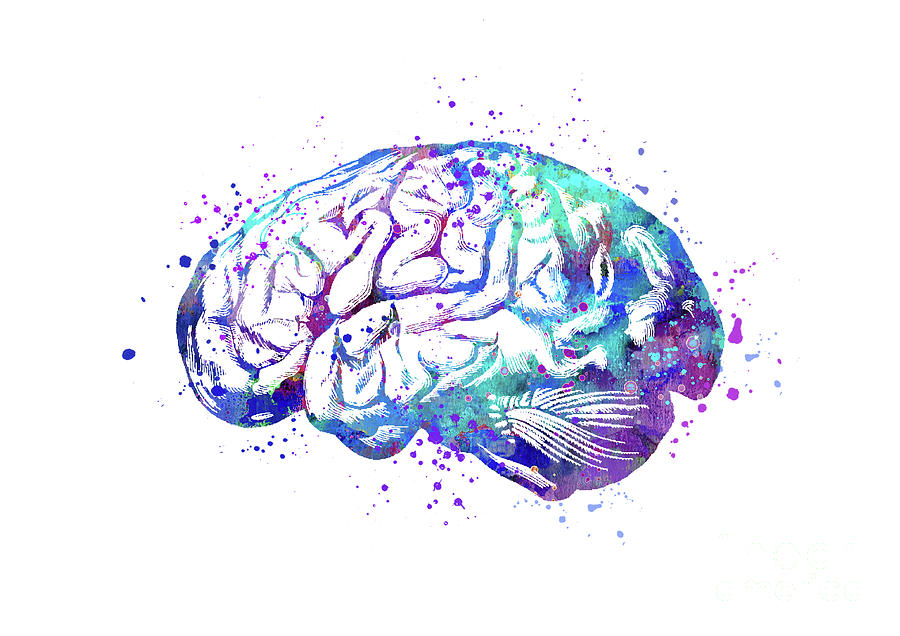
Zinc also plays a role in modulating your brain and body’s response to stress and depression. More than 100 enzymes in your body use zinc to help make DNA, protein synthesis, and cell division. The highest amounts of zinc are found in your brain - particularly your hippocampus.
Adequate levels of zinc will increase your immunity and help you fight colds. A clinical review concluded that zinc is beneficial in reducing the duration and severity of the common cold in healthy people when taken within 24 hours of the onset of symptoms ( more on this below).
Your body needs about 10 – 20 mg of zinc PER DAY because it can’t store zinc. When zinc levels are low, you’ll feel fatigued, concentration will be poor, you’ll get sick more often, and simple wounds won’t heal.

Zinc deficiency symptoms include:
Brain fog, cravings for salty or sweet foods, hair loss, irritable bowel syndrome, infertility & impotence, hyperactivity, delayed wound healing, impaired adrenal function resulting in anxiety and stress, low immunity- you get colds and flu more
Brain fog, cravings for salty or sweet foods, hair loss, irritable bowel syndrome, infertility & impotence, hyperactivity, delayed wound healing, impaired adrenal function resulting in anxiety and stress, low immunity- you get colds and flu more
Zinc deficiency affects approximately 1/3 of the population worldwide and is considered a global nutritional problem, affecting groups in both developed and developing countries. According to a WHO report, zinc deficiency is responsible for ~1.4% of annual deaths..
What are the best sources for zinc?
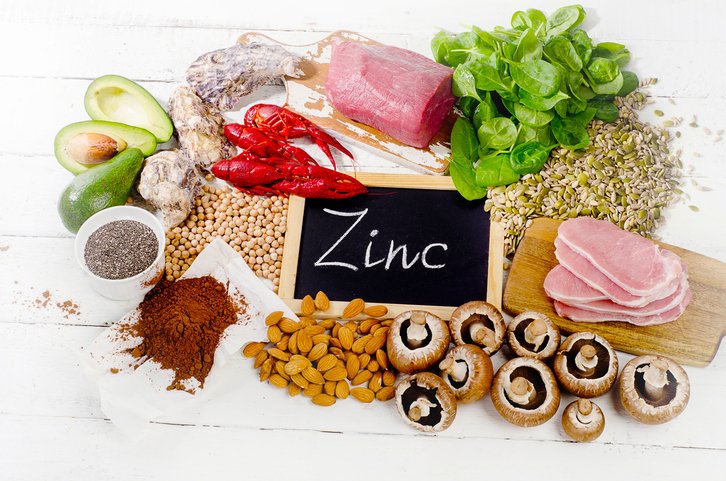
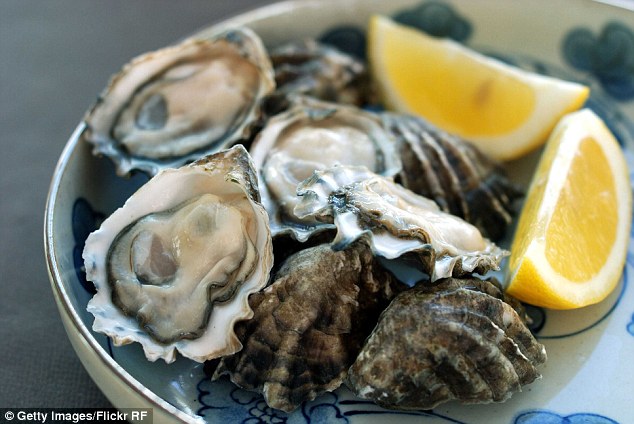
Seafood such as oysters or lobster, beef, and cheese. Zinc is also present in eggs, yogurt, cheese, and some nuts. Zinc is found in grains however is bound to phytates naturally found in these grains, which block zinc absorption in your body.
Seafood such as oysters or lobster, beef, and cheese. Zinc is also present in eggs, yogurt, cheese, and some nuts. Zinc is found in grains however is bound to phytates naturally found in these grains, which block zinc absorption in your body.
Don't overdo it:
Your body needs zinc, but too much zinc is toxic. More than 50 mg per day can throw off your copper levels, mess with iron function, and reduce immune function. This may result in abdominal cramps, diarrhea, headaches, loss of appetite, and vomiting.
Your body needs zinc, but too much zinc is toxic. More than 50 mg per day can throw off your copper levels, mess with iron function, and reduce immune function. This may result in abdominal cramps, diarrhea, headaches, loss of appetite, and vomiting.
Zinc is essential for the integrity of the immune system, with an important role in the maintenance, development, and activation of cells during immune responses.
Zinc has direct antiviral activity, which makes it essential for the immune response to viral infection.
Zinc has direct antiviral activity, which makes it essential for the immune response to viral infection.
Zinc deficiency decreases the activity of natural killer (NK) cells and T cells, both of which are involved in the destruction of viruses, bacteria, and tumor cells.
You can already start to imagine how important this mineral is to fighting COVID...
You can already start to imagine how important this mineral is to fighting COVID...
Worldwide, about 16% of lower respiratory tract infections occur due to zinc deficiency, suggesting a possible link between this nutritional deficiency and the increased risk of SARS-CoV-2 infection and severe disease progression.
Why is the media quiet on this?
Why is the media quiet on this?
FURTHERMORE, clinical studies have shown that zinc supplementation can also reduce, BY UP TO 54%, the severity, and duration of various cold symptoms, such as fever, cough, sore throat, muscle pain, and nasal congestion, which may also occur after SARS-CoV-2 infection.
In a Case Report Series of four patients with COVID-19, administration of high doses of oral zinc (up to 207 mg/day) was possibly associated with improved oxygenation and fast resolution of shortness of breath after 1 day of treatment.
frontiersin.org
frontiersin.org
Want more RootCause? Join our newsletter.
At RootCause our doctors continually press the envelope by challenging conventional approaches, asking better questions, and knowing that not everything matches the textbook.
Straight to your mailbox:
awesome-creator-3945.ck.page
At RootCause our doctors continually press the envelope by challenging conventional approaches, asking better questions, and knowing that not everything matches the textbook.
Straight to your mailbox:
awesome-creator-3945.ck.page
Loading suggestions...