

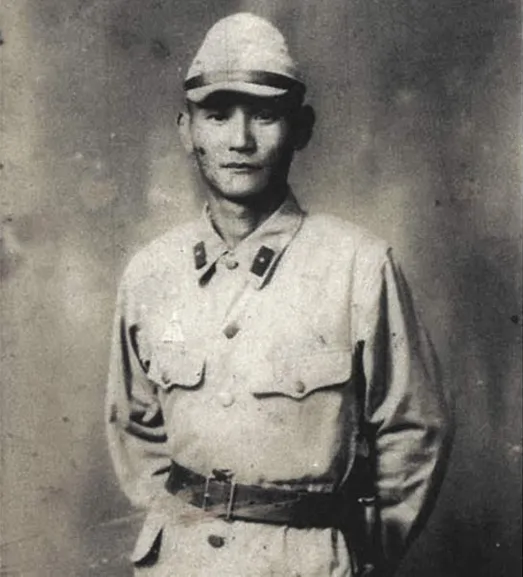
The oldest man in recorded history, Kimura Jiroemon, lived to 116
He was followed by a group of researchers from the age of 111 until his death. They measured a wide range of health markers
Here's what they learned:
He was followed by a group of researchers from the age of 111 until his death. They measured a wide range of health markers
Here's what they learned:
1- Physical activity
At age 111 Jiroemon was able to perform most activities of daily living independently such as eating, hygiene, and dressing
Maintaining functional independence is a major marker of health. Once we loose it, things go downhill fast
At age 111 Jiroemon was able to perform most activities of daily living independently such as eating, hygiene, and dressing
Maintaining functional independence is a major marker of health. Once we loose it, things go downhill fast
This re-iterates that the aim of exercise should be to maintain physical independence and functional ability into old age
Train for the “Centenarian Olympics” as @PeterAttiaMD puts it
Train for the “Centenarian Olympics” as @PeterAttiaMD puts it
2- Cognitive function
His memory and comprehension were maintained throughout
He also scored high on measures of psychological well-being
These are expected outcomes and re-enforce the importance of psychological well-being as a factor for longevity
His memory and comprehension were maintained throughout
He also scored high on measures of psychological well-being
These are expected outcomes and re-enforce the importance of psychological well-being as a factor for longevity
Let's move on to the more interesting stuff:
3- Blood pressure
His BP was:
127/51 at age 113
131/94 at age 115
(he did record a reading of 179/94 at age 111 but this was thought to be not representative and likely due to "white coat syndrome")
3- Blood pressure
His BP was:
127/51 at age 113
131/94 at age 115
(he did record a reading of 179/94 at age 111 but this was thought to be not representative and likely due to "white coat syndrome")
I think BP is an underrated marker of cardiovascular health in public discourse. One that everyone should be paying attention to
You can't live with raised BP for very long
It is the leading cause of cardiovascular disease (more than any other risk factor)
You can't live with raised BP for very long
It is the leading cause of cardiovascular disease (more than any other risk factor)
4- Inflammation (CRP)
His CRP level was very low (0.03 mg/dL) at 111.5 years
The optimal range is approximately <0.021
But his CRP goes up quickly before his death
Up to 0.18 at age 113.3 then 0.3 at age 115.7 close to his death
His CRP level was very low (0.03 mg/dL) at 111.5 years
The optimal range is approximately <0.021
But his CRP goes up quickly before his death
Up to 0.18 at age 113.3 then 0.3 at age 115.7 close to his death
5- Blood sugar
Throughout this period his blood sugar was great
His average fasting glucose was 92.6 mg/dL (optimal range is between 80-95) and HbA1c was 5.2 (optimal less than 5.5)
Throughout this period his blood sugar was great
His average fasting glucose was 92.6 mg/dL (optimal range is between 80-95) and HbA1c was 5.2 (optimal less than 5.5)
6- Lipids
Low TG, high HDL, low LDL
Very low triglycerides until death (average of 76 mg/dL)
HDL cholesterol was similar to someone in their early 20s! (with an average of 61 mg/dL)
LDL cholesterol was low with an average of 77 mg/dL (optimal <100)
Low TG, high HDL, low LDL
Very low triglycerides until death (average of 76 mg/dL)
HDL cholesterol was similar to someone in their early 20s! (with an average of 61 mg/dL)
LDL cholesterol was low with an average of 77 mg/dL (optimal <100)
The only abnormal results at age 111 were:
Elevated cystatin C levels (1.32 mg/L) which suggests kidney dysfunction
albumin, hemoglobin and hematocrit levels were slightly lower than reference ranges
Elevated cystatin C levels (1.32 mg/L) which suggests kidney dysfunction
albumin, hemoglobin and hematocrit levels were slightly lower than reference ranges
At age 111, he only had mild dysfunction of the kidney and electrical conduction of the heart
At 115.1 years of age, he was diagnosed with a severe electrical heart abnormality, followed by rapidly progressive heart failure
He eventually died at age 116
At 115.1 years of age, he was diagnosed with a severe electrical heart abnormality, followed by rapidly progressive heart failure
He eventually died at age 116
A few quote from the conclusion of the study:
" A detailed clinical course of the world's oldest man suggested that delaying cardiac aging might contribute to extreme longevity"
" A detailed clinical course of the world's oldest man suggested that delaying cardiac aging might contribute to extreme longevity"
"underlying progressive diminution of functional reserve and adaptive capacity associated with aging, rather than prolonged chronic illnesses, is a key determinant of mortality as the limit of human longevity is approached"
Reference: Clinical course of the longest-lived man in the world: A case report. Published in Experimental Gerontology March 2022
Jiroemon Kimura RIP (1897 – 2013)

Loading suggestions...