

The 5 Top Health Benefits of Taking Cold Showers, Ice Baths, & Cold Exposure
// A Thread //
// A Thread //
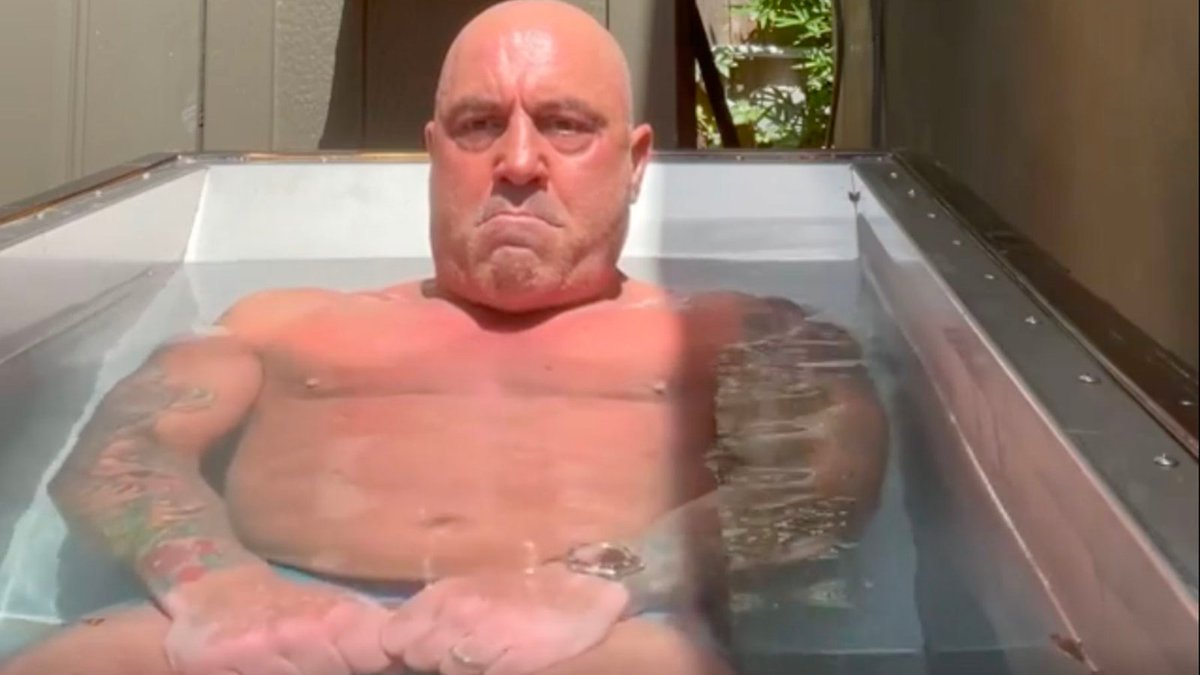
1. A Healthy Biochemical Response
Various hormones such as catecholamines, insulin, Thyroid-stimulating hormone (TSH), Adrenocorticotropic hormone (ACTH), and cortisol react and increase in response to cold stressors.
Various hormones such as catecholamines, insulin, Thyroid-stimulating hormone (TSH), Adrenocorticotropic hormone (ACTH), and cortisol react and increase in response to cold stressors.
Exposure to cold is known to activate the sympathetic nervous system and increase the blood level of beta-endorphin and noradrenaline and increase synaptic release of noradrenaline in the brain.
sciencedirect.com
sciencedirect.com
2. Mental Clarity & Antidepressant
One of the most consistent physiological responses to cold exposure is a robust release of norepinephrine.
Norepinephrine is a key player in mood and cognitive enhancement and is a neurotransmitter involved in focus and attention.
One of the most consistent physiological responses to cold exposure is a robust release of norepinephrine.
Norepinephrine is a key player in mood and cognitive enhancement and is a neurotransmitter involved in focus and attention.
Furthermore, due to the high density of cold receptors in the skin, a cold shower is expected to send an overwhelming amount of electrical impulses from peripheral nerve endings to the brain, which could result in an antidepressant effect.
pubmed.ncbi.nlm.nih.gov
pubmed.ncbi.nlm.nih.gov
3. Immune System Strength, Health, and Longevity
Increased immune response & longevity via cold exposure could be due to hormesis.
Hormesis refers to the paradoxical adaptation that makes animals stronger and more efficient if they are exposed to environmental stresses.
Increased immune response & longevity via cold exposure could be due to hormesis.
Hormesis refers to the paradoxical adaptation that makes animals stronger and more efficient if they are exposed to environmental stresses.
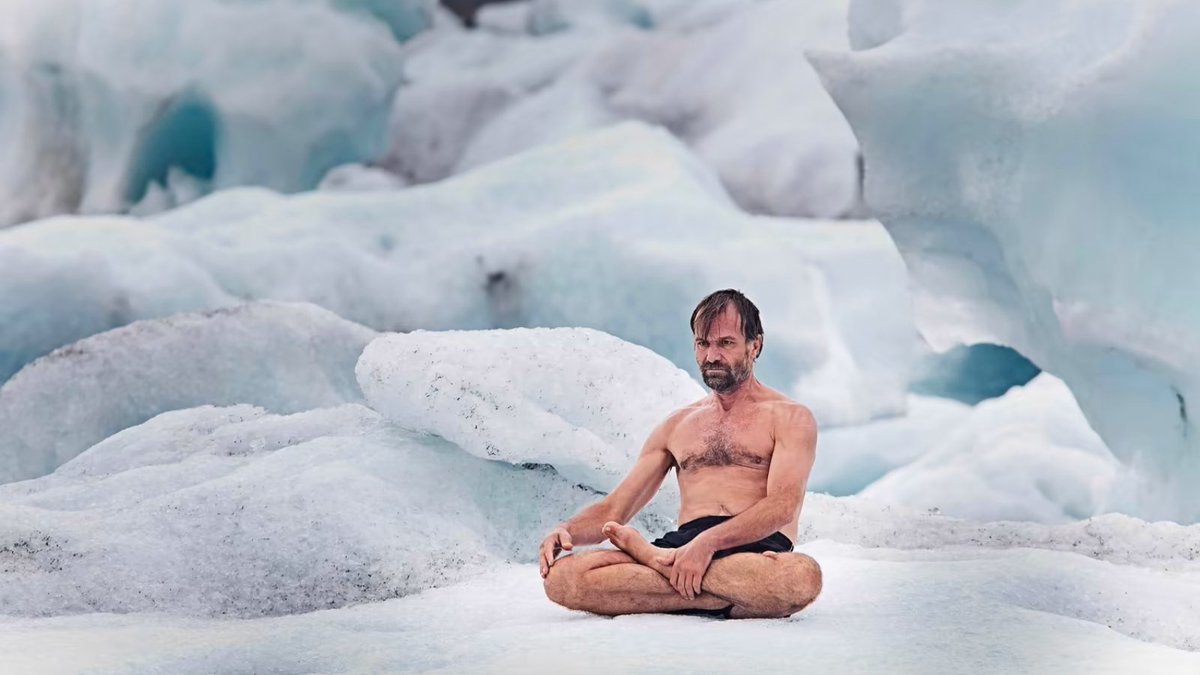
Furthermore, cold exposure may increase the numbers of white blood cells, including cytotoxic T lymphocytes, a specialized type of immune cell that can kill cancer cells.
journals.physiology.org
journals.physiology.org
In one randomized controlled trial, routinely showering (hot-to-) cold (for at least 30 seconds) resulted in a 29% reduction of self-reported sick leave from work.
journals.plos.org
journals.plos.org
4. Brown Fat Activation
A study in which healthy young men were exposed to cold for two hours a day for 20 days found that brown fat volume increased by 45% and cold-induced total brown fat oxidative metabolism increased more than twofold.
A study in which healthy young men were exposed to cold for two hours a day for 20 days found that brown fat volume increased by 45% and cold-induced total brown fat oxidative metabolism increased more than twofold.
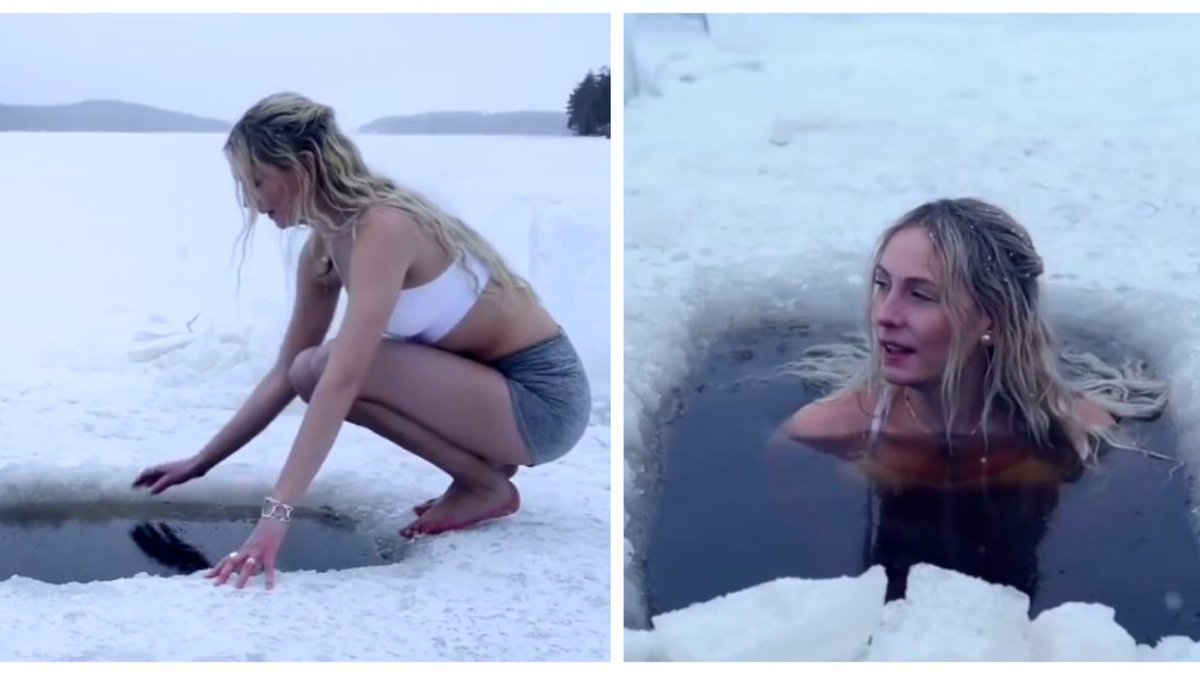
The activation of brown fat upon cold exposure may improve glucose and insulin sensitivity, increase fat utilization, and protect against obesity.
Cold exposure also increases brown fat volume, drives glucose uptake, and increases oxidative metabolism.
pubmed.ncbi.nlm.nih.gov
Cold exposure also increases brown fat volume, drives glucose uptake, and increases oxidative metabolism.
pubmed.ncbi.nlm.nih.gov
5. Morning Core Temperature
Taking a cold shower or ice bath first thing in the morning will reduce your body temperature initially, but will activate your body’s inherent reflex to raise your core temperature back up.
Taking a cold shower or ice bath first thing in the morning will reduce your body temperature initially, but will activate your body’s inherent reflex to raise your core temperature back up.
Your body increases blood flow to warm your core and protect vital organs. At the same time, it constricts circulation near your skin.
This results in more alertness and wakefulness, possibly improving morning effectiveness.
This results in more alertness and wakefulness, possibly improving morning effectiveness.
If you are looking for a deep dive into specific protocols and safety regarding ice baths, would highly recommend checking out @hubermanlab protocol below:
hubermanlab.com
hubermanlab.com
Finally, if you are struggling to remain consistent with using cold showers or the sauna, would highly recommend tracking your progress via a journal.
In the past, I have provided patients templates and have published a simple version for all of you as well.
In the past, I have provided patients templates and have published a simple version for all of you as well.
Take advantage of the tremendous health and longevity benefits of cold showers and sauna use by consistently tracking your progress over time.
Recommend grabbing the hardcover.
amazon.com
Recommend grabbing the hardcover.
amazon.com
Loading suggestions...