

Some negotiation secrets to get people to give you what you want.
Read below.
Read below.
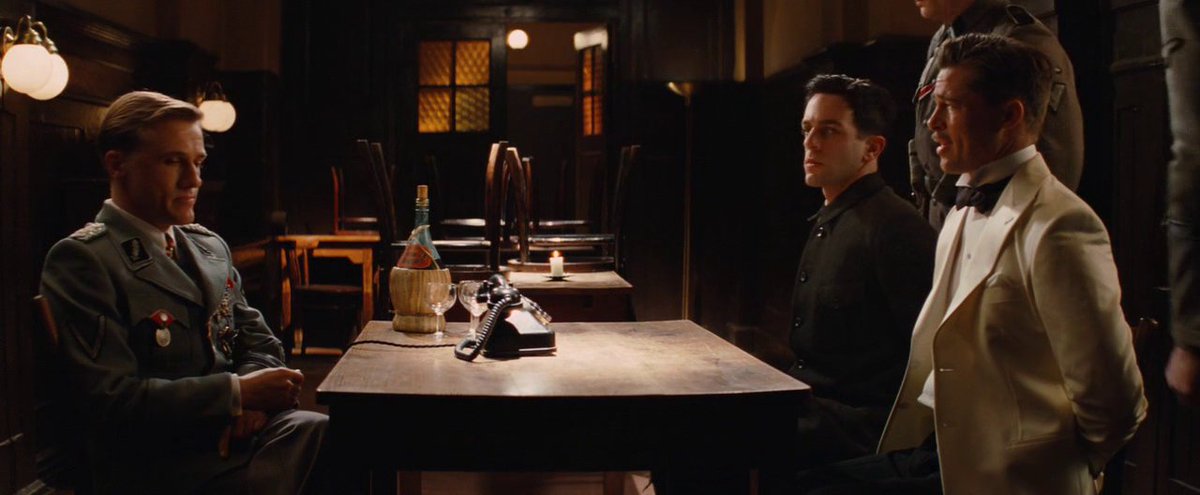
Negotiation is part of everyday life.
You negotiate with everyone all the time to get what you want.
Top positions in any industry basically do that all the time.
You negotiate with everyone all the time to get what you want.
Top positions in any industry basically do that all the time.
Negotiation is the most important skill to master to succeed in all areas of life.
Yet, most people fail miserably at it.
Today is the day you separate yourself from these unfortunates.
Let’s dive in and see how to make people tell you “YES”.
Yet, most people fail miserably at it.
Today is the day you separate yourself from these unfortunates.
Let’s dive in and see how to make people tell you “YES”.
People fall into two different categories when it comes to negotiation:
The hard approach.
The soft approach.
The hard approach.
The soft approach.
The hard approach is assertive or aggressive and seeks to win.
The soft approach is more concerned with the relationship and has difficulties saying no.
The soft approach is more concerned with the relationship and has difficulties saying no.
The soft approach is great… When dealing with other soft negotiators.
However, it loses big when facing other hard negotiators.
However, it loses big when facing other hard negotiators.
The hard approach works.
But you create resentful partners with whom you will never be able to deal again.
Keep Reading.
But you create resentful partners with whom you will never be able to deal again.
Keep Reading.
Successful negotiation requires being both firm and open.
You don’t have to choose between hard and soft.
The secret is to be hard on the topic of negotiation while being warm and respectful towards the people.
You don’t have to choose between hard and soft.
The secret is to be hard on the topic of negotiation while being warm and respectful towards the people.
Successful Negotiation is based on four pillars:
▪️ Separating people from the issue.
▪️ Focus on interests, not positions.
▪️ Generating options for mutual gain.
▪️ Insisting on using objective criteria.
▪️ Separating people from the issue.
▪️ Focus on interests, not positions.
▪️ Generating options for mutual gain.
▪️ Insisting on using objective criteria.
Separate People From The Problem.
Constant battle for dominance threatens the relationship
In negotiations, it’s easy for egos to get in the way.
When you identify people with positions or problems.
Constant battle for dominance threatens the relationship
In negotiations, it’s easy for egos to get in the way.
When you identify people with positions or problems.
It’s most likely that negotiations risk escalating and/or reaching an impasse because you end up in adversarial negotiations.
People end up stuck not because the proposed solution is not good for them.
They just don’t want to seem like they are caving in.
People end up stuck not because the proposed solution is not good for them.
They just don’t want to seem like they are caving in.
Focus on Interests, Not Positions.
When you focus on positions you blind yourself to alternative solutions.
It’s more likely that you end up in adversarial positions.
While we seek to win with our positions, we can find many different to meet our interests.
When you focus on positions you blind yourself to alternative solutions.
It’s more likely that you end up in adversarial positions.
While we seek to win with our positions, we can find many different to meet our interests.
Insist on Using Objective Criteria.
Using objective criteria and agreeing on fair standards is all the more important when the parties are in direct opposition.
These are the types of negotiations that are at the highest risk of becoming adversarial.
Using objective criteria and agreeing on fair standards is all the more important when the parties are in direct opposition.
These are the types of negotiations that are at the highest risk of becoming adversarial.
Always frame your offer as a win/win proposal.
If you want people to adhere to your offer, they must see an incentive to do so.
Otherwise, no one would give you what you want.
If you want people to adhere to your offer, they must see an incentive to do so.
Otherwise, no one would give you what you want.
Dirty Negotiation Tricks:
Most people respond to dirty tactics by doing nothing and hoping it won’t happen again.
It’s usually not a good solution.
Most people respond to dirty tactics by doing nothing and hoping it won’t happen again.
It’s usually not a good solution.
Responding in kind is also not a good idea.
The solution is to draw attention to the trick and then negotiate fairer rules for the rest of the negotiation.
Sometimes you can strategically pretend you’re falling for it
The solution is to draw attention to the trick and then negotiate fairer rules for the rest of the negotiation.
Sometimes you can strategically pretend you’re falling for it
Here’s a summary of what we just explained:
1. Separate the problems from the people.
2. Negotiate based on interests, not on positions.
3. Look for shared interests.
4. Be open to changing opinion based on facts.
1. Separate the problems from the people.
2. Negotiate based on interests, not on positions.
3. Look for shared interests.
4. Be open to changing opinion based on facts.
If you enjoyed this thread, you'll find in the Social Skills Playbook a useful tool to master social dynamics.
Get it today:
Here, it’s yours.
For $0.
atlasegodriven.gumroad.com
Get it today:
Here, it’s yours.
For $0.
atlasegodriven.gumroad.com
Fin.
If you enjoyed this thread and want more of these:
1. Comment on what issue you'd like me to analyze for you.
2. RT the first tweet of this thread.
3. Follow me @DentesLeo.
Grand Rising.
If you enjoyed this thread and want more of these:
1. Comment on what issue you'd like me to analyze for you.
2. RT the first tweet of this thread.
3. Follow me @DentesLeo.
Grand Rising.
Loading suggestions...