

A true Flavor Master understands how to properly season food.
Most people have no idea what they’re doing.
This guide to seasoning food will put you ahead of 99% of people:
Most people have no idea what they’re doing.
This guide to seasoning food will put you ahead of 99% of people:

Every chef I ever worked for, before tasting food I prepared, asked, “is this seasoned?”
It’s important to understand that most mass-market prepared foods are designed to over-stimulate your palate.
It’s important to understand that most mass-market prepared foods are designed to over-stimulate your palate.
This is because as flavor molecules are perceived on your palate, it takes more and more of the same flavor over time to generate the same initial “burst” of pleasure response.
This is known as the Law of Diminishing Returns and one reason that 🐙 believes that tasting menus (aka Omakase) can be truly revelatory experiences.
A master chef can prepare 18-20 small bites in a truly magical progression.
A master chef can prepare 18-20 small bites in a truly magical progression.
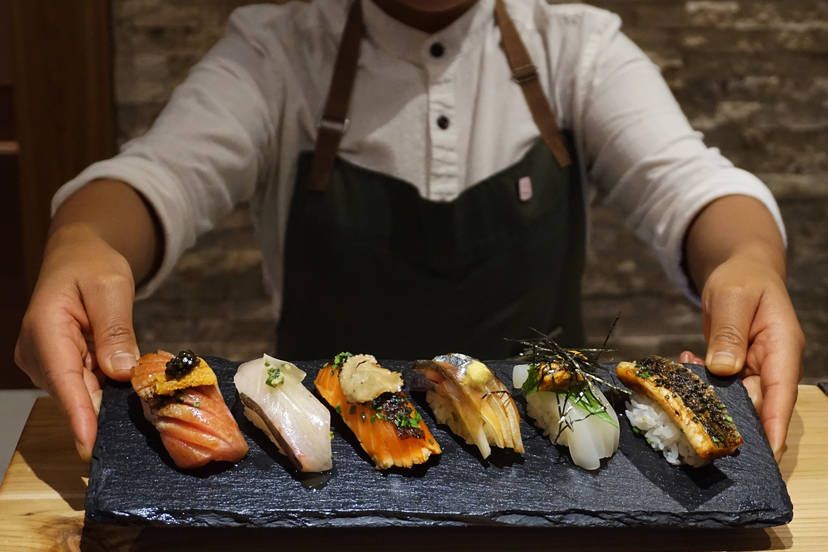
Because there is a small quantity, the master perfectly balances pleasure with a serving of “just enough” to satisfy the guest and leave them ready for the next course.
Aside from portion size, a giant factor in enjoying what we eat comes down to seasoning.
Aside from portion size, a giant factor in enjoying what we eat comes down to seasoning.
Many people feel very insecure about seasoning their food.
It isn’t rocket science, and should be noted that this is largely subjective.
People have different responses to salt, spice etc… so “perfection” shouldn’t be the goal.
We just want our food to taste delicious.
It isn’t rocket science, and should be noted that this is largely subjective.
People have different responses to salt, spice etc… so “perfection” shouldn’t be the goal.
We just want our food to taste delicious.
Don’t overthink this!
To achieve this, you need to taste your food while cooking 💡
This may sound basic AF, but you’d be shocked by the number of people who do not taste their food when they cook.
Let’s talk about SEASONING 👇👇
To achieve this, you need to taste your food while cooking 💡
This may sound basic AF, but you’d be shocked by the number of people who do not taste their food when they cook.
Let’s talk about SEASONING 👇👇
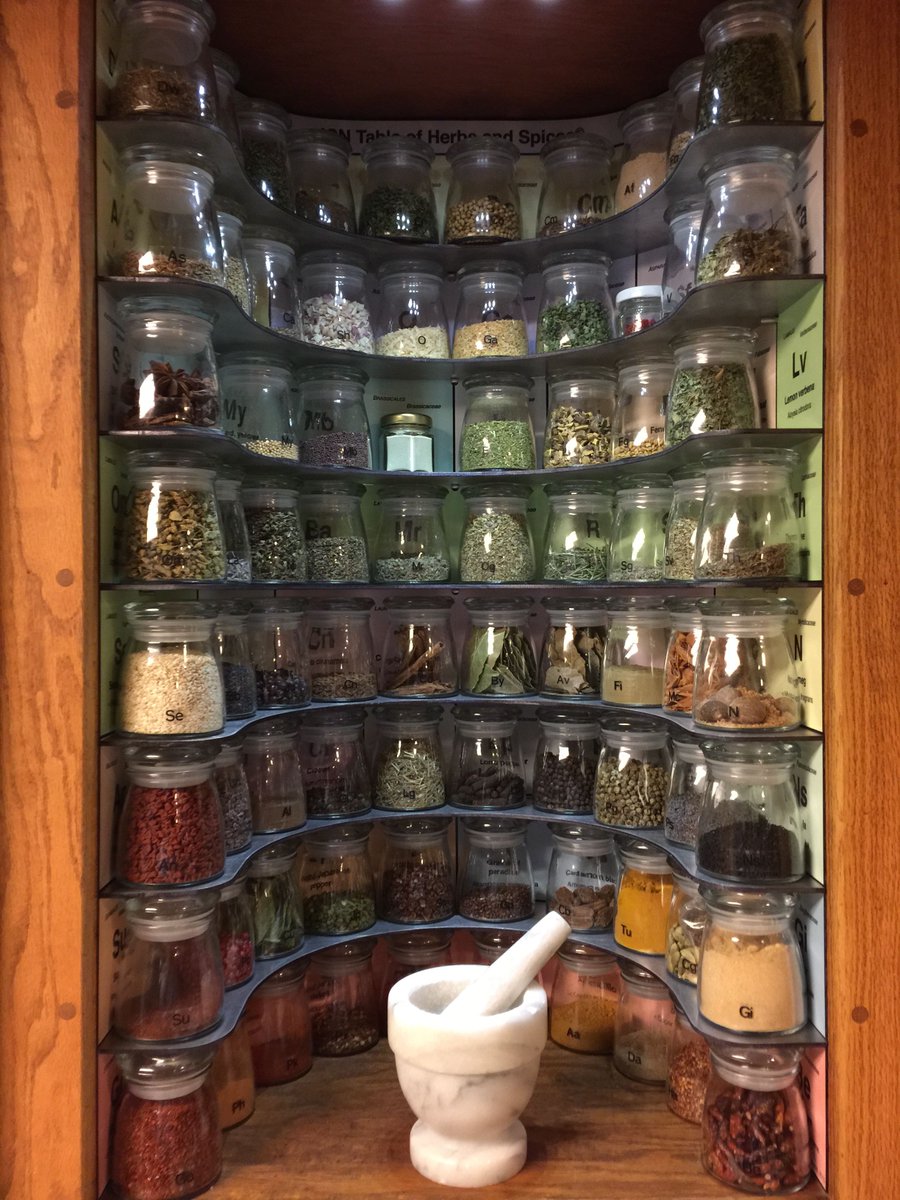
What is seasoning?
At its’ most elementary, “seasoning” is the process of enhancing flavors in the food you are cooking through salt, sour/acid, sugar, bitter and umami.
Important to note that while salt is the largest component of seasoning, it is not the only one!
At its’ most elementary, “seasoning” is the process of enhancing flavors in the food you are cooking through salt, sour/acid, sugar, bitter and umami.
Important to note that while salt is the largest component of seasoning, it is not the only one!
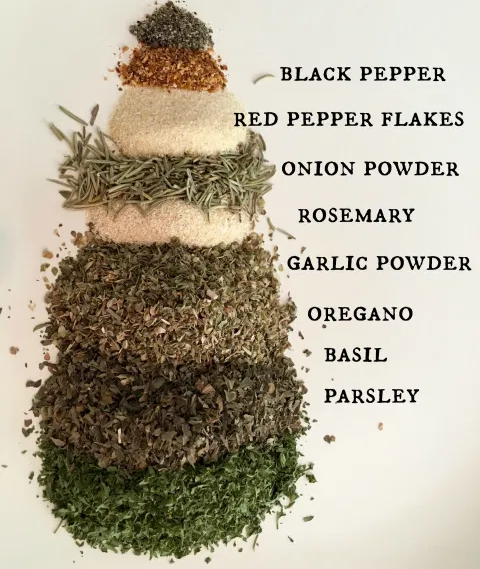
Well-seasoned food has attained a pleasurable balance between the 5 tastes in the spectrum.
You’ll see even in desserts that 99% of the time, a pinch of salt should be added to a cake, dough, filling, etc… because the seasoning with salt enhances all of the other flavors.
Let’s break down the 5 Tastes and Apply them to Seasoning 👇👇
Let’s break down the 5 Tastes and Apply them to Seasoning 👇👇
SALT
Chemically known as Sodium Chloride, this is nature’s “Flavor Enhancer”.
When added while cooking, salt brings forth, amplifies, and accentuates your dish's flavors.
Be careful; it’s easy to have “too much of a good thing”!
Chemically known as Sodium Chloride, this is nature’s “Flavor Enhancer”.
When added while cooking, salt brings forth, amplifies, and accentuates your dish's flavors.
Be careful; it’s easy to have “too much of a good thing”!
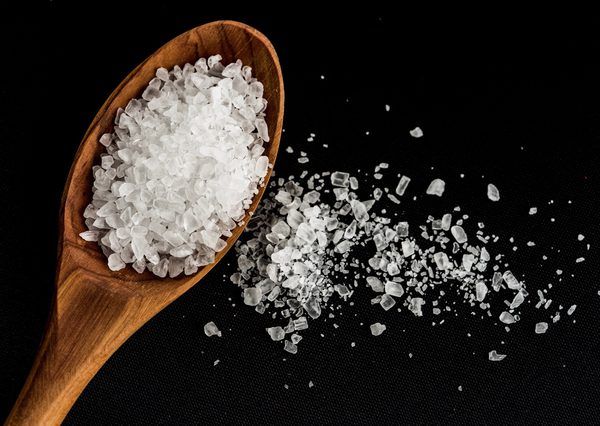
The baseline rule of thumb in kitchens when seasoning: you shouldn’t be able to taste the salt in the dish.
Add enough to season and make tasty, without being able to taste the actual salt.
Salt is a key ingredient in brines.
Add enough to season and make tasty, without being able to taste the actual salt.
Salt is a key ingredient in brines.
Brining is for another dedicated Substack but worth mentioning here.
Most people are familiar with wet brining; submerging food in a salt solution, but there are also dry-brining techniques.
Most people are familiar with wet brining; submerging food in a salt solution, but there are also dry-brining techniques.
Wet brining does alter the texture of the food being brined, which, I cover in my Substack!
Types of Salt:
Table Salt
This is the classic Morten’s “Girl in the Raincoat” most people grew up with in the cupboard.
It’s a refined salt containing about 97 to 99 percent sodium chloride.
Table Salt
This is the classic Morten’s “Girl in the Raincoat” most people grew up with in the cupboard.
It’s a refined salt containing about 97 to 99 percent sodium chloride.
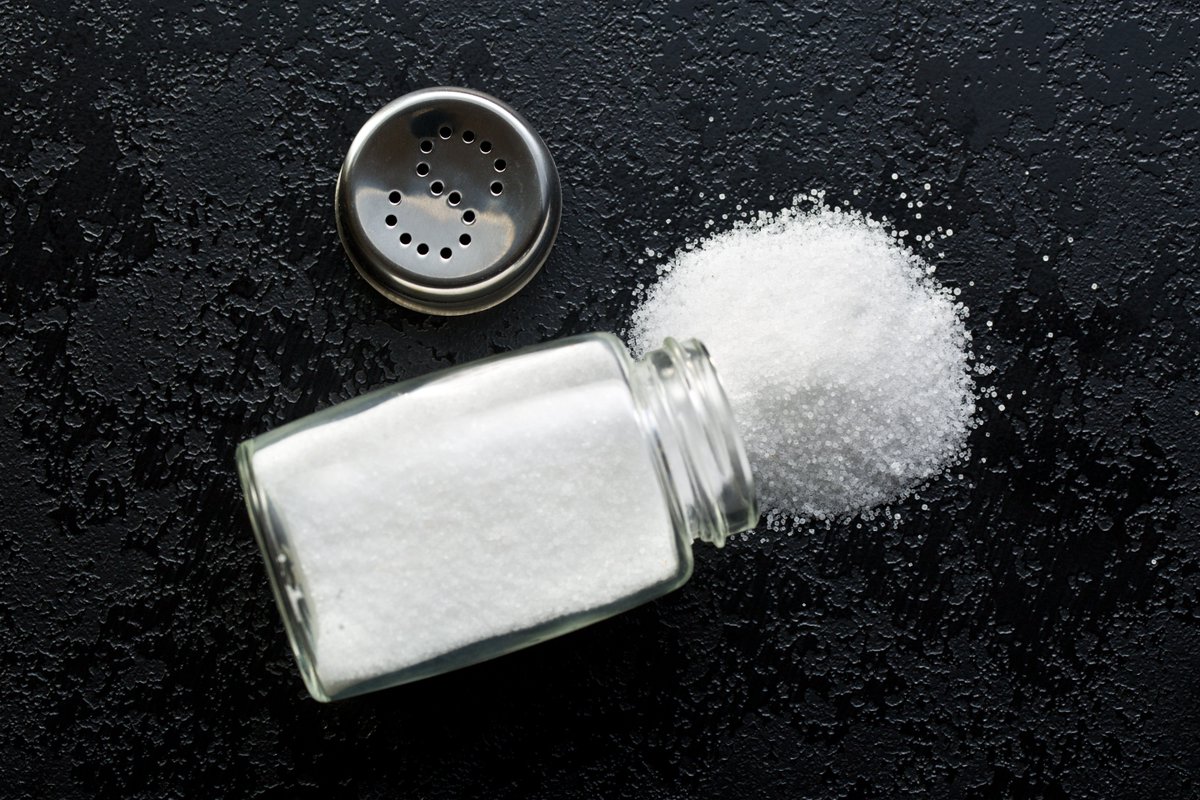
Mainly harvested from salt mines and refined, this also contains anti-caking agents to make it free-flowing.
In short… flavor sucks, don’t use it unless an emergency.
In an emergency? Use sparingly.
In short… flavor sucks, don’t use it unless an emergency.
In an emergency? Use sparingly.
If you happen to have iodized salt, know it will taste gross and bitter… avoid at all costs.
Sea Salt
Sea salt comes from evaporated sea water and is minimally processed, so it usually retains trace minerals, which add flavors.
This will vary on the body of water where it was harvested…
TLDR this is a good baseline product to use for seasoning.
Sea salt comes from evaporated sea water and is minimally processed, so it usually retains trace minerals, which add flavors.
This will vary on the body of water where it was harvested…
TLDR this is a good baseline product to use for seasoning.
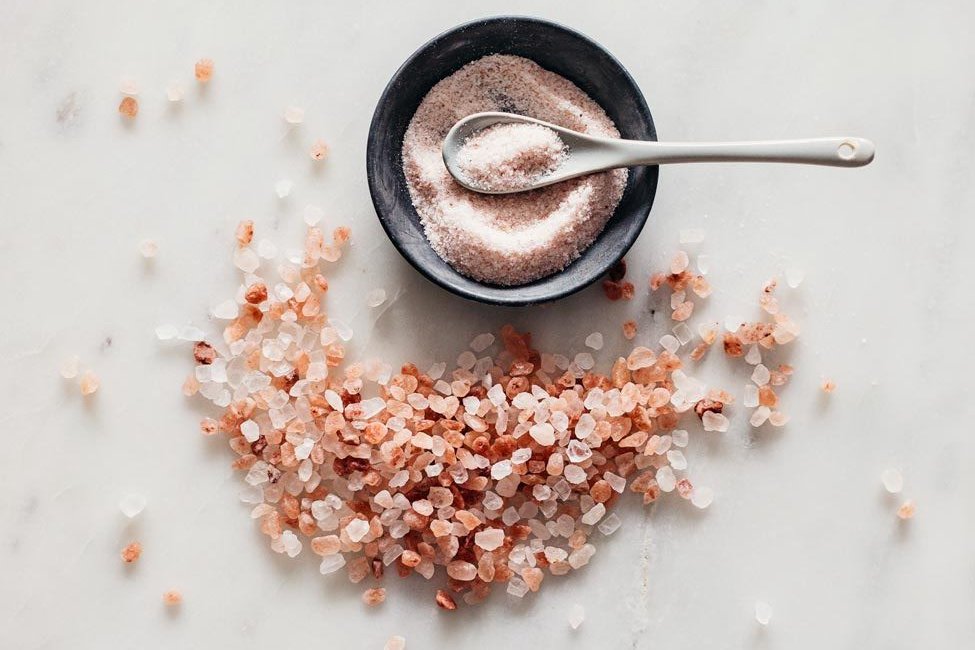
Baleine sea salt is a very popular and easy to find brand.
Useful in brines and cooking solutions because it dissolves faster.
Useful in brines and cooking solutions because it dissolves faster.
Kosher Salt
Kosher salt is named because the size of the salt crystals are perfect for drawing out moisture from meat, and was used heavily in the koshering process of foods.
Kosher salt is named because the size of the salt crystals are perfect for drawing out moisture from meat, and was used heavily in the koshering process of foods.
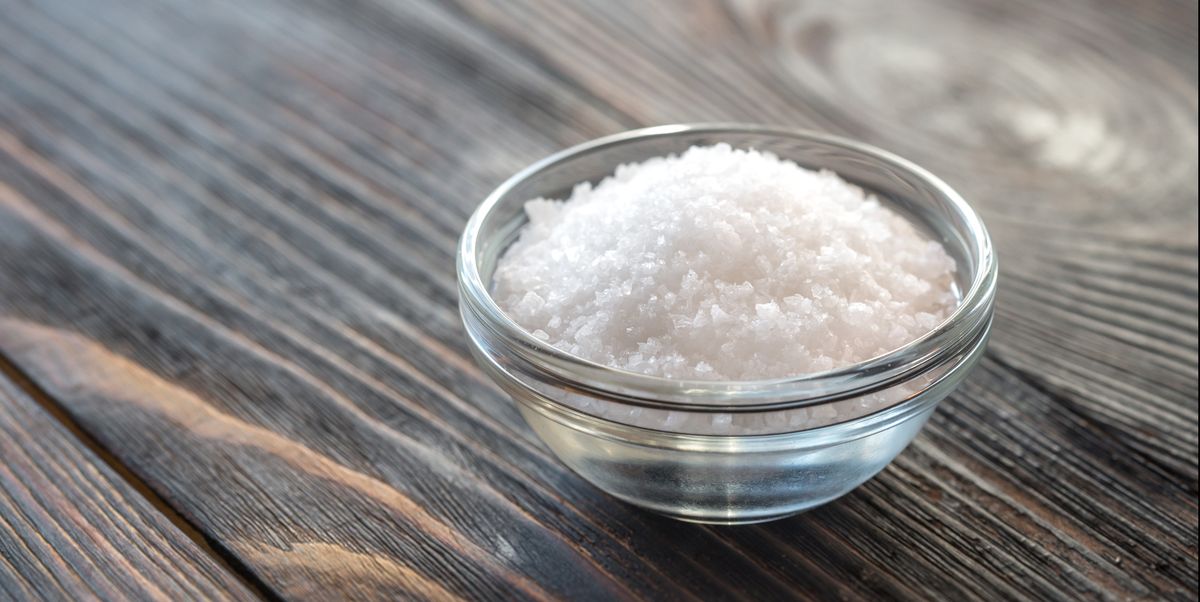
Because the crystal size of kosher salt is larger than sea salt and table salt, it is much more forgiving and harder to over-salt food when using kosher salt (with some exceptions, but for now, it’s fine)
Not All Kosher Salt is Created Equal 👇👇
Not All Kosher Salt is Created Equal 👇👇
The two biggest kosher brands are Morton’s and Diamond Crystal.
Morten’s are dense, round like little rocks.
Diamond crystals are lighter, flakier, and more pyramid in shape
which means that by weight, there is more salt in 1 cup of Morten's vs 1 cup of Diamond Crystal.
Morten’s are dense, round like little rocks.
Diamond crystals are lighter, flakier, and more pyramid in shape
which means that by weight, there is more salt in 1 cup of Morten's vs 1 cup of Diamond Crystal.
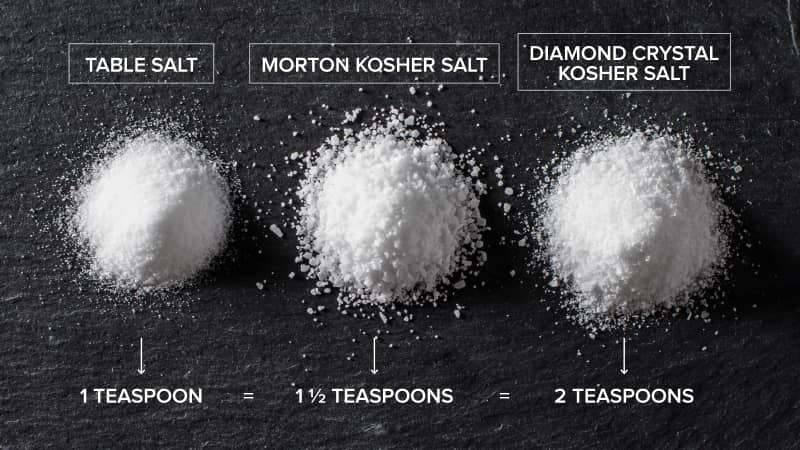
I have a flavor preference (Diamond Crystal is what I used in all my kitchens, until the last few years, when we predominantly went to sea salt plus all the finishing salts we used), but it’s subtle and the most important factor is to just use what you have consistent access to
I remember a few occasions where Diamond Crystal was not available and we got Morten’s… threw the kitchen into disarray with seasoning and the cooks were frustrated since so much of cooking and seasoning in a commercial setting is muscle memory.
TLDR: Kosher salt is great for learning even-seasoning-distribution. Great for pre-salting foods. Find one brand you can always get, and go with it.
Flake Salts
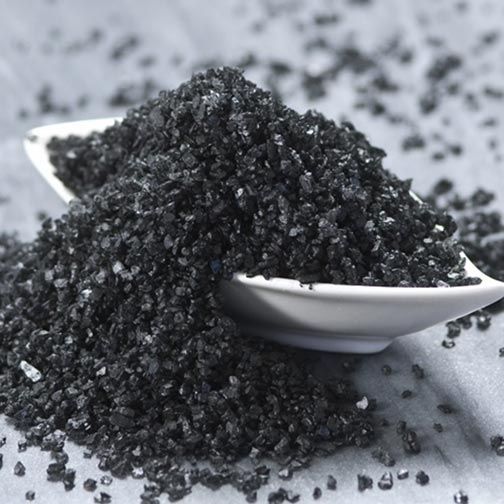
Hawaiian
Prized for regional harvesting, Hawaiian sea salts tend to be less saline and more crunchy.
Color variations are due to other minerals present when harvested.
These have a. Large cult following, 🐙 is not one of them.
Hawaiian
Prized for regional harvesting, Hawaiian sea salts tend to be less saline and more crunchy.
Color variations are due to other minerals present when harvested.
These have a. Large cult following, 🐙 is not one of them.
Murray River
Down in Australia, the Murray river boasts some of the cleanest and most delicious finish gin salt I’ve ever encountered.
Down in Australia, the Murray river boasts some of the cleanest and most delicious finish gin salt I’ve ever encountered.
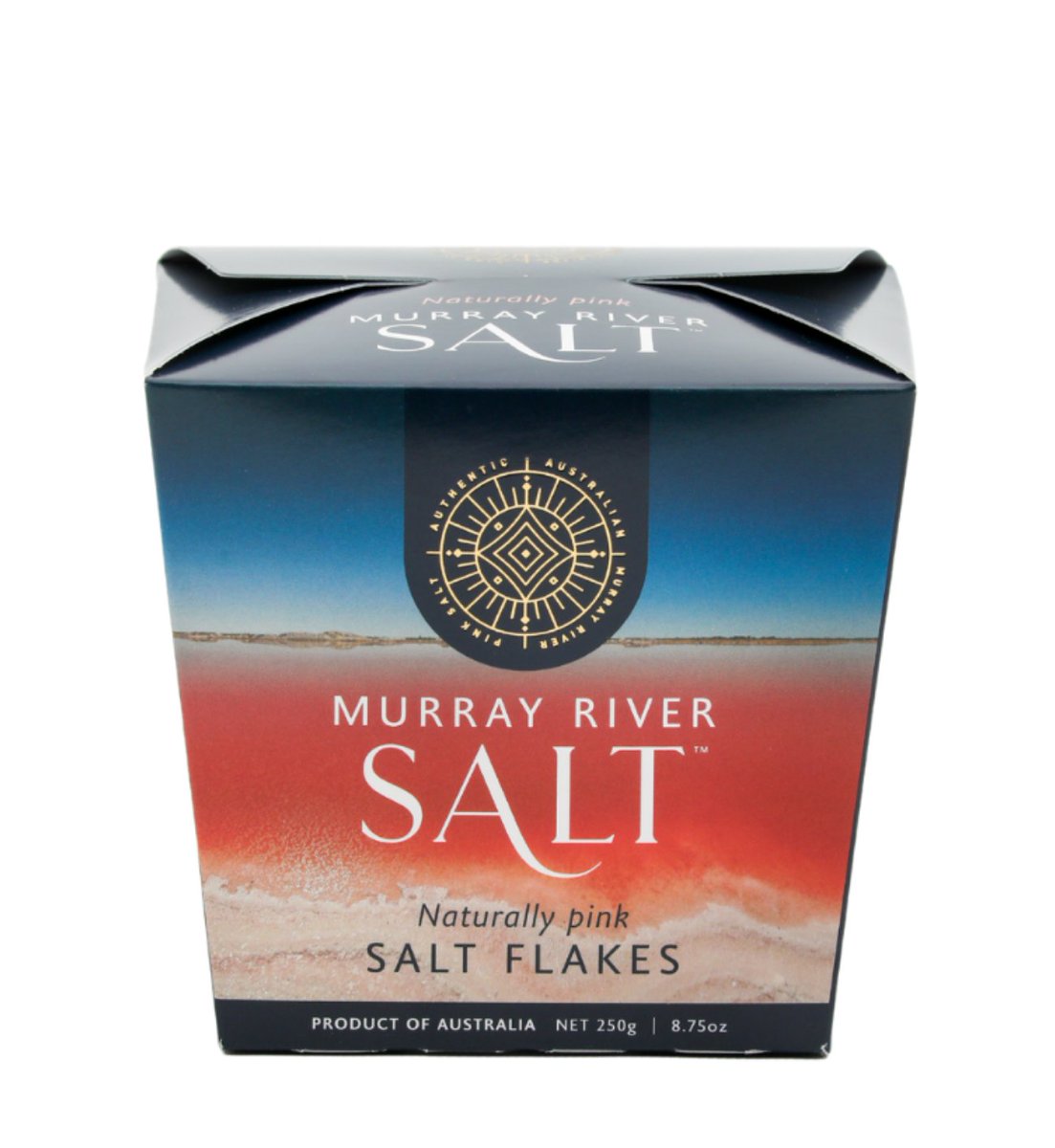
It tastes of a pure, sweet Seabreeze… a true favorite… you can put on poultry, pork, beef, vegetables, salads, etc… find your favorites and use! (At the restaurant I would pick a few dishes to finish with different salts… based on flavor profiles.. you can do the same!)
Maldon (Reg & Smoked)
This was a favorite that I still love. Used as a finishing salt, Maldon Sea Salt (harvested in the UK) has large irregular flakes that blast with ocean-salinity and give a nice crunch when finishing plates.
This was a favorite that I still love. Used as a finishing salt, Maldon Sea Salt (harvested in the UK) has large irregular flakes that blast with ocean-salinity and give a nice crunch when finishing plates.
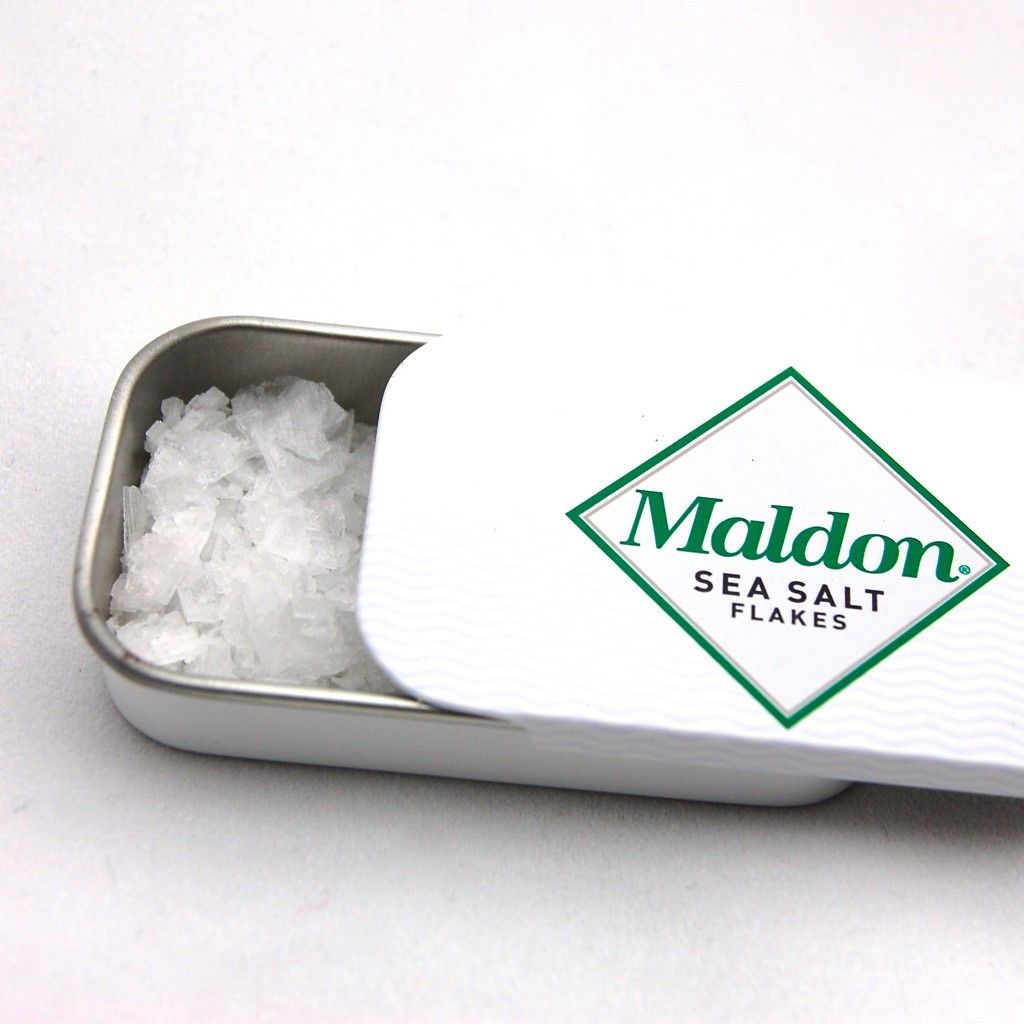
Be it steaks, glazed carrots, salads or vegetable puree’s… the regular Maldon is very versatile, and the smoked Maldon carries amazing balance like a BBQ without being overpowering. Highly recommend
Fleur de Sel
French meaning “Flower of Salt”, this salt is harvested as a thin, delicate crust on the surface of seawater as it evaporates.
Because of where it is harvested, production is weather dependent, and the process produces irregular grains.
French meaning “Flower of Salt”, this salt is harvested as a thin, delicate crust on the surface of seawater as it evaporates.
Because of where it is harvested, production is weather dependent, and the process produces irregular grains.
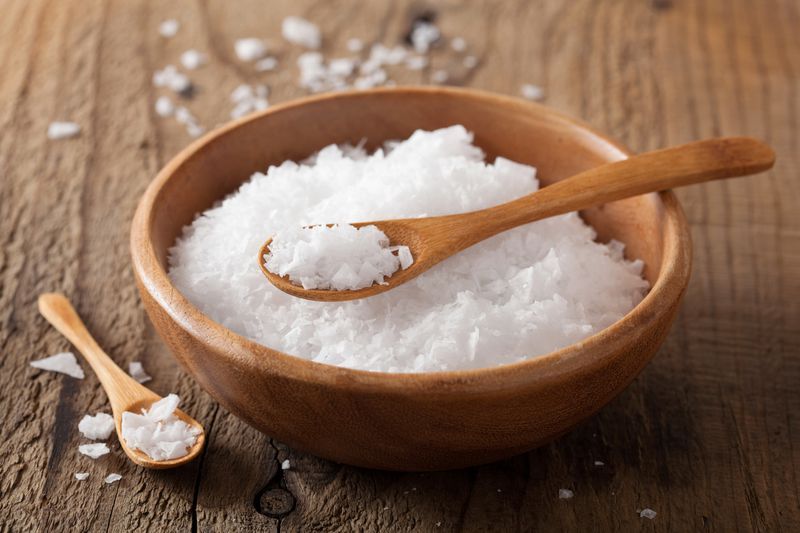
This is a subtle and lovely salt in your arsenal of salts to tinker with.
Sel Gris
Sel gris is harvested in a similar method as fleur de sel, but with some variations yielding a coarser salt that is also a moist (usually contains 13% residual moisture).
Sel gris is harvested in a similar method as fleur de sel, but with some variations yielding a coarser salt that is also a moist (usually contains 13% residual moisture).

It tends to be much more dense than table or kosher salt, so less is more in cooking or using as a finishing salt.
🛑This thread is long enough...time to stop 🛑
I'll leave the cliffhanger here and in part 2 I will break down the remaining 4 seasoning categories and also expound on salts, and how to properly use them for seasoning!
I'll leave the cliffhanger here and in part 2 I will break down the remaining 4 seasoning categories and also expound on salts, and how to properly use them for seasoning!
Loading suggestions...