

Rosacea: skin is a mirror of your terrain.
A thread on triggers, research and potential solutions.
A thread on triggers, research and potential solutions.
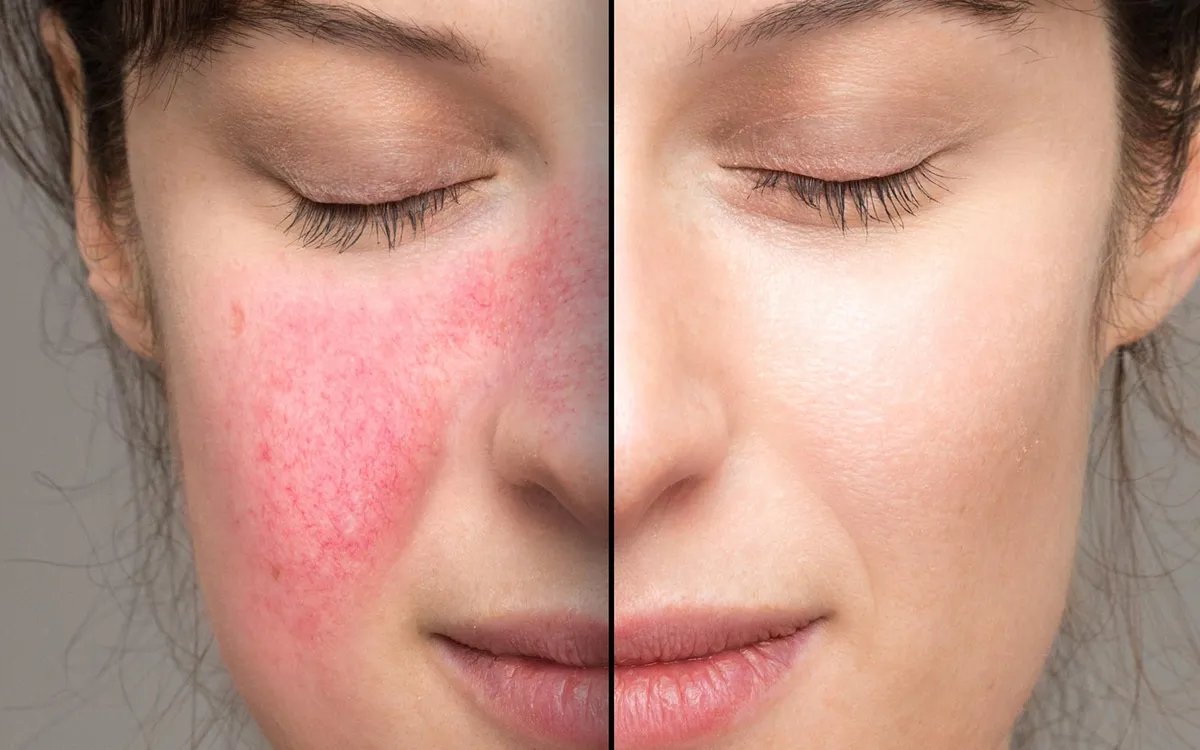
Rosacea is a chronic inflammation skin, affecting predominately 15% of the European/Celtic population.
Symptoms include:
Dry skin
Flushing/redness
Itchy skin (rarely)
Stinging or burning pain
Swelling
Dilated or broken blood vessels
Pustules
Symptoms include:
Dry skin
Flushing/redness
Itchy skin (rarely)
Stinging or burning pain
Swelling
Dilated or broken blood vessels
Pustules
Rosacea: Triggers
They always give us an indication that the gut is a key component.
Alcohol
Cinnamaldehyde: found in chocolate, cinnamon, citrus, and tomatoes
Hot beverages
Spicy foods (usually containing capsaicin)
Emotions
Exercise
Heat
Skincare products
Wind
They always give us an indication that the gut is a key component.
Alcohol
Cinnamaldehyde: found in chocolate, cinnamon, citrus, and tomatoes
Hot beverages
Spicy foods (usually containing capsaicin)
Emotions
Exercise
Heat
Skincare products
Wind
Rosacea: Gut-Skin Axis
Rosacea patients have at least 1 gut dysbiosis with or without symptoms:
Celiac
Crohn’s
H. pylori infection
Irritable bowel syndrome
Ulcerative colitis
SIBO: 13x more likely to have if rosacea
ncbi.nlm.nih.gov
Rosacea patients have at least 1 gut dysbiosis with or without symptoms:
Celiac
Crohn’s
H. pylori infection
Irritable bowel syndrome
Ulcerative colitis
SIBO: 13x more likely to have if rosacea
ncbi.nlm.nih.gov
Rosacea: Gut-Skin Axis
Evidence of increased numbers of certain microbes, such as Demodex mites, on rosacea faces. The condition may also be linked to bacteria such as Bacillus oleronius or a certain strain of Staphyllococus bacteria
ncbi.nlm.nih.gov
Evidence of increased numbers of certain microbes, such as Demodex mites, on rosacea faces. The condition may also be linked to bacteria such as Bacillus oleronius or a certain strain of Staphyllococus bacteria
ncbi.nlm.nih.gov
Rosacea: Zinc
Double blind supplementation with 23 mg of zinc (as zinc sulfate) 3 times per day for 3 months significantly decreased the severity of rosacea compared with placebo
pubmed.ncbi.nlm.nih.gov
Double blind supplementation with 23 mg of zinc (as zinc sulfate) 3 times per day for 3 months significantly decreased the severity of rosacea compared with placebo
pubmed.ncbi.nlm.nih.gov
Rosacea: Pancreatic Enzymes
Study group shows a significant reduction in the lipase enzyme vs control.
pubmed.ncbi.nlm.nih.gov
Study group shows a significant reduction in the lipase enzyme vs control.
pubmed.ncbi.nlm.nih.gov
Rosacea: B Complex From Brewer's Yeast
The combination of b-complex and probiotic component of the yeast shown beneficial in reducing symptoms.
jamanetwork.com
The combination of b-complex and probiotic component of the yeast shown beneficial in reducing symptoms.
jamanetwork.com
Rosacea: Other recommendations (not medical advice)
- find triggers and omit until gut strong again
- immuno modulators in the gut like adaptogenic mushrooms
- gi map testing to understand pathogenesis
- anti pathogenic herbs for control population
- bone broth/colostrum
- find triggers and omit until gut strong again
- immuno modulators in the gut like adaptogenic mushrooms
- gi map testing to understand pathogenesis
- anti pathogenic herbs for control population
- bone broth/colostrum
Loading suggestions...