

How to optimize metabolic health (thread series).
Part 2: Pro-metabolic compounds.
Part 2: Pro-metabolic compounds.


*Standard disclaimer that this does not constitute medical advice*
In the last thread, we talked about the main things that harm our metabolic health.
In this one, we will talk about the main things that can support it.
In the last thread, we talked about the main things that harm our metabolic health.
In this one, we will talk about the main things that can support it.
Number 1: Thyroid hormones
The thyroid gland governs our entire metabolism.
We can not have a healthy metabolism without a healthy thyroid and this thread will be the first step when it comes to optimizing the health of your thyroid.
The thyroid gland governs our entire metabolism.
We can not have a healthy metabolism without a healthy thyroid and this thread will be the first step when it comes to optimizing the health of your thyroid.
Optimizing thyroid performance is also one of the most undervalued but extremely effective ways of optimizing testosterone, DHT and lowering estrogen as well since thyroid upregulates all steroidogenic enzymes.
Number 2: Sunlight
Simply by paying attention to nature and seeing that everything starts to flourish in spring and di e in autumn, should give us a hint of how sunlight supports life and its expansion.
But nowadays people are told to avoid the sun.
Simply by paying attention to nature and seeing that everything starts to flourish in spring and di e in autumn, should give us a hint of how sunlight supports life and its expansion.
But nowadays people are told to avoid the sun.

They are told to avoid the thing that gives life to everything on this planet, the thing that regulates our circadian rhythm and so every metabolic process, the thing that can double their testosterone levels and significantly improve insulin resistance (in modern environments
if one is not getting any sunlight, the overexposure to blue light is enough to cause problems with glucose metabolism), researchers completely ignore a lot of the time that there are light-sensitive protein on fat cells, that a lack of sunlight suppresses thyroid hormone
productions (and thus harms our metabolic health like very few things) and progesterone, they ignore that most people are deficient in precious vitamin D which is also critical for our hormonal health and in general there is a lot of propaganda that is going on against the sun.
It is in fact true that since our skin is made out of the things that we eat, if a person’s diet consists of pro-inflammatory fats like vegetable oils, it ignores the hormetic effect of the sun (one must gradually build up to the amount that he exposes his skin to sunlight) and
is contributing to the excess creation of ROS by drinking alcohol on a regular basis, smoking and never grounding, he can of course encounter skin cancer.
But the sun by itself does not cause cancer and without daily exposure to natural light we can’t have a healthy metabolism.
But the sun by itself does not cause cancer and without daily exposure to natural light we can’t have a healthy metabolism.
Number 3: B vitamins
B vitamins are essential in the citric acid cycle (the main source of energy for cells and an important part of aerobic respiration):
1) Thiamine (B1) is essential for TPP.
2) Riboflavin (B2) is essential for FAD.
3) Niacin (B3) is essential for NAD.
B vitamins are essential in the citric acid cycle (the main source of energy for cells and an important part of aerobic respiration):
1) Thiamine (B1) is essential for TPP.
2) Riboflavin (B2) is essential for FAD.
3) Niacin (B3) is essential for NAD.
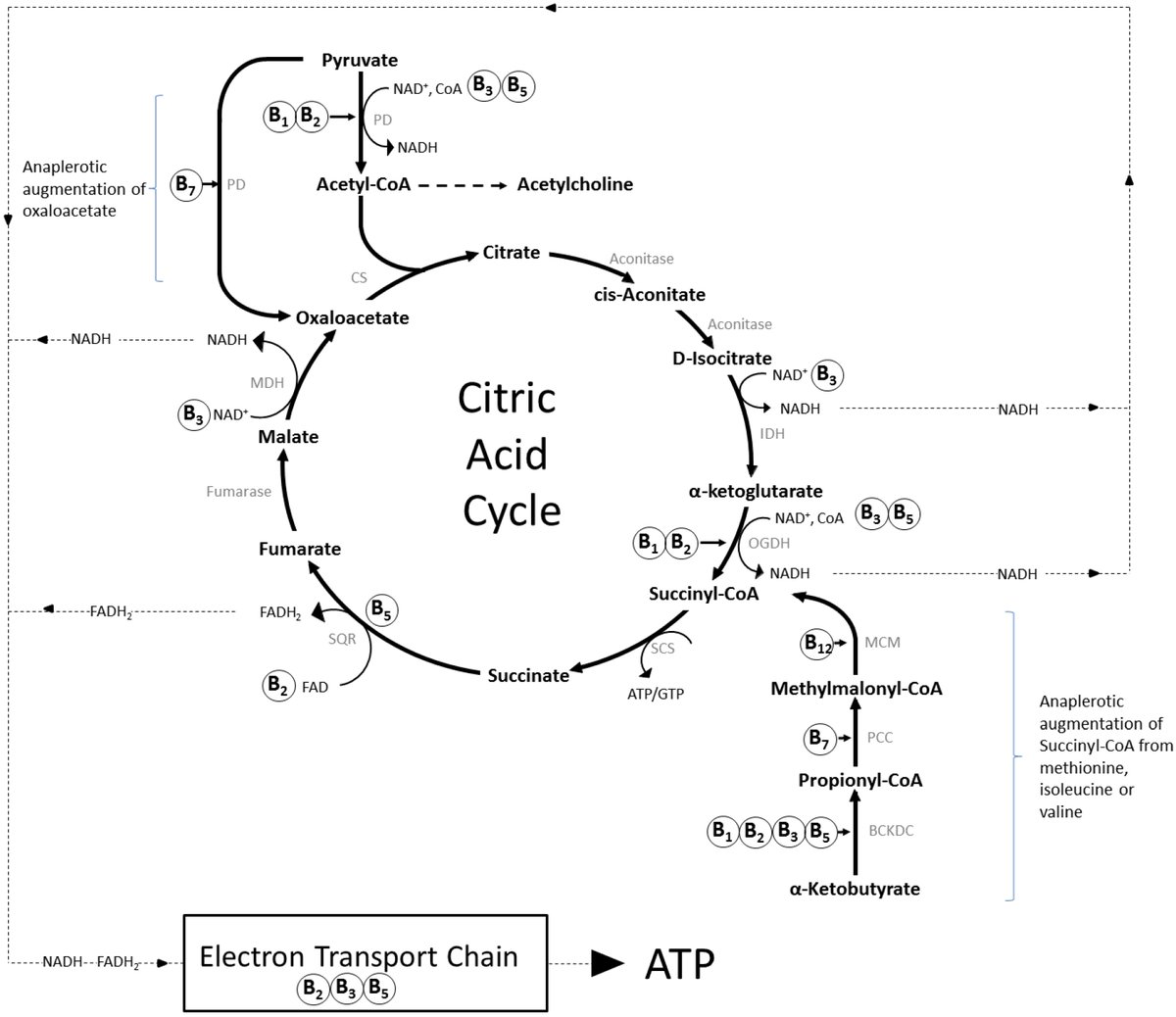
4) Pantothenic acid is essential for CoA.
So making sure that you include some raw or medium cooked animal foods (raw egg yolks (yolks, not whites), raw dairy, raw oysters etc) since B vitamins are heat sensitive will greatly protect your metabolic health.
So making sure that you include some raw or medium cooked animal foods (raw egg yolks (yolks, not whites), raw dairy, raw oysters etc) since B vitamins are heat sensitive will greatly protect your metabolic health.
Number 4: Progesterone
Progesterone is a hormone that has many important effects on carbohydrate, lipid and protein metabolism but also protects many vital organs and tissue.
Progesterone is the actual female hormone and not estrogen.
Progesterone is a hormone that has many important effects on carbohydrate, lipid and protein metabolism but also protects many vital organs and tissue.
Progesterone is the actual female hormone and not estrogen.

For example, estrogen can cause miscarriages while progesterone can greatly prevent them.
We all have progesterone receptors so this hormone is not only important for women, in fact, a great part of testosterone is derived from progesterone.
We have many progesterone receptors
We all have progesterone receptors so this hormone is not only important for women, in fact, a great part of testosterone is derived from progesterone.
We have many progesterone receptors
in our brain(*), lungs, liver, bones, skin, hair follicles, lungs and in case you are a woman, in the uterus.
(*) There are progesterone receptors in the limbic area of the brain, which is responsible for behavior and emotional responses.
(*) There are progesterone receptors in the limbic area of the brain, which is responsible for behavior and emotional responses.
Progesterone also increases the synthesis of ceruloplasmin which is the major copper-carrying protein in the blood and in addition plays a role in iron metabolism.
Unbound iron is a major contributor to many diseases and the reason that people still suffer from problems which
Unbound iron is a major contributor to many diseases and the reason that people still suffer from problems which
spring from unbound iron is a progesterone deficiency.
Progesterone also has many anti-estrogenic effects all the way to even restoring one’s fertility, can prevent seizures, decalcify the tissues, improve hypothyroidism and lower PTH pretty fast since it redirects calcium
Progesterone also has many anti-estrogenic effects all the way to even restoring one’s fertility, can prevent seizures, decalcify the tissues, improve hypothyroidism and lower PTH pretty fast since it redirects calcium
where it is needed the most.
Now how you can boost progesterone.
First, make sure that you get enough sunlight multiple times a day since a lack of sunlight will directly suppress progesterone.
Then, vitamin A and saturated fats such as coconut oil are essential in order for
Now how you can boost progesterone.
First, make sure that you get enough sunlight multiple times a day since a lack of sunlight will directly suppress progesterone.
Then, vitamin A and saturated fats such as coconut oil are essential in order for
cholesterol to be converted to progesterone.
When it comes to supplementing progesterone, typically, it is safer to start with pregnenolone.
In order to safely supplement both there are 2 critical prerequisites:
Number 1: Make sure that you have enough vitamin A (retinol) in
When it comes to supplementing progesterone, typically, it is safer to start with pregnenolone.
In order to safely supplement both there are 2 critical prerequisites:
Number 1: Make sure that you have enough vitamin A (retinol) in
your system since pregnenolone puts the body's needs for retinol on overdrive.
2) Make sure that you have enough calcium, its regulators (magnesium, vitamin D and vitamin K for the most part) and zinc in your system.
Then and only then you can try pregnenolone or progesterone
2) Make sure that you have enough calcium, its regulators (magnesium, vitamin D and vitamin K for the most part) and zinc in your system.
Then and only then you can try pregnenolone or progesterone
(only use natural progesterone) in very small doses (always start with less of what a supplement or medication recommends).
Both need to be cycled and dizziness is a sign that you overdid it.
If you get very dizzy/nauseated with even the smallest dose, you have enough in your
Both need to be cycled and dizziness is a sign that you overdid it.
If you get very dizzy/nauseated with even the smallest dose, you have enough in your
system.
Number 5: Carbohydrates
Carbohydrates are organic compounds that consist of carbon, oxygen, hydrogen and are pro metabolic.
There are three main types of carbohydrates:
1)Starches
2)Fiber
3)Sugars
Carbohydrates also produce more CO2 than protein and fats.
Number 5: Carbohydrates
Carbohydrates are organic compounds that consist of carbon, oxygen, hydrogen and are pro metabolic.
There are three main types of carbohydrates:
1)Starches
2)Fiber
3)Sugars
Carbohydrates also produce more CO2 than protein and fats.


So carbohydrates are pro-metabolic, however, when we increase metabolic activity, we can exacerbate a nutritional and hormonal deficiency and this is why so many people today are “carb intolerant”.
They are not carb intolerant, they are malnourished.
They are not carb intolerant, they are malnourished.
You can’t increase the metabolic activity and not experience side effects in case you are nutrient depleted.
Replenish the nutrients first and then reintroduce the right type of carbs.
Replenish the nutrients first and then reintroduce the right type of carbs.
Number 5: Saturated fats
Compounds such as stearic acid that can be found in saturated fats, promote mitochondrial fusion (mitochondrial fusion is necessary for cell survival and for the movement of mitochondria within neurons).
Compounds such as stearic acid that can be found in saturated fats, promote mitochondrial fusion (mitochondrial fusion is necessary for cell survival and for the movement of mitochondria within neurons).
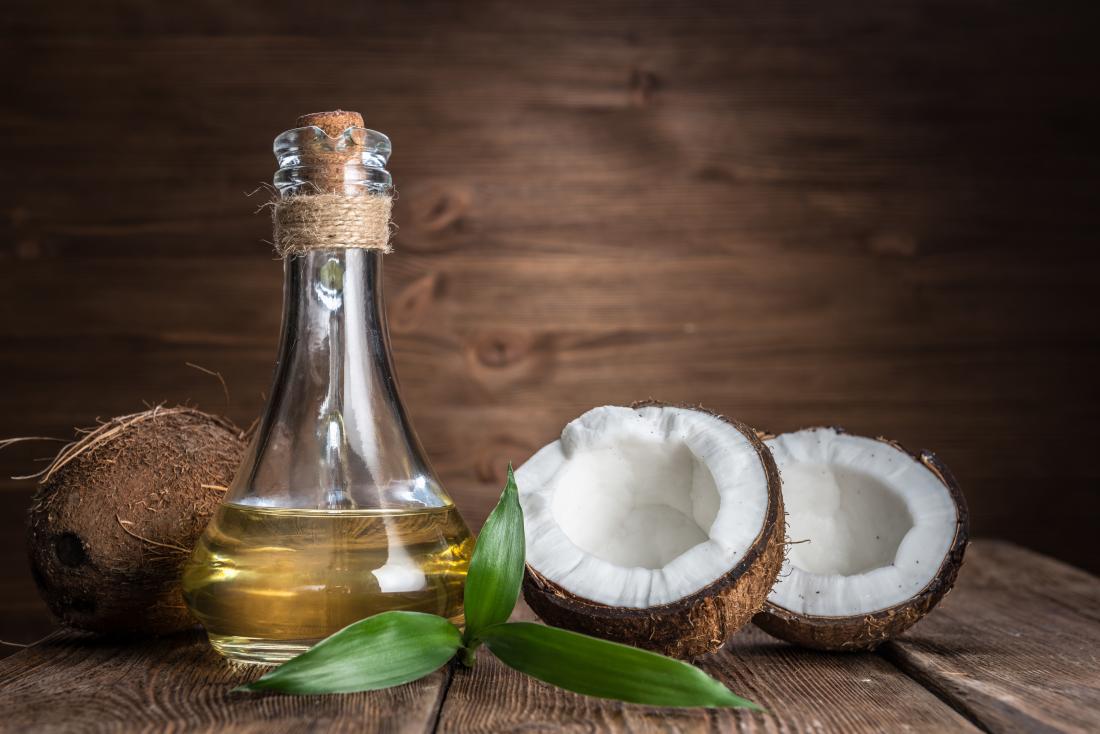
In modern society where PUFAs are so abundant, things such as coconut oil, grass fed tallow, ghee and butter (after you have addressed certain conditions), cocoa butter, raw goat’s milk and things of this nature are all critical components of a robust metabolic health.
Not to mention that saturated fats have anti-serotonin and antihistamine effects.
Number 6: Blackseed oil
Not all seed oils are created equal, blackseed oil recycles NADH back to NAD+ and can thus help correct the tryptophan-kynurenine pathway.
When shopping for blackseed oil
Number 6: Blackseed oil
Not all seed oils are created equal, blackseed oil recycles NADH back to NAD+ and can thus help correct the tryptophan-kynurenine pathway.
When shopping for blackseed oil
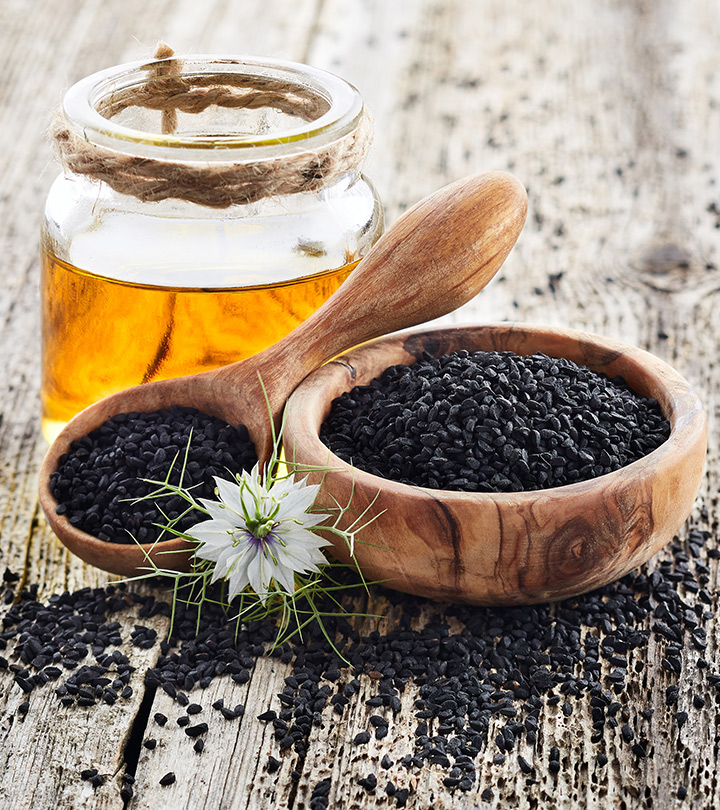
make sure that it is cold pressed but that also it does not include additives such as canola, sunflower, soybean and in general inferior fats.
Number 7: CO2
Carbon dioxide can even directly help our body generate mitochondria (and stabilize them) so check part 1.
Number 7: CO2
Carbon dioxide can even directly help our body generate mitochondria (and stabilize them) so check part 1.
Number 8: Taurine
Taurine has been used for years to treat cystic fibrosis, Alzheimer disease, cardiovascular diseases, epilepsy, muscular degradation, hepatic disorders and in general prevent chronic inflammation in adipose tissue.
Taurine also greatly supports glucose
Taurine has been used for years to treat cystic fibrosis, Alzheimer disease, cardiovascular diseases, epilepsy, muscular degradation, hepatic disorders and in general prevent chronic inflammation in adipose tissue.
Taurine also greatly supports glucose
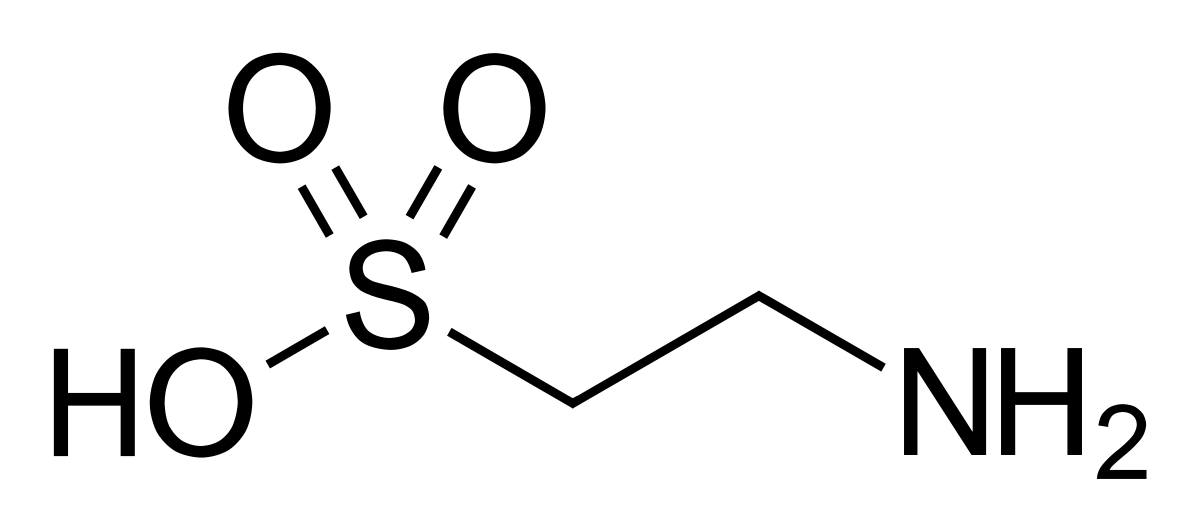
metabolism and if one’s metabolism is not at the condition that he would like, along with B vitamins, taurine can greatly help with restoring sugar oxidation.
Taurine regulates the expression of insulin receptor IRS1 and glucose transporter type 4 (GLUT4) which are involved in
Taurine regulates the expression of insulin receptor IRS1 and glucose transporter type 4 (GLUT4) which are involved in
the insulin signaling pathway and glucose metabolism but it also regulates glucagon, and somatostatin.
From successfully reducing triglycerides and unbound iron all the way to preventing obesity, taurine is a great overall supplement.
From successfully reducing triglycerides and unbound iron all the way to preventing obesity, taurine is a great overall supplement.
Number 9: Fat soluble vitamins and CoQ10.
These are the molecules besides the ones mentioned that can restore OXPHOS very efficiently.
We already briefly talked about the importance of vitamin E and A for our metabolic health.
When it comes to vitamin K, it will greatly improve
These are the molecules besides the ones mentioned that can restore OXPHOS very efficiently.
We already briefly talked about the importance of vitamin E and A for our metabolic health.
When it comes to vitamin K, it will greatly improve
our gut health and our metabolic health as a result of that since endotoxins(*) are a source for disrupted oxidative metabolism.
(*)Endotoxins are toxins located inside of bacteria and when released, they interfere with mitochondrial respiration, thyroid function, raise
(*)Endotoxins are toxins located inside of bacteria and when released, they interfere with mitochondrial respiration, thyroid function, raise
estrogen, nitric oxide, serotonin and lactic acid (well, lactate to be precise).
When it comes to CoQ10 you might have heard about its heart protective effects but CoQ10 is an essential component of the mitochondrial electron transport chain as well (this is why it probably is
When it comes to CoQ10 you might have heard about its heart protective effects but CoQ10 is an essential component of the mitochondrial electron transport chain as well (this is why it probably is
one of the most undervalued lipid soluble antioxidants as well) but also plays a key role in mitochondrial oxidative phosphorylation.
Number 10: Glycine
Glycine protects our nervous system, lowers cytokines, NO, estrogen, mitigates excessive serotonin and inhibits lipolysis.
Number 10: Glycine
Glycine protects our nervous system, lowers cytokines, NO, estrogen, mitigates excessive serotonin and inhibits lipolysis.
Number 11: Methylene blue
Methylene blue increases NAD/NADH ratio (one of the reasons why it was used to treat schizophrenia), increases the number of mitochondria, is a great antioxidant, it stimulates glucose metabolism and increases oxygen in brain cells.
Methylene blue increases NAD/NADH ratio (one of the reasons why it was used to treat schizophrenia), increases the number of mitochondria, is a great antioxidant, it stimulates glucose metabolism and increases oxygen in brain cells.
It is a great short term tool in order to restore OXPHOS if one has the common sense to use a low dose, cycle it, use pharmacological grade and replenish B vitamins first.
Number 12: Aspirin
Aspirin stimulates mitochondrial respiration, can promote normal cell division, activates glycolysis, increases CO2 and has anti-estrogenic effects.
Disclaimer: Aspirin is a very tricky substance in the modern day and age because: a) a lot of people have
Aspirin stimulates mitochondrial respiration, can promote normal cell division, activates glycolysis, increases CO2 and has anti-estrogenic effects.
Disclaimer: Aspirin is a very tricky substance in the modern day and age because: a) a lot of people have
taken medication such as accutane which overload the pancreas and if they consume aspirin a lot of negative side effects can be expected, b) the additives that aspirin contains have changed the last years and c)most people are deficient in vitamin K (both K1 and K2).
So in order for someone to use aspirin he must first of all, replenish vitamin K, dilute the aspirin in water in order for the additives to sit at the bottom of the glass and only the salicylic acid to be consumed and of course, focus on optimizing his gut health.
Number 13: Coffee (done right)
How to use coffe the right way:
1)Use the right type of coffee (organic coffee)
2)Have the right meal prior of consuming coffee (bioavailable protein, quality carbs and some saturated fats) (caffeine increases metabolic activity so you need
How to use coffe the right way:
1)Use the right type of coffee (organic coffee)
2)Have the right meal prior of consuming coffee (bioavailable protein, quality carbs and some saturated fats) (caffeine increases metabolic activity so you need
nutrients).
3)Add glycine to coffee in order to mitigate the cortisol response from the caffeine.
That's pretty much it for part 2.
3)Add glycine to coffee in order to mitigate the cortisol response from the caffeine.
That's pretty much it for part 2.
If you liked this thread and learned something from it make sure to like/RT the first tweet.
Loading suggestions...