

List of nutrients that can protect your heart.
A thread.
A thread.
Standard disclaimer that this does not constitute medical advice.
Heart disease, like most if not all diseases, has been skyrocketing for the last few years.
Heart disease can be of course greatly preventable given that the person follows certain principles that are proven
Heart disease, like most if not all diseases, has been skyrocketing for the last few years.
Heart disease can be of course greatly preventable given that the person follows certain principles that are proven
effective for years when it comes to protecting one’s heart.
Now before we begin talking about certain nutrients, we need to mention that if your diet consists of unsaturated fats, you live a sedentary lifestyle, smoke 3 packs of inferior tobacco, you are overweight,
Now before we begin talking about certain nutrients, we need to mention that if your diet consists of unsaturated fats, you live a sedentary lifestyle, smoke 3 packs of inferior tobacco, you are overweight,
hyperinsulinemic, you are taking certain supplements that age the heart like nitric oxide products, you don’t sleep well and so on, then you should focus on fixing these first.
In general, always focus on improving your lifestyle first and then start getting more specific.
In general, always focus on improving your lifestyle first and then start getting more specific.
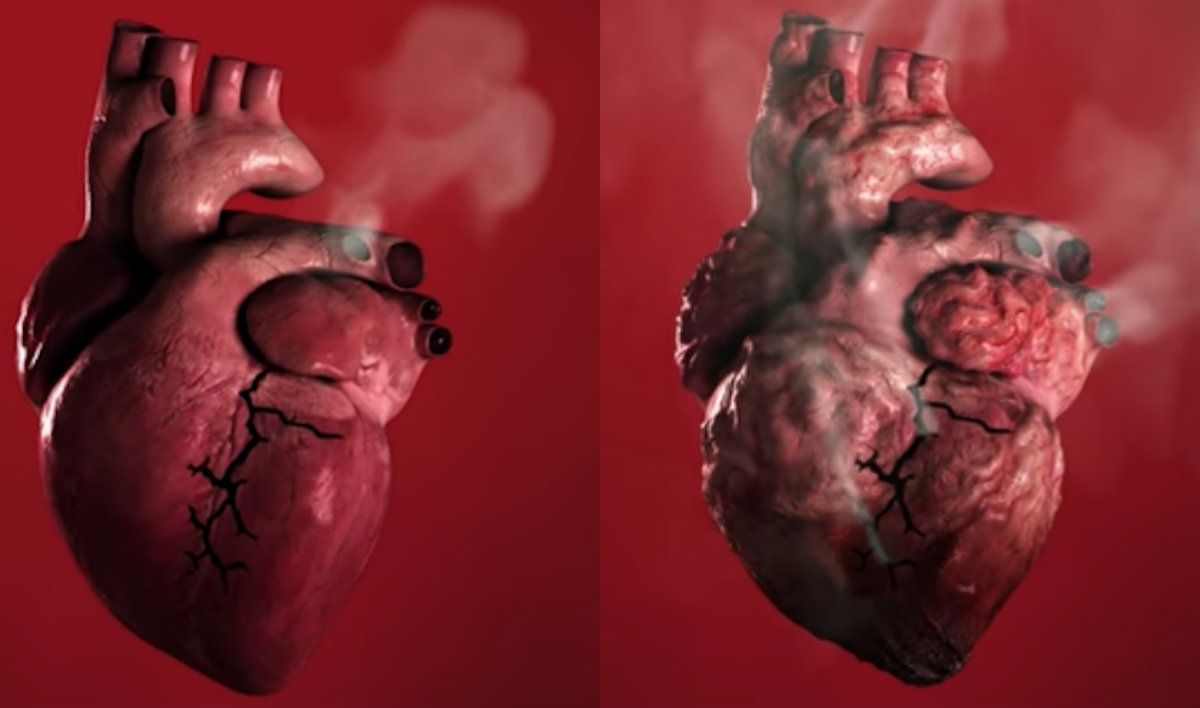
Now let’s talk about which nutrients promote heart health.
First we have the nutrients that will help us with homocysteine.
Homocysteine is an amino acid produced when proteins are broken down and high levels of it contribute to arterial damage and blood clots.
First we have the nutrients that will help us with homocysteine.
Homocysteine is an amino acid produced when proteins are broken down and high levels of it contribute to arterial damage and blood clots.
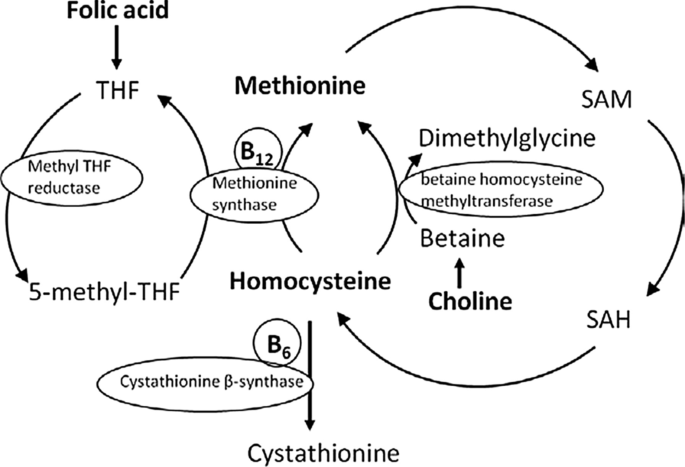
Hyperhomocysteinemia is in general an independent risk factor for most cardiovascular diseases (and obviously for strokes, dementia, osteoporosis and so on).
So the some very important nutrients that are unfortunately overlooked when it comes to heart health, will be the
So the some very important nutrients that are unfortunately overlooked when it comes to heart health, will be the
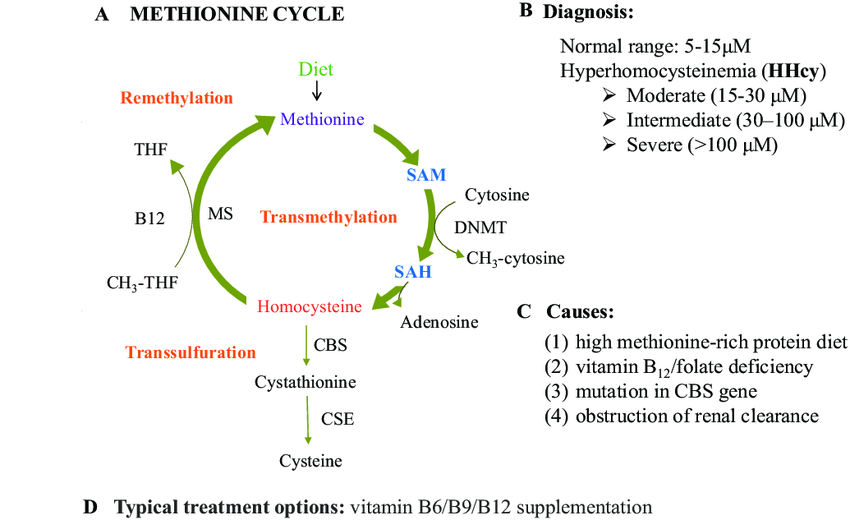
B vitamins.
Especially B9 and B12 since high homocysteine levels usually indicate a deficiency.
And you know what else?
Almost 1/3 of people with heart failure showed very low levels of vitamin B1 as well.'
B vitamins are all crucial for heart health, so adding quality
Especially B9 and B12 since high homocysteine levels usually indicate a deficiency.
And you know what else?
Almost 1/3 of people with heart failure showed very low levels of vitamin B1 as well.'
B vitamins are all crucial for heart health, so adding quality
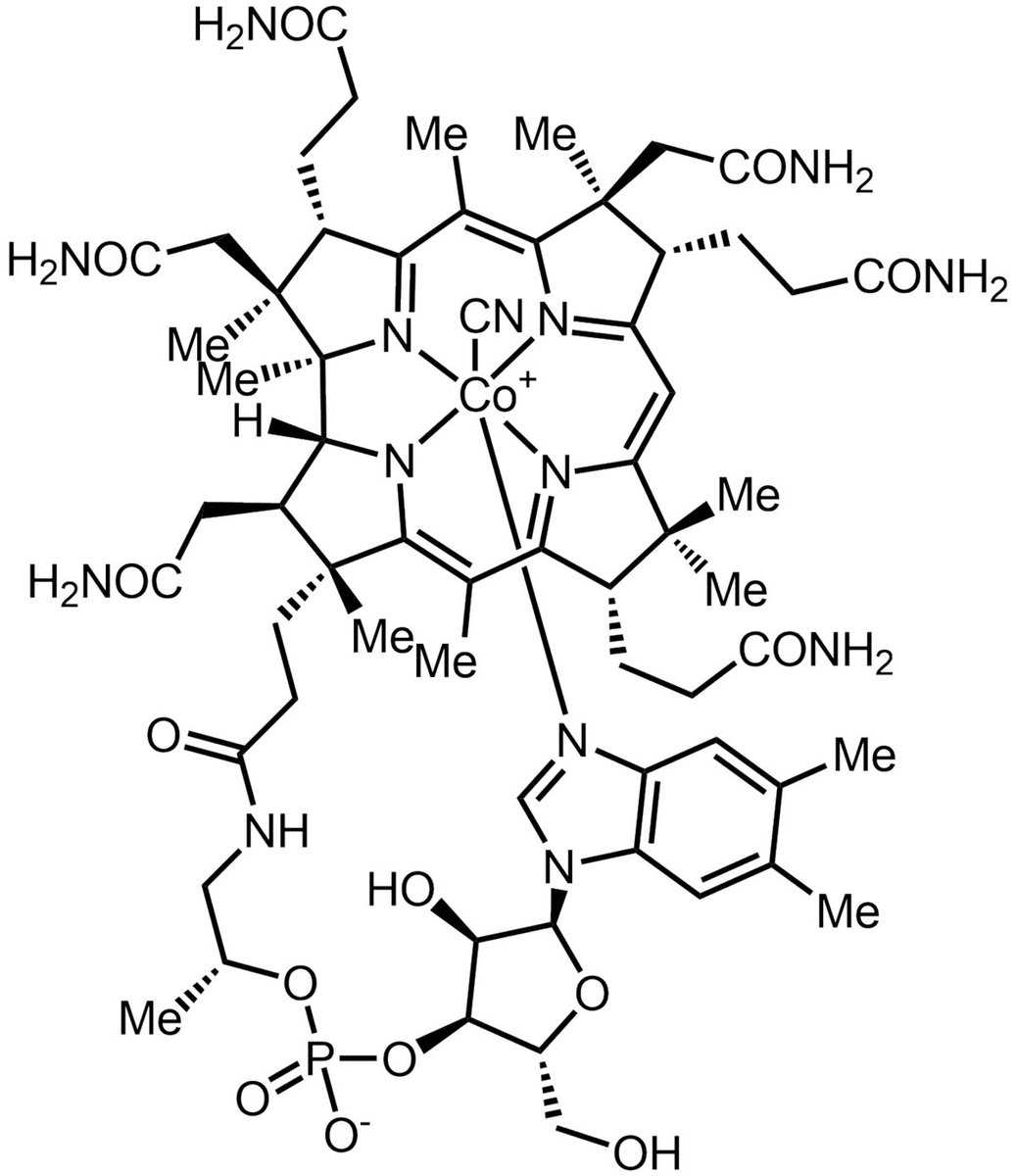
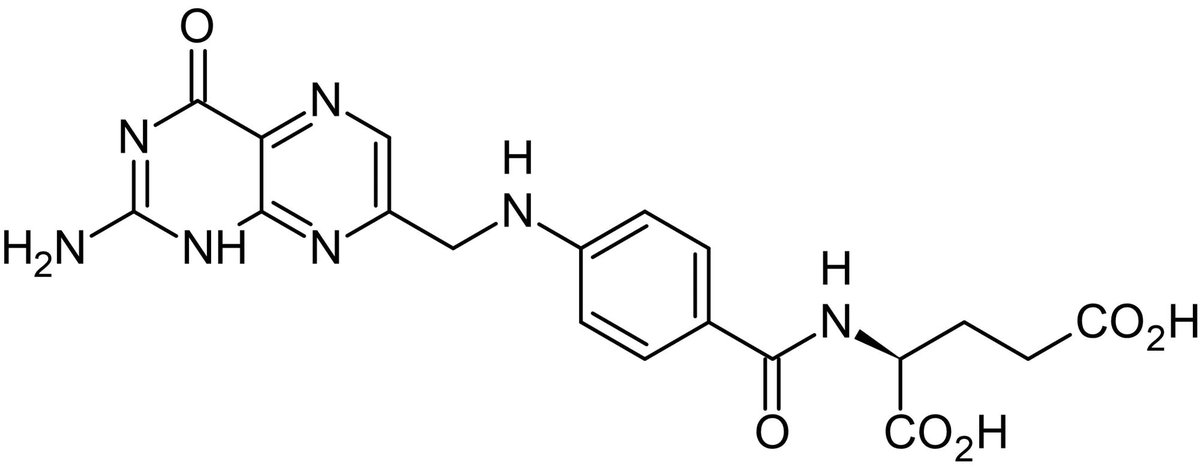
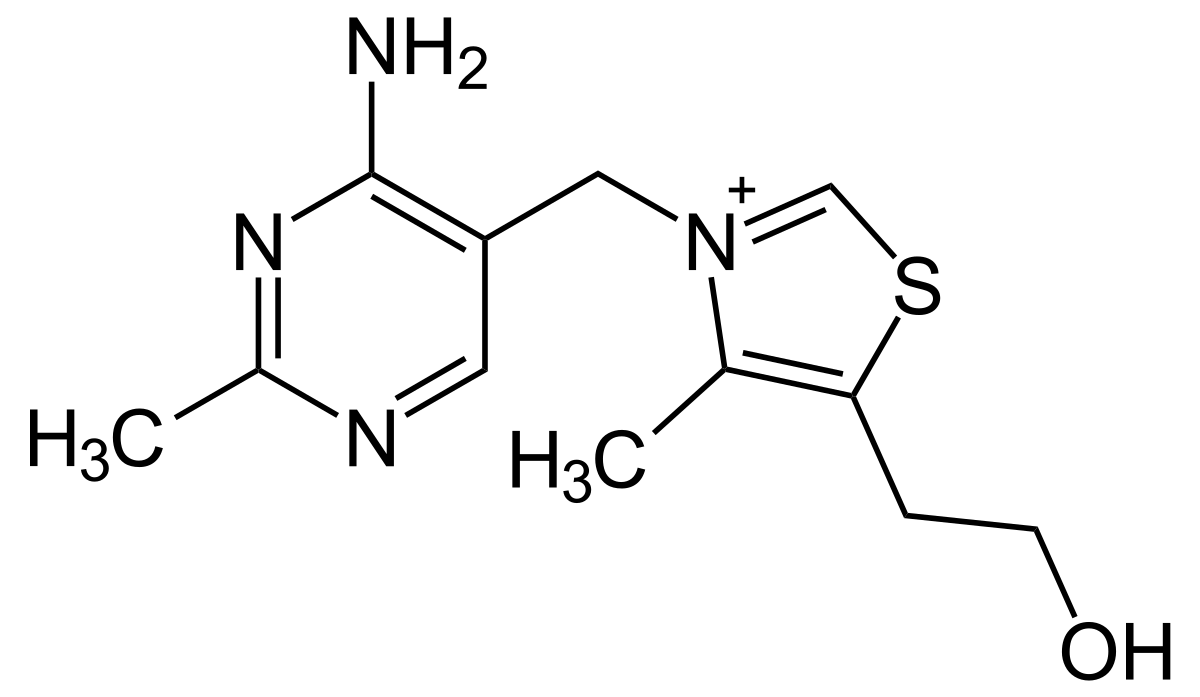
in your diet, in the right doses (thread on this coming very soon), will greatly protect your heart.
Short term thiamine and brewer's yeast supplementation (emphasis on short term) can also be very beneficial.
B3 is also very important for heart health, but you need to
Short term thiamine and brewer's yeast supplementation (emphasis on short term) can also be very beneficial.
B3 is also very important for heart health, but you need to
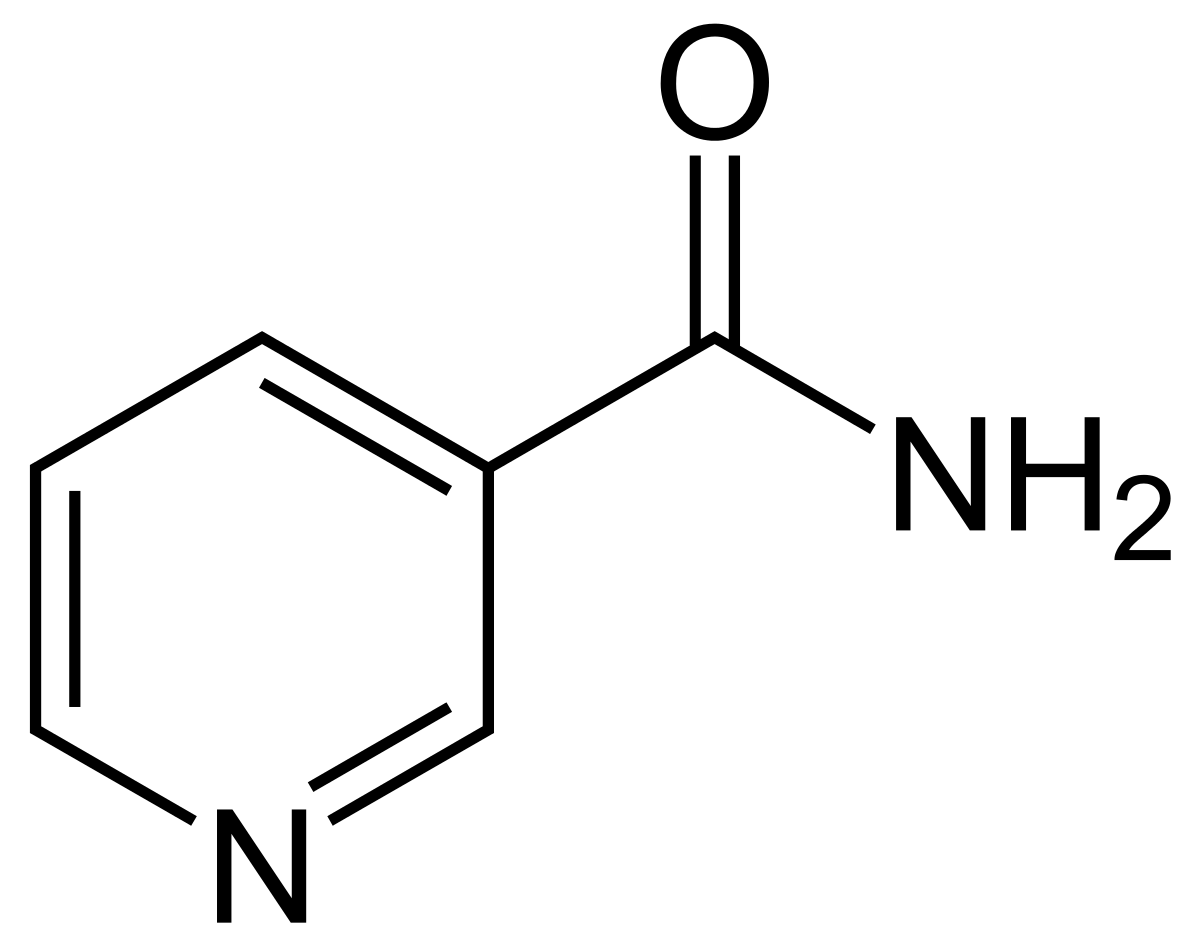
make sure that you have enough vitamin B2 in your system before supplementing with niacinamide.
Besides this, even nicotinic acid has been used to treat cardiovascular disease for over 50 years and was the first drug to show a reduction in cardiovascular events and mortality in
Besides this, even nicotinic acid has been used to treat cardiovascular disease for over 50 years and was the first drug to show a reduction in cardiovascular events and mortality in
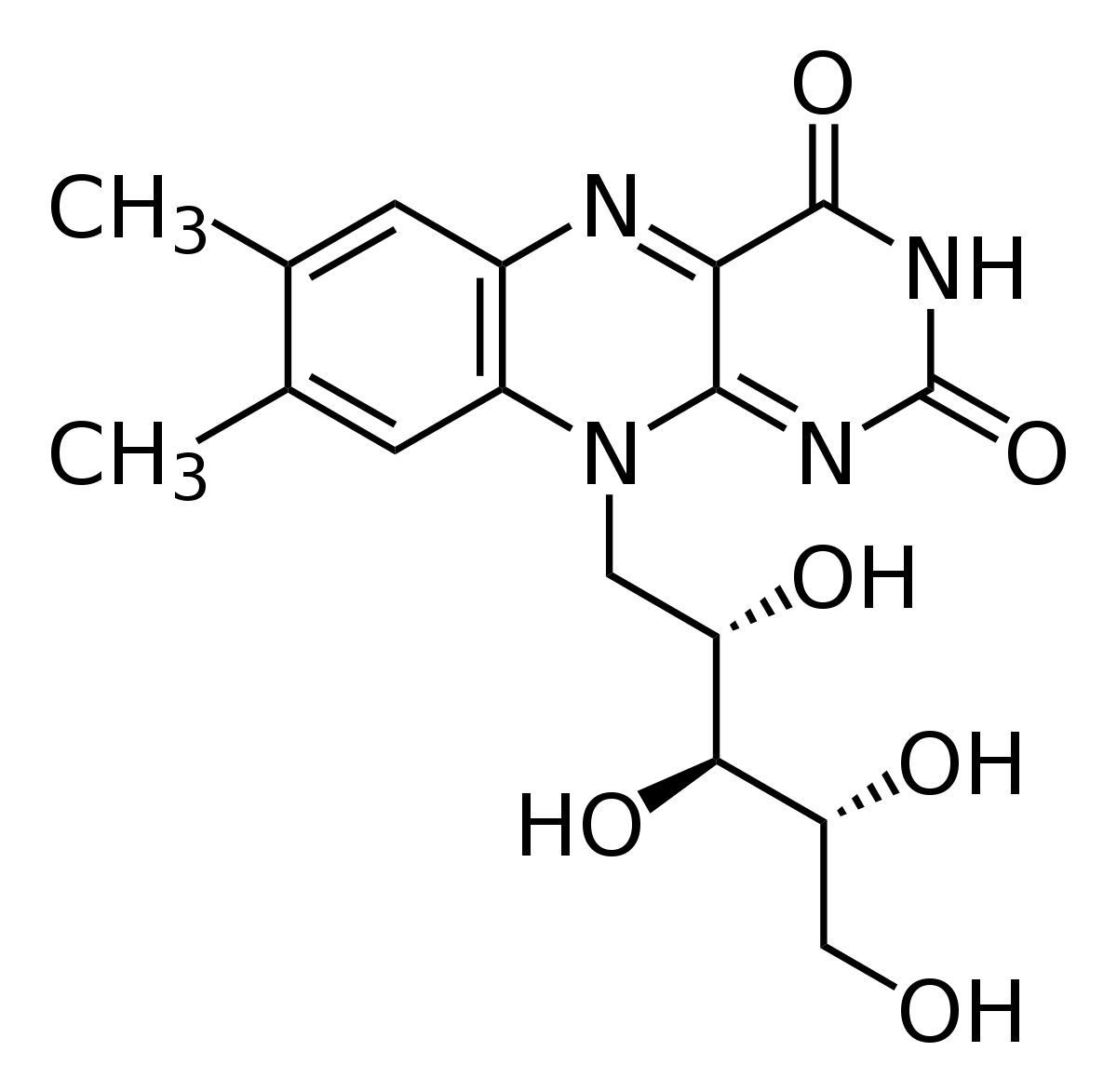
patients with prior myocardial infarction.
So the first nutrients that will be crucial for heart health, will be the B vitamins.
The second one (we are still talking about the homocysteine related ones) will be glycine and especially post a meal that is very high in protein.
So the first nutrients that will be crucial for heart health, will be the B vitamins.
The second one (we are still talking about the homocysteine related ones) will be glycine and especially post a meal that is very high in protein.
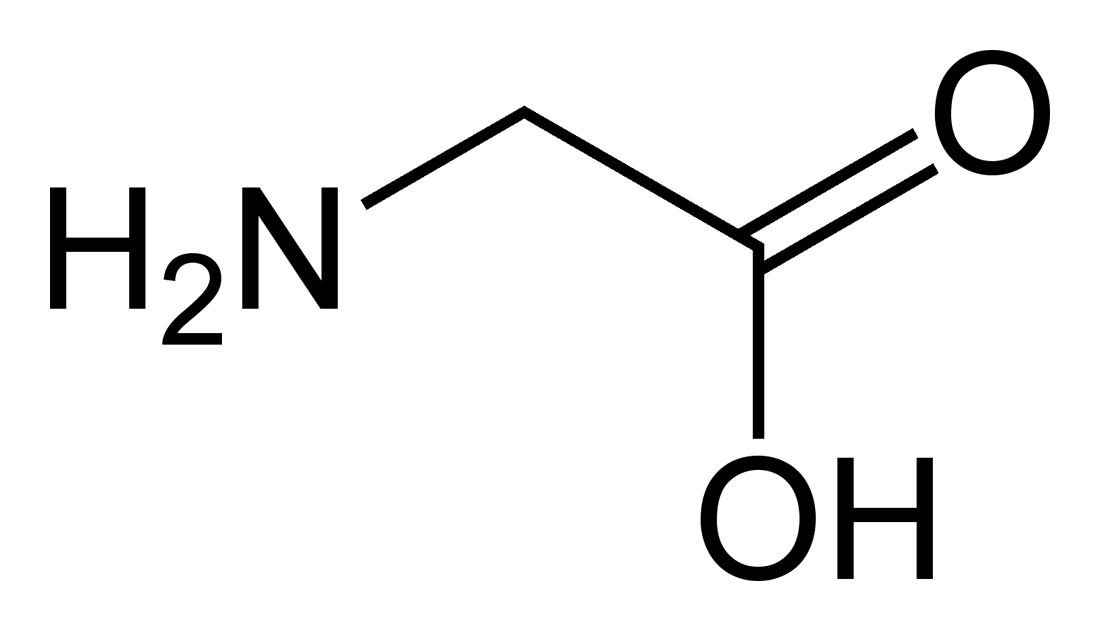
The methionine:glycine ratio in most people's diets is also suboptimal to begin with which will increase homocysteine as well.
So from gut health, to lowering stress, to improving one's metabolic health and the synthesis of glutathione all the way to protecting your nervous
So from gut health, to lowering stress, to improving one's metabolic health and the synthesis of glutathione all the way to protecting your nervous
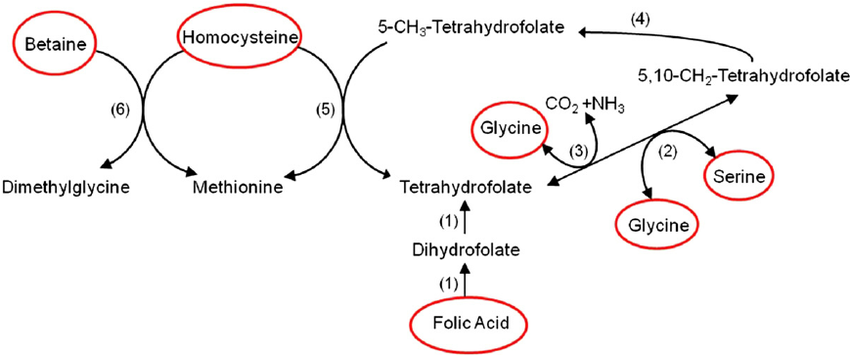
system and hert health, glycine is one of the most crucial amino acids for our overall health.
You can find glycine in quality bone marrow, grass fed gelatin, meat on the bone, certain sea foods and in a supplemental form.
You can find glycine in quality bone marrow, grass fed gelatin, meat on the bone, certain sea foods and in a supplemental form.
Then we have betaine which might be the most popular nutrient for lowering plasma homocysteine levels.
Now the problem is that since betaine needs to be consumed for a long time in order for it to positively affect heart health, you may want to result to supplements since
Now the problem is that since betaine needs to be consumed for a long time in order for it to positively affect heart health, you may want to result to supplements since
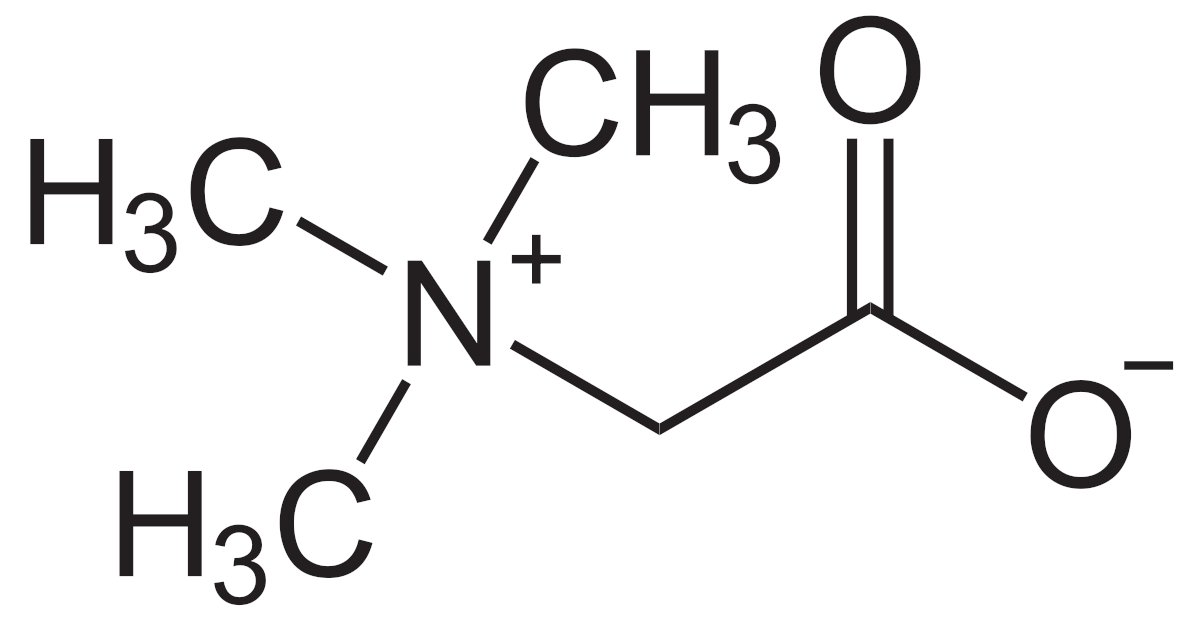
most foods that are high in betaine (beets, spinach and so on) are also exteremly high in antinutrients which no matter how much you soak, sprout and cook in animal fats, will do some damage if they are consumed on a daily basis and for a very long period of time.
I personally eat organic spinach slow cooked in animal fats and beet juice 2/week and shrimp 1/week.
Then i might supplement TMG 1-2 days of the week.
Then we have the nutrients that will help us with histamine.
"Histamine?"
Yeah.
Then i might supplement TMG 1-2 days of the week.
Then we have the nutrients that will help us with histamine.
"Histamine?"
Yeah.
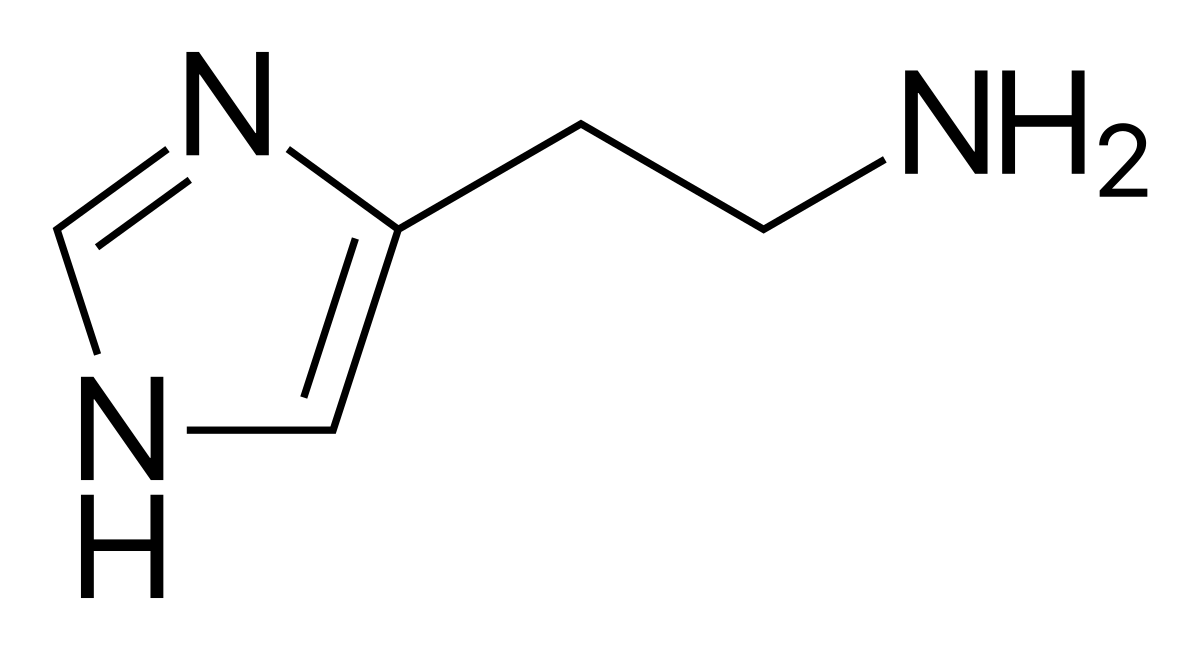
In almost all types of ischemic heart diseases the blood histamine level is significantly higher.
Histamine is generated and stored within granules in mast cells (*) located within the tissues basophils and eosinophils circulating in the blood and enterochromaffin-like cells
Histamine is generated and stored within granules in mast cells (*) located within the tissues basophils and eosinophils circulating in the blood and enterochromaffin-like cells
located in the stomach lining.
(*)A mast cell is a type of white blood cell and is found in connective tissues throughout your body.
Mast cells are key components in the inflammatory response as they can be activated to release a wide variety of inflammatory mediators.
(*)A mast cell is a type of white blood cell and is found in connective tissues throughout your body.
Mast cells are key components in the inflammatory response as they can be activated to release a wide variety of inflammatory mediators.
Mast cells not only synthesize and secrete histamine but proteases, prostaglandin D2, leukotrienes, heparin and a variety of cytokines as well and chronic activation of mast cells in the atherosclerotic lesions predisposes a person to this event.
So the nutrients that will help us from this prespective, are the following:
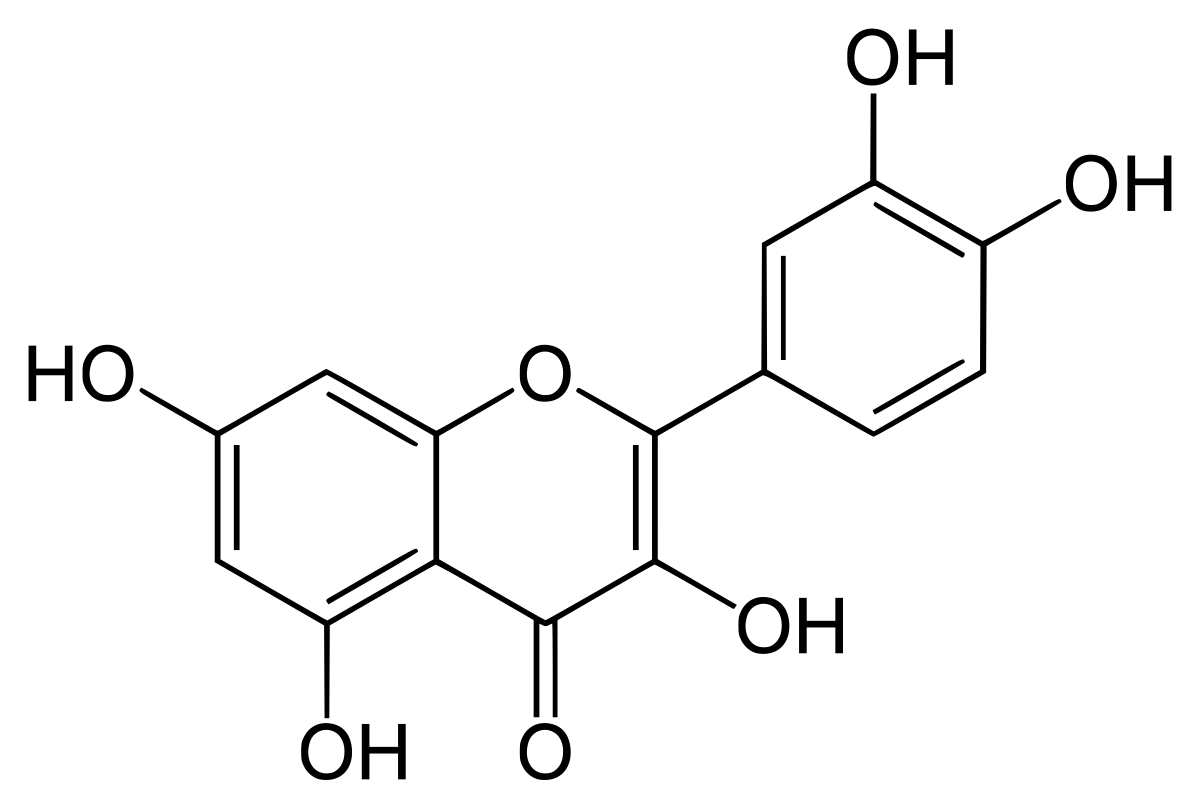
1)Quercetin
Quercetin inhibits the mast cells and stabilizes cortisol.
Quercetin is fat soluble so you’ll need to consume it with a fatty meal in order to increase the absorption.
1)Quercetin
Quercetin inhibits the mast cells and stabilizes cortisol.
Quercetin is fat soluble so you’ll need to consume it with a fatty meal in order to increase the absorption.
2)Zinc
The zinc chelator N,N,N′,N′-tetrakis(2-pyridylmethyl)ethylenediamine (TPEN) inhibits the release of histamine, the production of cytokines, and the secretion of lipid mediators in mast cells.
3)Vitamin C
When the levels of vitamin C fall too low there is a highly
The zinc chelator N,N,N′,N′-tetrakis(2-pyridylmethyl)ethylenediamine (TPEN) inhibits the release of histamine, the production of cytokines, and the secretion of lipid mediators in mast cells.
3)Vitamin C
When the levels of vitamin C fall too low there is a highly
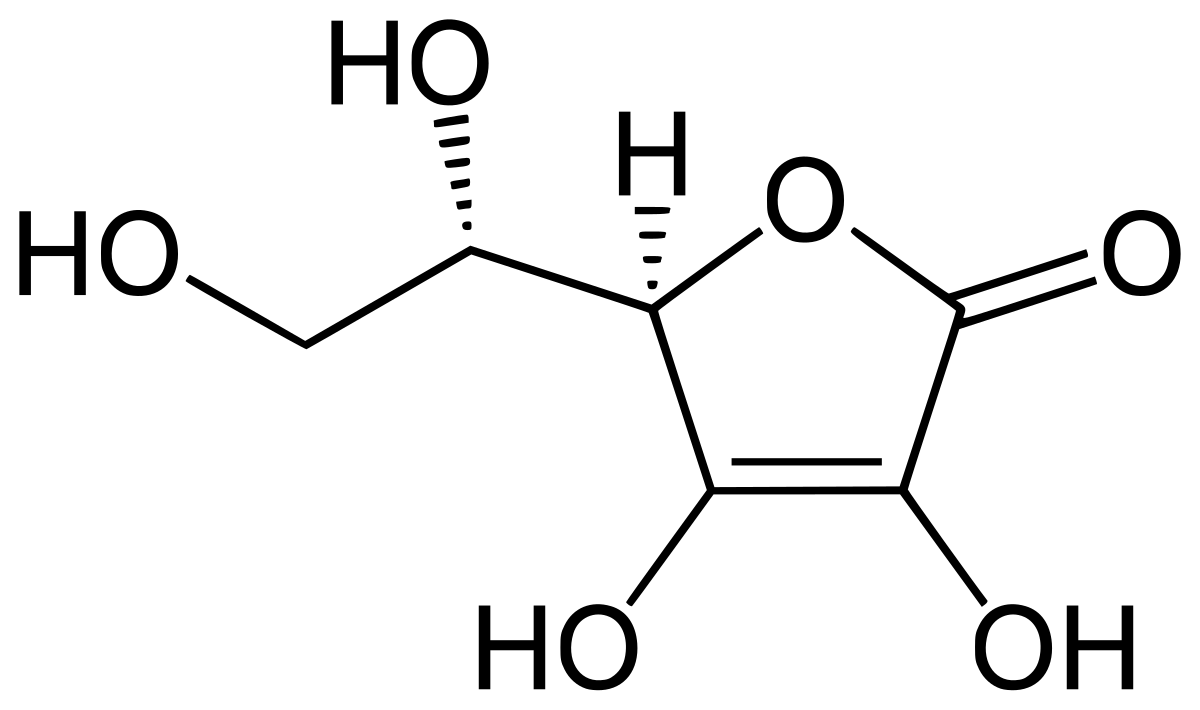
significant increase in the blood histamine level.
And of course vitamin C is the main water-soluble antioxidant in human plasma and has a protective role for the heart in general.
And of course vitamin C is the main water-soluble antioxidant in human plasma and has a protective role for the heart in general.
Then we have nutrients that can prevent calcification.
These are:
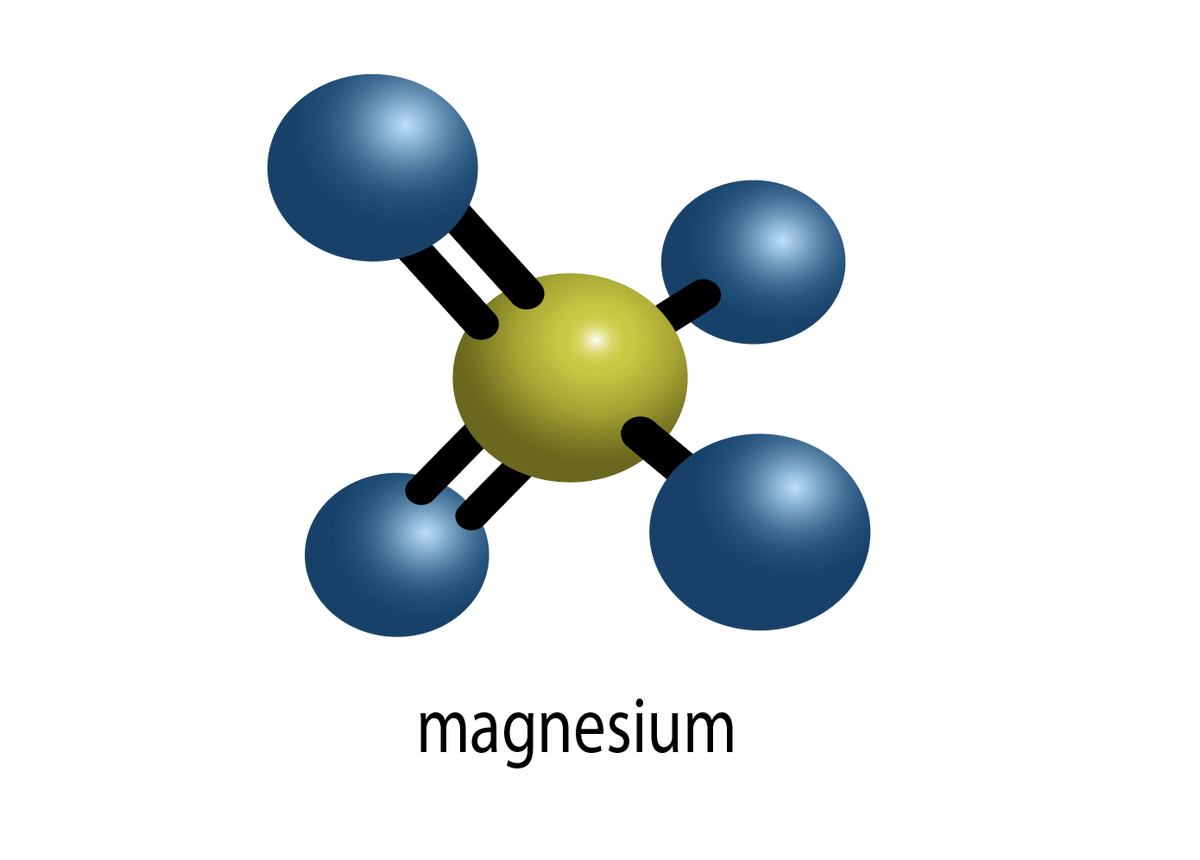
1)Magnesium
A sufficient magnesium intake has long ago been associated(*) with lower risk of major heart disease risk factors.
(*)"In the heart, magnesium plays a key role in modulating neuronal excitation,
These are:
1)Magnesium
A sufficient magnesium intake has long ago been associated(*) with lower risk of major heart disease risk factors.
(*)"In the heart, magnesium plays a key role in modulating neuronal excitation,
intracardiac conduction, and myocardial contraction by regulating a number of ion transporters, including potassium and calcium channels"
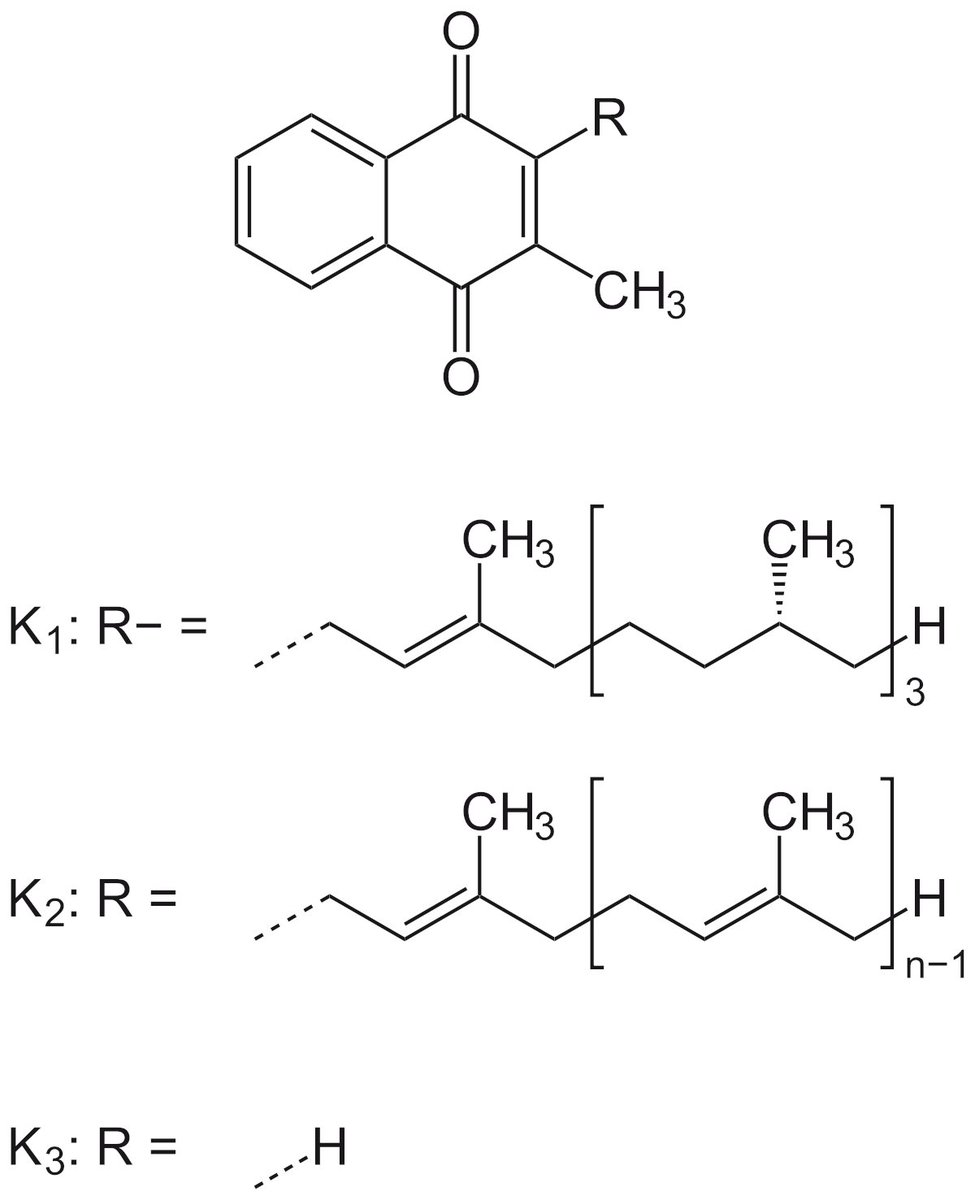
2)Vitamin K
Vitamin K's effects on the cardiovascular system are in general mainly mediated through activation of the anti-calcific protein
2)Vitamin K
Vitamin K's effects on the cardiovascular system are in general mainly mediated through activation of the anti-calcific protein
3)Vitamin D
Vitamin D is crucial for heart health in general, but when it comes to regulating calcium, vitamin D functions by stimulating intestinal calcium and phosphorus absorption (stimulates bone calcium mobilization) and by increasing renal reabsorption of calcium in the
Vitamin D is crucial for heart health in general, but when it comes to regulating calcium, vitamin D functions by stimulating intestinal calcium and phosphorus absorption (stimulates bone calcium mobilization) and by increasing renal reabsorption of calcium in the
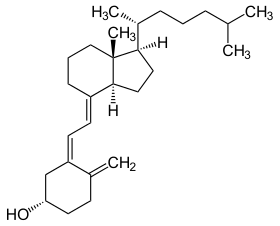
distal tubule.
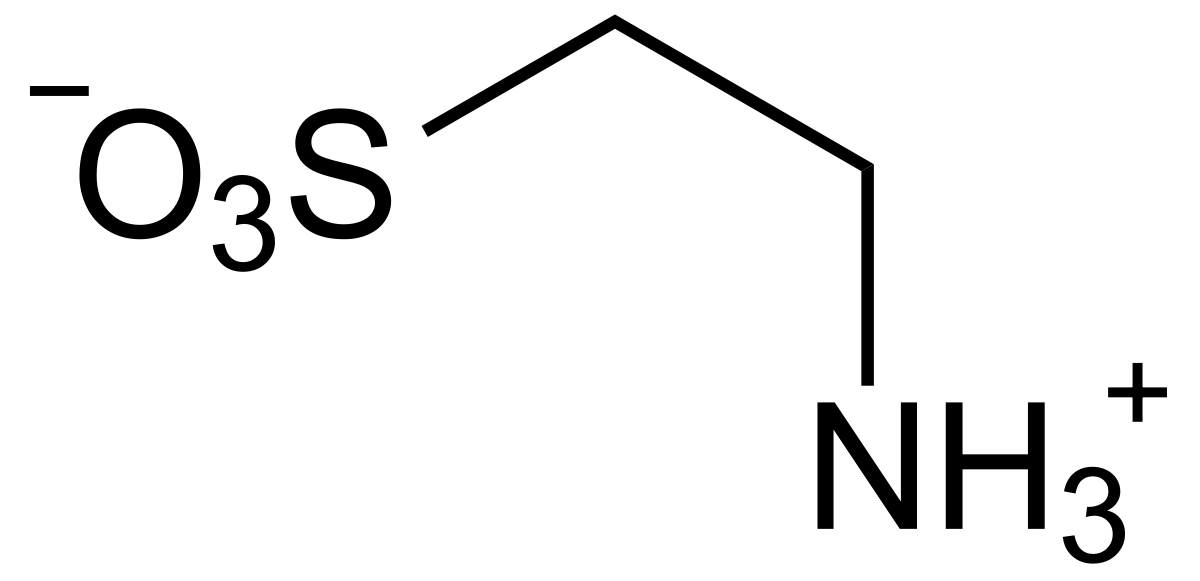
4) Taurine (especially for people who have glutamate maxxxed (poor diet + a lot of stress))
Taurine can greatly inhibit calcification in tissue and also slow the influx of calcium into the cytosol.
4) Taurine (especially for people who have glutamate maxxxed (poor diet + a lot of stress))
Taurine can greatly inhibit calcification in tissue and also slow the influx of calcium into the cytosol.
That's pretty much it for now fellas.
Of course, things such as vitamin E and CoQ10 will also be crucial for heart health, but for these you can check this thread.
Of course, things such as vitamin E and CoQ10 will also be crucial for heart health, but for these you can check this thread.
The main take away that i hope that you will get from this thread? Pay more attention to your nutrition.
And if you found this thread useful, make sure to like or RT the first tweet.
And if you found this thread useful, make sure to like or RT the first tweet.
You know where you can find more up until December 31st (fitandball.gumroad.com)
Talk soon.
Talk soon.

Loading suggestions...