

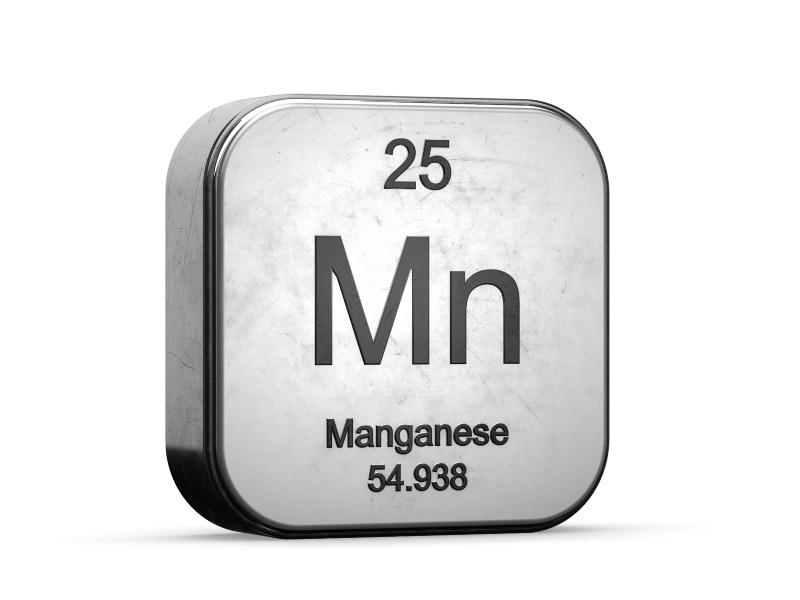
On the importance of manganese.
How this often neglected micronutrient can massively improve multiple areas of your health.
A thread.
How this often neglected micronutrient can massively improve multiple areas of your health.
A thread.
Standard disclaimer that this does not constitute medical advice*
Manganese is a trace mineral which is both essential and potentially toxic.
Manganese for example helps the body form:
-Connective tissue
-Bones
-Blood clotting factors
-Sex hormones
-Plays a role in fat and
Manganese is a trace mineral which is both essential and potentially toxic.
Manganese for example helps the body form:
-Connective tissue
-Bones
-Blood clotting factors
-Sex hormones
-Plays a role in fat and
carbohydrate metabolism
-Calcium absorption
-Blood sugar regulation
-Supports fertility
Manganese is a component of the antioxidant enzyme superoxide dismutase which helps fight free radicals (never neglect the oxidative stress aspect to diseases, mitochondria consume over 90%
-Calcium absorption
-Blood sugar regulation
-Supports fertility
Manganese is a component of the antioxidant enzyme superoxide dismutase which helps fight free radicals (never neglect the oxidative stress aspect to diseases, mitochondria consume over 90%
of the oxygen used by cells, they are especially vulnerable to oxidative stress), is necessary for normal brain and nerve function and is necessary for GnRH (which makes it a crucial mineral for fertility and androgen health).
It also is a constituent and activator of multiple
It also is a constituent and activator of multiple
enzymes who play important roles in the metabolism of carbohydrates, cholesterol, amino acids (pyruvate carboxylase and phosphoenolpyruvate carboxykinase are critical in gluconeogenesis for example) and is also involved in blood clotting along with vitamin K.
Manganese is also crucial for liver health since arginase (a manganese-containing enzyme) is required by the liver for the urea cycle, a process that detoxifies ammonia generated during amino acid metabolism.
Do you struggle with anxiety or with GABA issues in general?
Do you struggle with anxiety or with GABA issues in general?
You might not have enough manganese in your system since in the brain, the manganese-activated enzyme, glutamine synthetase, converts the amino acid glutamate to glutamine.
Do you struggle with joint or tendon pain?
Manganese is the preferred cofactor of glycosyltransferases
Do you struggle with joint or tendon pain?
Manganese is the preferred cofactor of glycosyltransferases
which are required for the synthesis of proteoglycans that are needed for the formation of healthy cartilage and bones but also tendons contain a lot of manganese so a manganese deficiency will result in someone being more prone to these kind of injuries or/and taking more time
in order to heal them.
Manganese has great anti aging skin effects as well since it is required for the activation of prolidase
and glycosaminoglycan synthesis.
A manganese deficiency can also lead to epilepsy (seizure disorders), impaired insulin secretion/glucose intolerance
Manganese has great anti aging skin effects as well since it is required for the activation of prolidase
and glycosaminoglycan synthesis.
A manganese deficiency can also lead to epilepsy (seizure disorders), impaired insulin secretion/glucose intolerance
osteoporosis, impaired growth (especially if a mother is deficient in manganese), fertility problems, skin and hair discoloration, iron build up, liver kidney and brain problems.
But isn't a manganese deficiency rare?
Yes, but almost no one has optimal levels of manganese.
But isn't a manganese deficiency rare?
Yes, but almost no one has optimal levels of manganese.
Let's see why.
First, most people's diets include phytic acid, oxalates, tannins, herbicides and pesticides all of which deplete manganese.
Then, a lot of people consume too much calcium, zinc and magnesium (again, please stop mindlessly consuming supplements) which inevitably
First, most people's diets include phytic acid, oxalates, tannins, herbicides and pesticides all of which deplete manganese.
Then, a lot of people consume too much calcium, zinc and magnesium (again, please stop mindlessly consuming supplements) which inevitably
leads to mineral imbalances in general since everything in the human body works synergistically.
Most people, also have some short of gut issue nowadays which leads to mineral imbalances as well since we need the proper stomach acid levels in order to properly absorb minerals.
Most people, also have some short of gut issue nowadays which leads to mineral imbalances as well since we need the proper stomach acid levels in order to properly absorb minerals.
This is why antacids inhibit the absorption of minerals.
There are 3 threads about gut health in the pinned tweet that might be a good start for improving your gut health.
Last but not least we have iron.
Iron and manganese have common absorption and transport proteins and
There are 3 threads about gut health in the pinned tweet that might be a good start for improving your gut health.
Last but not least we have iron.
Iron and manganese have common absorption and transport proteins and
unbound iron (*) has been associated with decreased blood manganese concentrations and decreased MnSOD activity in leukocytes, indicating a reduction in manganese nutritional status.
Intestinal absorption of manganese is severly decreased when foods high in iron (and especially
Intestinal absorption of manganese is severly decreased when foods high in iron (and especially
iron fortified ones are consumed).
(*) Unbound (or free) iron is iron that is not bound by proteins such as, lactoferrin, ferritin and transferrin.
Now when iron is present in its free form, it becomes extremely damaging for our health since it is a catalyst for the formation
(*) Unbound (or free) iron is iron that is not bound by proteins such as, lactoferrin, ferritin and transferrin.
Now when iron is present in its free form, it becomes extremely damaging for our health since it is a catalyst for the formation
of hydroxyl radicals from reduced forms of O2.
To put it as simply as we can, unbound iron is a “pro-oxidant” and one of the most powerful ones that exist.
So the problem is not iron itself exactly when it’s presented in its free form which can be determined by measuring
To put it as simply as we can, unbound iron is a “pro-oxidant” and one of the most powerful ones that exist.
So the problem is not iron itself exactly when it’s presented in its free form which can be determined by measuring
UIBC (unbound iron binding capacity).
So now, what can you do in order to have proper levels of manganese in your system.
First make sure to balance all minerals.
This means that you should not take (this does not apply to short term usage) these crazy doses of magnesium, zinc
So now, what can you do in order to have proper levels of manganese in your system.
First make sure to balance all minerals.
This means that you should not take (this does not apply to short term usage) these crazy doses of magnesium, zinc
and calcium supplements.
Epsom salt baths, low dose magnesium glycinate, oysters and raw dairy have plenty of all of these.
Avoid phytic acid (this does not mean that you can never have spinach for example), oxalates, tannins, herbicides and pesticides.
Epsom salt baths, low dose magnesium glycinate, oysters and raw dairy have plenty of all of these.
Avoid phytic acid (this does not mean that you can never have spinach for example), oxalates, tannins, herbicides and pesticides.
Optimize your gut health.
Optimize iron homeostasis.
This means to make sure that a) you consume enough of the nutrients that regulate iron (copper, zinc, thiamine, vitamin C (not with high iron (both plant and animal) foods, vitamin E, vitamin A, taurine and biotin for the most
Optimize iron homeostasis.
This means to make sure that a) you consume enough of the nutrients that regulate iron (copper, zinc, thiamine, vitamin C (not with high iron (both plant and animal) foods, vitamin E, vitamin A, taurine and biotin for the most
part), b) try to avoid as much as you can iron fortified foods (wheat, pink salt etc), c) lower excessive estrogen (see threads in pinned tweet), d)combat free radical activity (pinned tweet again) in order to restrain the oxidative burden of iron and e) lower stress since the
absorption of iron from tissues is stimulated when stress hormones are elevated.
Last but not least make sure to consume some food that is high in manganese (and low on its antagonists).
This means that foods such as maple syrup, oysters and quality bee pollen should be a staple
Last but not least make sure to consume some food that is high in manganese (and low on its antagonists).
This means that foods such as maple syrup, oysters and quality bee pollen should be a staple
in your diet.
You don't need too much obviously.
Even 1 tablespoon of maple syrup contains 33% of the daily your daily value of manganese.
What i want you to take out of this thread is mainly to recognise the importance of manganese for our health and also recognise what's
You don't need too much obviously.
Even 1 tablespoon of maple syrup contains 33% of the daily your daily value of manganese.
What i want you to take out of this thread is mainly to recognise the importance of manganese for our health and also recognise what's
interfering with its absorption.
That's pretty much it.
If you liked this thread make sure to like or RT the first tweet.
Talk soon.
That's pretty much it.
If you liked this thread make sure to like or RT the first tweet.
Talk soon.
Loading suggestions...