

Quick thread about the importance of vitamin K🧵
*Standard disclaimer that this does not constitute medical advice*
Vitamin K refers to a group (K1 and K2) of fat soluble vitamins which are found throughout the body including the liver, brain, heart, pancreas and bones and thus protecting each one of these.
Vitamin K refers to a group (K1 and K2) of fat soluble vitamins which are found throughout the body including the liver, brain, heart, pancreas and bones and thus protecting each one of these.
The first (K1) is called phylloquinone and found in green leafy vegetables like collard greens, kale and spinach.
Many people nowadays are being told to avoid spinach because of the high phytic acid, oxalate or in general antinutrient content.
Many people nowadays are being told to avoid spinach because of the high phytic acid, oxalate or in general antinutrient content.
This thinking is obviously low IQ, since cooking spinach in animal fats significantly lowers the anti-nutrient content and keeps everything that’s beneficial for our health such as vitamin K1, betaine and it will still activate sigma1 (dopamine receptor).
Now the second (K2), menaquinones, are found in some animal and fermented foods such as natto.
In addition, some gut bacteria such as bacillus, lactobacillus, eubacterium lentum and geobacillus produce vitamin K2.
Now let's see why vitamin K is so important.
In addition, some gut bacteria such as bacillus, lactobacillus, eubacterium lentum and geobacillus produce vitamin K2.
Now let's see why vitamin K is so important.
First of all, vitamin K helps to make various proteins that are needed for blood clotting(*) and the building of bones(**).
(*)Prothrombin for example is a vitamin K-dependent protein directly involved with blood clotting.
(**)Osteocalcin is a protein that requires vitamin K
(*)Prothrombin for example is a vitamin K-dependent protein directly involved with blood clotting.
(**)Osteocalcin is a protein that requires vitamin K
to produce healthy bone tissue since it binds calcium and stores it in the bones.
Osteocalcin also promotes synthesis of testosterone (this is one of the reason why the administration of MK-4 has been shown to double testosterone levels in rats), improves the sensitivity of
Osteocalcin also promotes synthesis of testosterone (this is one of the reason why the administration of MK-4 has been shown to double testosterone levels in rats), improves the sensitivity of
insulin receptors and the function of the insulin-producing beta-cells which makes vitamin K crucial for proper glucose metabolism.
One of the reason why statins tend to make people more prone to diabetes and low testosterone, is due to their vitamin K lowering effect since
One of the reason why statins tend to make people more prone to diabetes and low testosterone, is due to their vitamin K lowering effect since
osteocalcin is activated through the vitamin K dependent carboxylation.
Vitamin K2 also boosts Matrillin-2 which is a protein, that promotes neurite outgrowth, Schwann cell (a type of glial cell that surrounds neurons) migration, neuromuscular junction formation and liver
Vitamin K2 also boosts Matrillin-2 which is a protein, that promotes neurite outgrowth, Schwann cell (a type of glial cell that surrounds neurons) migration, neuromuscular junction formation and liver
regeneration.
Vitamin K is also crucial for organs such as the liver and pancreas due to the vitamin-K-dependent proteins prothrombin and protein S.
Through vitamin-K dependent carboxylation, vit K is also involved in the activation of protein Gas6 which is ivolved in apoptosis
Vitamin K is also crucial for organs such as the liver and pancreas due to the vitamin-K-dependent proteins prothrombin and protein S.
Through vitamin-K dependent carboxylation, vit K is also involved in the activation of protein Gas6 which is ivolved in apoptosis
Want a healthy brain? Make sure to consume enough vitamin K.
First, vitamin K is involved in the synthesis of sphingolipids which are abundant in brain cell membranes and makes vitamin K a crucial nutrient for brain health by default and explains why a lack of vitamin K has been
First, vitamin K is involved in the synthesis of sphingolipids which are abundant in brain cell membranes and makes vitamin K a crucial nutrient for brain health by default and explains why a lack of vitamin K has been
linked to neurodegenerative diseases.
It also helps the body combat the hardening of soft tissues such as blood vessels and can prevent atherosclerosis.
It also helps the body combat the hardening of soft tissues such as blood vessels and can prevent atherosclerosis.
In general vitamin K:
• Boosts testosterone and fertility
• Is crucial for proper bone development
• Protects the heart, the liver and the pancreas
• Lowers estrogen
• Improves mitochondrial function
• Optimizes libido
• Crucial for gut healing
• Boosts testosterone and fertility
• Is crucial for proper bone development
• Protects the heart, the liver and the pancreas
• Lowers estrogen
• Improves mitochondrial function
• Optimizes libido
• Crucial for gut healing
• Protects the brain and prevents neurodegeneration
• Reduces the risk of prostate cancer
Now the benefits of vitamin K sound cool and they are, BUT, all of the fat-soluble vitamins work together.
Which means, that getting enough vitamin A, E and D will also be crucial.
• Reduces the risk of prostate cancer
Now the benefits of vitamin K sound cool and they are, BUT, all of the fat-soluble vitamins work together.
Which means, that getting enough vitamin A, E and D will also be crucial.
That's pretty much it.
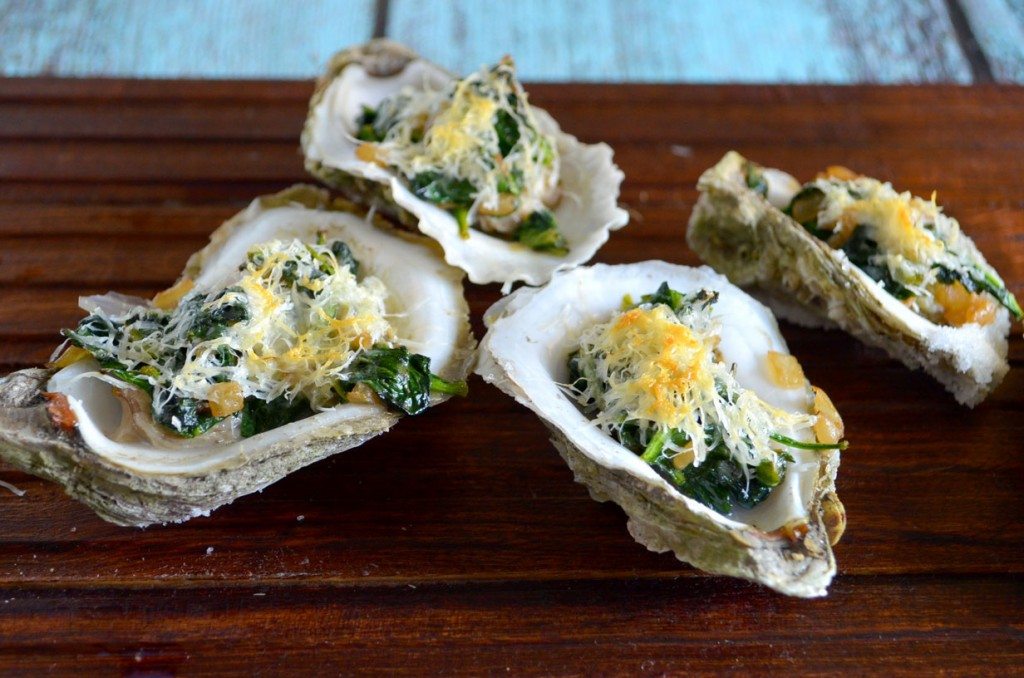
In the first pic of the thread, that's oysters topped with organic spinach slow cooked in g.f ghee and topped with cheese which makes it the perfect vitamin K snack.
In the first pic of the thread, that's oysters topped with organic spinach slow cooked in g.f ghee and topped with cheese which makes it the perfect vitamin K snack.
And if you learned something from this thread make sure to like/RT the first tweet.
Loading suggestions...