

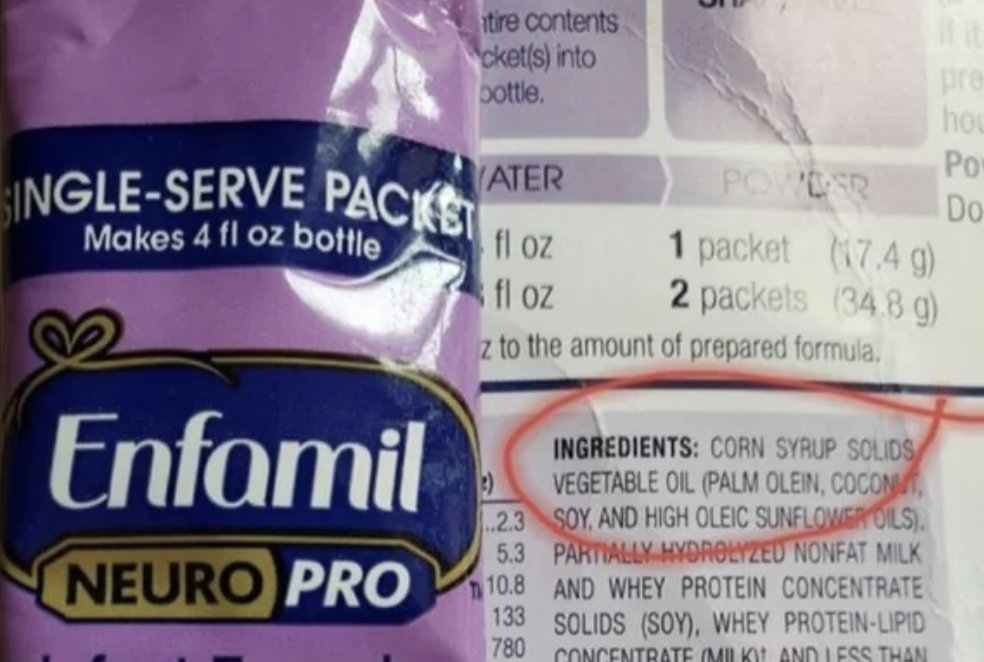
Your baby formula is failing to nourish your child.
A 1938 study proved why your baby intuitively knows it needs real foods.
The results of the study will blow you away 👇
A 1938 study proved why your baby intuitively knows it needs real foods.
The results of the study will blow you away 👇
Clara M. Davis was an American pediatrician and nutritionist.
She conducted a study on the effects of individualized diets on the growth and health of infants in the 1930s.
She wanted to know if babies could self-select their diets without direction from adults.
She conducted a study on the effects of individualized diets on the growth and health of infants in the 1930s.
She wanted to know if babies could self-select their diets without direction from adults.
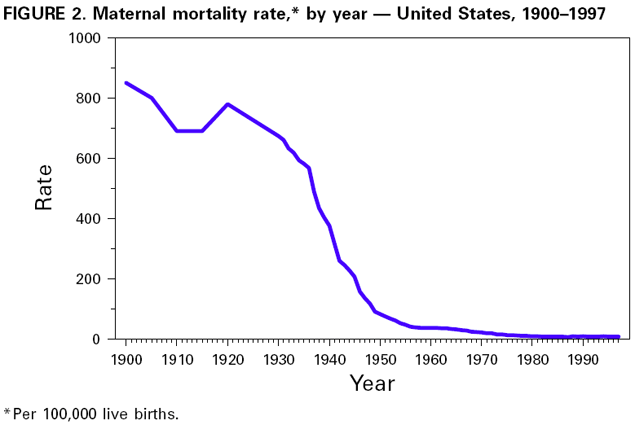
Her research was born out of observing a rise in infant mortalities.
Davis was convinced that the high rates of infant mortality in Chicago's hospitals and malnutrition in unmarried teenage mothers could be addressed through individualized diets.
Davis was convinced that the high rates of infant mortality in Chicago's hospitals and malnutrition in unmarried teenage mothers could be addressed through individualized diets.
She decided to conduct a study in which she provided each infant with a different diet based on their unique nutritional needs.
Davis allowed the infant to select which foods they wanted based on a wide range of nutritional profiles, taste, and textures.
Davis allowed the infant to select which foods they wanted based on a wide range of nutritional profiles, taste, and textures.
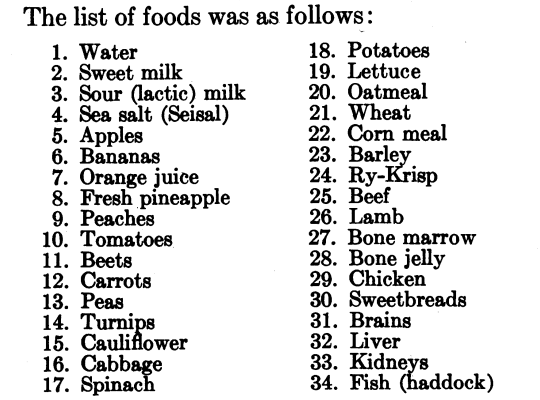
Food was not offered to the infant directly or by suggestion.
The baby had full autonomy over its diet with the foods placed in front of it.
Most of the infants started the study in poor condition. Some were underweight, some had rickets.
The baby had full autonomy over its diet with the foods placed in front of it.
Most of the infants started the study in poor condition. Some were underweight, some had rickets.
Her hope was to explain four key points:
1. Can infants choose their own food without aid?
2. Would they show preferences?
3. Would they suffer poor digestion?
4. How would they develop compared to an infant prescribed a normal diet?
1. Can infants choose their own food without aid?
2. Would they show preferences?
3. Would they suffer poor digestion?
4. How would they develop compared to an infant prescribed a normal diet?
Davis's study was groundbreaking.
The infants chose foods intuitively, selecting foods high in nutrition and favoring some foods with certain nutrient profiles above others.
The infants chose foods intuitively, selecting foods high in nutrition and favoring some foods with certain nutrient profiles above others.
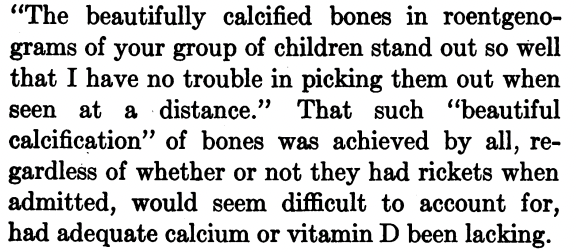
Regardless of how the baby arrived to the study, based on urine samples, blood work, and roentgenograms of their bones, all of the infants left the study healthy.
The experiment showed when given the choice, infants ate:
17% protein
35% fat
48% carbohydrates
The quality of the protein, however, was no more important than the quantity. The protein of the diets in every case was the protein of the highest biological value.
17% protein
35% fat
48% carbohydrates
The quality of the protein, however, was no more important than the quantity. The protein of the diets in every case was the protein of the highest biological value.
The protein was derived from animal sources like:
Milk 🥛
Eggs 🥚
Organs 🧠
Muscle meat 🥩
The quality of the food, and specifically the protein mattered substantially, and it was entirely animal-based.
Milk 🥛
Eggs 🥚
Organs 🧠
Muscle meat 🥩
The quality of the food, and specifically the protein mattered substantially, and it was entirely animal-based.
Her findings were published in the Journal of Pediatrics in 1938 and was widely read, influencing many pediatricians and nutritionists to follow similar approaches with the individualized diets for infants.
medicine.mcgill.ca
medicine.mcgill.ca
The study says so much about what we have lost through the invention of highly processed foods.
Infants - when given a wide range of choices - knew exactly which foods to eat to support themselves nutritionally.
Infants - when given a wide range of choices - knew exactly which foods to eat to support themselves nutritionally.
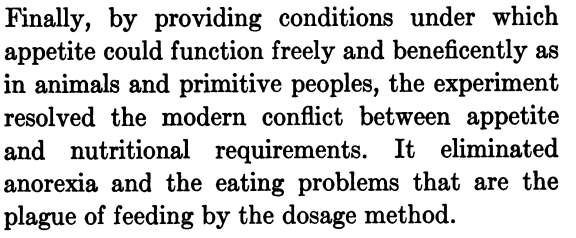
This study serves as a strong reminder that our bodies know what they need to thrive.
In a world where we have seed oils in our baby formula, Clara M. Davis's study is a welcome reminder of the biological intelligence we have within us.
Modern food makes it easy to forget.
In a world where we have seed oils in our baby formula, Clara M. Davis's study is a welcome reminder of the biological intelligence we have within us.
Modern food makes it easy to forget.
We hope you've found this thread helpful.
Follow us @HeartandSoil_ for more informational content like this!
Like/Retweet the first tweet below if you can:
Follow us @HeartandSoil_ for more informational content like this!
Like/Retweet the first tweet below if you can:
Loading suggestions...