

On the importance of B vitamins.
Thread🧵
Thread🧵
*Standard disclaimer that this does not constitute medical advice*
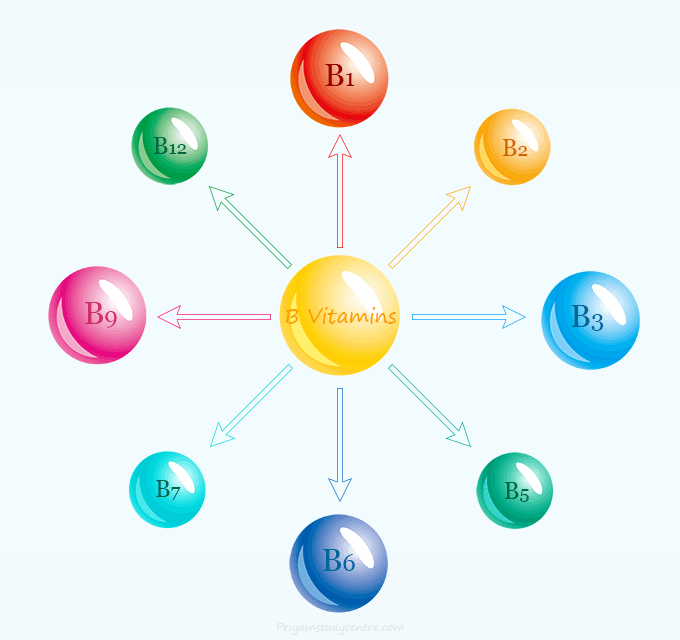
B vitamins are a class of water soluble vitamins that play important roles in cell metabolism and synthesis of red blood cells.
There are 8 B vitamins (we are no longer counting things such as choline and
B vitamins are a class of water soluble vitamins that play important roles in cell metabolism and synthesis of red blood cells.
There are 8 B vitamins (we are no longer counting things such as choline and
carnitine as B vitamins) all of which are crucial for our well being.
A deficiency in any of them can have dramatic health consequences and worsen conditions such as cancer, autism (many studies now correlate low levels of thiamine with autism), depression, panic disorders, ADD,
A deficiency in any of them can have dramatic health consequences and worsen conditions such as cancer, autism (many studies now correlate low levels of thiamine with autism), depression, panic disorders, ADD,
ADHD, T2D, bipolar disorders (acetylcholine plays a huge part in bipolar), Alzheimer's, heart problems, liver problems and a folate deficiency in pregnant mothers has been linked to neural tube defects among other things.
So, being deficient in any of the B vitamins is
So, being deficient in any of the B vitamins is
something that you don’t want to be.
Some symptoms of a B vitamin deficiency include:
1)Chronic fatigue
2)Inability to concentrate
3)Sensitivity to sunlight
4)IBS
5)Insomnia
6)Epilepsy
7)Thinning hair
8)Dermatitis
9)Anemia
10)Migraines
11)Apathy
12)Insulin resistance
Some symptoms of a B vitamin deficiency include:
1)Chronic fatigue
2)Inability to concentrate
3)Sensitivity to sunlight
4)IBS
5)Insomnia
6)Epilepsy
7)Thinning hair
8)Dermatitis
9)Anemia
10)Migraines
11)Apathy
12)Insulin resistance
Before we mention the importance of its one of the B vitamins and where to get them, please limit the consumption of the following two dietary factors that severely deplete B vitamins.
The first one is alcohol.
Alcohol (and sulfites) attack for lack of a better term B vitamins
The first one is alcohol.
Alcohol (and sulfites) attack for lack of a better term B vitamins
such as thiamine (B1) at the methylene bridge in the structure, cleaving the pyrimidine ring from the thiazole ring.
So, if you are a regular drinker, it is almost impossible to have sufficient amounts of thiamine in your system.
So, if you are a regular drinker, it is almost impossible to have sufficient amounts of thiamine in your system.
The second thing that you will need to avoid is tannic acid, which is used in almost every big bakery, baking mixes, sodas, alcoholic beverages, candy, frozen dairy products and in general every food that the average American consumes daily.
So stick to whole foods.
So stick to whole foods.
Now let's talk about each one of the B vitamins and where you can get the from.
First we have thiamine (B1)
Thiamine helps the body's cells change carbohydrates into energy, plays a role in muscle contraction and conduction of nerve signals and is essential for the metabolism
First we have thiamine (B1)
Thiamine helps the body's cells change carbohydrates into energy, plays a role in muscle contraction and conduction of nerve signals and is essential for the metabolism
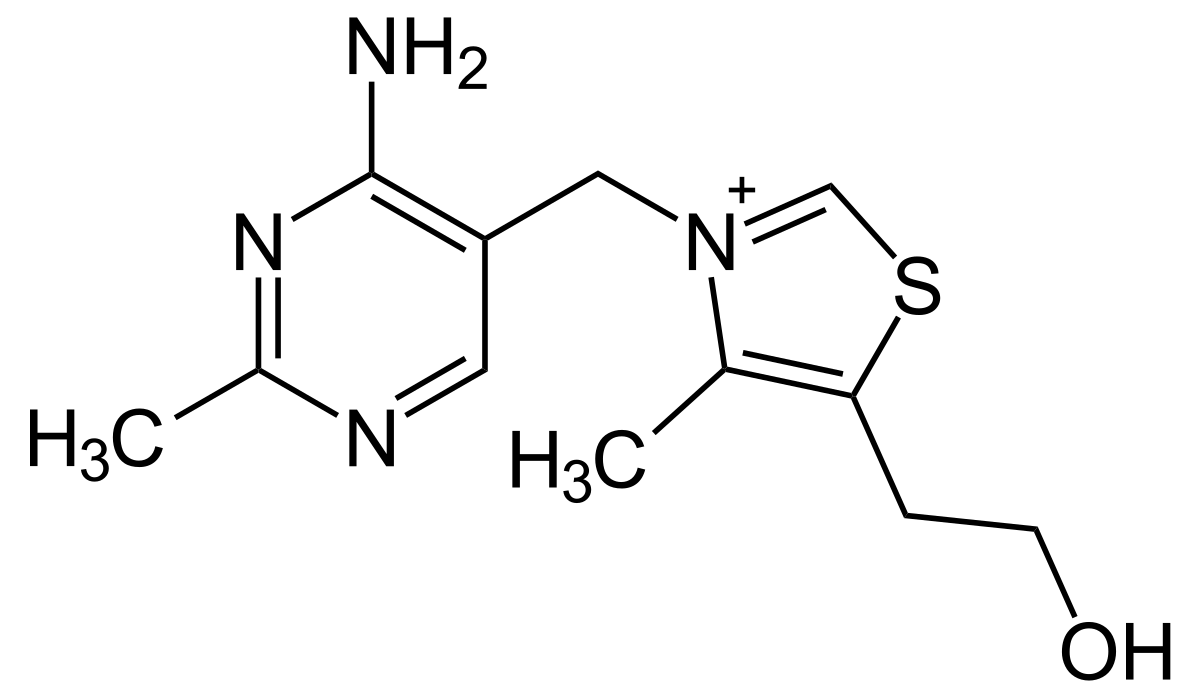
of pyruvate.
Thiamine helps prevent complications in the nervous system, brain, muscles, heart, stomach, intestines and is also involved in the flow of electrolytes into and out of muscle and nerve cells.
Thiamine is extremely important for recent mothers and pregnant women
Thiamine helps prevent complications in the nervous system, brain, muscles, heart, stomach, intestines and is also involved in the flow of electrolytes into and out of muscle and nerve cells.
Thiamine is extremely important for recent mothers and pregnant women
(especially in the third trimester) as well.
A thiamine deficiency in the mother can a severly affect the child's brain, metabolic health to the point of triggering autoimmune conditions and making it more susceptible to the effects of heavy metals.
A thiamine deficiency in the mother can a severly affect the child's brain, metabolic health to the point of triggering autoimmune conditions and making it more susceptible to the effects of heavy metals.
Thiamine is important for mitochondrial membrane development and synaptosomal membrane function as well.
A thiamine deficiency can even lead to the death of the child.
Some good sources of thiamine are:
-Some brewer's yeast
-Organs
-Some forms of spirulina
A thiamine deficiency can even lead to the death of the child.
Some good sources of thiamine are:
-Some brewer's yeast
-Organs
-Some forms of spirulina
Most thiamine supplements are safe but is best to be avoided for pregnant and lactating women.
Then we have riboflavin (B2).
Riboflavin is essential to the formation of the coenzymes FMN and FAD which are involved in energy metabolism, cell respiration, antibody production,
Then we have riboflavin (B2).
Riboflavin is essential to the formation of the coenzymes FMN and FAD which are involved in energy metabolism, cell respiration, antibody production,
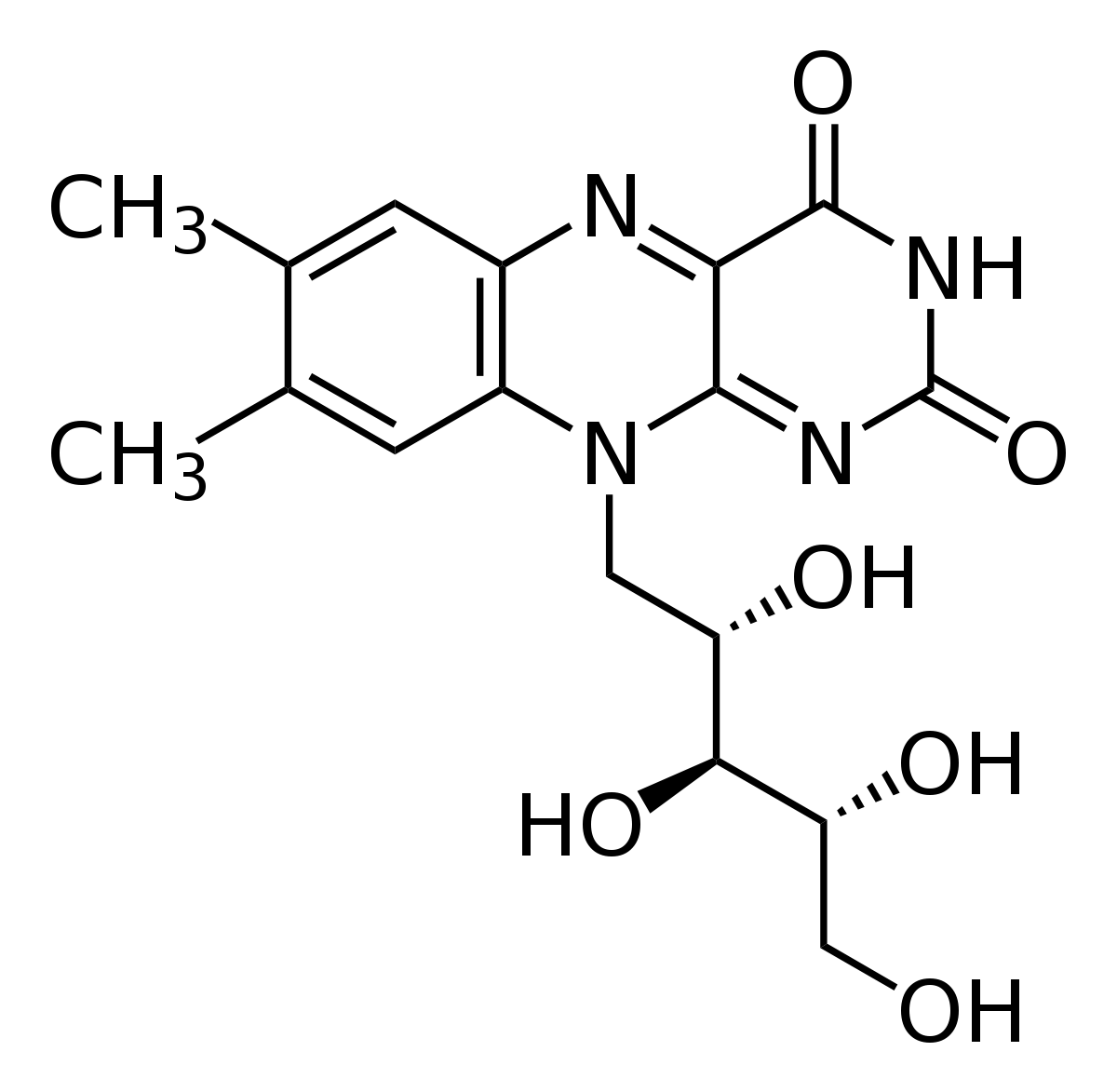
growth and development, the metabolism of carbohydrates, protein and fats.
Riboflavin is also involved in maintaining normal circulating levels of homocysteine and the coenzymes that B2 is essential to the form ( FMN and FAD) are required for the metabolism of niacin(*),
Riboflavin is also involved in maintaining normal circulating levels of homocysteine and the coenzymes that B2 is essential to the form ( FMN and FAD) are required for the metabolism of niacin(*),
vitamin B6, and folate.
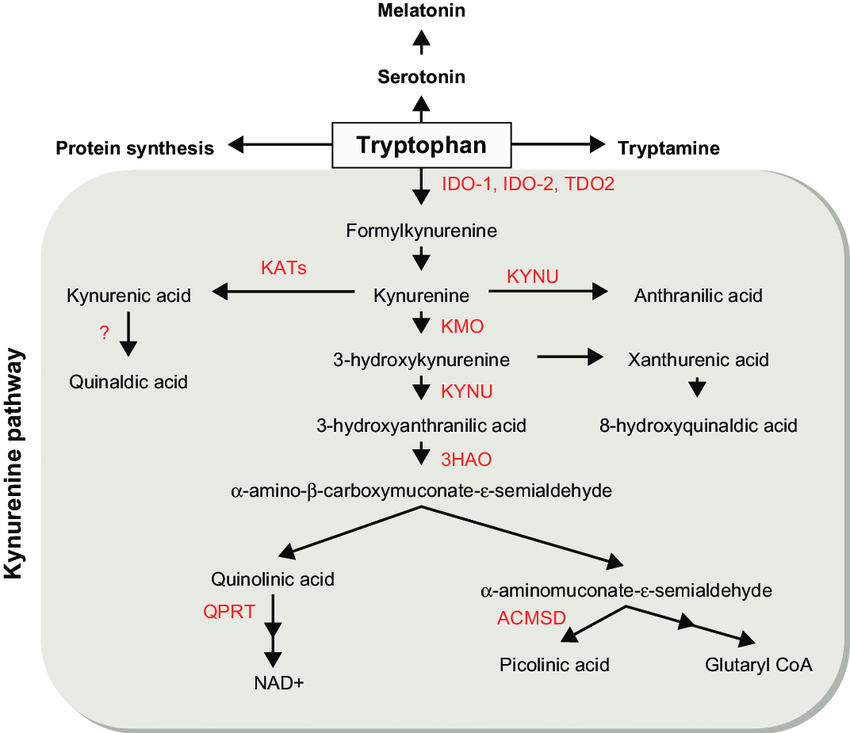
(*)The synthesis of the niacin-containing coenzymes, NAD and NADP, from tryptophan involves the FAD-dependent enzyme, kynurenine 3-monooxygenase so dietary deficiency of riboflavin can decrease the production of NAD.
(*)The synthesis of the niacin-containing coenzymes, NAD and NADP, from tryptophan involves the FAD-dependent enzyme, kynurenine 3-monooxygenase so dietary deficiency of riboflavin can decrease the production of NAD.
So without enough B2 in our system, utilizing other B vitamins can be very hard if not impossible and B2 is critical for iron homeostasis and preventing the buildup of unbound iron.
We need to consume vitamin B2 daily, because the body can only store small amounts and its
We need to consume vitamin B2 daily, because the body can only store small amounts and its
supplies go down rapidly.
The best food sources of vitamin B2 are:
-Beef
-Brewer’s yeast
-Raw dairy
-Raw egg yolk
Moving on to niacin (B3).
Niacin includes three forms or vitamers:
-Nicotinamide (niacinamide)
-Nicotinic acid (yes, cigarillo nationalism)
and
The best food sources of vitamin B2 are:
-Beef
-Brewer’s yeast
-Raw dairy
-Raw egg yolk
Moving on to niacin (B3).
Niacin includes three forms or vitamers:
-Nicotinamide (niacinamide)
-Nicotinic acid (yes, cigarillo nationalism)
and
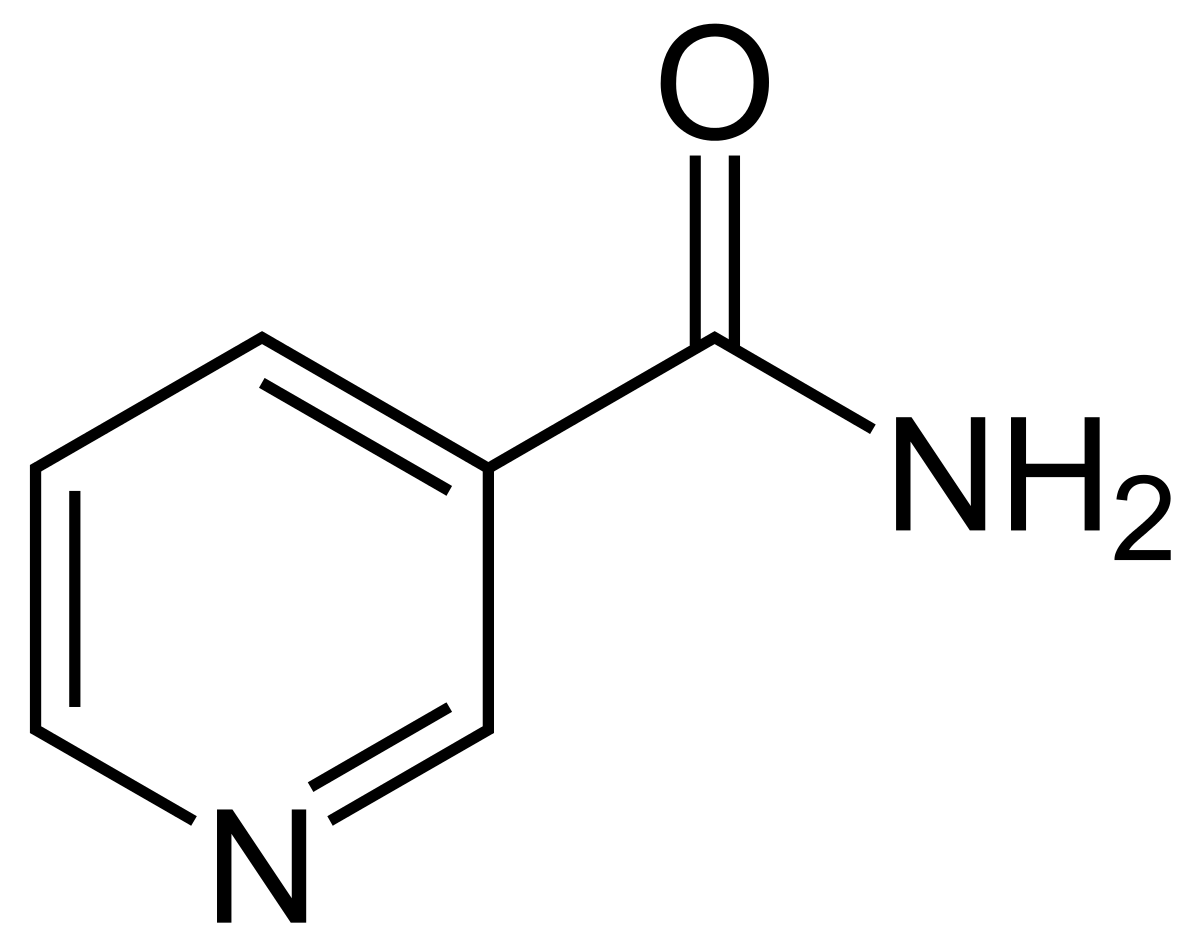
-Nicotinamide riboside
All of which are converted within the body to nicotinamide adenine dinucleotide (NAD).
Niacinamide, is a component of the coenzymes nicotinamide adenine dinucleotide (NAD) and nicotinamide adenine dinucleotide phosphate (NADP+).
All of which are converted within the body to nicotinamide adenine dinucleotide (NAD).
Niacinamide, is a component of the coenzymes nicotinamide adenine dinucleotide (NAD) and nicotinamide adenine dinucleotide phosphate (NADP+).
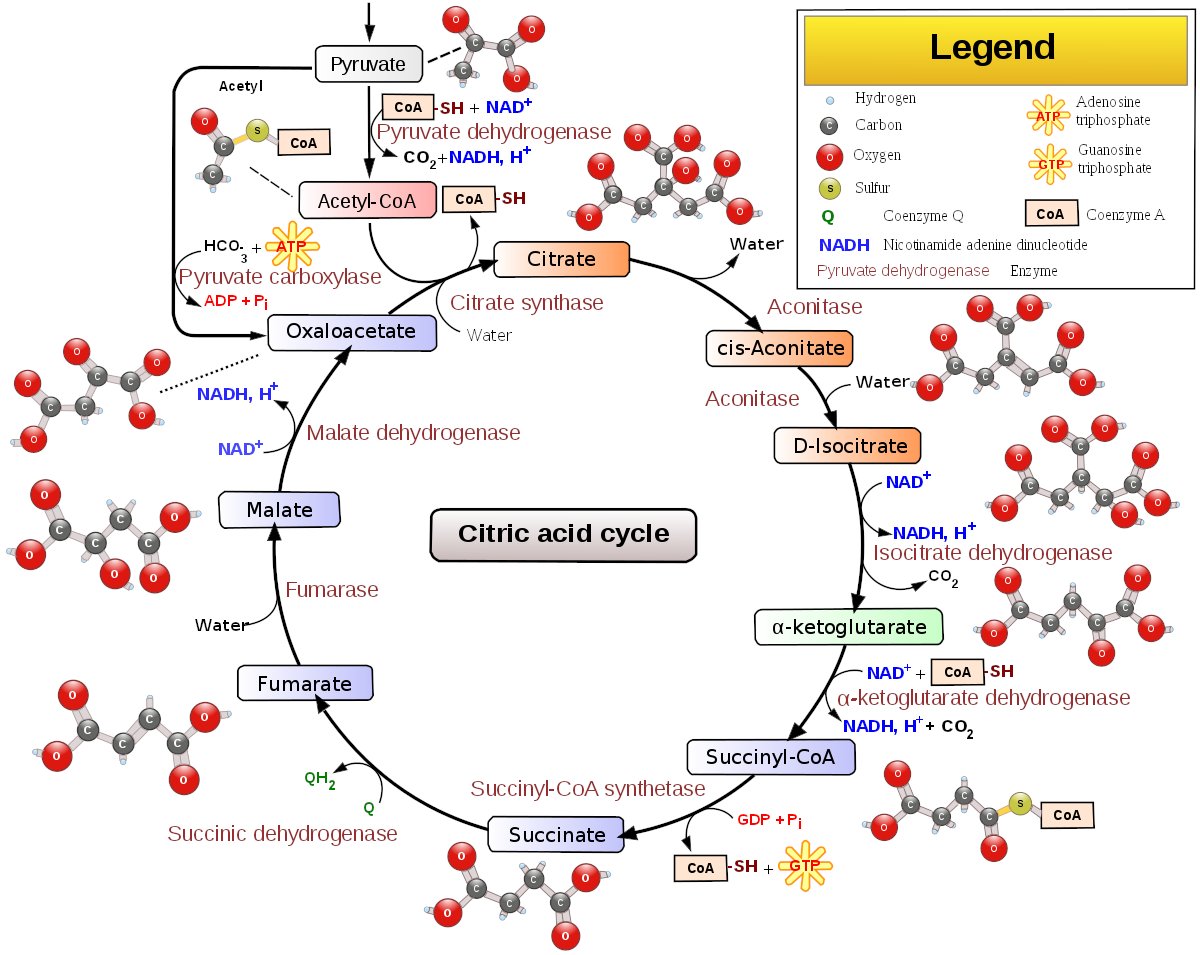
NAD along with NADP are utilized in DNA repair and calcium mobilization. NAD also acts as a coenzyme in glycolysis and the Krebs cycle.
In general, NAD and NADP are involved in over 400 biochemical reactions in your body mainly related to obtaining energy from the food we eat.
In general, NAD and NADP are involved in over 400 biochemical reactions in your body mainly related to obtaining energy from the food we eat.
Probably the best food source of vitamin B3 in my opinion is grass fed/finished red meat.
If you plan to supplement B3, make sure that you have enough vitamin A, magnesium, copper, glycine, glutamine, zinc and B2 in your system in order not to harm the kynurenine pathway.
If you plan to supplement B3, make sure that you have enough vitamin A, magnesium, copper, glycine, glutamine, zinc and B2 in your system in order not to harm the kynurenine pathway.
Moving on to pantothenic acid (B5)
Vitamin B5 is necessary for making blood cells and as with all B vitamins it helps us convert the food we eat into energy.
Vitamin B5 is needed for healthy skin, hair, and eyes, proper functioning of the nervous system and liver, healthy
Vitamin B5 is necessary for making blood cells and as with all B vitamins it helps us convert the food we eat into energy.
Vitamin B5 is needed for healthy skin, hair, and eyes, proper functioning of the nervous system and liver, healthy
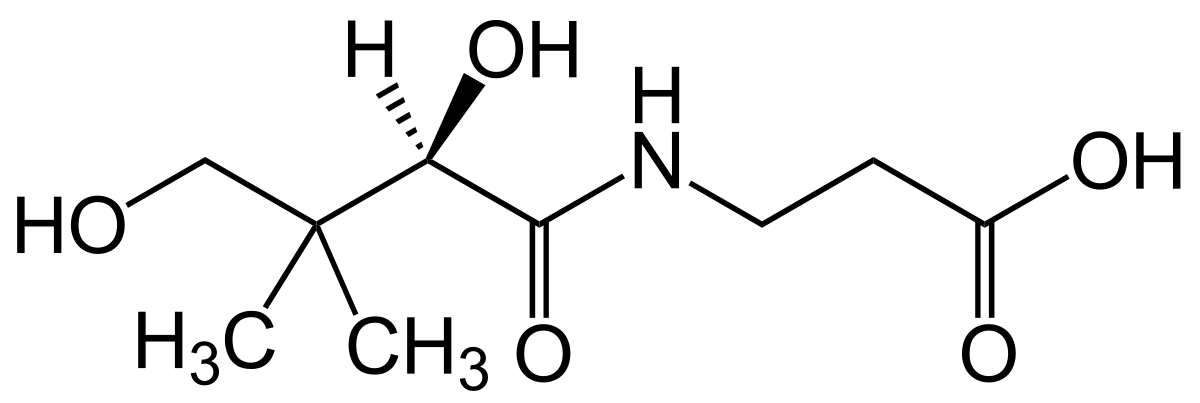
digestive tract, making red blood cells, which carry oxygen throughout the body making sex and stress-related hormones in the adrenal glands.
The best sources of vitamin B5 in my opinion are:
1)Egg yolks
2)Chicken liver
3)Beef kidney
4)Sprouted rice with mushrooms
5)Raw dairy
The best sources of vitamin B5 in my opinion are:
1)Egg yolks
2)Chicken liver
3)Beef kidney
4)Sprouted rice with mushrooms
5)Raw dairy
Now we have, vitamin B6.
Vitamin B6 or pyridoxine, is a water-soluble vitamin found naturally in many foods, as well as added to foods and supplements.
Pyridoxal 5’ phosphate (PLP) is the active coenzyme form and most common measure of B6 blood levels in the body.
Vitamin B6 or pyridoxine, is a water-soluble vitamin found naturally in many foods, as well as added to foods and supplements.
Pyridoxal 5’ phosphate (PLP) is the active coenzyme form and most common measure of B6 blood levels in the body.
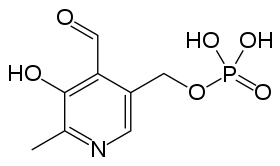
PLP is a coenzyme that assists more than 100 enzymes to perform various functions, including the breakdown of proteins, carbohydrates, and fats; maintaining normal levels of homocysteine (since high levels can cause heart problems), supporting immune function and brain health.
Vitamin B6 plays an important role in mood regulation.
This is partly because this vitamin is necessary for creating neurotransmitters including serotonin, dopamine and gamma-aminobutyric acid (GABA).
Vitamin B6 may also play a role in decreasing high blood levels of the
This is partly because this vitamin is necessary for creating neurotransmitters including serotonin, dopamine and gamma-aminobutyric acid (GABA).
Vitamin B6 may also play a role in decreasing high blood levels of the
the amino acid homocysteine, which have been linked to depression and other psychiatric issues.
The best sources of vitamin B6 are:
-Beef liver (and other organs)
-Fish
The best sources of vitamin B6 are:
-Beef liver (and other organs)
-Fish
Then we have biotin (B7).
Biotin improves the texture of the skin by preventing oxidative damage, is essential in improving the cognitive functioning of the brain by repairing the brain cells, is extremely important for our vision and is helpful for people suffering from kidney
Biotin improves the texture of the skin by preventing oxidative damage, is essential in improving the cognitive functioning of the brain by repairing the brain cells, is extremely important for our vision and is helpful for people suffering from kidney
problems.
As with all B vitamins, biotin is a coenzyme for carboxylase enzymes that are involved in synthesizing, or creating, fatty acids, synthesizing the amino acids isoleucine and valine and gluconeogenesis.
The best sources of vitamin B7 are:
-Beef liver
-Egg yolks
As with all B vitamins, biotin is a coenzyme for carboxylase enzymes that are involved in synthesizing, or creating, fatty acids, synthesizing the amino acids isoleucine and valine and gluconeogenesis.
The best sources of vitamin B7 are:
-Beef liver
-Egg yolks
Biotin can be supplemented if needed relative safely just make sure that you have enough magnesium, copper and zinc in your system.
Moving on to inositol (B8)
Although inositol is referred to as vitamin B8, it is not a vitamin but a sugar that plays a structural role in the
Moving on to inositol (B8)
Although inositol is referred to as vitamin B8, it is not a vitamin but a sugar that plays a structural role in the
body as a major component of cell membranes and is necessary for blood sugar control.
In addition, it affects the regulation of dopamine.
Inositol has many potential benefits and is usually used for psychological issues (depression, anxiety) and metabolic problems.
In addition, it affects the regulation of dopamine.
Inositol has many potential benefits and is usually used for psychological issues (depression, anxiety) and metabolic problems.
The best sources of vitamin B8 are:
-Beef
-Citrus fruit juices with no pulp such as orange juice or grapefruit juice
Just make sure to not combine the two.
Inositol can be supplemented pretty safely if someone has enough choline in his system. So if you are going to take
-Beef
-Citrus fruit juices with no pulp such as orange juice or grapefruit juice
Just make sure to not combine the two.
Inositol can be supplemented pretty safely if someone has enough choline in his system. So if you are going to take
inositol make sure to have some eggs in the day.
Now let's talk about folic acid (B9)
Vitamin B9 or folic acid is crucial for proper brain function, plays an important role in mental and emotional health, aids in the production of DNA and RNA, the body's genetic material, it
Now let's talk about folic acid (B9)
Vitamin B9 or folic acid is crucial for proper brain function, plays an important role in mental and emotional health, aids in the production of DNA and RNA, the body's genetic material, it
helps to control blood levels of the amino acid homocysteine along with B6 and B12, can prevent and even reverse age related hearing loss and macular degeneration, can protect the development of many forms of cancer and the list keeps going and ends with the fact that a B9
deficiency can cause birth defects and even miscarriages.
The best sources of vitamin B9 are:
-Beef liver
-Organic asparagus and spinach cooked in grass fed butter or ghee (the cooking in animal fats is crucial in order to lower the antinutrient content).
The best sources of vitamin B9 are:
-Beef liver
-Organic asparagus and spinach cooked in grass fed butter or ghee (the cooking in animal fats is crucial in order to lower the antinutrient content).
Last but not least we have vitamin B12
Vitamin B12 is needed to form red blood cells, DNA and it helps in the function and development of brain and nerve cells.
Vitamin B12 binds to the protein in the foods we eat and the hydrochloric acid and enzymes in the stomach unbind
Vitamin B12 is needed to form red blood cells, DNA and it helps in the function and development of brain and nerve cells.
Vitamin B12 binds to the protein in the foods we eat and the hydrochloric acid and enzymes in the stomach unbind
vitamin B12 into its free form by freeing it from haptocorrin.
From there, vitamin B12 combines with a protein called intrinsic factor so that it can be absorbed further down in the small intestine.
Vitamin B12 also functions as a cofactor for two enzymes, methionine synthase
From there, vitamin B12 combines with a protein called intrinsic factor so that it can be absorbed further down in the small intestine.
Vitamin B12 also functions as a cofactor for two enzymes, methionine synthase
and L-methylmalonyl-CoA mutase.
Methionine synthase catalyzes the conversion of homocysteine to the essential amino acid methionine.
Methionine is required for the formation of S-adenosylmethionine, a methyl donor (crucial for testosterone as you will see) for almost 100
Methionine synthase catalyzes the conversion of homocysteine to the essential amino acid methionine.
Methionine is required for the formation of S-adenosylmethionine, a methyl donor (crucial for testosterone as you will see) for almost 100
different substrates, including DNA, RNA, proteins, and lipids.
The best sources of vitamin B12 are:
-Beef liver
-Beef
-Clams
-Sardines
-Raw dairy
The best sources of vitamin B12 are:
-Beef liver
-Beef
-Clams
-Sardines
-Raw dairy
That's pretty much it.
Get your B vitamins in and if you liked this thread make sure to like/RT the first tweet.
Get your B vitamins in and if you liked this thread make sure to like/RT the first tweet.
Loading suggestions...