

Niacin
A vitamin with anti-ageing, cardioprotective, DNA stabilising; mitochondrial-aiding; and neuroprotective activities.
A THREAD 🧵
A vitamin with anti-ageing, cardioprotective, DNA stabilising; mitochondrial-aiding; and neuroprotective activities.
A THREAD 🧵
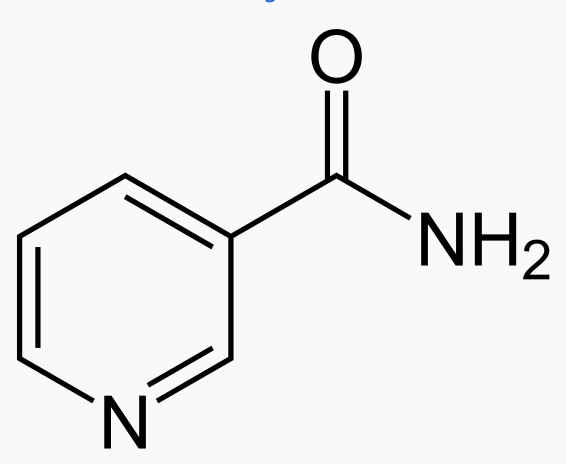

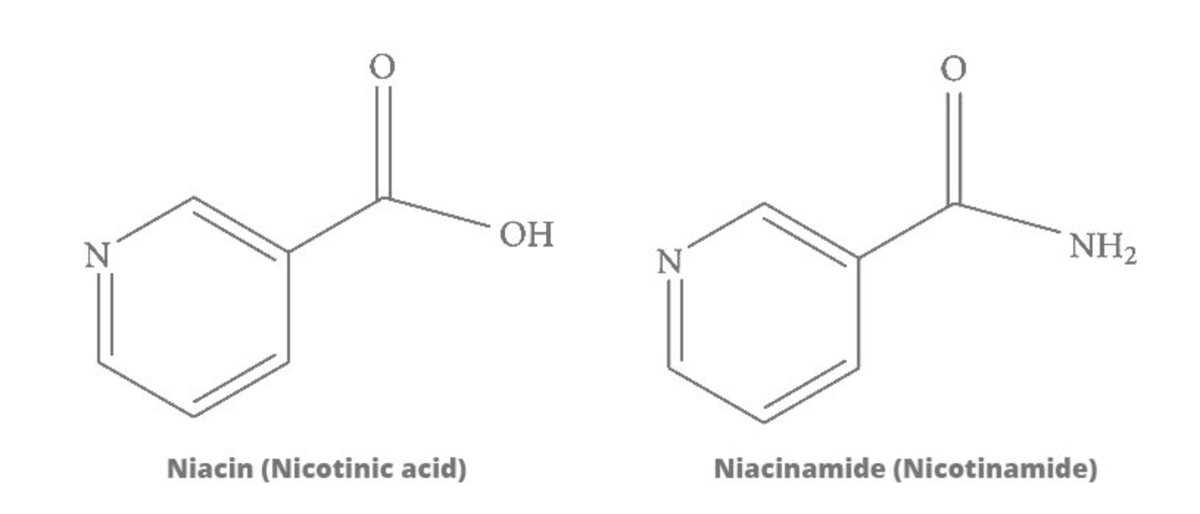
Niacin (also known as nicotinic acid) is a form of vitamin B3. It is usually obtained through the diet, with the highest contents found in fortified packaged foods, meat, poultry, and redfish such as tuna and salmon.
Nicotinamide (also called niacinamide) is a “nicotinic acid amide” and is also a form of vitamin B3, derived from niacin.
Though structurally similar, nicotinamide and niacin vary with regards to the effect they have on the body when supplemented.
Though structurally similar, nicotinamide and niacin vary with regards to the effect they have on the body when supplemented.
Niacin has been shown to decrease LDL (colloquially termed “bad cholesterol”), increase HDL (“good cholesterol”), and reduce triglycerides.
ncbi.nlm.nih.gov
ncbi.nlm.nih.gov
Niacin also has the added side effect of causing a "flush," where those who supplement experience redness of the skin, which may be accompanied by an itching or burning sensation.
Though harmless, it can be uncomfortable and is thought to be due to its vasodilatory capabilities, which increase the flow of blood to the skin’s surface.
ncbi.nlm.nih.gov
ncbi.nlm.nih.gov
Nicotinamide, on the other hand, does not cause a flush and does not have cholesterol-lowering properties.
Nicotinamide has been shown to improve acne when applied to the skin and have potential anti-skin cancer effects when supplemented.
onlinelibrary.wiley.com
Nicotinamide has been shown to improve acne when applied to the skin and have potential anti-skin cancer effects when supplemented.
onlinelibrary.wiley.com
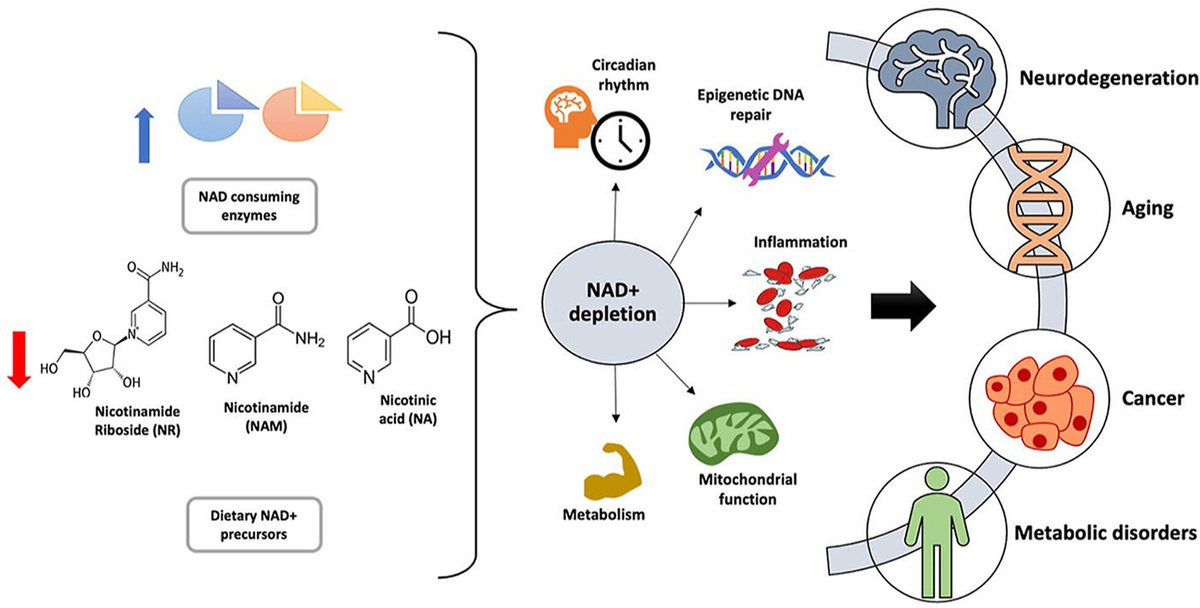
NAD+ (nicotinamide adenine dinucleotide) is a crucial coenzyme found in every cell in our body. It is involved in hundreds of metabolic processes, like cellular energy and mitochondrial health. NAD+ is also needed for sirtuins to work.
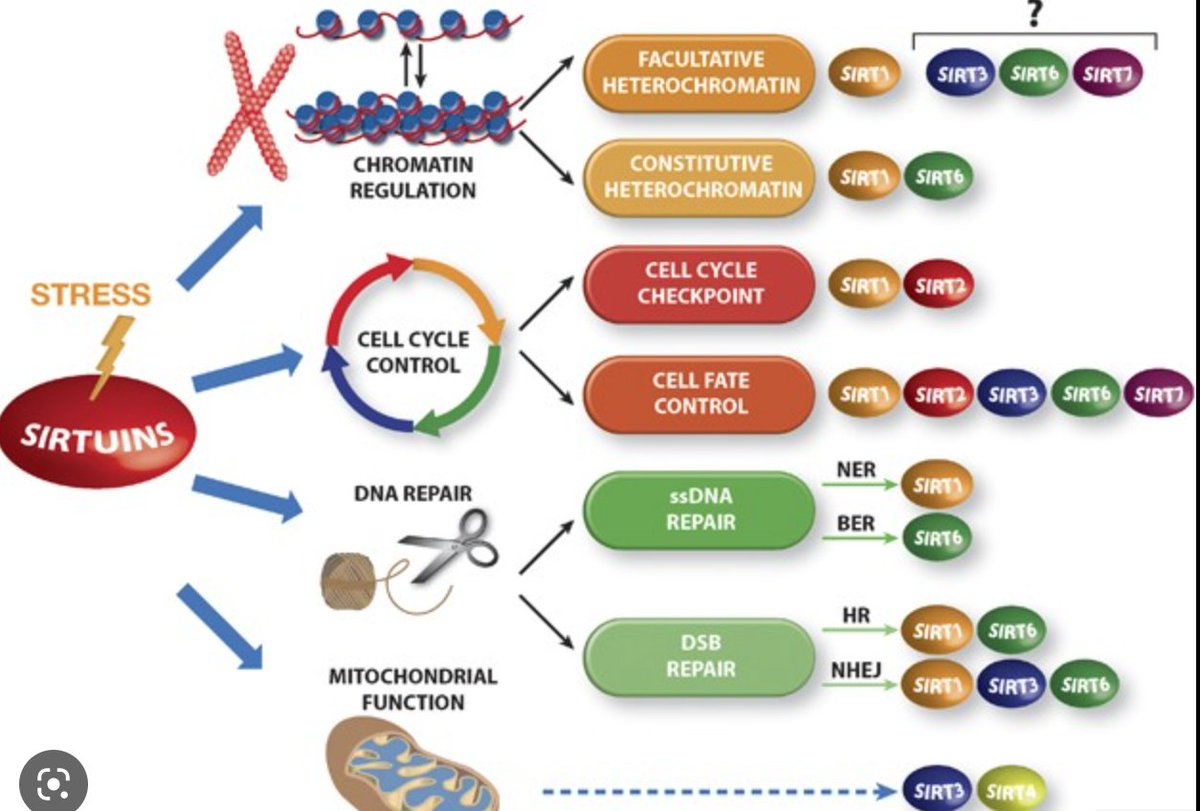
Sirtuins are a family of proteins that regulate cellular health, promote DNA repair, and promote longevity.
NAD+ levels decline with age, and this decline is believed to be a tremendous risk for diseases and/or disabilities, like hearing and vision loss, cognitive dysfunction, autoimmunity, and dysregulation of the immune response.
ncbi.nlm.nih.gov
ncbi.nlm.nih.gov
The aim is then to maintain adequate NAD+ levels, which in turn increase sirtuin activity and stabilise telomeres. This reduces DNA damage and improves telomere-dependent diseases.
And thus, to put it simply, an inadequate level of NAD+ is associated with ageing, so maintaining an adequate amount of it is vital.
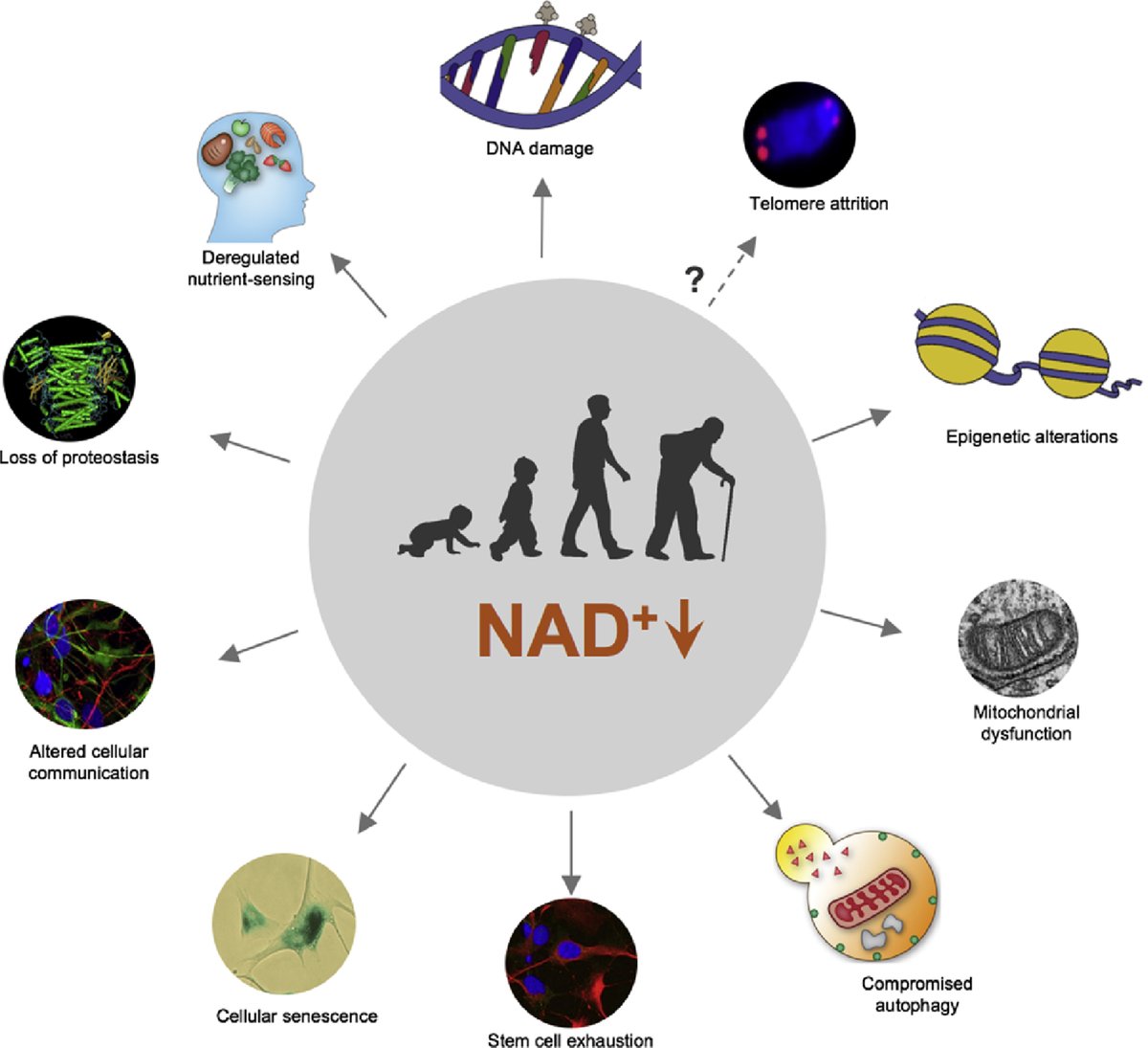
Both niacin and nicotinamide help form NAD+, and supplementing with either or both has been shown to increase NAD+ supplies.
ncbi.nlm.nih.gov
ncbi.nlm.nih.gov
Administration of NAD+ is associated with an increase in sirtuin activity, stabilising telomeres, and beneficially impacting immune cell functions. And so niacin and nicotinamide may have anti-ageing or age-slowing effects.
ncbi.nlm.nih.gov
ncbi.nlm.nih.gov
We all know that COVID-19 disproportionately affects the elderly (the average age of death due to COVID-19 is 80.4 years).
ons.gov.uk
ons.gov.uk
Ageing not only affects the efficiency of organs but also impairs immune function too. Our ability to protect ourselves against infectious diseases declines with age.
ncbi.nlm.nih.gov
ncbi.nlm.nih.gov
Those with short leukocyte (white blood cell) telomere lengths were associated with a high risk of pneumonia and a significant risk of death related to infections.
pubmed.ncbi.nlm.nih.gov
pubmed.ncbi.nlm.nih.gov
Shorter leukocyte telomere length is associated with increasing age, obesity, male gender, diabetes, alcoholism, atherosclerosis, and cardiovascular disease, and these are all linked with a higher risk of both suffering from symptomatic C-19 and subsequently dying from it too.
#bib0190" target="_blank" rel="noopener" onclick="event.stopPropagation()">ncbi.nlm.nih.gov
NAD+ is also released during the early stages of inflammation, has immunomodulatory properties, and is known to decrease pro-inflammatory cytokines such as IL-6.
ncbi.nlm.nih.gov
ncbi.nlm.nih.gov
This may be useful, as recent evidence indicates that targeting IL-6 could help control the inflammatory storm in patients with COVID-19.
frontiersin.org
frontiersin.org
Niacin has also been shown to have anti-inflammatory properties in animal studies with sepsis, and nicotinamide has been shown to reduce viral replication.
pubmed.ncbi.nlm.nih.gov
pubmed.ncbi.nlm.nih.gov
Niacin has shown to reduce lung tissue damage in animal models with chemo-induced lung injury. And as researchers from a paper in Nature note, “It might be a wise approach to supply this food supplement to the COVID-19 patients.
#ref-CR7" target="_blank" rel="noopener" onclick="event.stopPropagation()">nature.com
#ref-CR7" target="_blank" rel="noopener" onclick="event.stopPropagation()">nature.com
Before you scroll further, if you're interested in learning more about niacin, over fifty other supplements, medicinal mushrooms and more, you can find it all in one place, the book!
Click on the link to find out more 👇🏾
callingouttheshots.xyz
Click on the link to find out more 👇🏾
callingouttheshots.xyz
Other beneficial properties of niacin include its ability to help with DNA stabilisation, as a potential AIDS preventative factor, improving mitochondrial function, as a neuroprotective agent, preventing prion-related neuronal death, and even treating schizophrenia.
DNA stabilisation.
hindawi.com
hindawi.com
Potential AIDS preventative factor.
pubmed.ncbi.nlm.nih.gov
pubmed.ncbi.nlm.nih.gov
Improving mitochondrial function.
pubmed.ncbi.nlm.nih.gov
pubmed.ncbi.nlm.nih.gov


Preventing prion-related neuronal death.
ncbi.nlm.nih.gov
ncbi.nlm.nih.gov

Interestingly, it has been noted that those with schizophrenia are less likely to experience a skin flush from niacin than those who do not have the condition.
ncbi.nlm.nih.gov
ncbi.nlm.nih.gov

A vitamin B3 deficiency, called pellagra, can cause many symptoms similar to what those with COVID-19 and long COVID suffer with, including diarrhoea, skin inflammation, loss of smell and taste, and mental confusion.
SARS-CoV-2 is also known to induce NAD+ depletion. Other journals have highlighted the possible link between long COVID and NAD+ depletion.
academic.oup.com
academic.oup.com

Though niacin supplementation seemingly may fix these issues, one 2022 review on this topic noted that may not be the case and may in fact worsen an acute infection.
pubmed.ncbi.nlm.nih.gov
pubmed.ncbi.nlm.nih.gov

It goes on further to note, “The robustness of the host's NAD+ salvage pathway, prior to the SARS-CoV-2 infection, is an important determinant of COVID-19 severity and persistence of certain symptoms upon resolution of infection.”
In other words, our body’s natural ability to produce NAD+ before we BEFORE infected may likely be more important in determining infection outcomes than acute administration of niacin and other NAD+ precursors whilst unwell.
One way to do this is via regular exercise and possible top-ups with niacin. More studies are needed.
ncbi.nlm.nih.gov
ncbi.nlm.nih.gov

Most of the benefits from niacin supplementation have been reported to occur after doses of at least one gram. This is approximately 5,000% of the recommended daily intake.
examine.com
examine.com
Using niacin alongside selective serotonin reuptake inhibitors and/or non-steroidal anti-inflammatory drugs can increase one’s risk of bleeding events.
ncbi.nlm.nih.gov
ncbi.nlm.nih.gov

The use of niacin alongside statin use can increase the risk of rhabdomyolysis (a pathological muscle breakdown that can be fatal or result in permanent disability).
ncbi.nlm.nih.gov
ncbi.nlm.nih.gov
Long-term use MAY increase one’s risk of developing diabetes, especially if one’s risk of diabetes is elevated before use (e.g., raised BMI).
ncbi.nlm.nih.gov
ncbi.nlm.nih.gov

Loading suggestions...