
Health
Psychology
Wellness
Mental Health
Self-help
Emotional well-being
Stress Management
Trauma Recovery

Many of us are are going into fight or flight consistently throughout the day. This causes issues at work or in relationships. We can actually train ourselves to respond to stress in new ways.
3 Ways To Expand Your Stress Tolerance:
3 Ways To Expand Your Stress Tolerance:
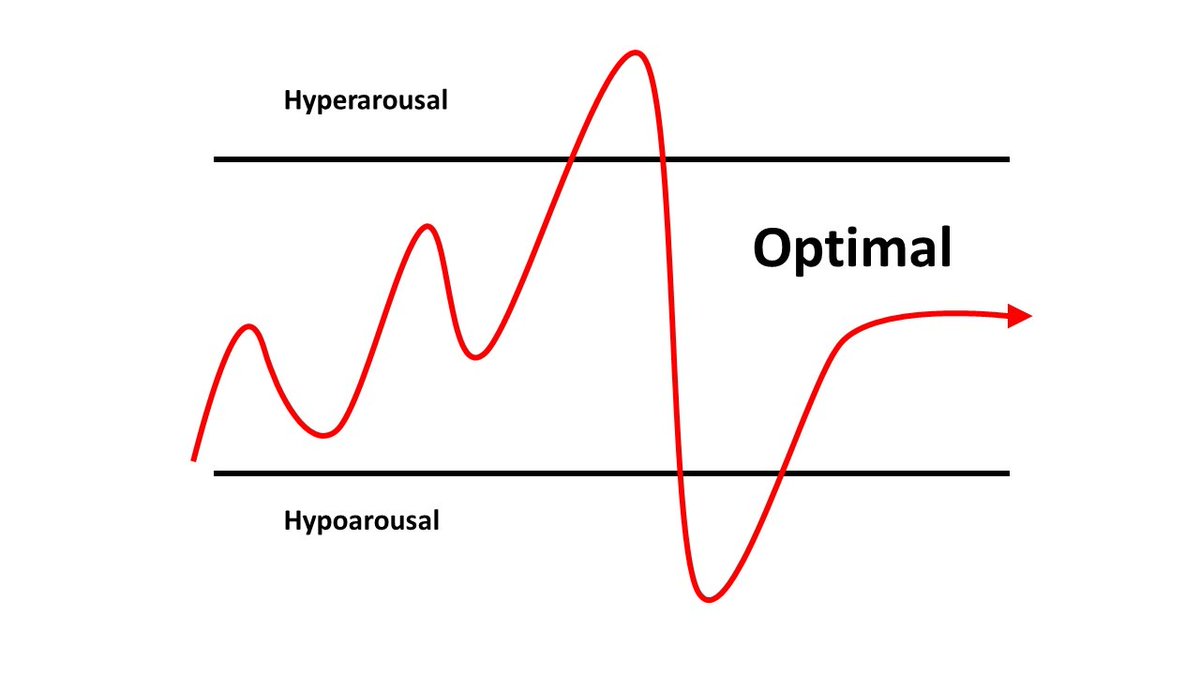
When we experience a stressful situation, adrenaline is released and our autonomic (survival) responses kick in.
People with complex trauma often are easily emotionally aroused and emotionally flooded because their stress tolerance is very narrow. When our stress tolerance is narrow, we go into fight or flight on a regular basis.
A text message from our boss, someone cutting us off in traffic, consuming content online can all trigger this response.
In fight or flight:
- our breathing is shallow and quick
- our palms sweat
- our heart races
- we have tunnel vision (only focus on threat)
- we don't have access to logical thought
- we might have an urge to cry or scream
- our breathing is shallow and quick
- our palms sweat
- our heart races
- we have tunnel vision (only focus on threat)
- we don't have access to logical thought
- we might have an urge to cry or scream
Each of us, has a window of tolerance or an internal ability to tolerate stress. Our window of tolerance is unique to us and based on our ability to self regulate.
We learn how to self regulate (ideally) in our developmental years through co-regulation. Co-regulation comes from a calm, attuned adult whose nervous system calms down our nervous system.
If you struggle with self regulation, there are intentional ways you can train your mind and body to tolerate stress in new ways.
It's not easy, and it does take commitment, but if you dedicate yourself to these practices, you'll teach yourself to relax (or at least stay grounded) in stress rather than becoming reactive (and doing things you later regret.)
We do this by putting ourselves into intentionally stressful (but safe) situations, where we feel that hit of adrenaline, and stay grounded and still in the experience.
3 Ways To Widen Your Window Of Stress Tolerance:
1. Cold exposure: put yourself in a cold shower for 30 seconds. You'll feel the adrenaline surge, just breathe and relax into the stress.
1. Cold exposure: put yourself in a cold shower for 30 seconds. You'll feel the adrenaline surge, just breathe and relax into the stress.
2. Meditation: meditation is stressful to most people because we have to witness our thoughts, rather than distracting ourselves from our thoughts. Meditate for 3-5 minutes. Sit with all the discomfort and resistance.
3. Witness your triggers: rather than going into autopilot, get curious. Observe yourself. Notice the sensations in your body, what you say, and what you think. This will teach your body that the response is fleeting and you can tolerate it.
These practices aren't easy, but they'll give you more confidence and a feeling of control over your internal emotional state.
If you found this helpful follow:
@Theholisticpsyc
I write threads every day on how to heal yourself.
Join the waitlist for SelfHealers Circle
theholisticpsychologist.com
My workbook:
howtomeetyourself.com
@Theholisticpsyc
I write threads every day on how to heal yourself.
Join the waitlist for SelfHealers Circle
theholisticpsychologist.com
My workbook:
howtomeetyourself.com

howtomeetyourself.com
The Workbook For Self Discovery - How To Meet Yourself
FROM THE AUTHOR OF ‘HOW TO DO THE WORK’ COMES ‘HOW TO MEET YOUR SELF’ COMING SOON: ORDER FROM A BLAC...

theholisticpsychologist.com/waitlist/
SelfHealers Circle – Waitlist
Do you feel like you don’t know where to begin? Do you feel like you have all the knowledge yet you’...
Loading suggestions...