

In 1985, Texas was spending over $20 million A YEAR to clean up their state highways.
After years of failed efforts to fix the problem, the state government decided to enlist the help of a local ad agency.
Here's how "Don't Mess with Texas" solved the Texas trash crisis 🧵
After years of failed efforts to fix the problem, the state government decided to enlist the help of a local ad agency.
Here's how "Don't Mess with Texas" solved the Texas trash crisis 🧵
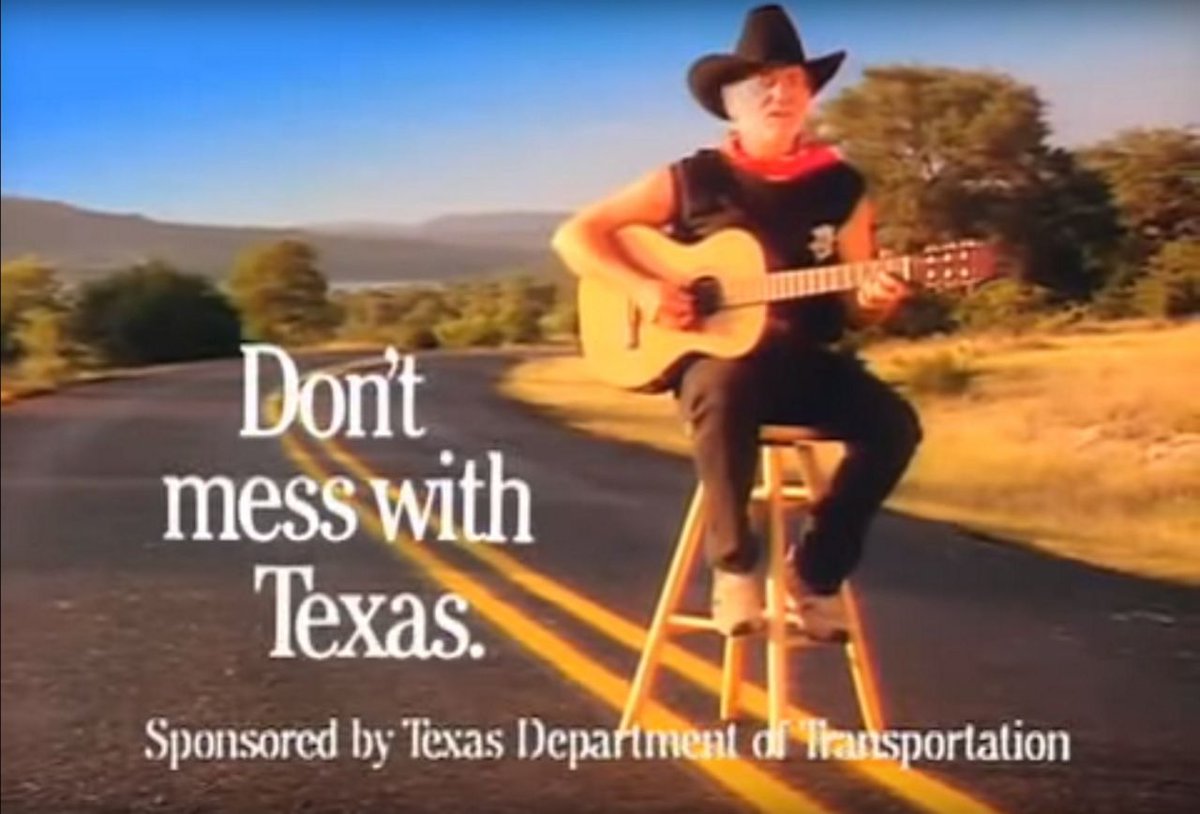
In the 1980s, America had a serious trash problem.
Many states across the country were experiencing unprecedented growth, while their largest cities were battling overflowing landfills and an outdated waste management system.
This was the decade of the Islip, N.Y. garbage barge
Many states across the country were experiencing unprecedented growth, while their largest cities were battling overflowing landfills and an outdated waste management system.
This was the decade of the Islip, N.Y. garbage barge

Texas was no exception.
Streets, gutters, and alleys were all lined with trash. And, nowhere was the problem worse than on the 3,000+ miles of highways.
Truckers, commuters, and travelers would frequently throw trash out their car windows onto desolate highway roads.
Streets, gutters, and alleys were all lined with trash. And, nowhere was the problem worse than on the 3,000+ miles of highways.
Truckers, commuters, and travelers would frequently throw trash out their car windows onto desolate highway roads.
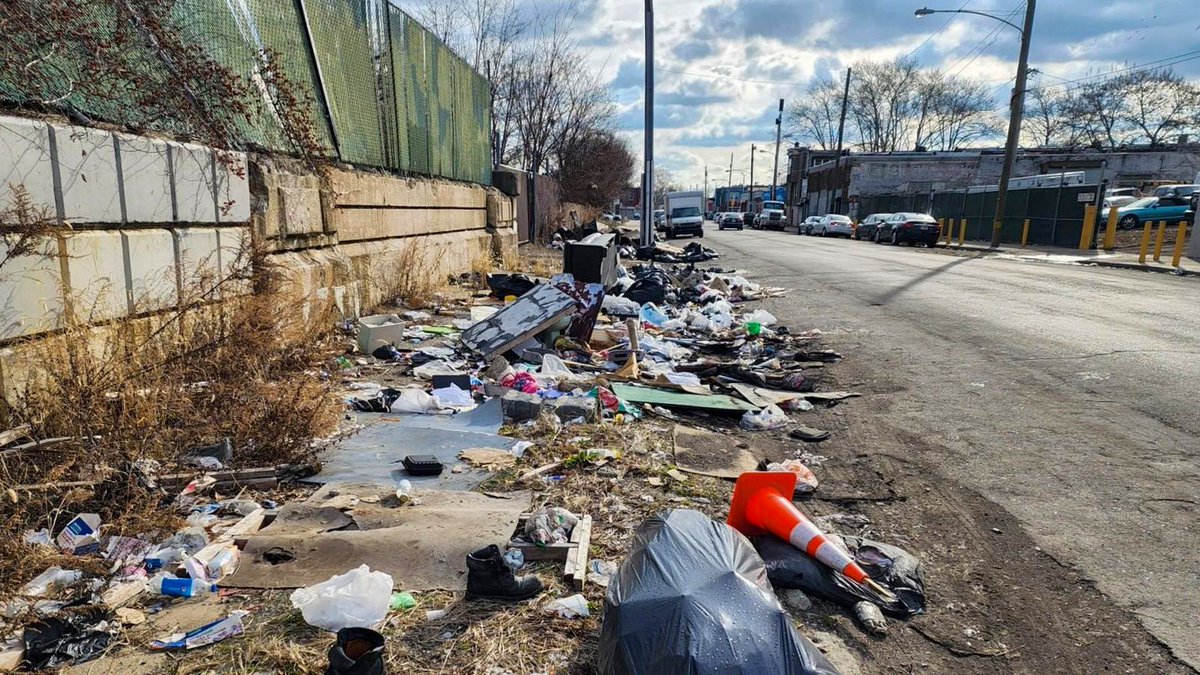
Not only was the trash an ugly environmental disaster, it was costing the state a small fortune to clean.
Texas was spending tens of millions per year, and the cost was growing by 17% each year.
Something drastic had to be done.
Texas was spending tens of millions per year, and the cost was growing by 17% each year.
Something drastic had to be done.
So, the state government recruited ad experts Mike Blair and Tim McClure of GSD&M.
This was the small ad agency that, years later, would be responsible Southwest Airlines's "Bags Fly Free" campaign.
This time, however, they needed to convince Texans to stop littering.
This was the small ad agency that, years later, would be responsible Southwest Airlines's "Bags Fly Free" campaign.
This time, however, they needed to convince Texans to stop littering.
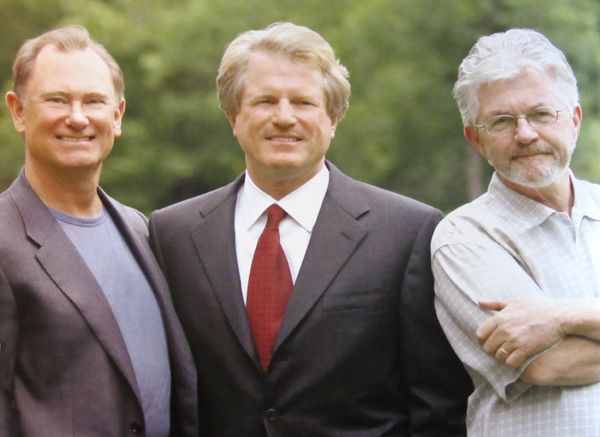
The problem was that many Americans saw littering as "a God-given right."
In past years, there were plenty of other states that had attempted to scold citizens into changing their behavior.
That didn't work in New York City and it certainly wouldn't work in Texas.
In past years, there were plenty of other states that had attempted to scold citizens into changing their behavior.
That didn't work in New York City and it certainly wouldn't work in Texas.

Just two weeks before the project deadline, Blair and McClure were ready to give up.
That was, until, McClure's had a breakthrough during his morning walk.
While circling his neighborhood, he took a look at the trash and thought to himself, "this is a mess".
That was it!
That was, until, McClure's had a breakthrough during his morning walk.
While circling his neighborhood, he took a look at the trash and thought to himself, "this is a mess".
That was it!
McClure discovered what he was looking for: "Don't Mess with Texas".
- It fit the Texas vernacular. Nobody said "litter," but everybody said "mess."
- It spoke to the men aged 16-24 (the majority of litterers).
- It elicited a sense of Texan pride.
- It was super catchy.
- It fit the Texas vernacular. Nobody said "litter," but everybody said "mess."
- It spoke to the men aged 16-24 (the majority of litterers).
- It elicited a sense of Texan pride.
- It was super catchy.

But, McClure initially had a difficult time selling the older and more conservative Texan authorities on the slogan.
They wanted something like "Keep Texas Beautiful" or "Please Don't Mess with Texas."
Neither of which would've been effective with younger men.
They wanted something like "Keep Texas Beautiful" or "Please Don't Mess with Texas."
Neither of which would've been effective with younger men.
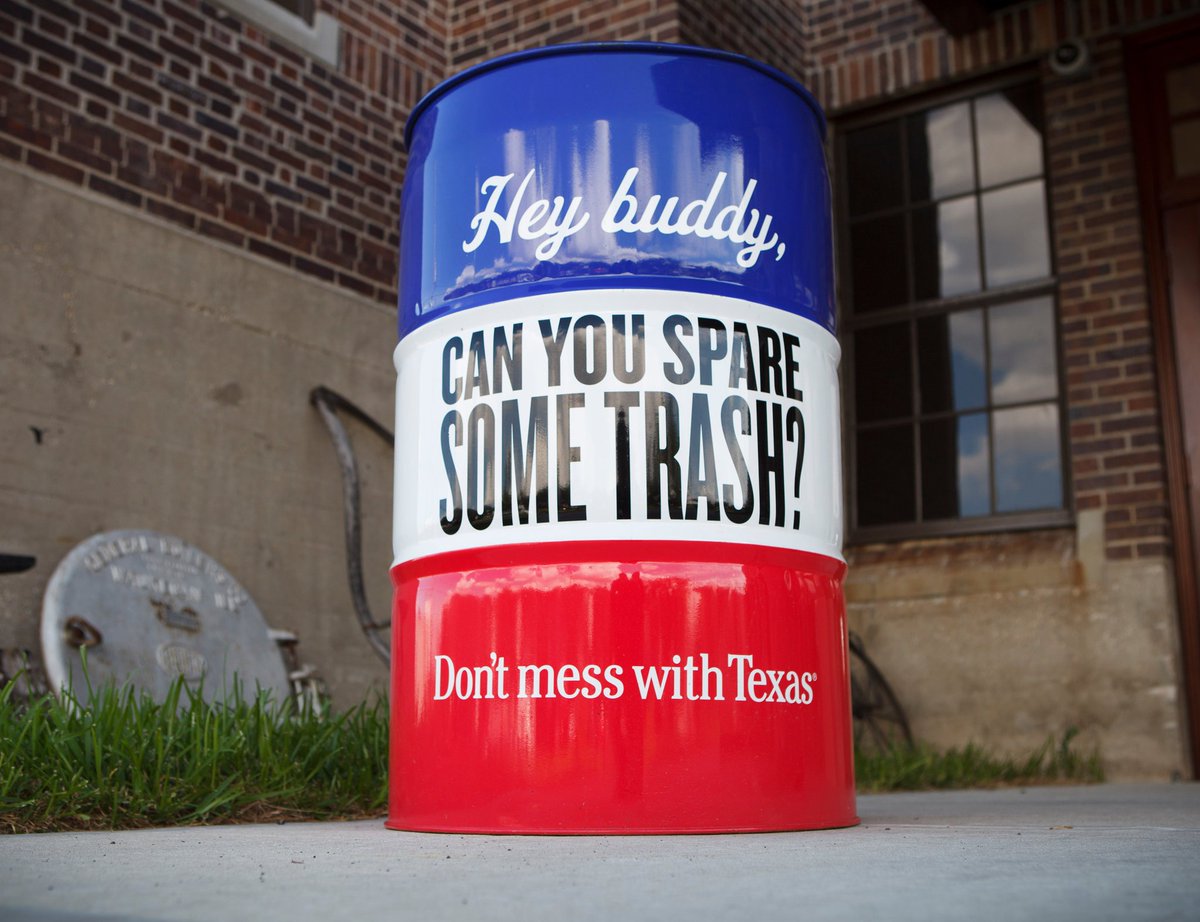
Blair and McClure were persistent enough to eventually convince state officials to agree.
Within a month of the approval, McClure's team began dropping sloganed-up bumper stickers in truck stops and fast food spots.
Any place that might be frequented by the target demographic.
Within a month of the approval, McClure's team began dropping sloganed-up bumper stickers in truck stops and fast food spots.
Any place that might be frequented by the target demographic.
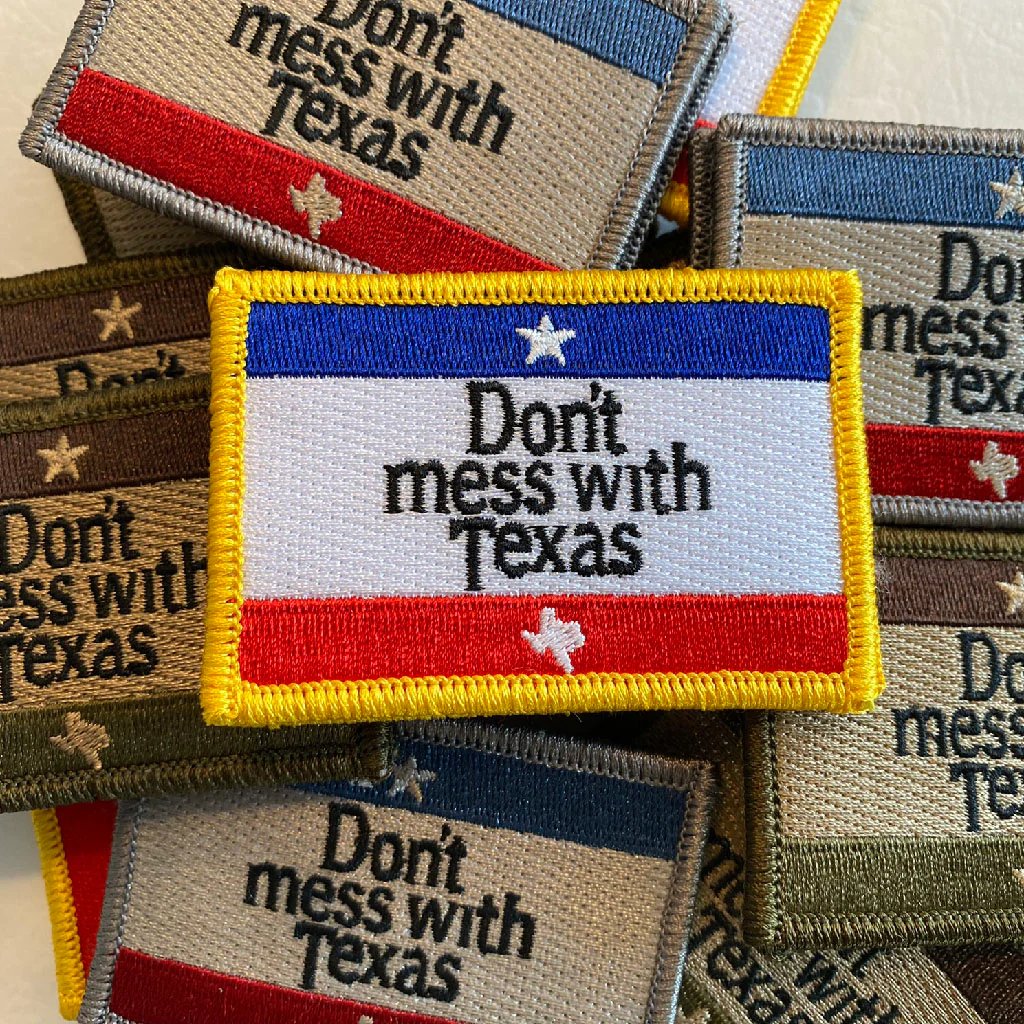
At first, they didn't run any TV or radio advertising. It was just the stickers.
McClure wanted the message to gradually seep into Texas's public consciousness.
The goal was to instill a sense of pride in the state of Texas, not a feeling of shame for littering.
McClure wanted the message to gradually seep into Texas's public consciousness.
The goal was to instill a sense of pride in the state of Texas, not a feeling of shame for littering.
The campaign's breakthrough came on New Year's Day, 1986.
During the 50th annual Cotton Bowl held in Dallas, the first "Don't Mess with Texas" ad was run starring Texas Blues musician Stevie Ray Vaughn.
It was an absolute hit.
During the 50th annual Cotton Bowl held in Dallas, the first "Don't Mess with Texas" ad was run starring Texas Blues musician Stevie Ray Vaughn.
It was an absolute hit.

The campaign was so effective that four more ads featuring singers and athletes were aired that year.
And these ads immediately paid off, with roadside trash dropping by:
- 29% in 1988
- 54% in 1989
- 72% in 1990
And these ads immediately paid off, with roadside trash dropping by:
- 29% in 1988
- 54% in 1989
- 72% in 1990
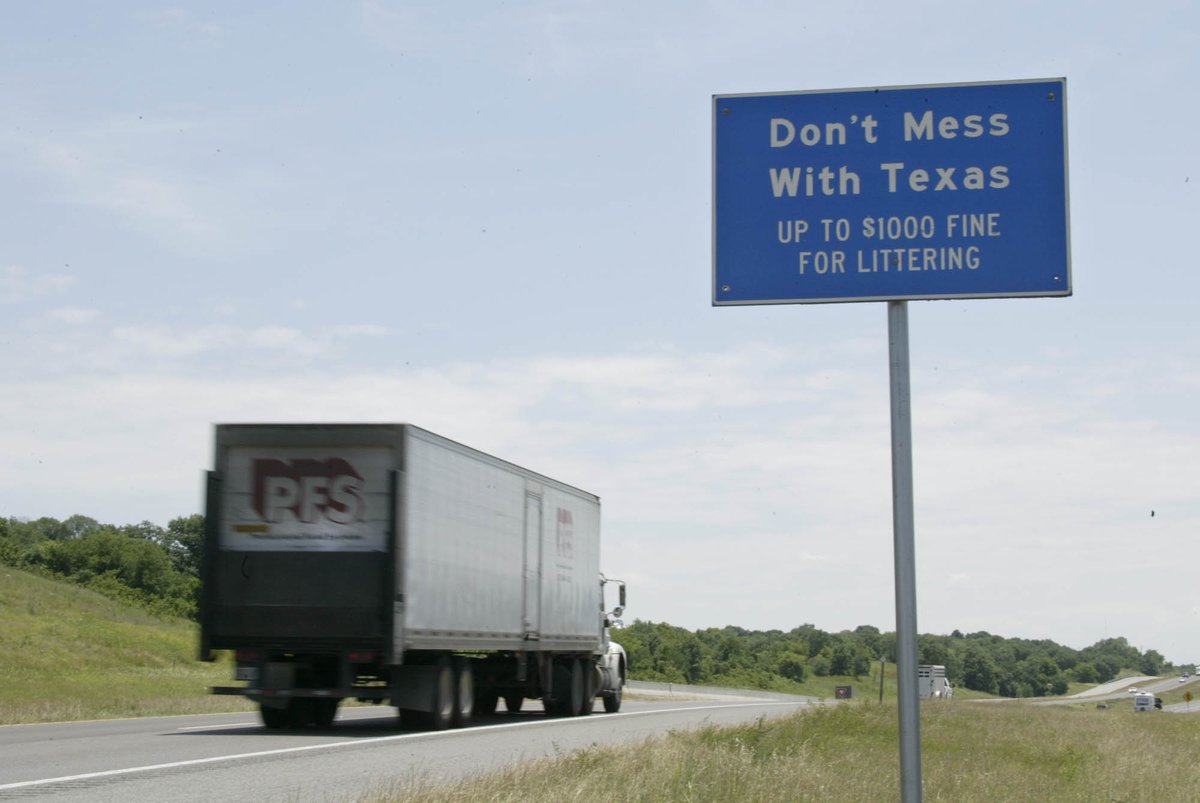
And the campaign continues today, with countless members of Texan royalty participating in ads.
But, even more impressively, "Don't Mess with Texas" has taken on a life of its own.
It's now a Texan battle cry, referenced from pop culture to political campaigns.
But, even more impressively, "Don't Mess with Texas" has taken on a life of its own.
It's now a Texan battle cry, referenced from pop culture to political campaigns.

So, why was the slogan so successful?
Simple: because it perfectly spoke to its audience.
"Don't Mess with Texas" inherently made sense to the young men responsible for the trash. It challenged them and gave them something to rally around.
That's a great marketing campaign.
Simple: because it perfectly spoke to its audience.
"Don't Mess with Texas" inherently made sense to the young men responsible for the trash. It challenged them and gave them something to rally around.
That's a great marketing campaign.
If you loved this thread, I write a weekly newsletter focused on all the amazing things happening in brand and marketing.
Subscribe below and join the community of 100K+ other Marketing Besties!
workweek.com
Subscribe below and join the community of 100K+ other Marketing Besties!
workweek.com

Loading suggestions...