

Are you interested in living longer, having more energy, improved libido, improved sleep quality, better skin and hair health?
Well, then it’s time to dive into bee products.
Thread🧵
Well, then it’s time to dive into bee products.
Thread🧵
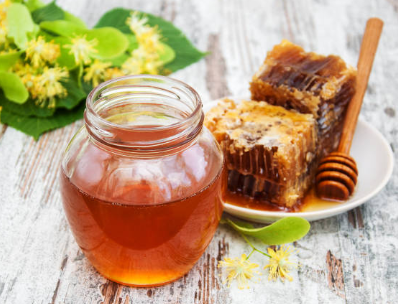
We’ve been aware of the almost countless benefits of bee products for thousands of years.
From the Egyptians and Romans all the way to the Babylonians, honey was consumed and utilized for a variety of issues.
But unfortunately, given that in this day and age a lot of focus is being put in synthetic substances since they have larger profit margins, these tools can be neglected.
From the Egyptians and Romans all the way to the Babylonians, honey was consumed and utilized for a variety of issues.
But unfortunately, given that in this day and age a lot of focus is being put in synthetic substances since they have larger profit margins, these tools can be neglected.

Yet, in order to understand just how powerful these tools can be, if someone patented a compound that has the benefits of royal jelly for example, he would print so much money that’s not even a joke and if a supplement brand came with the minerals, trace minerals and cofactors inside a quality bee pollen, he would have created the number 1 mineral supplement out there.
So bee products can be that powerful.
Before we dive into them i have to make two notes.
Number 1: Nothing in here should obviously be used as a substitute for medical advice.
Number 2: As with all foods, the quality of these products will greatly affect the effects that will have on your health.
So bee products can be that powerful.
Before we dive into them i have to make two notes.
Number 1: Nothing in here should obviously be used as a substitute for medical advice.
Number 2: As with all foods, the quality of these products will greatly affect the effects that will have on your health.
Let’s start with bee pollen.
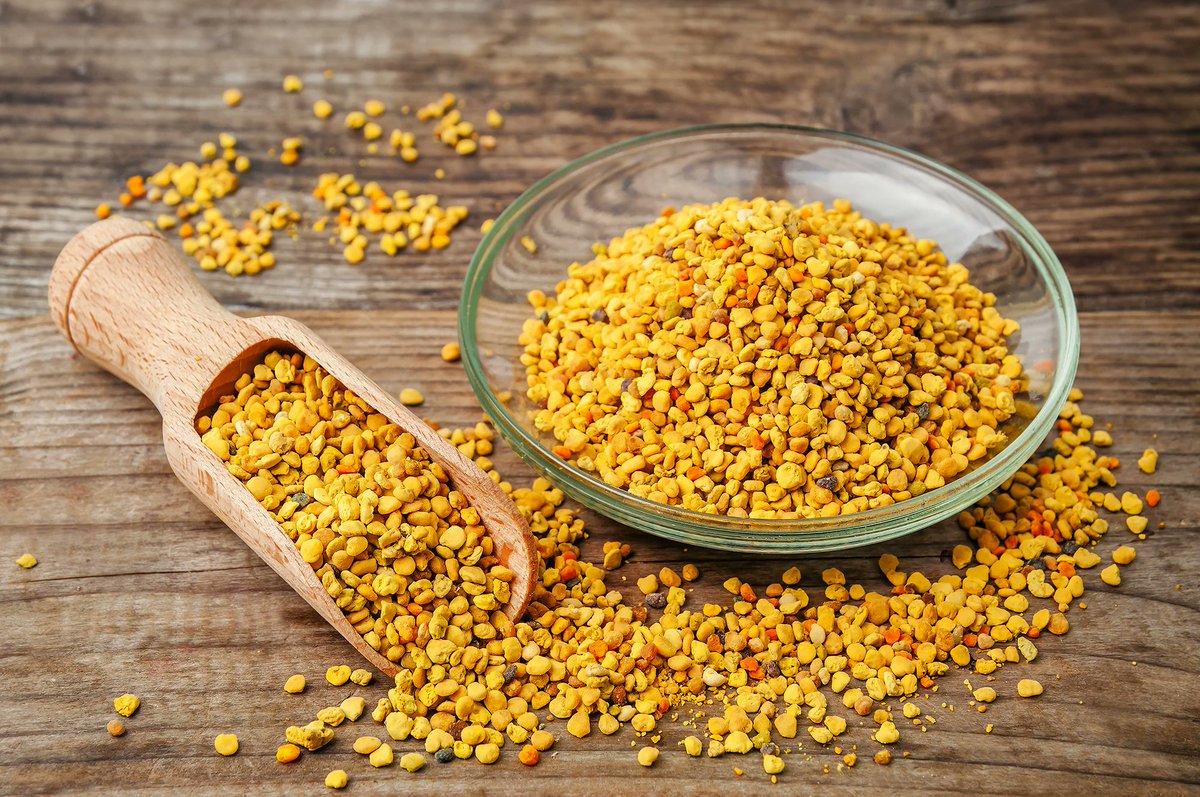
This mix of pollen grains, nectar and honeybee secretions of worker bees whose purpose is to be used as a food for the colony, is very high in polyphenols and thus has great antioxidant properties, contains flavonoids such as quercetin, minerals such as copper, magnesium, potassium, silica, zinc, manganese and selenium.
The mineral content is a bigger deal than we might realize.
The vast majority of people are mineral depleted yet just the minerals found in bee pollen are crucial for many processes inside our bodies such as:
-Oxidative phosphorylation.
-Proper nerve function.
-Red blood cell production.
-The regulation of heart rate and blood pressure.
-The development and maintenance of connective tissue.
-The production of SOD and ceruloplasmin.
-Bone health (when a person has enough enough boron and copper in his system (besides calcium and its regulators obviously) there is a significant increase in bone density).
-Hormone production.
-Immune system maintenance and activation.
-Brain development.
-Oxygen metabolism.
-Formation of collagen.
and more.
This mix of pollen grains, nectar and honeybee secretions of worker bees whose purpose is to be used as a food for the colony, is very high in polyphenols and thus has great antioxidant properties, contains flavonoids such as quercetin, minerals such as copper, magnesium, potassium, silica, zinc, manganese and selenium.
The mineral content is a bigger deal than we might realize.
The vast majority of people are mineral depleted yet just the minerals found in bee pollen are crucial for many processes inside our bodies such as:
-Oxidative phosphorylation.
-Proper nerve function.
-Red blood cell production.
-The regulation of heart rate and blood pressure.
-The development and maintenance of connective tissue.
-The production of SOD and ceruloplasmin.
-Bone health (when a person has enough enough boron and copper in his system (besides calcium and its regulators obviously) there is a significant increase in bone density).
-Hormone production.
-Immune system maintenance and activation.
-Brain development.
-Oxygen metabolism.
-Formation of collagen.
and more.
It also contains rutin and the less known for most people flavonoid kaempferol that are very neglected tools regarding heart health since they can reduce vascular inflammation (and thus reduce the risk of atherosclerosis).
Rutin in the small and natural according amounts that are presented in bee pollen, is also great for skin health since it increases skin elastistocty.
It was also shown (the studies are presented at the end of the thread) to lower IL 6, TNF and NF-kB among other inflammatory markers.
Not only that but it is shown to increase BDNF quite a lot so before you spend 10 grand on peptides, have some quality bee bollen (ginger and saffron are also great tools for BDNF).
And if you are struggling with seasonal allergies, bee pollen was shown to reduce serum levels of IgG1, IgE (FceRI related) and reduce the degranulation in mast cells.
Rutin in the small and natural according amounts that are presented in bee pollen, is also great for skin health since it increases skin elastistocty.
It was also shown (the studies are presented at the end of the thread) to lower IL 6, TNF and NF-kB among other inflammatory markers.
Not only that but it is shown to increase BDNF quite a lot so before you spend 10 grand on peptides, have some quality bee bollen (ginger and saffron are also great tools for BDNF).
And if you are struggling with seasonal allergies, bee pollen was shown to reduce serum levels of IgG1, IgE (FceRI related) and reduce the degranulation in mast cells.
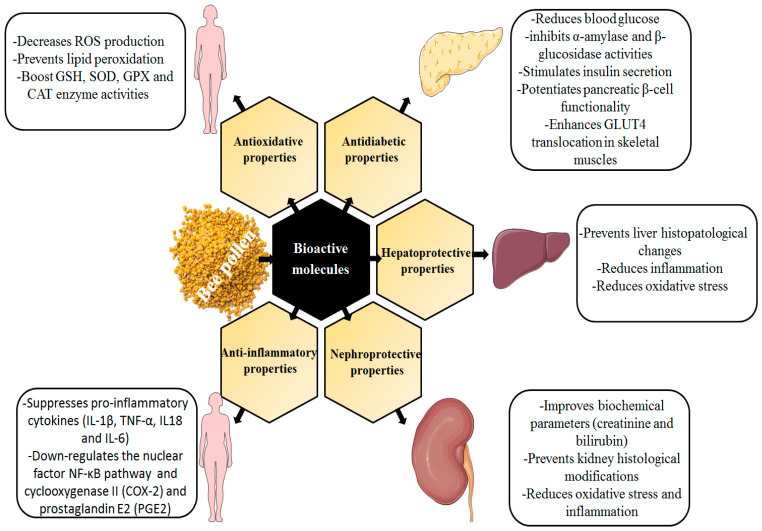
Even though things such as propolis and certain types of honey have great antimicrobial properties, bee pollen has also been shown to possess some.
The benefits don’t end up with these.
If you dive deep into bee pollen extracts, they are shown to posses a lot of liver-protective effects and increase tissue catalase SOD.
Its ferulic acid content (varries a lot depending on the origin) was also shown to decreases markers such as TNF-a and up-regulate things such as Bcl-2 signaling pathway. Improvements in things such as creatinine, urea, and uric acid were also noted but regarding this, given its high phosphorus content, compounds such as the flavonoids and minerals probably led to the improvements.
The benefits don’t end up with these.
If you dive deep into bee pollen extracts, they are shown to posses a lot of liver-protective effects and increase tissue catalase SOD.
Its ferulic acid content (varries a lot depending on the origin) was also shown to decreases markers such as TNF-a and up-regulate things such as Bcl-2 signaling pathway. Improvements in things such as creatinine, urea, and uric acid were also noted but regarding this, given its high phosphorus content, compounds such as the flavonoids and minerals probably led to the improvements.
Now here are two tips for getting the most out of consuming bee pollen.
Number 1: Bee pollen is high in phosphorus as we just said, so pairing it with thing such as raw milk or a quality dairy product is ideal.
Number 2: Given the fact that the pollen grains are very hard to digest by themselves, letting them sit on some honey for a few days will make it extremely easy to digest.
And if you are worried about the amino acid profile even in these small quantities, having some gelatine on the side will fix it.
Number 1: Bee pollen is high in phosphorus as we just said, so pairing it with thing such as raw milk or a quality dairy product is ideal.
Number 2: Given the fact that the pollen grains are very hard to digest by themselves, letting them sit on some honey for a few days will make it extremely easy to digest.
And if you are worried about the amino acid profile even in these small quantities, having some gelatine on the side will fix it.
Let’s talk about honey now.
Honey has been used for thousands of years as a tool for various issues such as:
-Burns
-Infections
-Eczema
-Throat infections
-Colds
-Ulcers
and a lot more.
Now there are a LOT of types of honey but not all of them have a the same nutritional value.
Buckwheat and manuka honey for example have some of the strongest antioxidant properties compared to things like clover for example while things such as locust honey have a higher fructose content.
Honey has been used for thousands of years as a tool for various issues such as:
-Burns
-Infections
-Eczema
-Throat infections
-Colds
-Ulcers
and a lot more.
Now there are a LOT of types of honey but not all of them have a the same nutritional value.
Buckwheat and manuka honey for example have some of the strongest antioxidant properties compared to things like clover for example while things such as locust honey have a higher fructose content.
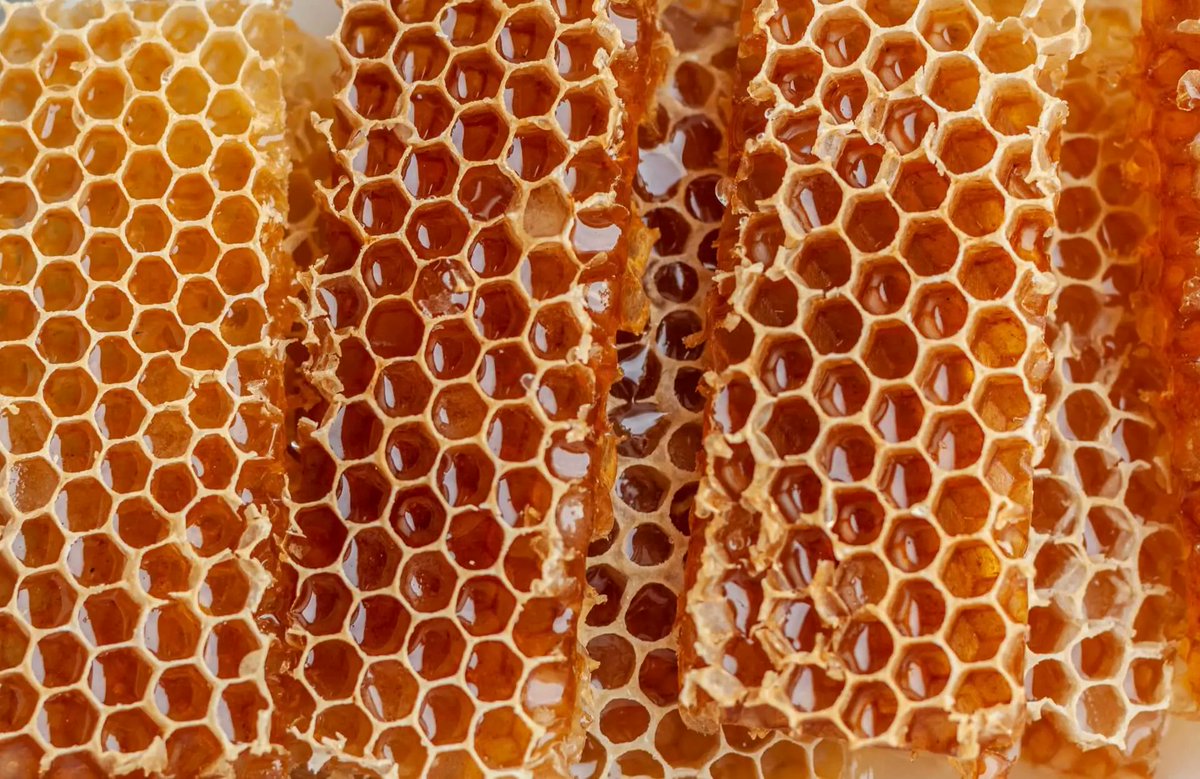
Things such as antibacterial agents also change quite a lot so to be honest and this might be something that a lot of people don’t want to apply, but i highly suggest if you are just getting started, to not get into fancy varieties but instead find a local beekeeper who likes his job and get some raw honey from him.
It will have a lot of enzymes, minerals and a decent content of phenolic and flavonoid compounds such as apigenin, quercetin, chrysin, kaempferol and gallic acid all of which can help apoptosis pathways.
We’ve known this for a while in things such as quercetin for example.
This is one of the most simple studies to go through.
ncbi.nlm.nih.gov
It will have a lot of enzymes, minerals and a decent content of phenolic and flavonoid compounds such as apigenin, quercetin, chrysin, kaempferol and gallic acid all of which can help apoptosis pathways.
We’ve known this for a while in things such as quercetin for example.
This is one of the most simple studies to go through.
ncbi.nlm.nih.gov
In the case of hyperlipidemic patients it also showed in helping the reduction of C-reactive proteina and homocysteine.
Its nutrient profile, antioxidant properties and the effects it seems to have on adiponectin, make it a far better choice to sugar as well.
Not to even mention that bees are far more important for the environment than sugar canes.
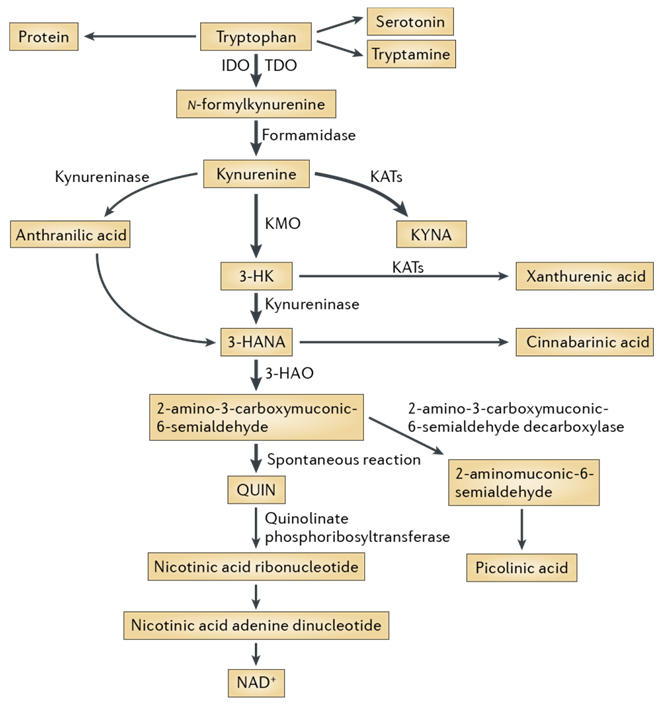
Raw honey is also a great tool regarding melatonin release, helping lowering the inflammation in the hippocampus and itwas also shown to counter quinolinic and kainic acid so it could be an additional tool to help the kynurenine pathway.
Regarding the topical use, all quality honeys can work, but in the case of infections acne and so on, manuka honey is the go to.
As a side note someone say could demonize carbs and avoid even highly quality raw honey, but are carbs to blame or should the person ask himself if:
-His diet is full of oxidised fats such as canola oil that harm the pancreas (among other things)
-Is doing any resistance training
-If he gets sunlight
-If he puts all carbs in the same bucket and confuses the impact of fruit for example with the one of lucky charms
-If his sleep, redox and circadian rhythm are on point
-If he has optimal gut health
-If he gets enough B vitamins, magnesium, CoQ10 and vitamin K
-If he has a balanced amino acid profile in his diet
Its nutrient profile, antioxidant properties and the effects it seems to have on adiponectin, make it a far better choice to sugar as well.
Not to even mention that bees are far more important for the environment than sugar canes.
Raw honey is also a great tool regarding melatonin release, helping lowering the inflammation in the hippocampus and itwas also shown to counter quinolinic and kainic acid so it could be an additional tool to help the kynurenine pathway.
Regarding the topical use, all quality honeys can work, but in the case of infections acne and so on, manuka honey is the go to.
As a side note someone say could demonize carbs and avoid even highly quality raw honey, but are carbs to blame or should the person ask himself if:
-His diet is full of oxidised fats such as canola oil that harm the pancreas (among other things)
-Is doing any resistance training
-If he gets sunlight
-If he puts all carbs in the same bucket and confuses the impact of fruit for example with the one of lucky charms
-If his sleep, redox and circadian rhythm are on point
-If he has optimal gut health
-If he gets enough B vitamins, magnesium, CoQ10 and vitamin K
-If he has a balanced amino acid profile in his diet
“Now hold on George, you told me that honey will help me with anti-ageing. How so?”
In a nutshell, at the end of a chromosome, there are these protective caps called telomeres and the consumption of bee products showed an increases of over 0.25kb in just a year.
Let’s talk about royal jelly now (tweet below).
In a nutshell, at the end of a chromosome, there are these protective caps called telomeres and the consumption of bee products showed an increases of over 0.25kb in just a year.
Let’s talk about royal jelly now (tweet below).
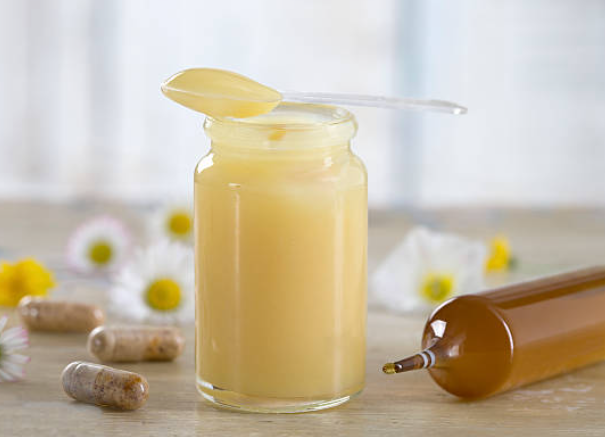
I personally use this to improve DHEA-S conversion but it has plenty of other benefits.
Its composition is also pretty fascinating since it has a lot of sugars such as maltose, galactose, erlose, ribose, sucrose, trehalose and melibiose, ketones, a lot of dipeptides and amino acids.
But let’s talk about its benefits.
First and foremost it’s used to improve fertility, testosterone production.
Then it has great anti-iflammatory properties and was shown to decrease IL-1b, IL-18 and TNF-kB.
It can help the immune system and arteries as well.
Then, if you find propolis to be too harsh on your stomach, royal jelly can be used instead regarding most things except fungi.
It can also help you manage your blood sugar levels very effectively (this one though takes time (months)).
Also, a lot of women have used royal jelly for PMS pretty successfully.
Another potential benefits (not enough studies) includes the management of Alzheimer’s.
Its composition is also pretty fascinating since it has a lot of sugars such as maltose, galactose, erlose, ribose, sucrose, trehalose and melibiose, ketones, a lot of dipeptides and amino acids.
But let’s talk about its benefits.
First and foremost it’s used to improve fertility, testosterone production.
Then it has great anti-iflammatory properties and was shown to decrease IL-1b, IL-18 and TNF-kB.
It can help the immune system and arteries as well.
Then, if you find propolis to be too harsh on your stomach, royal jelly can be used instead regarding most things except fungi.
It can also help you manage your blood sugar levels very effectively (this one though takes time (months)).
Also, a lot of women have used royal jelly for PMS pretty successfully.
Another potential benefits (not enough studies) includes the management of Alzheimer’s.
And now it's time for the propolis.
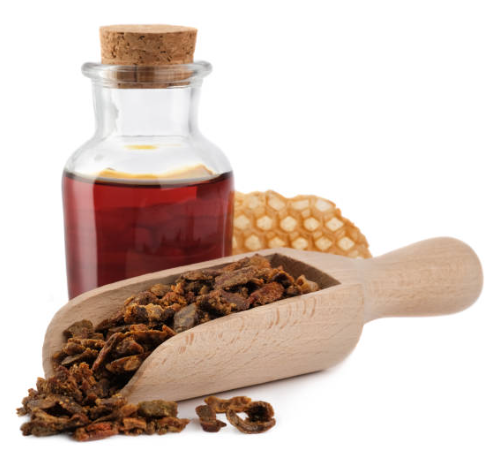
Propolis also has nutrients in it such as trace amounts of minerals and even B vitamins but the flavonoids and phenolic acids varry from one region to the other.
If you want one with a high flavonoid content (more than 150 flavonoids in some cases) your best bets will be Europe, Asia and North America.
The ones from tropical areas (Brazil for example) are higher in the rest.
What’s cool to note is that propolis can also inhibit IFN-g, IL-4, IL-10 and TNF-a.
It’s also shown some cool effects in lung, prostate and colon cancer.
But of course, propolis is known for its antimicrobial activity in things such as streptococci, e-coli, fungi like candida and also even herpes.
Propolis also has nutrients in it such as trace amounts of minerals and even B vitamins but the flavonoids and phenolic acids varry from one region to the other.
If you want one with a high flavonoid content (more than 150 flavonoids in some cases) your best bets will be Europe, Asia and North America.
The ones from tropical areas (Brazil for example) are higher in the rest.
What’s cool to note is that propolis can also inhibit IFN-g, IL-4, IL-10 and TNF-a.
It’s also shown some cool effects in lung, prostate and colon cancer.
But of course, propolis is known for its antimicrobial activity in things such as streptococci, e-coli, fungi like candida and also even herpes.
Study-wise regarding these you can check the following and their refrences:
sciencedirect.com
sciencedirect.com
sciencedirect.com
ncbi.nlm.nih.gov
mdpi.com
onlinelibrary.wiley.com
mdpi.com
sciencedirect.com
sciencedirect.com
sciencedirect.com
ncbi.nlm.nih.gov
mdpi.com
onlinelibrary.wiley.com
mdpi.com
mdpi.com/1422-0067/20/1…
Royal Jelly and Its Components Promote Healthy Aging and Longevity: From Animal Models to Humans
Aging is a natural phenomenon that occurs in all living organisms. In humans, aging is associated wi...
mdpi.com/1420-3049/26/1…
Honeybee Pollen Extracts Reduce Oxidative Stress and Steatosis in Hepatic Cells
Nonalcoholic fatty liver disease (NAFLD) is a major cause of morbidity and mortality worldwide. Addi...

sciencedirect.com/science/articl…
Composition and functionality of bee pollen: A review
The food industry today is returning to natural foods after emphasizing the processed products due t...
sciencedirect.com/science/articl…
Nutrient-rich bee pollen: A treasure trove of active natural metabolites
Bee pollen is a mixture of plant pollen pellet with nectar and honeybee secretions. Due to its activ...

sciencedirect.com/science/articl…
Pollen and bee bread as new health-oriented products: A review
An interest in substances of natural origin has been a subject that is increasing constantly-both th...
onlinelibrary.wiley.com/doi/abs/10.111…
Phenolic Extract from Propolis and Bee Pollen: Composition, Antioxidant and Antibacterial Activities
Bee products (e.g., propolis and bee pollen) are traditional healthy foods. In this study, antioxida...

ncbi.nlm.nih.gov/pmc/articles/P…
Beeswax by-Products Efficiently Counteract the Oxidative Damage Induced by an Oxidant Agent in Human Dermal Fibroblasts
The antioxidant capacity and the phytochemical composition of two by-products from beeswax recycling...
That's pretty much it.
Of course there are a lot of other products such as beeswax. But these 4 are a good start in my opinion.
If you liked this make sure to leave a like or RT.
Of course there are a lot of other products such as beeswax. But these 4 are a good start in my opinion.
If you liked this make sure to leave a like or RT.
And for more on the topic of nutrition you can go here:
fitandball.gumroad.com
fitandball.gumroad.com

Loading suggestions...