

Bill Clinton had 8 exercise stress tests when he was in office and 'passed' each of them with flying colours.
He then had a heart test that showed he need coronary artery bypass surgery.
Want to know what test he had?
🧵👇
/1
He then had a heart test that showed he need coronary artery bypass surgery.
Want to know what test he had?
🧵👇
/1

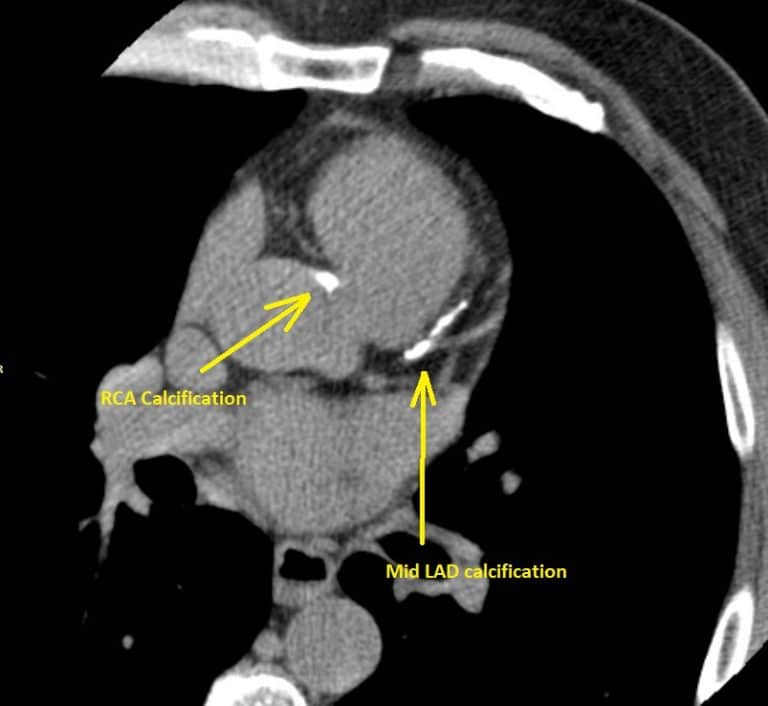
A cardiac CT is a scan of the heart and coronary arteries to assess for the presence and extent of advanced atherosclerosis.
Calcification of the coronary arteries is a marker of advanced atherosclerosis.
And is an excellent marker of cardiovascular risk.
/2
Calcification of the coronary arteries is a marker of advanced atherosclerosis.
And is an excellent marker of cardiovascular risk.
/2
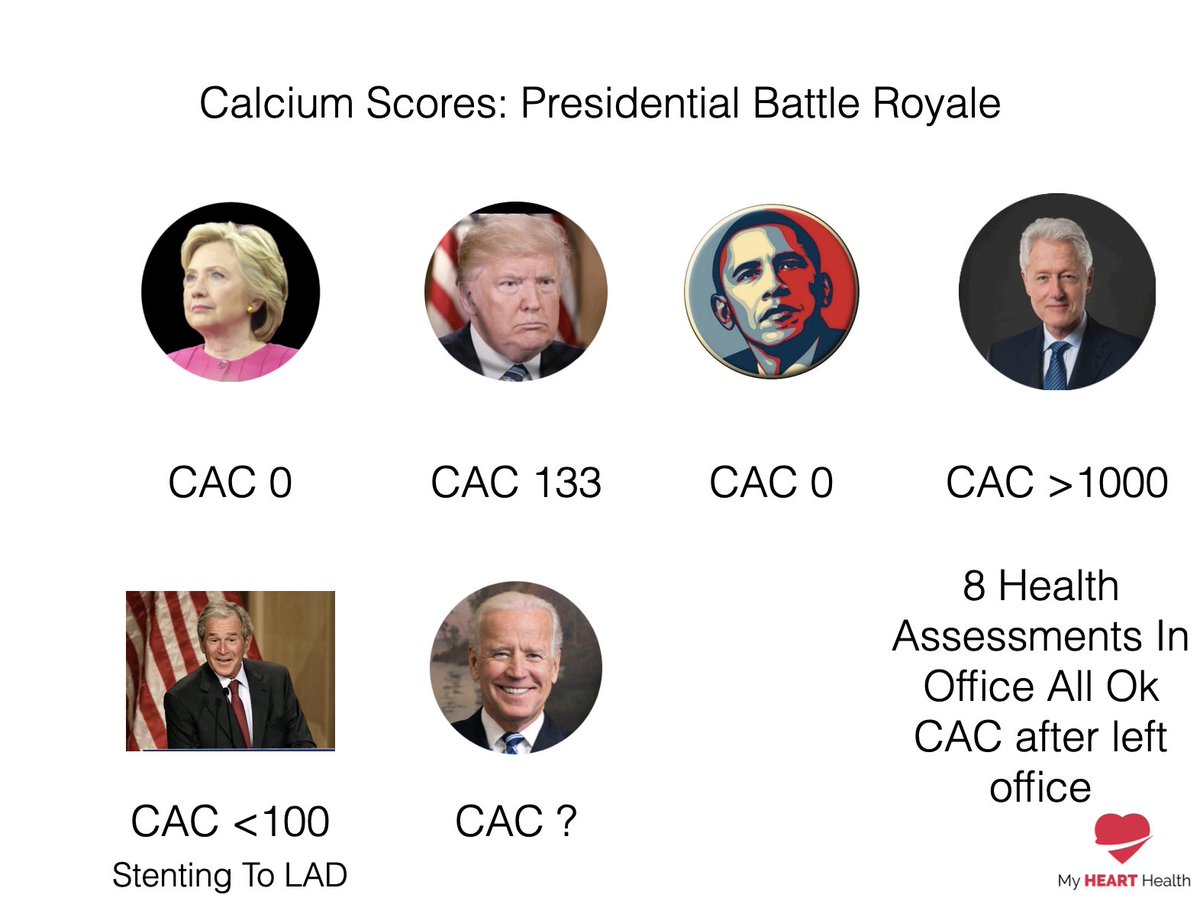
It is such a good predictor of risk that all US astronauts and US Presidents now undergo this test
After what transpired with Bill Clinton needing bypass surgery.
/3
After what transpired with Bill Clinton needing bypass surgery.
/3
There are two types of cardiac CT:
CT Coronary Artery Calcium scan. CT CAC Scan.
CT Coronary Angiogram. CTCA.
Understanding the difference between these two tests is crucial.
/4
CT Coronary Artery Calcium scan. CT CAC Scan.
CT Coronary Angiogram. CTCA.
Understanding the difference between these two tests is crucial.
/4
CT Coronary Artery Calcium (CAC) Scan
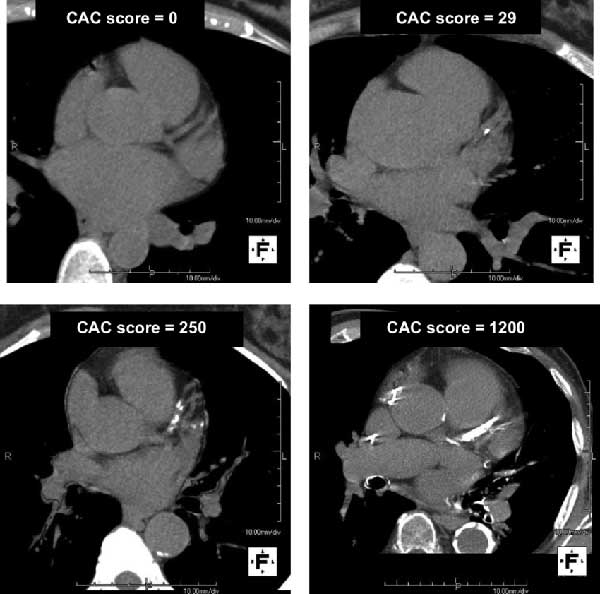
A CAC scan is a very low-dose radiation CT scan of the heart done without contrast.
Areas of calcification appear white
And the total amount of calcification is assessed.
The result is expressed as a Calcium Score in Agatston Units.
/5
A CAC scan is a very low-dose radiation CT scan of the heart done without contrast.
Areas of calcification appear white
And the total amount of calcification is assessed.
The result is expressed as a Calcium Score in Agatston Units.
/5
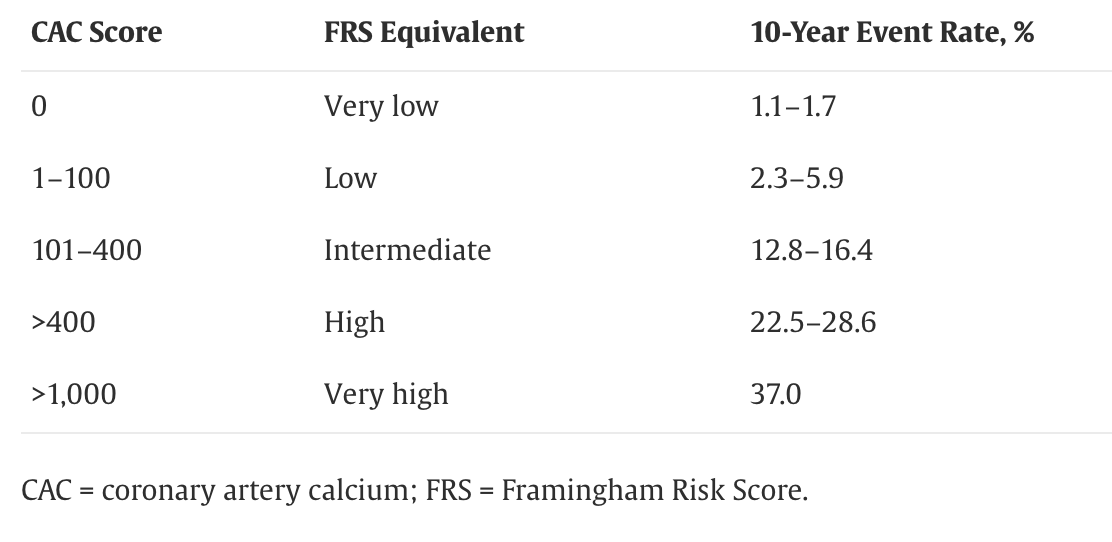
A score of 0 means there are no significant deposits of calcified atherosclerosis.
It DOES NOT mean there is no atherosclerosis.
However, with a CAC of 0 over 10 years:
- Heart attack risk is about 2-5%
- All-cause mortality risk is <2%
Therefore very low risk.
/6
It DOES NOT mean there is no atherosclerosis.
However, with a CAC of 0 over 10 years:
- Heart attack risk is about 2-5%
- All-cause mortality risk is <2%
Therefore very low risk.
/6
As the score rises, so does the risk of having a heart attack over the next ten years.
A CAC score of greater than 100 suggests a significantly increased risk of an event over the next ten years.
/7
A CAC score of greater than 100 suggests a significantly increased risk of an event over the next ten years.
/7
What About A Score Between 1-99?
This next point is critical to understand.
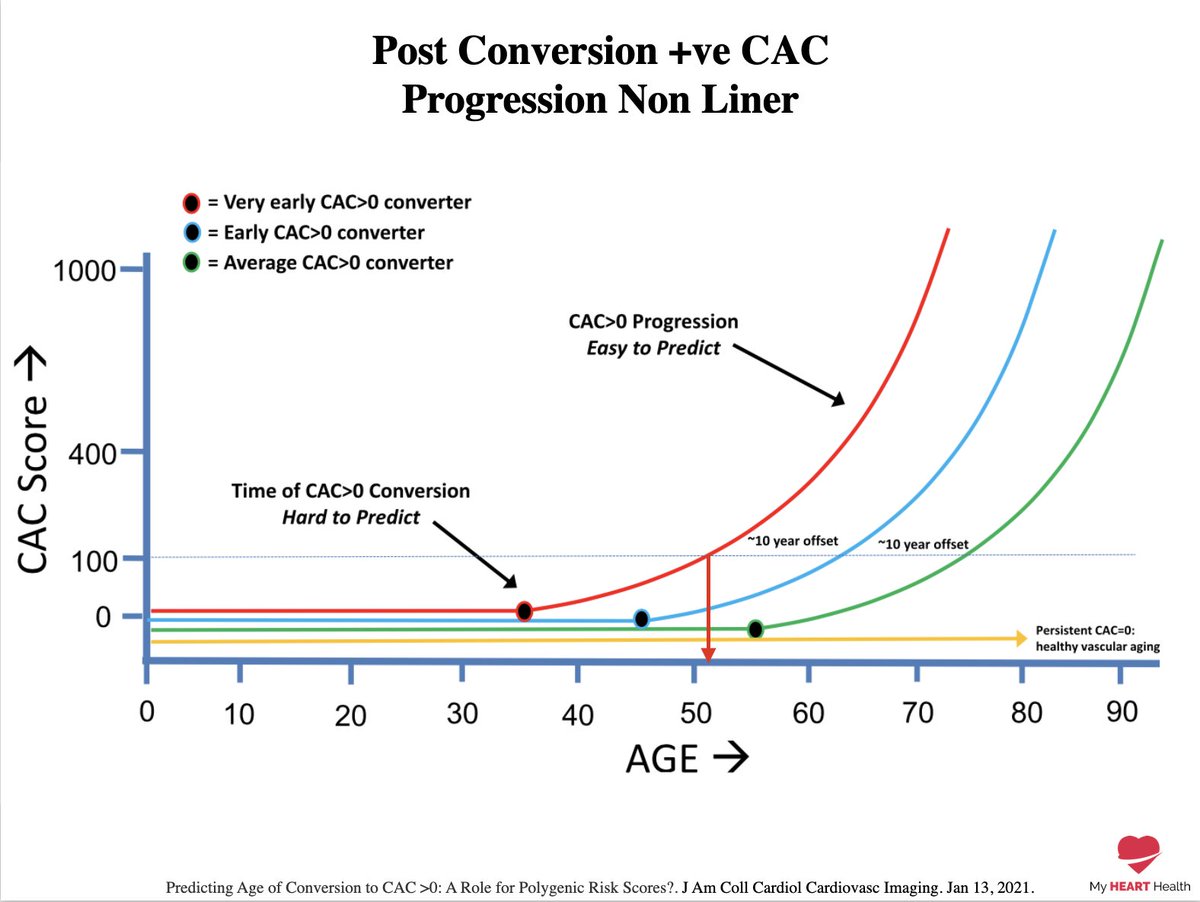
When you transition from a 0 score to a Non-Zero score is very important.
If you have a CAC score of ‘only’ 10 but are a 40-year-old female
You are at the 97th percentile for your age and sex.
/8
This next point is critical to understand.
When you transition from a 0 score to a Non-Zero score is very important.
If you have a CAC score of ‘only’ 10 but are a 40-year-old female
You are at the 97th percentile for your age and sex.
/8
CAC = 0 Means No Statin?
Not so fast.
I hear this ALL the time in those with a high APOB/LDL-C.
You are correct that your 10-year risk is low and that
Going on lipid-lowering therapy is unlikely to majorly reduce your risk of an event over the next ten years.
/9
Not so fast.
I hear this ALL the time in those with a high APOB/LDL-C.
You are correct that your 10-year risk is low and that
Going on lipid-lowering therapy is unlikely to majorly reduce your risk of an event over the next ten years.
/9
However, I am generally not that interested in the next ten years but more in the next 40 to 50 years.
If you have a CAC score of 0 as a 50yr white female, you must compare yourself to an age-matched peer.
Only 16% 50yr white females have a CAC >0
/10
If you have a CAC score of 0 as a 50yr white female, you must compare yourself to an age-matched peer.
Only 16% 50yr white females have a CAC >0
/10
Always remember the goal is to avoid plaque build-up
Which means first aggressively treating your risk factors, e.g. APOB
A CAC of 0 in this group implies low risk
But if your objective is to lower your lifetime risk, you must focus primarily on risk factors.
/11
Which means first aggressively treating your risk factors, e.g. APOB
A CAC of 0 in this group implies low risk
But if your objective is to lower your lifetime risk, you must focus primarily on risk factors.
/11
But If It’s All About Risk Factors, Why Do The Test At All?
This is an excellent question.
Currently, no prospective randomised controlled trial demonstrates that doing a CAC scan decreases events.
However….
/12
This is an excellent question.
Currently, no prospective randomised controlled trial demonstrates that doing a CAC scan decreases events.
However….
/12
If you show a patient an image of their heart arteries with plaque present, they are more likely to have:
⬆️ Activity levels
⬇️ Blood pressure
⬇️ LDL cholesterol
Improve their diet
More likely to start lipid-lowering meds.
More likely to start blood pressure-lowering meds
/13
⬆️ Activity levels
⬇️ Blood pressure
⬇️ LDL cholesterol
Improve their diet
More likely to start lipid-lowering meds.
More likely to start blood pressure-lowering meds
/13
These changes are EXACTLY what we hope to get our patients to do
And knowing their CAC score is a reliable way to motivate that change.
It is exactly BECAUSE risk factor control is the key I use this test.
/14
And knowing their CAC score is a reliable way to motivate that change.
It is exactly BECAUSE risk factor control is the key I use this test.
/14
Additionally, a large percentage of my patients also want to KNOW if they have significant coronary artery disease
And this is a way of answering that question for them.
Does it have hard outcome data to support its use? No.
But that does not matter to me.
/15
And this is a way of answering that question for them.
Does it have hard outcome data to support its use? No.
But that does not matter to me.
/15
Answering the question as to whether someone has serious coronary artery disease is a major concern for patients
And they deserve a more reliable answer than only evaluating their risk factors.
However.
A CAC of 0 does not exclude all advanced atherosclerosis.
/16
And they deserve a more reliable answer than only evaluating their risk factors.
However.
A CAC of 0 does not exclude all advanced atherosclerosis.
/16
It does not assess for any degree of obstruction of the coronary arteries.
I have several patients who have needed coronary artery stenting and who have a CAC score of 0.
It is not a useful test for those complaining of chest pain.
So what do I request?
/17
I have several patients who have needed coronary artery stenting and who have a CAC score of 0.
It is not a useful test for those complaining of chest pain.
So what do I request?
/17
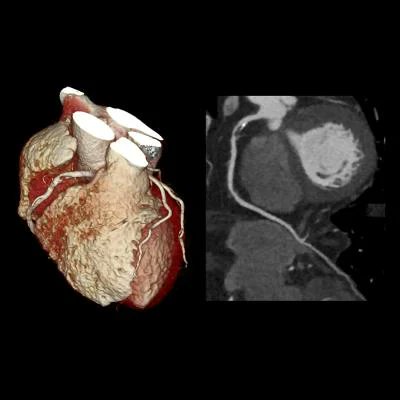
This is where we need to discuss the second type of cardiac CT
CT Coronary Angiography (CTCA).
This is where we start to add even more depth and information.
But that is the topic of next week’s newsletter.
Make sure to tune in then!
/18
CT Coronary Angiography (CTCA).
This is where we start to add even more depth and information.
But that is the topic of next week’s newsletter.
Make sure to tune in then!
/18
That's a wrap!
If you enjoyed this thread:
👋 You can join over 20K others on my free weekly newsletter
Or you can sign up for my Free 5 Day Course On Preventing Heart Disease.
Links in the Bio Above ☝️
If you enjoyed this thread:
👋 You can join over 20K others on my free weekly newsletter
Or you can sign up for my Free 5 Day Course On Preventing Heart Disease.
Links in the Bio Above ☝️
If you liked what you read here
You will definitely enjoy my Free 5 Day Mini Course On Preventing Heart Disease.
You can sign up for free here.
drpaddybarrett.com
You will definitely enjoy my Free 5 Day Mini Course On Preventing Heart Disease.
You can sign up for free here.
drpaddybarrett.com
Loading suggestions...