

I just read about a phenomenon:
The Cobra Effect.
Here's the crazy origin story (and the power of second-order thinking):
The Cobra Effect.
Here's the crazy origin story (and the power of second-order thinking):
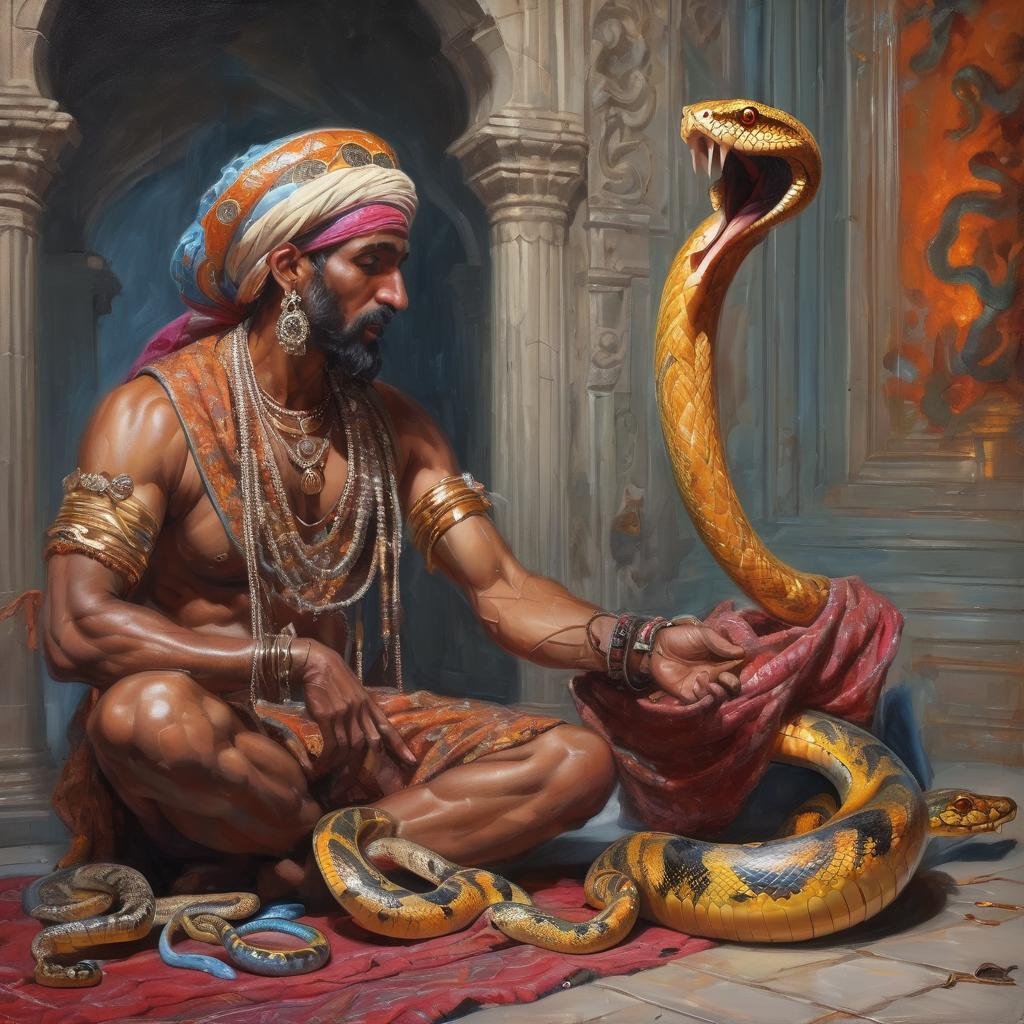
During the time of British rule over colonial India:
The British wanted to reduce the number of venomous Cobras in India.
Their strategy?
Offer a bounty for every dead Cobra.
The British wanted to reduce the number of venomous Cobras in India.
Their strategy?
Offer a bounty for every dead Cobra.
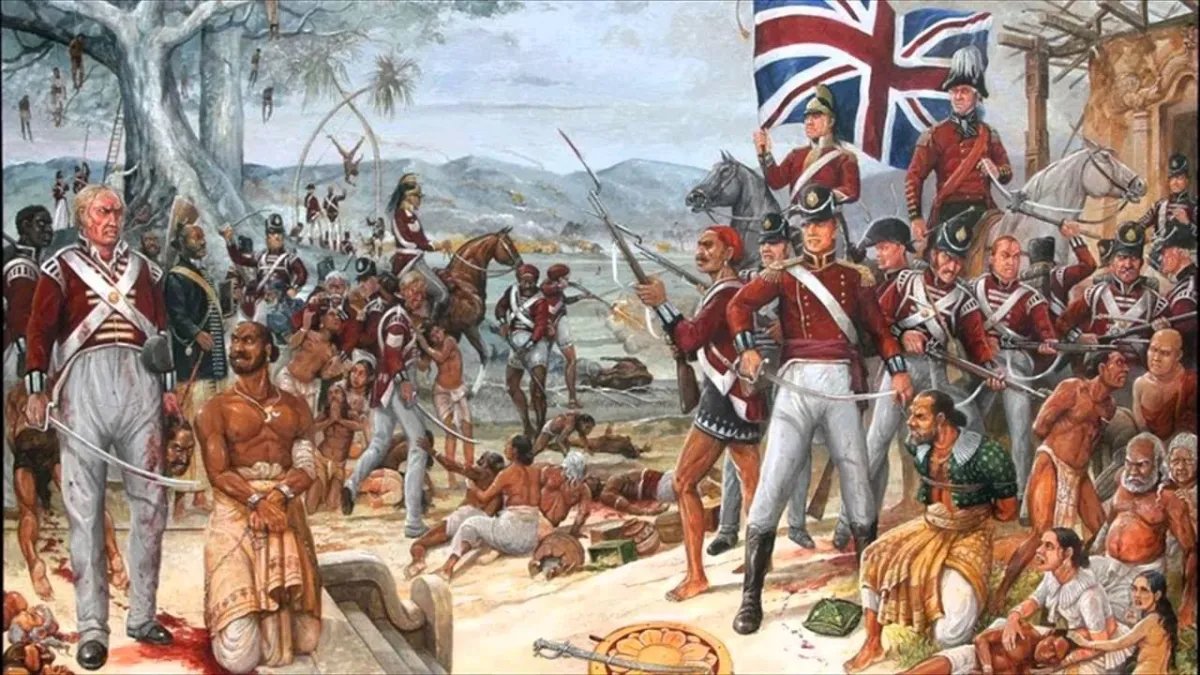
Initially they saw success:
Many bounties were claimed.
The Cobra population seemed to have reduced significantly.
Many bounties were claimed.
The Cobra population seemed to have reduced significantly.
But as time went on:
The number of dead Cobras started to increase... drastically.
Why?
To find out, the British government started an investigation.
What they found shocked them:
The number of dead Cobras started to increase... drastically.
Why?
To find out, the British government started an investigation.
What they found shocked them:
To get rich off the bounties:
Some Indian citizens set up a mass Cobra breeding operation.
They would breed Cobras, kill them, and claim the reward.
Some Indian citizens set up a mass Cobra breeding operation.
They would breed Cobras, kill them, and claim the reward.
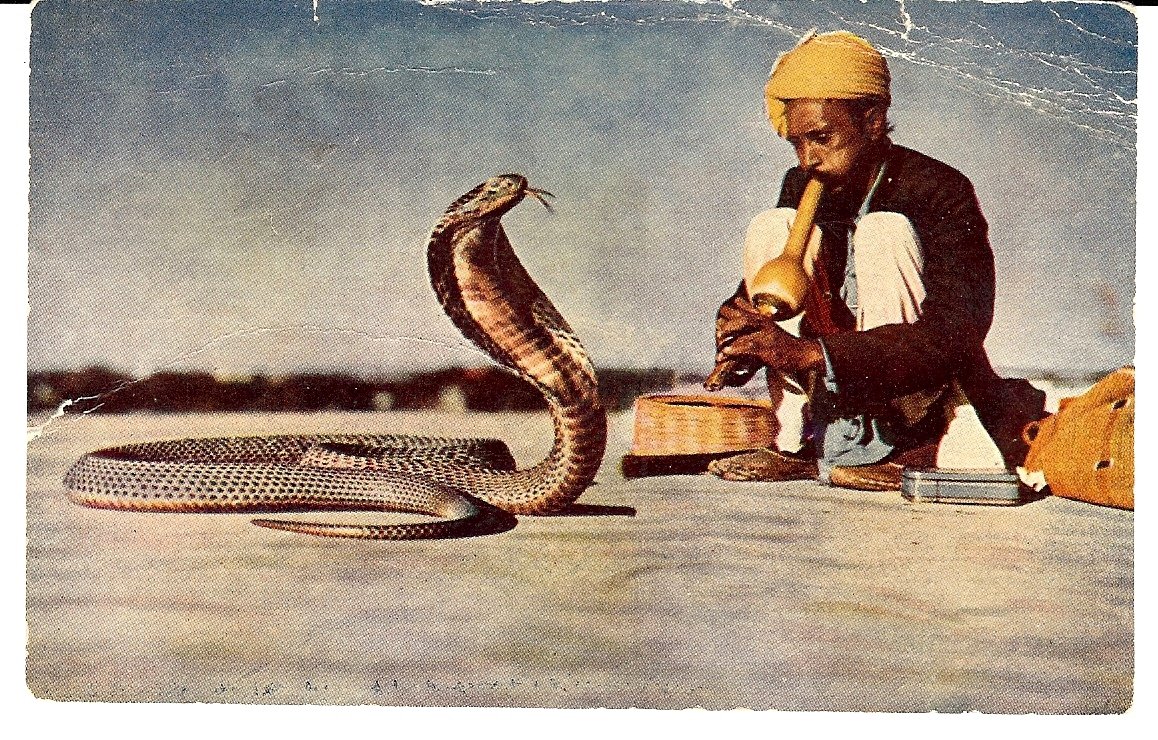
Infuriated, the British stopped handing out rewards for dead Cobras.
What they didn't realize was the issue this created:
What they didn't realize was the issue this created:
The Indian citizens were stuck with masses of venomous Cobras.
They no longer held any value.
So what'd they do?
They set them all free, into the wild.
They no longer held any value.
So what'd they do?
They set them all free, into the wild.
The Cobra population skyrocketed in an instant.
Thousands of Cobras were released into the wild, making the initial problem 10x worse.
Thousands of Cobras were released into the wild, making the initial problem 10x worse.
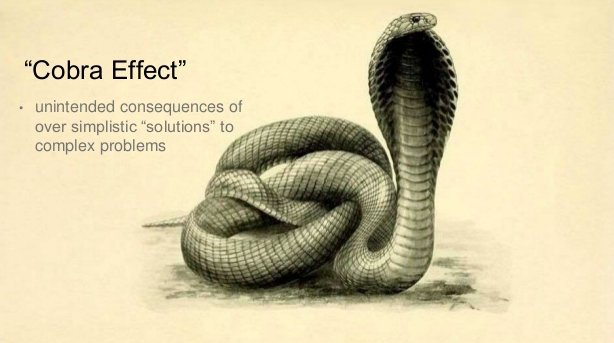
This story gave birth to the Cobra Effect.
The Cobra Effect:
When good intentions backfire, and have unintended negative consequences.
What can we learn from this?
The Cobra Effect:
When good intentions backfire, and have unintended negative consequences.
What can we learn from this?
The British downfall came from:
1) Establishing a poor incentive.
2) Not considering second-order effects of their actions.
Let's cover each one:
1) Establishing a poor incentive.
2) Not considering second-order effects of their actions.
Let's cover each one:
1) Great incentives create great outcomes.
But a poor incentive creates unintended, negative consequences.
Goodhart's Law explains why:
But a poor incentive creates unintended, negative consequences.
Goodhart's Law explains why:
Goodhart's Law:
When a measure becomes a target, it's no longer a good measure.
Humans will optimize for the measure, while disregarding the overarching goal.
In the context of the Cobras:
When a measure becomes a target, it's no longer a good measure.
Humans will optimize for the measure, while disregarding the overarching goal.
In the context of the Cobras:
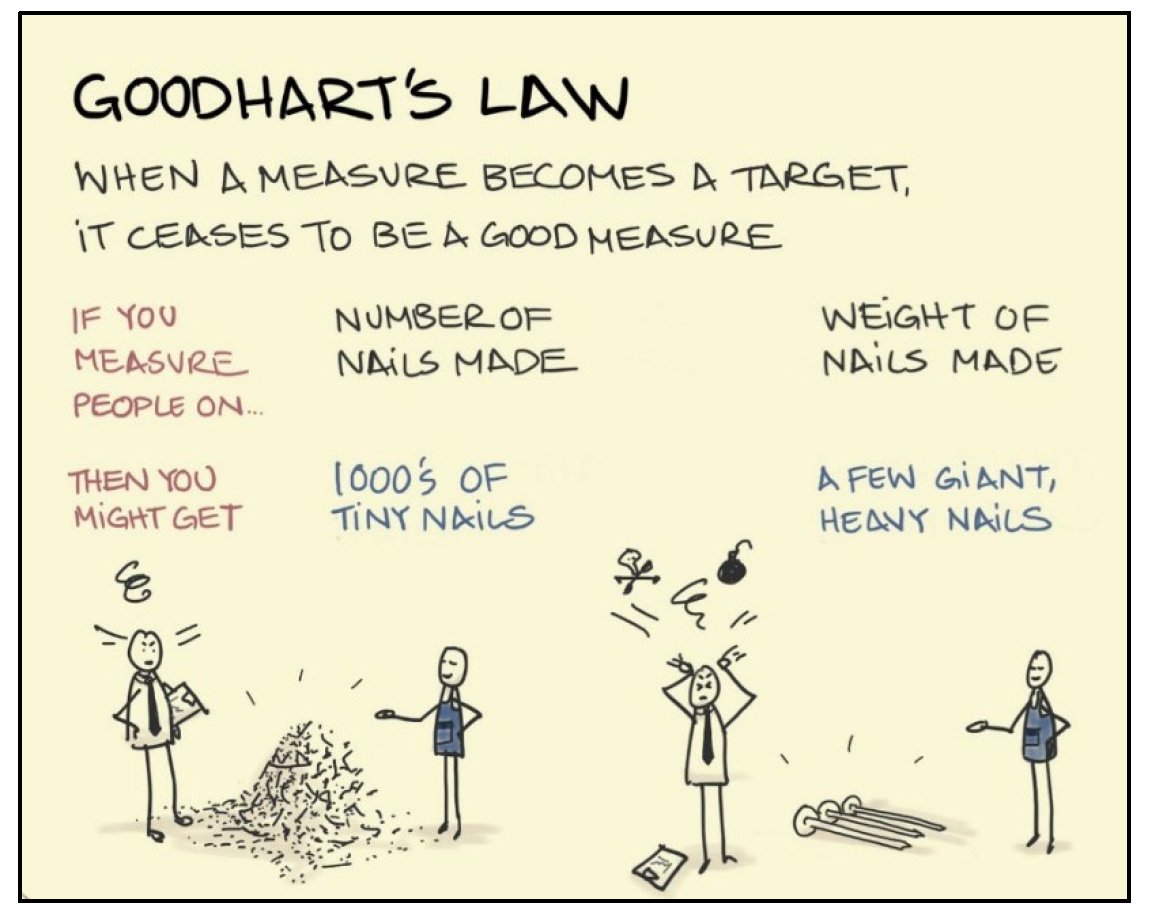
Overarching goal: Reduce the Cobra population.
Measure: Amount of dead Cobras handed in.
Since the measure gets rewarded, the Indian citizens optimized for dead cobras...
The result is breeding more cobras to maximize reward.
Measure: Amount of dead Cobras handed in.
Since the measure gets rewarded, the Indian citizens optimized for dead cobras...
The result is breeding more cobras to maximize reward.
Key Lesson:
When establishing incentives, deeply consider what the main goal is.
What does success look like?
If the incentives were optimized for, would it create negative consequences?
When establishing incentives, deeply consider what the main goal is.
What does success look like?
If the incentives were optimized for, would it create negative consequences?
2) Think about the second-order effects:
First order thinking: Solves an immediate problem, without considering the consequences.
Second order thinking: Considers the consequences of actions.
For example:
First order thinking: Solves an immediate problem, without considering the consequences.
Second order thinking: Considers the consequences of actions.
For example:

First order thinking: I'm hungry so I'm going to eat chocolate.
Second order thinking: if I repeatedly eat chocolate when I'm hungry, it'll have negative conequences on my health.
Second order thinking: if I repeatedly eat chocolate when I'm hungry, it'll have negative conequences on my health.
Second order thinking is when we ask ourselves:
And then what?
We consider the positive and negative effects of our actions.
And then what?
We consider the positive and negative effects of our actions.
Key Lesson:
Always ask yourself "And then what?"
What are the second-order effects of my decisions?
Keep in mind:
Extraordinary things come short term pain (first order), for long term payoff (second order).
Always ask yourself "And then what?"
What are the second-order effects of my decisions?
Keep in mind:
Extraordinary things come short term pain (first order), for long term payoff (second order).
Boom. That's it!
The origin story of the Cobra Effect.
It teaches us to:
• Deeply consider our incentives.
• Think about the second order effects.
The origin story of the Cobra Effect.
It teaches us to:
• Deeply consider our incentives.
• Think about the second order effects.
The Cobra Effect challenged my thinking .
I hope it sparks you to think about yours.
If you enjoyed this or learned something:
1. Retweet this thread to someone it might help
2. Follow me @GessnerJosh for more writing like this.
I hope it sparks you to think about yours.
If you enjoyed this or learned something:
1. Retweet this thread to someone it might help
2. Follow me @GessnerJosh for more writing like this.
Loading suggestions...