

“You must wear sunglasses whenever you go outside or your eyes will be damaged”
How dumb has the surgeon general become?
No one needs sunglasses, or even normal glasses, for that matter.
Here is how you should care of your eyes so they stay sharp forever.
How dumb has the surgeon general become?
No one needs sunglasses, or even normal glasses, for that matter.
Here is how you should care of your eyes so they stay sharp forever.

No one in human history needed glasses until the last millennia.
The human environment and how we interact with it has changed immensely in that time period.
So what are the changes that have caused poor eyesight, vision loss, and eye diseases, and how do we fix it?
The human environment and how we interact with it has changed immensely in that time period.
So what are the changes that have caused poor eyesight, vision loss, and eye diseases, and how do we fix it?
Sunlight
Humans are indoors more often now than in any other time in history. This is a problem for many reasons, but one of them affecting eyesight so greatly is the lack of sunlight.
Sunlight is immensely powerful for our eyes and, without it, our vision has deteriorated.
Humans are indoors more often now than in any other time in history. This is a problem for many reasons, but one of them affecting eyesight so greatly is the lack of sunlight.
Sunlight is immensely powerful for our eyes and, without it, our vision has deteriorated.
This is why it is so terrible that the surgeon general and every other medical authority recommends sunglasses whenever in the sun.
The sun is our eyes’ greatest nutrient, and wearing sunglasses deprives them of it.
Research has proven that being outdoors often combats myopia.
The sun is our eyes’ greatest nutrient, and wearing sunglasses deprives them of it.
Research has proven that being outdoors often combats myopia.
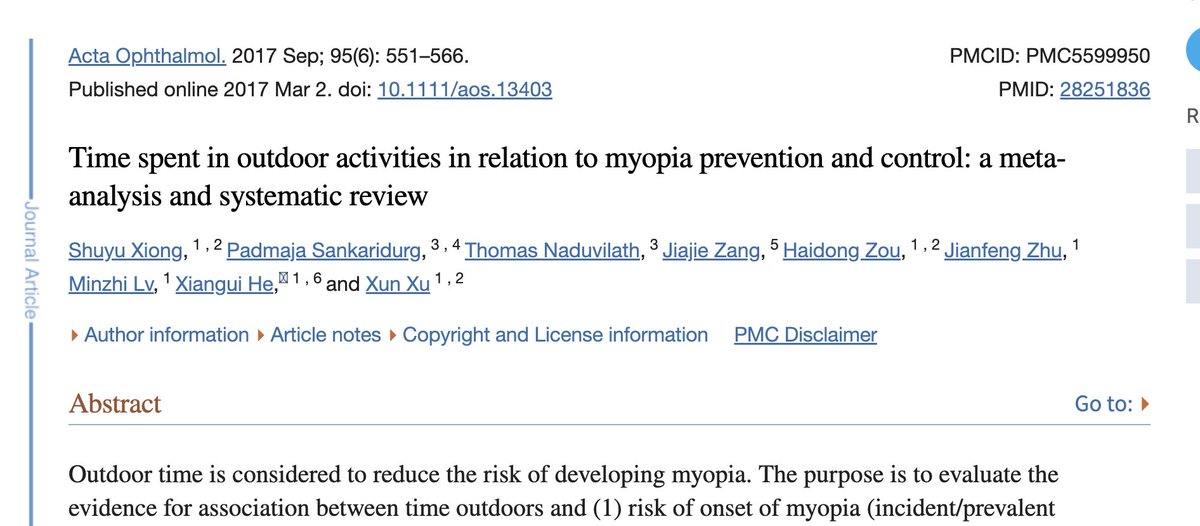
We were designed to be outside. Vision loss is a consequence of not abiding by our design.
Why our eyes need the sun breaks down into two different categories.
Why our eyes need the sun breaks down into two different categories.
Red Light
Our eyes have developed for thousands of years with the full light spectrum.
This includes an essential: red light.
Now that humans are inside or always wearing sunglasses, we do not see sunrises and sunsets and the hours around them as much as we used to.
Our eyes have developed for thousands of years with the full light spectrum.
This includes an essential: red light.
Now that humans are inside or always wearing sunglasses, we do not see sunrises and sunsets and the hours around them as much as we used to.

This time of day is when the light is infrared more than mid-day, and this is something our eyes crave.
Infrared light helps our eyes for a few reasons.
Infrared light helps our eyes for a few reasons.
Red light penetrates the cells and is absorbed by the mitochondria, boosting ATP which spurs cellular repair, leading to a healthier eye.
Red light also stimulates blood circulation. This means more oxygen and nutrients going to the eye tissues, promoting overall eye health.
Red light also stimulates blood circulation. This means more oxygen and nutrients going to the eye tissues, promoting overall eye health.
Some studies have also shown red light to have neuroprotective effects, protecting ganglion cells and potentially slowing progressions of degenerative disease in the eye.
It is a crime to our eyes that we do not spend as much time outside during the sunrise and sunset hours.
It is a crime to our eyes that we do not spend as much time outside during the sunrise and sunset hours.
UV Light
Now here is the big and “scary” one.
Just about every ophthalmologist and medical professional tells you to wear sunglasses to protect your eyes from UV light.
But this just has never made sense to me.
Now here is the big and “scary” one.
Just about every ophthalmologist and medical professional tells you to wear sunglasses to protect your eyes from UV light.
But this just has never made sense to me.
We already know about how sunglasses ruin our circadian rhythm, but what about our eye health?
I have a hard time believing that UV light isn’t crucial for our eye health. And I definitely don’t believe it damages the eye if used correctly.
I have a hard time believing that UV light isn’t crucial for our eye health. And I definitely don’t believe it damages the eye if used correctly.
Nearsightedness (incredibly common) happens when the eye becomes too long instead of circular and cannot reflect light correctly.
Something that can make this happen is Keratoconus, the thinning and bulging of the cornea.
Something that can make this happen is Keratoconus, the thinning and bulging of the cornea.
One way they treat this is by putting riboflavin in the eye and exposing the eye to UV light.
This causes new collagen cross-links to strengthen the cornea and help fix the shape.
So why wouldn’t we strengthen our eyes by doing the same preemptively?
This causes new collagen cross-links to strengthen the cornea and help fix the shape.
So why wouldn’t we strengthen our eyes by doing the same preemptively?
Organ meats and milk are high in riboflavin. The sun is high in UV light.
I drink a lot of raw milk and spend a lot of time in the sun and my eyes are 20/20 and feel great.
I’m not saying this will reverse myopia, but UV light and a good diet both seem vital to a healthy eye.
I drink a lot of raw milk and spend a lot of time in the sun and my eyes are 20/20 and feel great.
I’m not saying this will reverse myopia, but UV light and a good diet both seem vital to a healthy eye.
This does not mean overdoing it and spending tons of time in the midday sun. I still prefer the small amounts of less intense UV light that can be received during morning and evening sun.
This also definitely does not mean staring straight into the sun, which would be damaging.
This also definitely does not mean staring straight into the sun, which would be damaging.
What this does mean is to avoid sunglasses at all costs and just to spend more time outside in general.
Your eyes will thank you.
Your eyes will thank you.
Exercises
Your eyes are a muscle, so you should treat them like so.
Muscles need to be exercised to be strong.
When it comes to the eye, here are some basics.
Your eyes are a muscle, so you should treat them like so.
Muscles need to be exercised to be strong.
When it comes to the eye, here are some basics.
Most eye issues come from inability of the eye to transition from far to close. Hence, older people need reading glasses.
To combat this, you need to do exactly that.
Focus on something far away, and then transition quickly to your finger or something a few inches from the eye
To combat this, you need to do exactly that.
Focus on something far away, and then transition quickly to your finger or something a few inches from the eye
Do it over and over for a few sets and your eye will feel tired and exercised.
Next, you should practice following a small object with your eyes, tracking it exactly instead of jumping from place to place.
Next, you should practice following a small object with your eyes, tracking it exactly instead of jumping from place to place.
Finally, you can take an object like a pencil and move it a couple feet away from you and then back until it is too blurry, and then repeat.
All of these will strengthen your eyes and protect them.
But, of course, none of them are a substitute for time outside.
All of these will strengthen your eyes and protect them.
But, of course, none of them are a substitute for time outside.
Diet
I have to touch briefly on diet.
People know the basics. Eat carrots and a balanced diet. But what else?
The two nutrients that I want to touch on are Zinc and Collagen.
Zinc helps maintain the health of the retina and protein structure of the eye.
I have to touch briefly on diet.
People know the basics. Eat carrots and a balanced diet. But what else?
The two nutrients that I want to touch on are Zinc and Collagen.
Zinc helps maintain the health of the retina and protein structure of the eye.
Eat your oysters and red meat for zinc and maximum eye health.
Next is collagen.
As we touched on earlier, collagen helps keep the structure of the eye. If the structure is strong, the eye will not elongate and myopia will not occur.
Get your bone broth and collagen in.
Next is collagen.
As we touched on earlier, collagen helps keep the structure of the eye. If the structure is strong, the eye will not elongate and myopia will not occur.
Get your bone broth and collagen in.
Screens
Next are screens. And blue light.
Blue light can damage your retina and cause macular degeneration.
I try to avoid excess blue light before the sun rises and after it sets by using red filters on my laptop and phone.
Next are screens. And blue light.
Blue light can damage your retina and cause macular degeneration.
I try to avoid excess blue light before the sun rises and after it sets by using red filters on my laptop and phone.
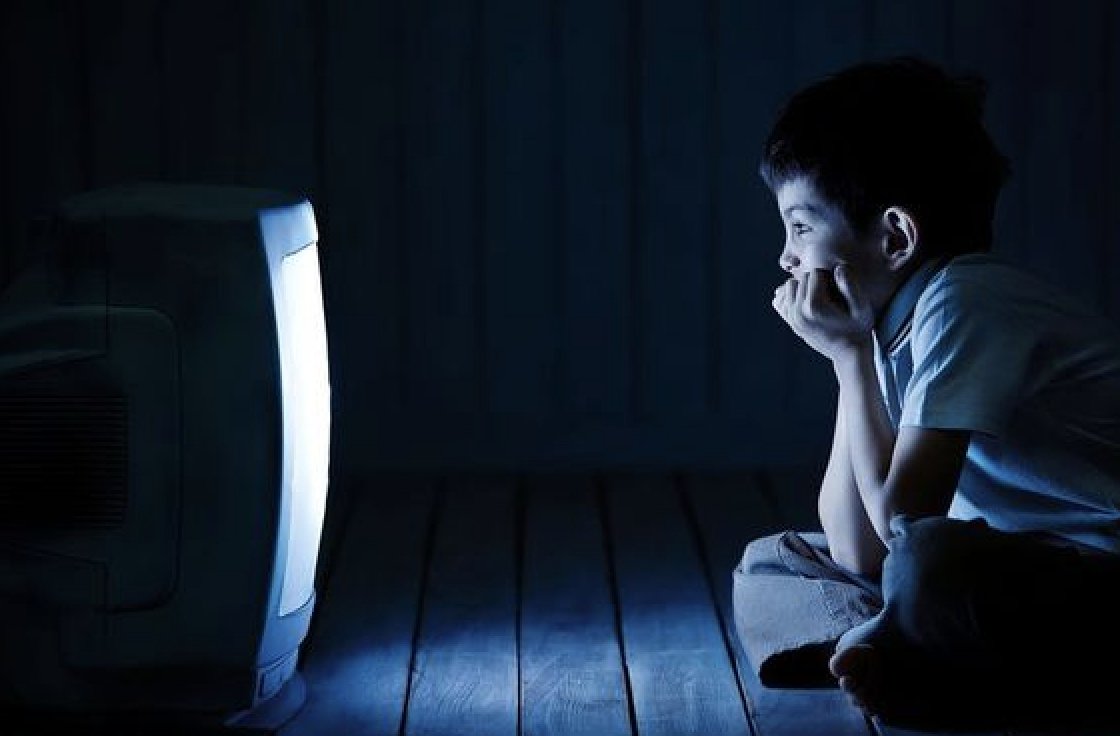
The other big problem with computers comes with the amount of time we spend on them.
When we are on computers from 9-5 or longer, we are not moving our eyes around and exercising them. They are just stuck in one place.
As we talked about earlier, this makes them age…fast.
When we are on computers from 9-5 or longer, we are not moving our eyes around and exercising them. They are just stuck in one place.
As we talked about earlier, this makes them age…fast.
This is the same reason that bookworms need glasses. Too much time with eyes just looking near instead of darting around like they were made to.
Even if you are on a screen, doing it outside will help your eyes stay healthy.
If working or reading… do it outside, if possible.
Even if you are on a screen, doing it outside will help your eyes stay healthy.
If working or reading… do it outside, if possible.
It always circles back to being outdoors.
Get outside and your eyes will thank you. And definitely avoid sunglasses at all costs.
Will it reverse your myopia? I think it is quite possible but not guaranteed.
Can it prevent it in the first place? Yes.
Get outside and your eyes will thank you. And definitely avoid sunglasses at all costs.
Will it reverse your myopia? I think it is quite possible but not guaranteed.
Can it prevent it in the first place? Yes.
Share this thread with anyone who has eye issues and implement these strategies in your kids’ lives from a young age to make sure they never have to wear glasses a day in their life.
Thank you for reading.
Thank you for reading.
And, once again, this has to be done within reason and within what feels right for your body.
If you are in a situation like skiing on a reflective white mountain or driving on a very reflective highway, sunglasses are helpful and safer than doing those activities without them.
Critical thinking should be used in all situations. Do not overly stress your eyes to extremely bright light, it is not safe. It is just important to understand that the sun can benefit the eyes and extreme amount. I will wear sunglasses when they are completely necessary, but that is incredibly rare.
If you are in a situation like skiing on a reflective white mountain or driving on a very reflective highway, sunglasses are helpful and safer than doing those activities without them.
Critical thinking should be used in all situations. Do not overly stress your eyes to extremely bright light, it is not safe. It is just important to understand that the sun can benefit the eyes and extreme amount. I will wear sunglasses when they are completely necessary, but that is incredibly rare.
This is talking about the normal person's sun in a normal day.
This is not talking about people in extremely sunny situations like reflections of skiing, desert construction work, or working on the water. Reflective sun is often worse than the direct sunlight.
This is not talking about people in extremely sunny situations like reflections of skiing, desert construction work, or working on the water. Reflective sun is often worse than the direct sunlight.
Treat it like you would sunbathing without sunscreen.
More time in less powerful sun and, if in the sun during midday heat, find shade, hats, or other protection if you need a break from the intensity.
Listen to your instincts and only wear sunglasses if completely necessary and the situation absolutely calls for them.
More time in less powerful sun and, if in the sun during midday heat, find shade, hats, or other protection if you need a break from the intensity.
Listen to your instincts and only wear sunglasses if completely necessary and the situation absolutely calls for them.
Loading suggestions...