

The power of herbs is severely downplayed to this day in most health spaces but this is a huge mistake.
So here's a thread on some powerful herbs that you should be aware of no matter if you struggle with hair loss, gut issues, low libido, anxiety, depression or insomnia🧵 x.com
So here's a thread on some powerful herbs that you should be aware of no matter if you struggle with hair loss, gut issues, low libido, anxiety, depression or insomnia🧵 x.com
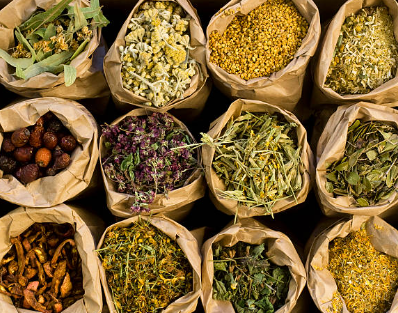
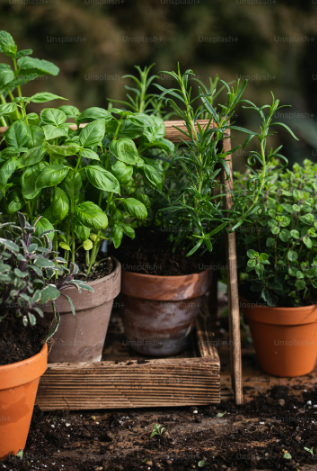

*Standard disclaimer that nothing in this thread should be used as a substitute for medical advice*
Over the last years in the health space, the power of plants has been severely downplayed due to factors such as the recognition of the importance of animal foods but also the realization that tons of plants have a variety of built-in protection mechanisms that can harm humans (unless they are prepared right).
I am obviously not saying that plants are miracle cures or that you need them in order to thrive.
If you don't know how to prepare and use them right for example, some of them can even be contraceptives.
But that being said, there are certain plants which are very safe for most people and can be great supplemental tools.
Over the last years in the health space, the power of plants has been severely downplayed due to factors such as the recognition of the importance of animal foods but also the realization that tons of plants have a variety of built-in protection mechanisms that can harm humans (unless they are prepared right).
I am obviously not saying that plants are miracle cures or that you need them in order to thrive.
If you don't know how to prepare and use them right for example, some of them can even be contraceptives.
But that being said, there are certain plants which are very safe for most people and can be great supplemental tools.
Pay attention to the word “supplemental”.
I am not using the term “staple” and there’s a reason for it.
Plants are not meant to be used on a daily basis (all plants are seasonal after all) since past a certain point the chronic exposure to certain molecules in them can negatively affect things such as your thyroid or androgens for example.
For how long you should be using plants?
This depends on their potency and your starting point.
In general, things such as nettle root, rosemary, ginger, hibiscus, chamomile and saffron can be used multiple times per week, where others such as reishi, turkey tail, lion's mane and so on should be used once every week or two as a preventative measure and in other cases (let's say a TBI for example) they can be used daily for a few weeks.
Also, when it comes to all plants, quality matters, a lot.
You should NOT use the plants that will be mentioned unless you can get source them properly.
The last thing you want is to get some pesticide-filled plant and consume it thinking that it will benefit you.
Another thing you should keep in mind is that certain herbs are so effective, that can react negatively with certain medications whether they are blood thinners or whatever.
So contact your doctor or at least do some research before using one.
And finally, always remember that you can always add more, but, you can't take out. So when you are trying a new herb (or supplement in general) start with low doses the first time you try it.
Ideally 1/3 of the recommended. Yes, 1/3. If you don't have a negative reaction (most obviously won't) this advice can unironically be life saving.
Now let's get into the herbs.
I am not using the term “staple” and there’s a reason for it.
Plants are not meant to be used on a daily basis (all plants are seasonal after all) since past a certain point the chronic exposure to certain molecules in them can negatively affect things such as your thyroid or androgens for example.
For how long you should be using plants?
This depends on their potency and your starting point.
In general, things such as nettle root, rosemary, ginger, hibiscus, chamomile and saffron can be used multiple times per week, where others such as reishi, turkey tail, lion's mane and so on should be used once every week or two as a preventative measure and in other cases (let's say a TBI for example) they can be used daily for a few weeks.
Also, when it comes to all plants, quality matters, a lot.
You should NOT use the plants that will be mentioned unless you can get source them properly.
The last thing you want is to get some pesticide-filled plant and consume it thinking that it will benefit you.
Another thing you should keep in mind is that certain herbs are so effective, that can react negatively with certain medications whether they are blood thinners or whatever.
So contact your doctor or at least do some research before using one.
And finally, always remember that you can always add more, but, you can't take out. So when you are trying a new herb (or supplement in general) start with low doses the first time you try it.
Ideally 1/3 of the recommended. Yes, 1/3. If you don't have a negative reaction (most obviously won't) this advice can unironically be life saving.
Now let's get into the herbs.
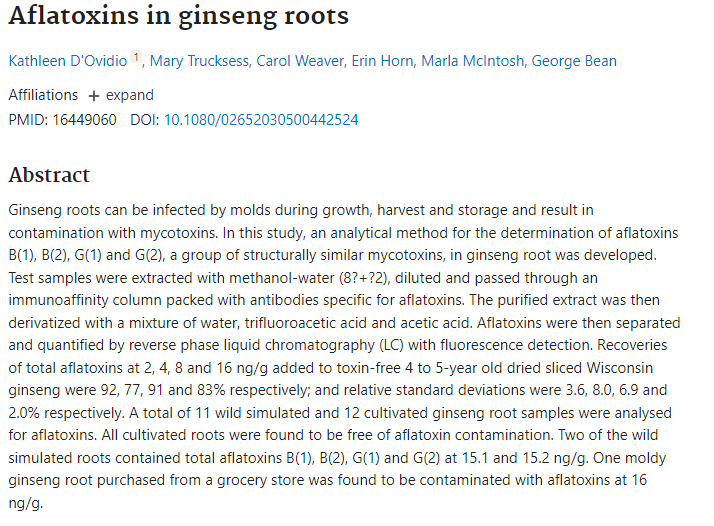
Herb number 1: Ginger.
From helping your pregnant wife with nausea, preventing the hardening of arteries and promoting overall blood flow in general all the way to being great for the prostate, brain and CNS, ginger should be a staple at most households in my opinion.
Ginger is great, if you don't use it right now, try having some ginger tea 3 days a week and notice the benefits.
pmc.ncbi.nlm.nih.gov
pubmed.ncbi.nlm.nih.gov
pmc.ncbi.nlm.nih.gov
pmc.ncbi.nlm.nih.gov
pmc.ncbi.nlm.nih.gov
From helping your pregnant wife with nausea, preventing the hardening of arteries and promoting overall blood flow in general all the way to being great for the prostate, brain and CNS, ginger should be a staple at most households in my opinion.
Ginger is great, if you don't use it right now, try having some ginger tea 3 days a week and notice the benefits.
pmc.ncbi.nlm.nih.gov
pubmed.ncbi.nlm.nih.gov
pmc.ncbi.nlm.nih.gov
pmc.ncbi.nlm.nih.gov
pmc.ncbi.nlm.nih.gov
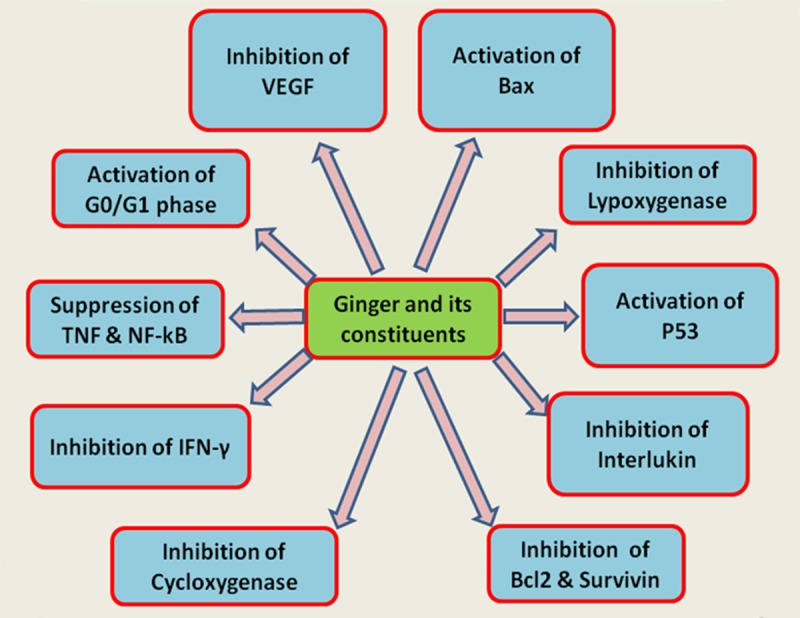
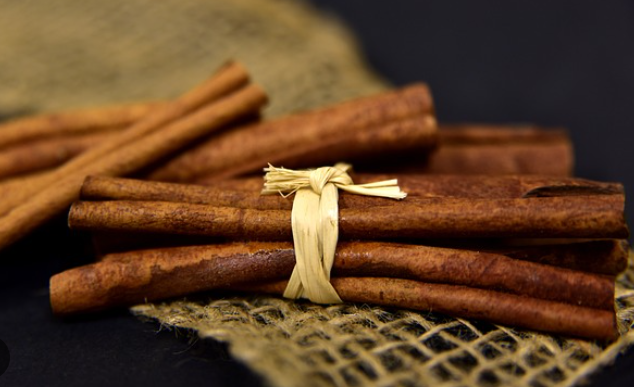
Herb number 2: Ceylon cinnamon.
You might think of cinnamon as something that used just for its taste but think again.
This decently cheap and yes, tasty herb that's loaded with antioxidants is great for:
-The brain
-The heart
-Blood sugar management
-Keeping certain pathogens at bay due to its antimicrobial properties
-The gut
-The immune system
and underrated for heart health and blood sugar control.
When it comes to studies, you can check these if you want to learn more:
pubmed.ncbi.nlm.nih.gov
pubmed.ncbi.nlm.nih.gov
pubmed.ncbi.nlm.nih.gov
pubmed.ncbi.nlm.nih.gov
pubmed.ncbi.nlm.nih.gov
You might think of cinnamon as something that used just for its taste but think again.
This decently cheap and yes, tasty herb that's loaded with antioxidants is great for:
-The brain
-The heart
-Blood sugar management
-Keeping certain pathogens at bay due to its antimicrobial properties
-The gut
-The immune system
and underrated for heart health and blood sugar control.
When it comes to studies, you can check these if you want to learn more:
pubmed.ncbi.nlm.nih.gov
pubmed.ncbi.nlm.nih.gov
pubmed.ncbi.nlm.nih.gov
pubmed.ncbi.nlm.nih.gov
pubmed.ncbi.nlm.nih.gov
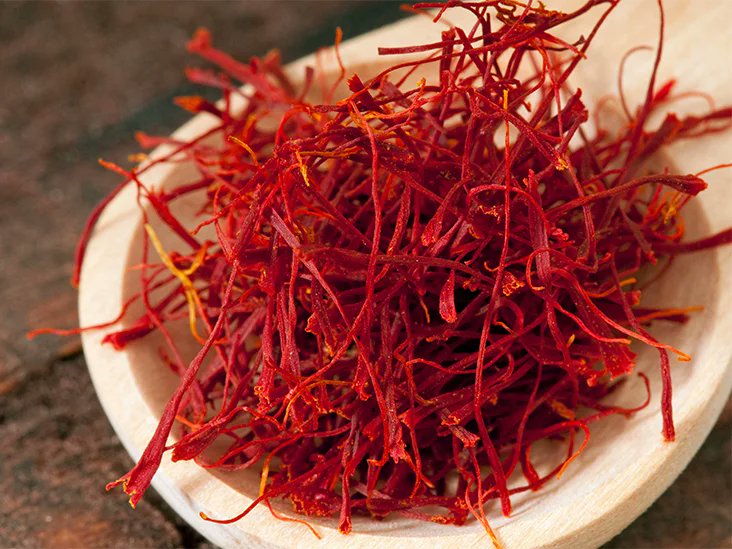
Herb number 3: Saffron
This might seem expensive (and it is), BUT, it's really great for
-Stomach ulcers
-Hypertension
-Low libido
-Coronary heart disease
-Depression
-Brain fog
-PMs
-Seizures
-Alzheimer
-Withdrawals
Its main compounds are crocin, picrocrocin and safranal which have been shown to have anti-inflammatory, anti-atherosclerotic, antigenotoxic and cytotoxic activities.
I personally like it A LOT.
Some basic studies:
ncbi.nlm.nih.gov
pubmed.ncbi.nlm.nih.gov
ncbi.nlm.nih.gov
ncbi.nlm.nih.gov
This might seem expensive (and it is), BUT, it's really great for
-Stomach ulcers
-Hypertension
-Low libido
-Coronary heart disease
-Depression
-Brain fog
-PMs
-Seizures
-Alzheimer
-Withdrawals
Its main compounds are crocin, picrocrocin and safranal which have been shown to have anti-inflammatory, anti-atherosclerotic, antigenotoxic and cytotoxic activities.
I personally like it A LOT.
Some basic studies:
ncbi.nlm.nih.gov
pubmed.ncbi.nlm.nih.gov
ncbi.nlm.nih.gov
ncbi.nlm.nih.gov

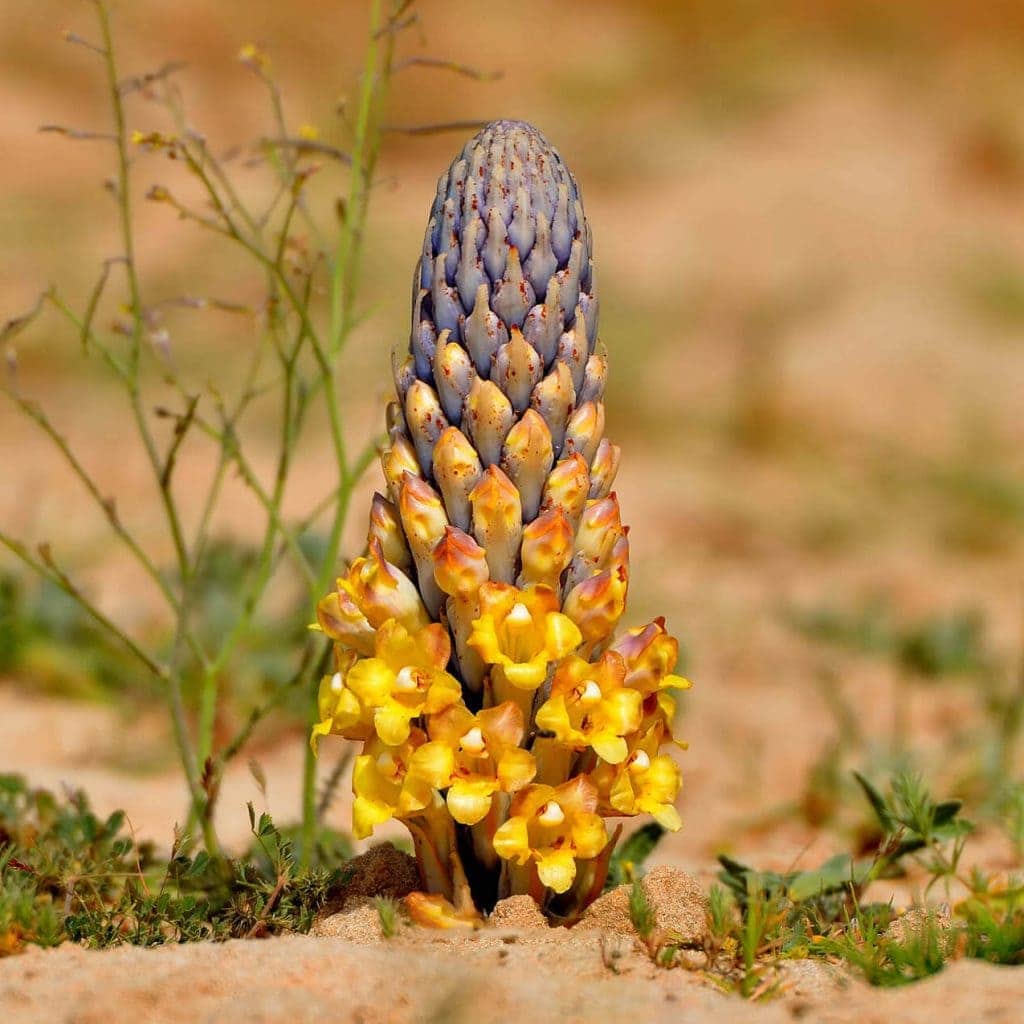
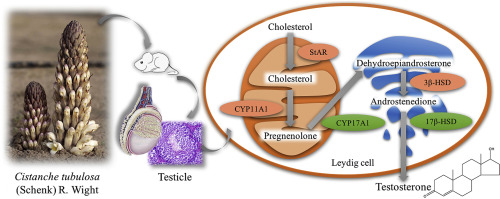
Herb number 4: Cistanche.
If you are man that's looking for something that actually works and can help you with your fertility, libido but also mood and testosterone a bit, look no further.
Some of its benefits include stuff such as:
-Protects the testicles against xenoestrogen toxicity
-Improved fertility (especially for men)
-Increased testosterone
-Anti-aging benefits
-Supports the gut
-Supports the liver
-Neuroprotective
-Aphrodisiac
-Mild heart protective benefits
-Supporting the immune system
-Great cognitive enhancer
pubmed.ncbi.nlm.nih.gov
ncbi.nlm.nih.gov
pubmed.ncbi.nlm.nih.gov
ncbi.nlm.nih.gov
ncbi.nlm.nih.gov
If you are man that's looking for something that actually works and can help you with your fertility, libido but also mood and testosterone a bit, look no further.
Some of its benefits include stuff such as:
-Protects the testicles against xenoestrogen toxicity
-Improved fertility (especially for men)
-Increased testosterone
-Anti-aging benefits
-Supports the gut
-Supports the liver
-Neuroprotective
-Aphrodisiac
-Mild heart protective benefits
-Supporting the immune system
-Great cognitive enhancer
pubmed.ncbi.nlm.nih.gov
ncbi.nlm.nih.gov
pubmed.ncbi.nlm.nih.gov
ncbi.nlm.nih.gov
ncbi.nlm.nih.gov
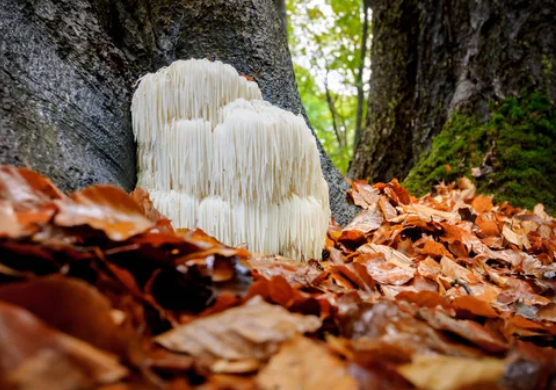
Herb number 5: Lion's mane.
Most stacks that are related to TBIs have lion's mane in them and for a good reason.
It is one of the best supplemental foods for recovering from brain injuries.
Past that, it can help you with:
-Heart health
-Improving your lipid panel
-Blood sugar regulation
-Ulcers
-Depression
-Anxiety
BUT, it is probably the most underrated dietary source of potassium, manganese, zinc, thiamine, riboflavin, and niacin as well.
pubmed.ncbi.nlm.nih.gov
pubmed.ncbi.nlm.nih.gov
pubmed.ncbi.nlm.nih.gov
pubmed.ncbi.nlm.nih.gov
pubmed.ncbi.nlm.nih.gov
Most stacks that are related to TBIs have lion's mane in them and for a good reason.
It is one of the best supplemental foods for recovering from brain injuries.
Past that, it can help you with:
-Heart health
-Improving your lipid panel
-Blood sugar regulation
-Ulcers
-Depression
-Anxiety
BUT, it is probably the most underrated dietary source of potassium, manganese, zinc, thiamine, riboflavin, and niacin as well.
pubmed.ncbi.nlm.nih.gov
pubmed.ncbi.nlm.nih.gov
pubmed.ncbi.nlm.nih.gov
pubmed.ncbi.nlm.nih.gov
pubmed.ncbi.nlm.nih.gov
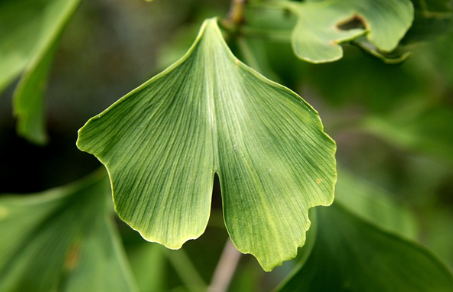
Herb number 6: Ginkgo biloba.
Gingko is great for:
-Fatigue.
-Certain types of depression.
-SSRI induced low libido.
-Increasing extracellular dopamine levels in the prefrontal cortex in rats.
-Normalising stress-elevated alterations in brain catecholamines, serotonin and plasma corticosterone levels.
-The cardiovascular system.
-Preventing mitochondrial ageing in organs such as the brain and liver.
-Some people who struggle with diabetic nephropathy.
-Protecting against iNOS "toxicity".
-The CNS.
-Overall cognition.
Interesting studies:
pubmed.ncbi.nlm.nih.gov
pubmed.ncbi.nlm.nih.gov
pubmed.ncbi.nlm.nih.gov
pubmed.ncbi.nlm.nih.gov
pubmed.ncbi.nlm.nih.gov
pubmed.ncbi.nlm.nih.gov
pubmed.ncbi.nlm.nih.gov
pubmed.ncbi.nlm.nih.gov
pubmed.ncbi.nlm.nih.gov
pubmed.ncbi.nlm.nih.gov
pmc.ncbi.nlm.nih.gov
pubmed.ncbi.nlm.nih.gov
pubmed.ncbi.nlm.nih.gov
pubmed.ncbi.nlm.nih.gov
pubmed.ncbi.nlm.nih.gov
pubmed.ncbi.nlm.nih.gov
pubmed.ncbi.nlm.nih.gov
pubmed.ncbi.nlm.nih.gov
pubmed.ncbi.nlm.nih.gov
pubmed.ncbi.nlm.nih.gov
pubmed.ncbi.nlm.nih.gov
Gingko is great for:
-Fatigue.
-Certain types of depression.
-SSRI induced low libido.
-Increasing extracellular dopamine levels in the prefrontal cortex in rats.
-Normalising stress-elevated alterations in brain catecholamines, serotonin and plasma corticosterone levels.
-The cardiovascular system.
-Preventing mitochondrial ageing in organs such as the brain and liver.
-Some people who struggle with diabetic nephropathy.
-Protecting against iNOS "toxicity".
-The CNS.
-Overall cognition.
Interesting studies:
pubmed.ncbi.nlm.nih.gov
pubmed.ncbi.nlm.nih.gov
pubmed.ncbi.nlm.nih.gov
pubmed.ncbi.nlm.nih.gov
pubmed.ncbi.nlm.nih.gov
pubmed.ncbi.nlm.nih.gov
pubmed.ncbi.nlm.nih.gov
pubmed.ncbi.nlm.nih.gov
pubmed.ncbi.nlm.nih.gov
pubmed.ncbi.nlm.nih.gov
pmc.ncbi.nlm.nih.gov
pubmed.ncbi.nlm.nih.gov
pubmed.ncbi.nlm.nih.gov
pubmed.ncbi.nlm.nih.gov
pubmed.ncbi.nlm.nih.gov
pubmed.ncbi.nlm.nih.gov
pubmed.ncbi.nlm.nih.gov
pubmed.ncbi.nlm.nih.gov
pubmed.ncbi.nlm.nih.gov
pubmed.ncbi.nlm.nih.gov
pubmed.ncbi.nlm.nih.gov
pubmed.ncbi.nlm.nih.gov/36671707/
pubmed.ncbi.nlm.nih.gov/9113109/
pubmed.ncbi.nlm.nih.gov/26547529/
pubmed.ncbi.nlm.nih.gov/31684190/
pubmed.ncbi.nlm.nih.gov/18258419/
pubmed.ncbi.nlm.nih.gov/17506941/
pubmed.ncbi.nlm.nih.gov/12404672/
pubmed.ncbi.nlm.nih.gov/16808927/
pubmed.ncbi.nlm.nih.gov/15378664/
pubmed.ncbi.nlm.nih.gov/8003011/
pmc.ncbi.nlm.nih.gov/articles/PMC28…
pubmed.ncbi.nlm.nih.gov/9611693/
pubmed.ncbi.nlm.nih.gov/12957329/
pubmed.ncbi.nlm.nih.gov/10535759/
pubmed.ncbi.nlm.nih.gov/11475535/
pubmed.ncbi.nlm.nih.gov/12519586/
pubmed.ncbi.nlm.nih.gov/10820186/
pubmed.ncbi.nlm.nih.gov/10886329/
pubmed.ncbi.nlm.nih.gov/13130384/
pubmed.ncbi.nlm.nih.gov/12396080/
pubmed.ncbi.nlm.nih.gov/9433905/
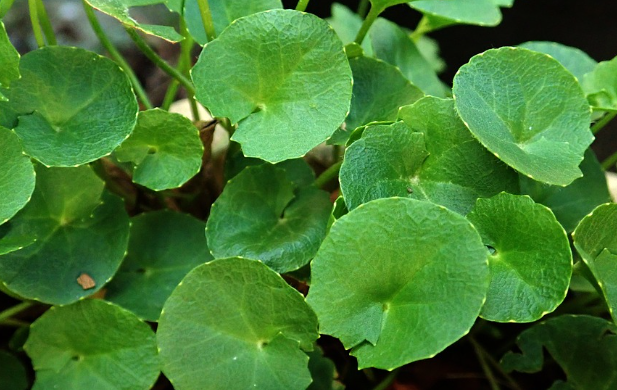
Herb number 7: Gotu kola.
This is often used topically for hair loss and orally mainly for brain health (great benefits for TBIs) since it boosts BDNF and anxiety since it's a GABA-B agonist.
It can also be a decent choice for boosting collagen and skin health.
There are more benefits, but these are the most noticeable ones.
pubmed.ncbi.nlm.nih.gov
ncbi.nlm.nih.gov
This is often used topically for hair loss and orally mainly for brain health (great benefits for TBIs) since it boosts BDNF and anxiety since it's a GABA-B agonist.
It can also be a decent choice for boosting collagen and skin health.
There are more benefits, but these are the most noticeable ones.
pubmed.ncbi.nlm.nih.gov
ncbi.nlm.nih.gov
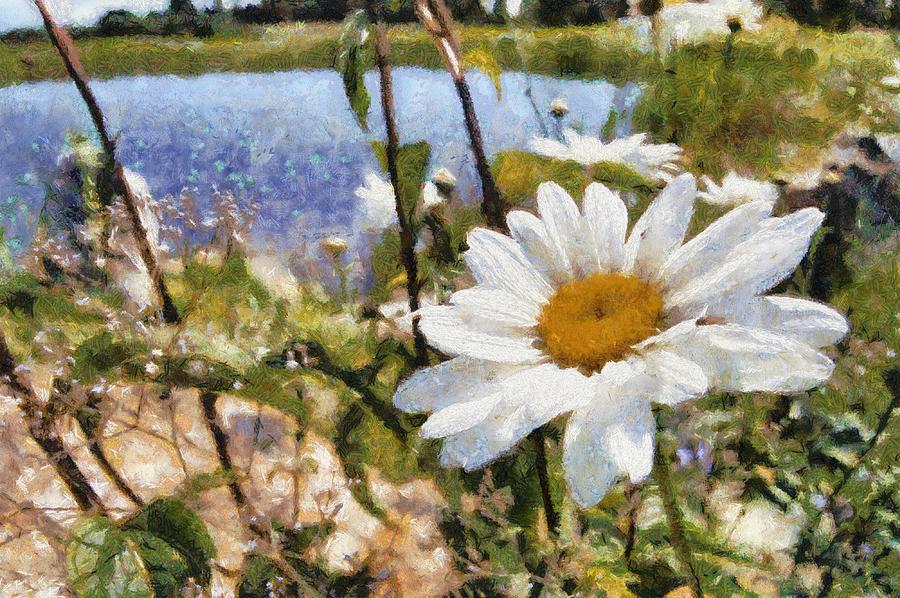
Herb number 8: Chamomile.
Don't underestimate this one.
It literally helps with a ton of issues some of which include:
-Insomnia
-Stomach ulcers
-Eczema
-Anxiety
-Fevers
-Cardiovascular conditions
-PMS
-Diabetes
-Gut issues
-Osteoporosis
-Candida
-Inhibiting the release of LPS-induced prostaglandin E(2) and COX-2
-PMS
pubmed.ncbi.nlm.nih.gov
pubmed.ncbi.nlm.nih.gov
pubmed.ncbi.nlm.nih.gov
pubmed.ncbi.nlm.nih.gov
Don't underestimate this one.
It literally helps with a ton of issues some of which include:
-Insomnia
-Stomach ulcers
-Eczema
-Anxiety
-Fevers
-Cardiovascular conditions
-PMS
-Diabetes
-Gut issues
-Osteoporosis
-Candida
-Inhibiting the release of LPS-induced prostaglandin E(2) and COX-2
-PMS
pubmed.ncbi.nlm.nih.gov
pubmed.ncbi.nlm.nih.gov
pubmed.ncbi.nlm.nih.gov
pubmed.ncbi.nlm.nih.gov
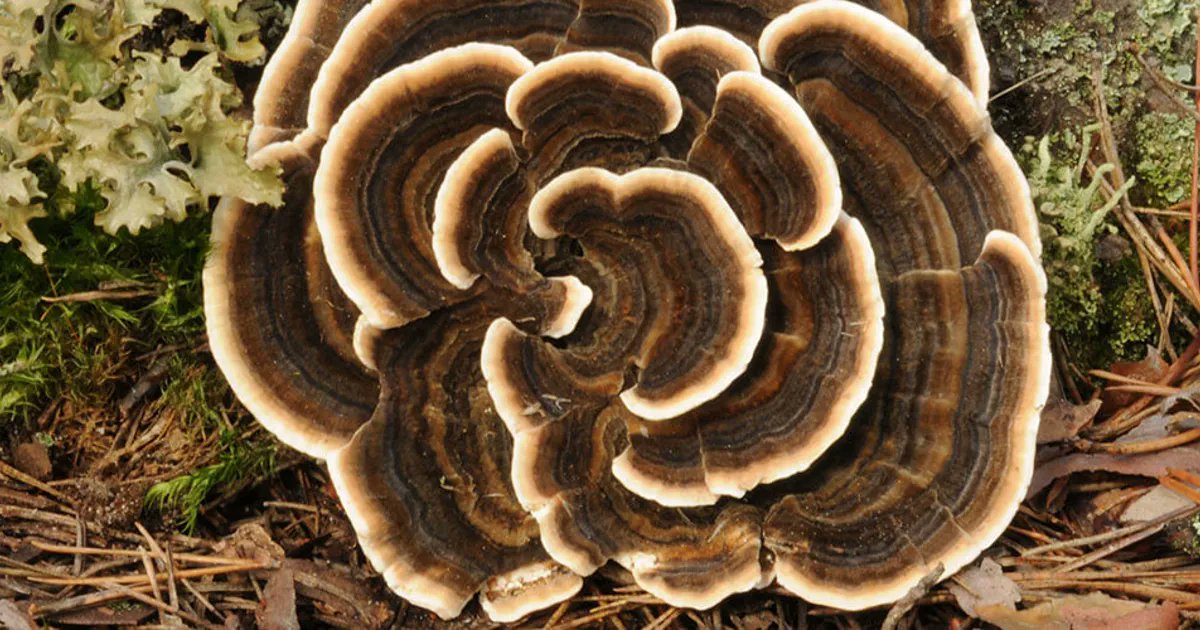
Herb number 9: Turkey tail.
Some of its benefits include:
-Lowering estrogen
-Removing toxins faster
-Relieving joint pain
-Anti-tumor properties
-Improving the function of the immune system
-Protecting the heart
-Improving gut health post-antibiotic use
pubmed.ncbi.nlm.nih.gov
pubmed.ncbi.nlm.nih.gov
Some of its benefits include:
-Lowering estrogen
-Removing toxins faster
-Relieving joint pain
-Anti-tumor properties
-Improving the function of the immune system
-Protecting the heart
-Improving gut health post-antibiotic use
pubmed.ncbi.nlm.nih.gov
pubmed.ncbi.nlm.nih.gov
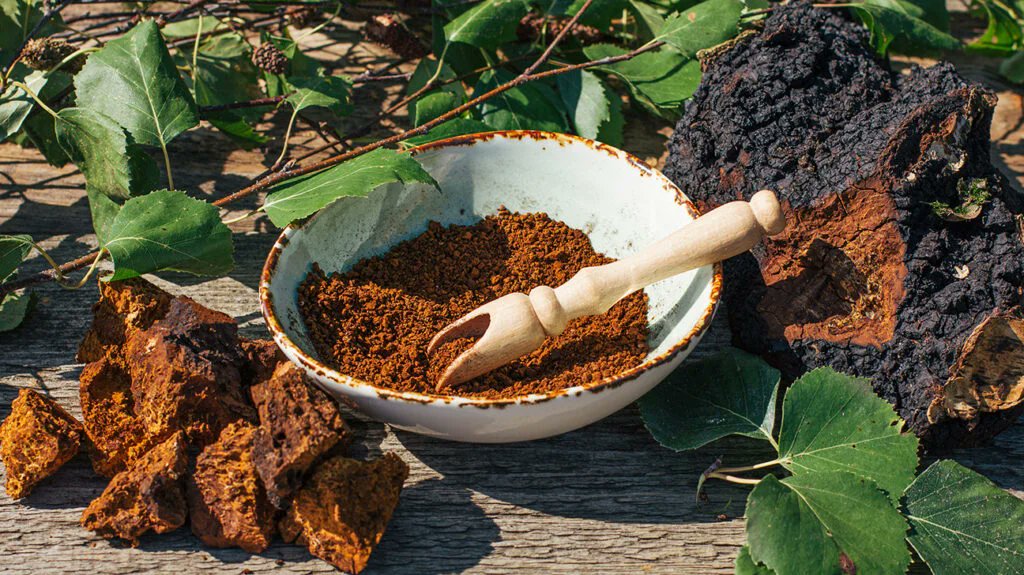
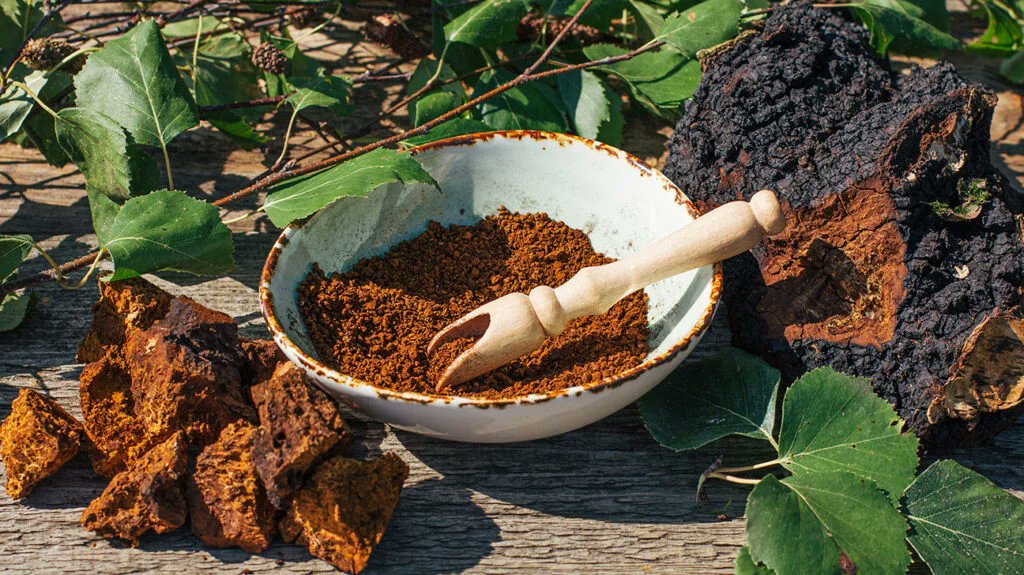
Herb number 10: Chaga
We will continue with another powerful mushroom.
Inonotus obliquus (chaga) is a fungus with bitter sweet taste that is typically found in places such as Siberia (the best place to source it), Alaska, Nothern Canada and even Korea, that’s mainly been used in order to:
-Reduce inflammation through its antioxidant properties
-Support the immune system (great for this one, to a mindblowing degree)
-Battle pathogen-related gut issues
-Support adrenal health
-Balance blood sugar
pubmed.ncbi.nlm.nih.gov
pubmed.ncbi.nlm.nih.gov
ieeexplore.ieee.org
sciencedirect.com
pubmed.ncbi.nlm.nih.gov
pubmed.ncbi.nlm.nih.gov
ncbi.nlm.nih.gov
We will continue with another powerful mushroom.
Inonotus obliquus (chaga) is a fungus with bitter sweet taste that is typically found in places such as Siberia (the best place to source it), Alaska, Nothern Canada and even Korea, that’s mainly been used in order to:
-Reduce inflammation through its antioxidant properties
-Support the immune system (great for this one, to a mindblowing degree)
-Battle pathogen-related gut issues
-Support adrenal health
-Balance blood sugar
pubmed.ncbi.nlm.nih.gov
pubmed.ncbi.nlm.nih.gov
ieeexplore.ieee.org
sciencedirect.com
pubmed.ncbi.nlm.nih.gov
pubmed.ncbi.nlm.nih.gov
ncbi.nlm.nih.gov
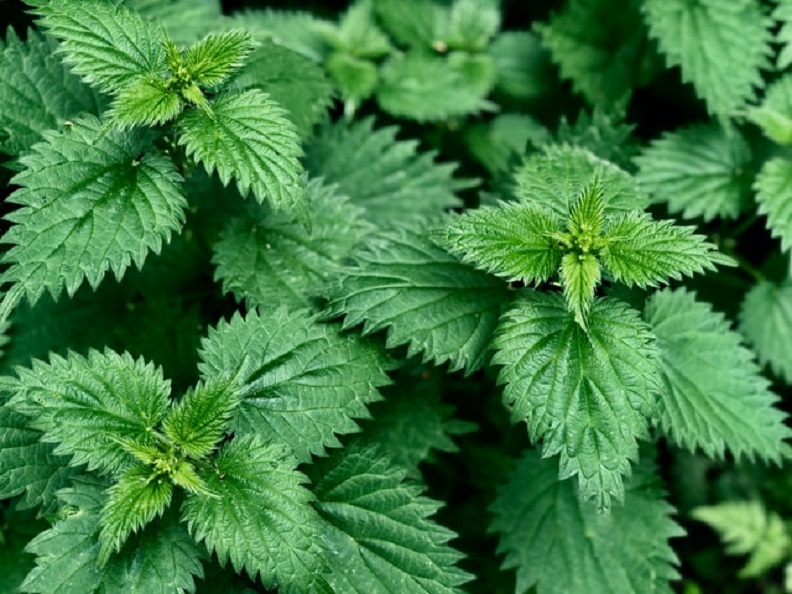
Herb number 11: Nettle
DEFINETELY, do not underestimate this one.
It has some great benefits overall such as:
-Inhibiting aromatase/SHBG
-Reduce the effects of an estrogen excess
-Treating prostate issues
-Reduce the pain of rheumatism and arthritis
-Anti-infectious properties
-Protecting the heart
-Anti-diabetic effects
-Suppress the production of prostaglandins
-Inhibit the biosynthesis of COX-2
-Inhibit the release of IL-1 and IL-2
-Support women's milk supply
-Reduce the symptoms of allergies
pmc.ncbi.nlm.nih.gov
pubmed.ncbi.nlm.nih.gov
pubmed.ncbi.nlm.nih.gov
DEFINETELY, do not underestimate this one.
It has some great benefits overall such as:
-Inhibiting aromatase/SHBG
-Reduce the effects of an estrogen excess
-Treating prostate issues
-Reduce the pain of rheumatism and arthritis
-Anti-infectious properties
-Protecting the heart
-Anti-diabetic effects
-Suppress the production of prostaglandins
-Inhibit the biosynthesis of COX-2
-Inhibit the release of IL-1 and IL-2
-Support women's milk supply
-Reduce the symptoms of allergies
pmc.ncbi.nlm.nih.gov
pubmed.ncbi.nlm.nih.gov
pubmed.ncbi.nlm.nih.gov
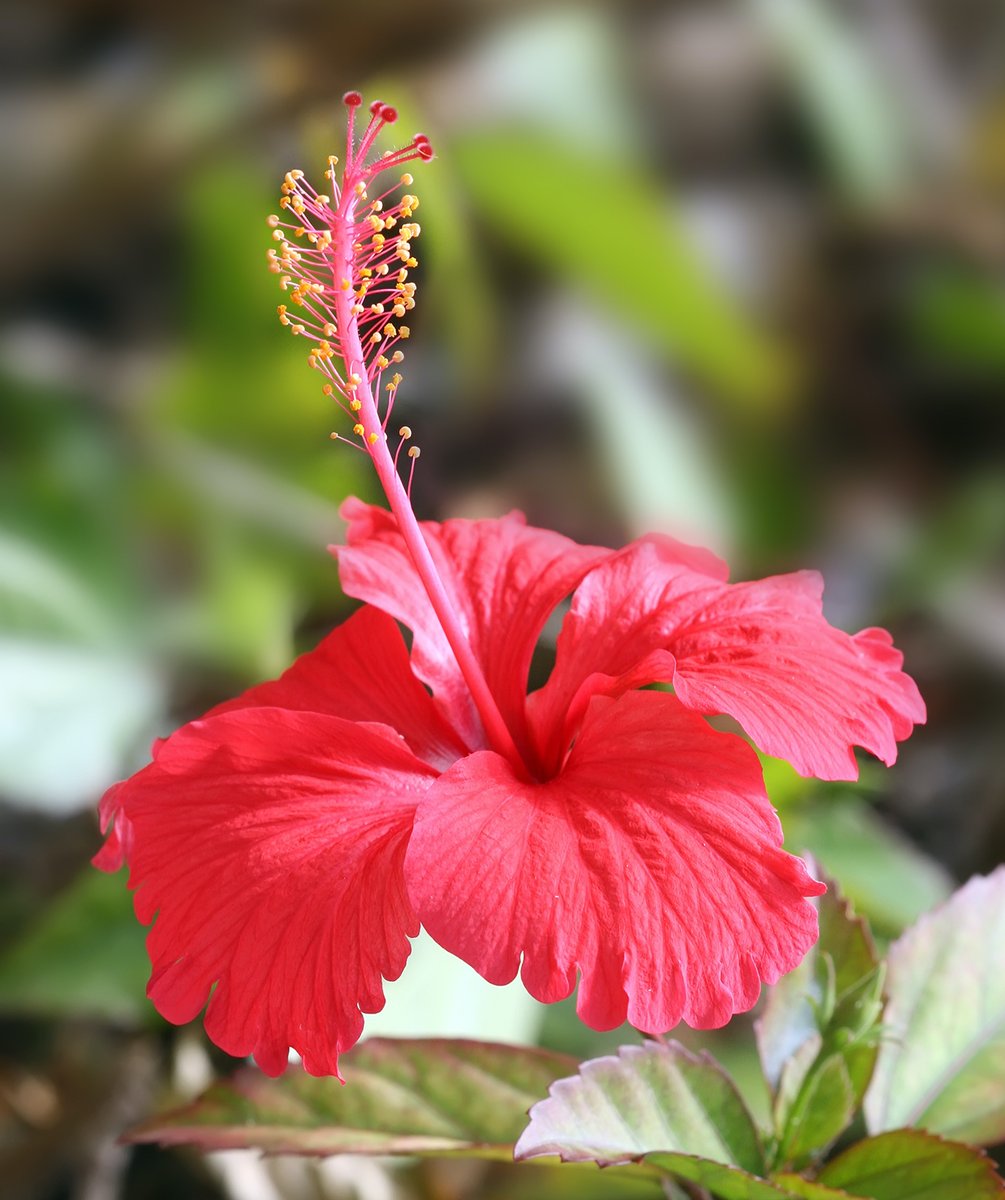
Herb number 12: Hibiscus
Hibiscus when used in moderation is awesome, it can help:
-Reduce the growth of bacteria
-Protect the heart
-Protect the liver
-Help people with Marfan syndrome
-Reduce triglycerides
-Prevent pneumonia
-Support the immune system
-Help with PMS
pubmed.ncbi.nlm.nih.gov
pubmed.ncbi.nlm.nih.gov
pubmed.ncbi.nlm.nih.gov
pubmed.ncbi.nlm.nih.gov
Hibiscus when used in moderation is awesome, it can help:
-Reduce the growth of bacteria
-Protect the heart
-Protect the liver
-Help people with Marfan syndrome
-Reduce triglycerides
-Prevent pneumonia
-Support the immune system
-Help with PMS
pubmed.ncbi.nlm.nih.gov
pubmed.ncbi.nlm.nih.gov
pubmed.ncbi.nlm.nih.gov
pubmed.ncbi.nlm.nih.gov
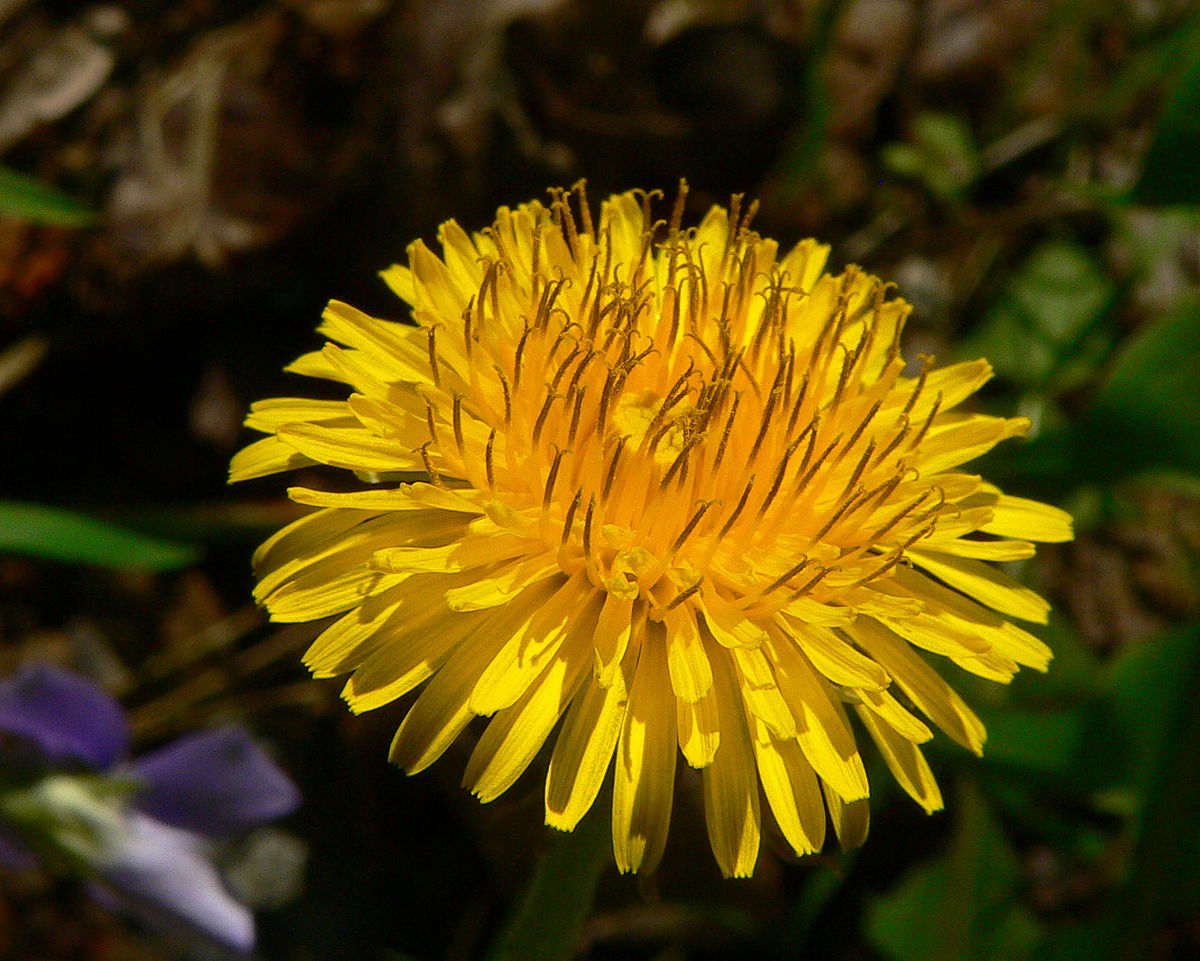
Herb number 13: Dandelion.
"What?! This dumb flower?"
Yeap, do not underestimate it. It's quite powerful.
This one is great for:
-Helping you balance your blood sugar
-Fighting inflammation
-Lowering triglycerides
-Protecting your liver
-Protecting your gut
-Helping your immune system
pubmed.ncbi.nlm.nih.gov
pubmed.ncbi.nlm.nih.gov
pubmed.ncbi.nlm.nih.gov
pubmed.ncbi.nlm.nih.gov
"What?! This dumb flower?"
Yeap, do not underestimate it. It's quite powerful.
This one is great for:
-Helping you balance your blood sugar
-Fighting inflammation
-Lowering triglycerides
-Protecting your liver
-Protecting your gut
-Helping your immune system
pubmed.ncbi.nlm.nih.gov
pubmed.ncbi.nlm.nih.gov
pubmed.ncbi.nlm.nih.gov
pubmed.ncbi.nlm.nih.gov
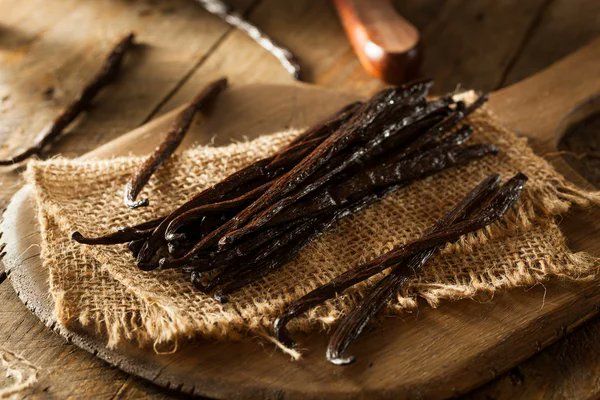
Herb number 14: Vanilla.
"GEORGE COME ON".
Yeap, if you want to imrpove your brain health, vanilla is great and it's not a joke.
pmc.ncbi.nlm.nih.gov
Overall it's great for:
-The health of dopaminergic neurons
-Restoring glutathione
-Brain health
-Lowering oxidative stress
"GEORGE COME ON".
Yeap, if you want to imrpove your brain health, vanilla is great and it's not a joke.
pmc.ncbi.nlm.nih.gov
Overall it's great for:
-The health of dopaminergic neurons
-Restoring glutathione
-Brain health
-Lowering oxidative stress
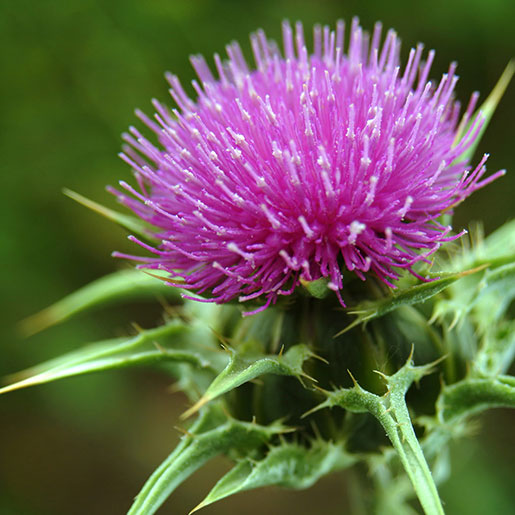
Herb number 15: Milk thistle.
Did you recently find out that you have hemocrhomatosis?
Relax, milk thistle is great for that.
It also:
-Is great for people with T2D
-Improves digestion (better than ginger a lot of times)
-Is great for skin health
-Supports the immune system
pubmed.ncbi.nlm.nih.gov
ncbi.nlm.nih.gov
Did you recently find out that you have hemocrhomatosis?
Relax, milk thistle is great for that.
It also:
-Is great for people with T2D
-Improves digestion (better than ginger a lot of times)
-Is great for skin health
-Supports the immune system
pubmed.ncbi.nlm.nih.gov
ncbi.nlm.nih.gov
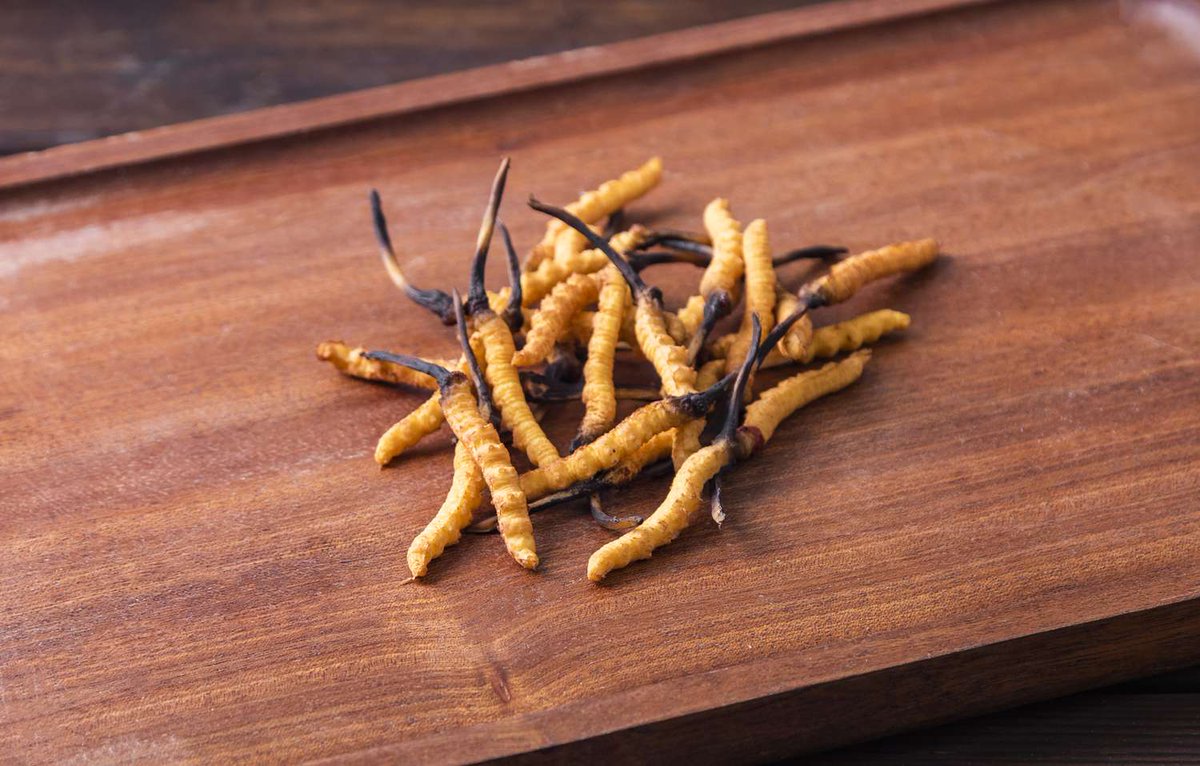
Herb number 15: Cordyceps (sinensis and militaris)
This is quite expensive, but damn, does it work when it comes to improving athletic performance.
Cordyceps improves the way our bodies use oxygen, reduces bone loss, has anti-aging properties, improves kidney function, skyrockets libido and can help battle certain types of cancer.
pubmed.ncbi.nlm.nih.gov
pubmed.ncbi.nlm.nih.gov
pubmed.ncbi.nlm.nih.gov
pubmed.ncbi.nlm.nih.gov
This is quite expensive, but damn, does it work when it comes to improving athletic performance.
Cordyceps improves the way our bodies use oxygen, reduces bone loss, has anti-aging properties, improves kidney function, skyrockets libido and can help battle certain types of cancer.
pubmed.ncbi.nlm.nih.gov
pubmed.ncbi.nlm.nih.gov
pubmed.ncbi.nlm.nih.gov
pubmed.ncbi.nlm.nih.gov
Made a type, that was number 16.
I'm sorry for writing my own threads and not putting your health on the hands of some 18 yo copywriter whose goal in life is to buy a datejust.
I'm sorry for writing my own threads and not putting your health on the hands of some 18 yo copywriter whose goal in life is to buy a datejust.
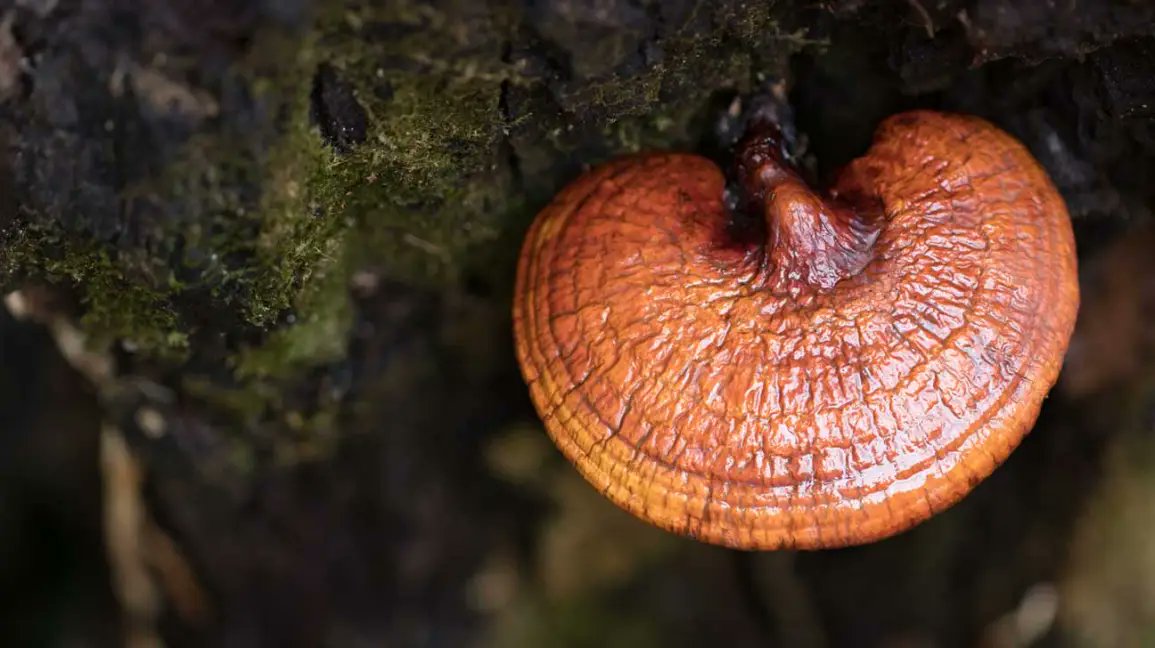
Herb number 17: Reishi.
This is also quite potent.
Ganoderma lucidum (reishi) is a (very) bitter mushroom that has been used in Eastern medicine for centuries if not more and it's been used to treat a variety of conditions such as:
-Fatigue
-High blood pressure
-Allergies and asthma
-Autoimmune diseases
-Infections
-Cardiovascular disease
-Alzheimer's disease
-Hashimoto's disease
-Adrenal fatigue
pubmed.ncbi.nlm.nih.gov
pubmed.ncbi.nlm.nih.gov
pubmed.ncbi.nlm.nih.gov
pubmed.ncbi.nlm.nih.gov
pubmed.ncbi.nlm.nih.gov
This is also quite potent.
Ganoderma lucidum (reishi) is a (very) bitter mushroom that has been used in Eastern medicine for centuries if not more and it's been used to treat a variety of conditions such as:
-Fatigue
-High blood pressure
-Allergies and asthma
-Autoimmune diseases
-Infections
-Cardiovascular disease
-Alzheimer's disease
-Hashimoto's disease
-Adrenal fatigue
pubmed.ncbi.nlm.nih.gov
pubmed.ncbi.nlm.nih.gov
pubmed.ncbi.nlm.nih.gov
pubmed.ncbi.nlm.nih.gov
pubmed.ncbi.nlm.nih.gov
Herb number 18: Calendula.
This is also quite a neglected flower, yet it is great for:
-Your skin
-Your gut
-Your brain
-Fighting pathogens
-Supporting oral health
-PMS
-Fatigue
pubmed.ncbi.nlm.nih.gov
pubmed.ncbi.nlm.nih.gov x.com
This is also quite a neglected flower, yet it is great for:
-Your skin
-Your gut
-Your brain
-Fighting pathogens
-Supporting oral health
-PMS
-Fatigue
pubmed.ncbi.nlm.nih.gov
pubmed.ncbi.nlm.nih.gov x.com


pubmed.ncbi.nlm.nih.gov/24969522/
In vitro anti-leishmanial activity of methanolic extracts of Calendula officinalis flowers, Datura stramonium seeds, and Salvia officinalis leaves - PubMed
This study demonstrates the potential efficacy of the methanolic extracts of C. officinalis flowers,...

pubmed.ncbi.nlm.nih.gov/22789794/
Antimicrobial activity of Calendula officinalis petal extracts against fungi, as well as Gram-negative and Gram-positive clinical pathogens - PubMed
The aim of the present study was to assess the antimicrobial activity of methanol and ethanol extrac...
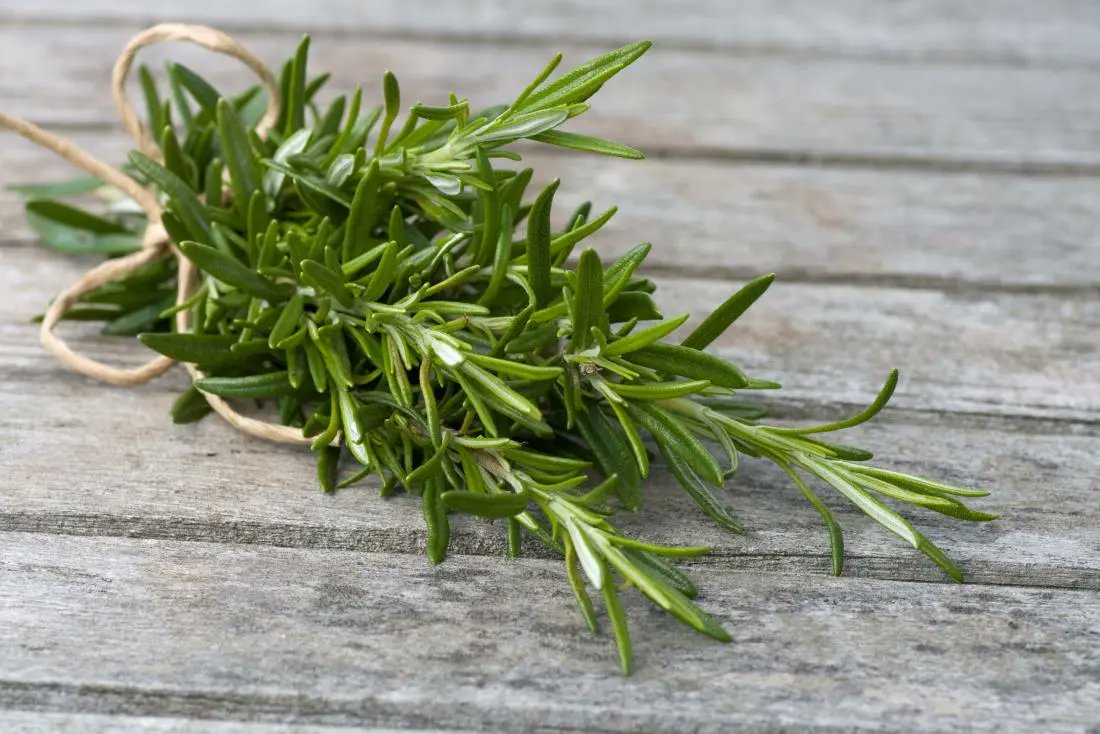
Herb number 19: Rosemary.
Besides making your steaks taste better (typing the word steak deep in a fast wasn't a good idea in hindsight), rosemary can help you with:
-Supporting brain health
-Battling pathogen-related gut issues
-Hair loss (topically)
-Improving your memory
-Supporting eye health
-Balancing your blood sugar
-Lowering inflammation
pmc.ncbi.nlm.nih.gov
pubmed.ncbi.nlm.nih.gov
Besides making your steaks taste better (typing the word steak deep in a fast wasn't a good idea in hindsight), rosemary can help you with:
-Supporting brain health
-Battling pathogen-related gut issues
-Hair loss (topically)
-Improving your memory
-Supporting eye health
-Balancing your blood sugar
-Lowering inflammation
pmc.ncbi.nlm.nih.gov
pubmed.ncbi.nlm.nih.gov
Herb number 20: Ginseng.
Some of its benefits inclue:
-Anti-inflammatory
-Improved cognition
-Could help men with ED
-It’s an aphrodisiac
-Could help with blood sugar regulation and control the HPA-axis/release of stress hormones x.com
Some of its benefits inclue:
-Anti-inflammatory
-Improved cognition
-Could help men with ED
-It’s an aphrodisiac
-Could help with blood sugar regulation and control the HPA-axis/release of stress hormones x.com

*Running out of space so more than one are discussed in this tweet*
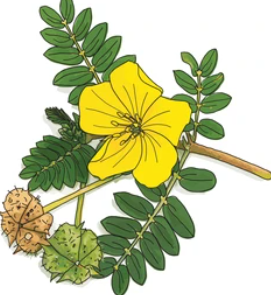
Herb number 21: Tribulus Terrestris
Some benefits: Aphrodisiac, pro dopamine, mild heart protective and blood sugar lowering properties, mild immune system supportive benefits.
"What about testosterone? Doesn’t tribulus increase testosterone?"
No, not directly. Tribulus can help you upregulate androgen receptors, DHEA and DHT.
Herb number 23: Tongkat Ali
Some benefits: Can lower aromatase, aphrodisiac (for men mostly), increases free testosterone, DHT and DHEA, can lower prolactin, pro dopamine, anti microbial, can improve fertility, can lower urea and is kidney protective.
Herb number 24: Fadogia agrestis
Some benefits: Pretty intense aphrodisiac for most males, pro fertility, pro testosterone, mild antimicrobial, can improve glucose metabolism.
Herb number 25: Maca
Some benefits: Great aphrodisiac, has some minerals, mild fertility enhancing properties, can balance blood pressure, it seems to has some progesterone boosting effects, pro dopamine.
Herb number 21: Tribulus Terrestris
Some benefits: Aphrodisiac, pro dopamine, mild heart protective and blood sugar lowering properties, mild immune system supportive benefits.
"What about testosterone? Doesn’t tribulus increase testosterone?"
No, not directly. Tribulus can help you upregulate androgen receptors, DHEA and DHT.
Herb number 23: Tongkat Ali
Some benefits: Can lower aromatase, aphrodisiac (for men mostly), increases free testosterone, DHT and DHEA, can lower prolactin, pro dopamine, anti microbial, can improve fertility, can lower urea and is kidney protective.
Herb number 24: Fadogia agrestis
Some benefits: Pretty intense aphrodisiac for most males, pro fertility, pro testosterone, mild antimicrobial, can improve glucose metabolism.
Herb number 25: Maca
Some benefits: Great aphrodisiac, has some minerals, mild fertility enhancing properties, can balance blood pressure, it seems to has some progesterone boosting effects, pro dopamine.
Bonus part: List of other herbs that paying attention to is a good idea when you have the time.
-Andrographis
-Mulungu bark
-Magnolia bark
-Astragalus
-Catua bark
-Batterfly pea
-Valerian
-Holy basil
-Lemon balm
-Rhodiola
The benefits of these range from the immune system all the way to anxiety and sleep.
pubmed.ncbi.nlm.nih.gov
-Andrographis
-Mulungu bark
-Magnolia bark
-Astragalus
-Catua bark
-Batterfly pea
-Valerian
-Holy basil
-Lemon balm
-Rhodiola
The benefits of these range from the immune system all the way to anxiety and sleep.
pubmed.ncbi.nlm.nih.gov
That was pretty much it.
I hope that you found this useful.
If you did make sure to leave a like/RT.
x.com
I hope that you found this useful.
If you did make sure to leave a like/RT.
x.com
And if you enjoyed this thread, you will love this.
fitandball.gumroad.com
fitandball.gumroad.com

Loading suggestions...