Dilan Esper
Dilan Esper

@dilanesper

20 tweets 1 reads Feb 07, 2025
Around 1900, Argentina was something like the third richest country in the world. Anyone who visits Buenos Aires can see this-- there are majestic, still standing buildings from Argentina's golden era. Buildings that used to host some of the world's great corporations.
Nowadays Argentina is 71st richest in the world, with per capita national income of around $12,000 a year.
What happened? Juan Peron happened. Or, to be more specific, Peronism happened. Argentina became obsessed with making everything itself and not trading.
If you go to the stores in Argentina, you will see the packaging on the various products, from orange juice to consumer goods. "Industria Argentina". Made in Argentina. Even now, Argentine consumers care about this. And it makes them poorer.
How did Argentina become rich? Spanish colonialism. It was the port for Spain's South American colonies-- ships would unload cargo at Puerto Madero which would then be shipped to Spain's capitals in Lima, Santiago, La Paz, Asuncion, etc.
After San Martin came on the scene and won Argentina's independence (along with Chile's and Peru's), Buenos Aires continued to be the port for much of South America and a crucial trading stop. And the porteΓ±os got rich. Buenos Aires became an opulent city.
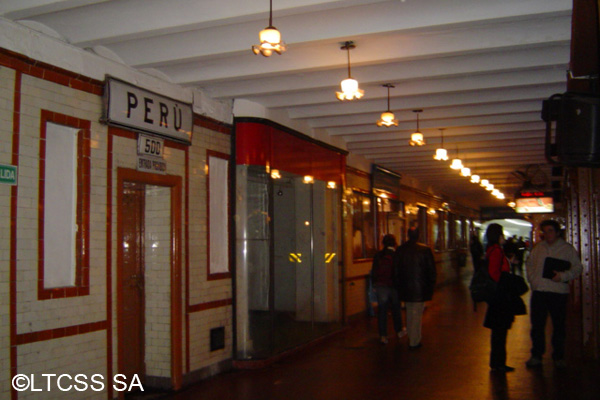
Buenos Aires built a beautiful Metro system, the Subte, in 1913 with its riches, back when few nations had them and they were unheard of in Latin America.
But even if your 20th Century Argentine history comes from Andrew Lloyd Weber, you know what happens next.
Juan Peron isn't easily slotted as left or right, but he was populist. And his message to the campesiΓ±os was very similar to what President Trump tells our working class-- that foreign trade had screwed them.
If you were lucky enough to work for Ford Buenos Aires, you were good, but if you were poor, all those foreign corporations were putting you out of work.
Peron's solution to this was to nationalize businesses, bring jobs back to Argentina, and employ a policy of autarky.
And while Peron fell in and out of favor for the next 30 years, the damage was done. Argentina, once a country full of foreign investment, became a debtor nation which couldn't generate capital inflows to pay its obligations. Defaults and currency devaluations became common.
Until Millei was elected, each and every Argentine government, left or right, at least paid lip service to Peron and promised to keep manufacturing in Argentina. Some cut budgets, others raised taxes, others defaulted. But nobody ran against Peronism.
Argentina looks like it might finally be recovering. But all that lost wealth-- that drop from 3rd to 71st-- is never coming back. It's lost.
And this is why the Orthodox economic view is that free trade is good policy.
Yes, countries have done a lousy job at addressing the needs of communities whose factories have shut down. And the political system has to be responsive to that. I get that. Trump and Brexit both capitalized on those real feelings.
But at the end of the day, Peronism makes you poorer.
(P.S.: Argentina is my favorite country that I have ever visited. The porteΓ±os are friendly, trendy, and ironic. Buenos Aires is clean and beautiful. The culture-- tangos, dog walkers, "telos" where people sneak off for clandestine hook-ups-- is indescribable.)
(One correction: when the Spaniards used the port of Buenos Aires, it wasn't called Puerto Madero yet. That name was attached when the Argentines rebuilt and improved the port in the 19th Century.)
(Doing some noodling around on this, Argentina's wealth seems to have peaked right around 1913 when they built the Subte. At that point, the country was wealthier than either France or Germany!)
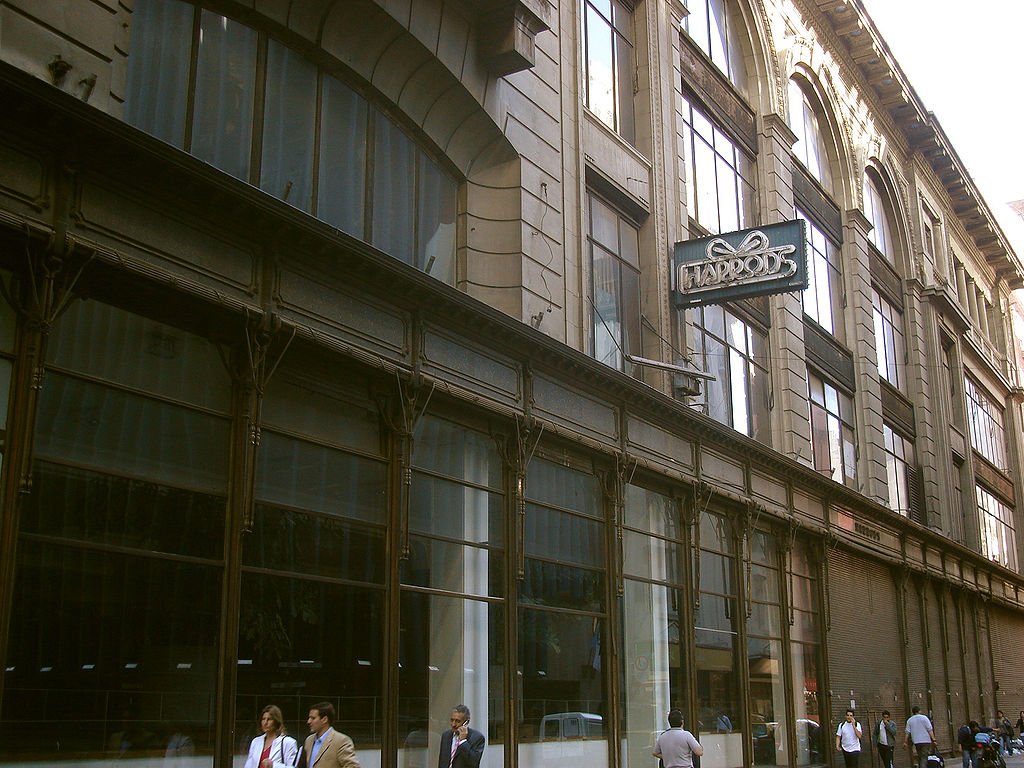
The Buenos Aires branch of Harrod's, long closed. It opened in 1914, right when everything was at maximum boom.
The Peru station, in the oldest part of the Subte. The transit authority preserves it.
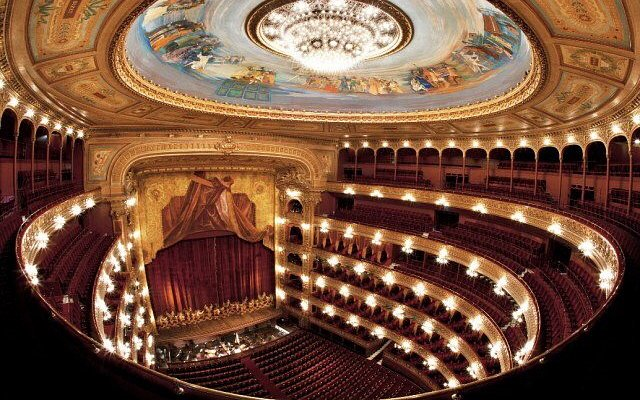
The Teatro Colon, constructed in 1889. Still one of the premier opera houses in the world.
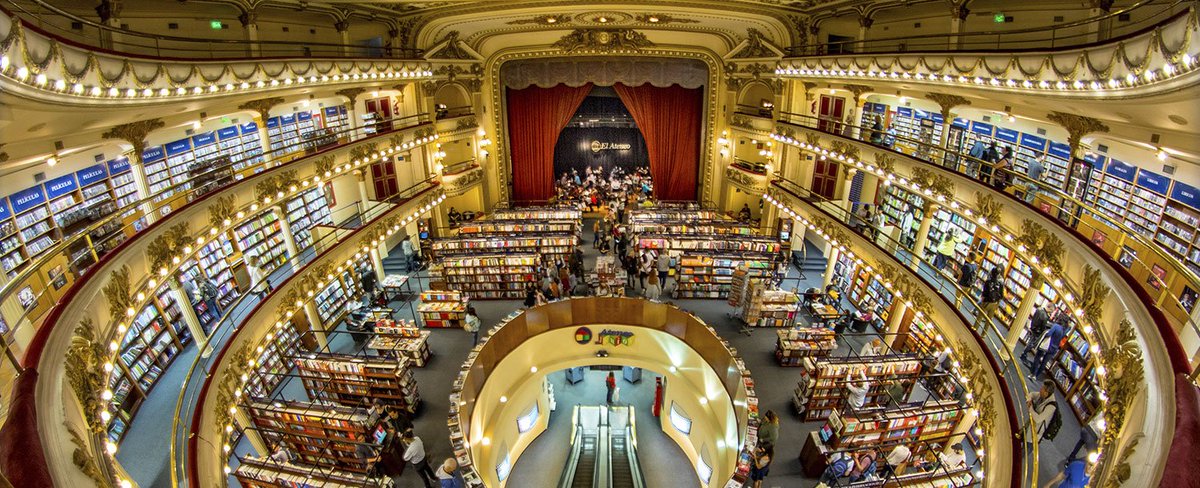
Buenos Aires is a literary city, the city of Borges, dotted with bookstores. The best is El Ataneo Grand Splendid, a converted theater built in 1919 as part of the boom.

Report this thread