

⏳ Your chronotype—night owl or morning lark—determines when you perform at your best.
Here's how to align tasks with your body’s clock helps you work smarter, not harder. 1/10 🧵
Here's how to align tasks with your body’s clock helps you work smarter, not harder. 1/10 🧵
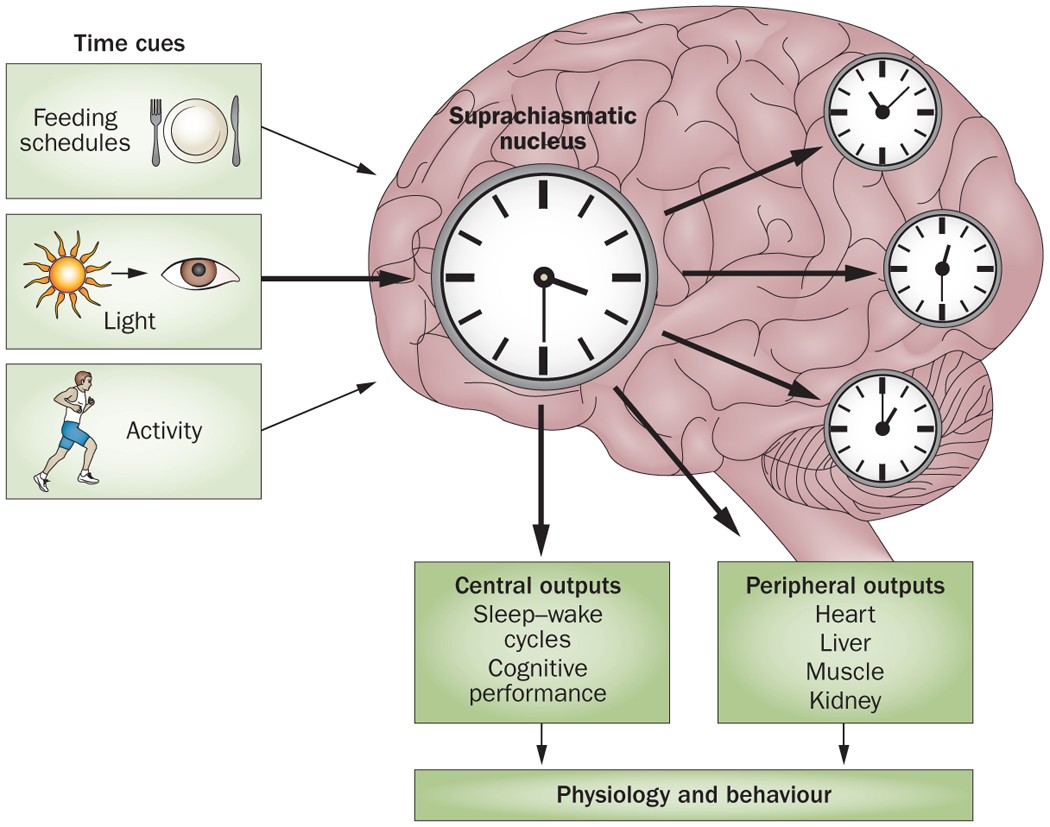
Researchers tested 56 healthy adults at 8 AM, 2 PM, and 8 PM to measure:
🧠 Cognitive performance (reaction time, executive function)
💪 Physical strength (grip strength)
😴 Sleepiness levels
Participants were classified as morning larks or night owls based on sleep patterns and circadian markers /2
🧠 Cognitive performance (reaction time, executive function)
💪 Physical strength (grip strength)
😴 Sleepiness levels
Participants were classified as morning larks or night owls based on sleep patterns and circadian markers /2
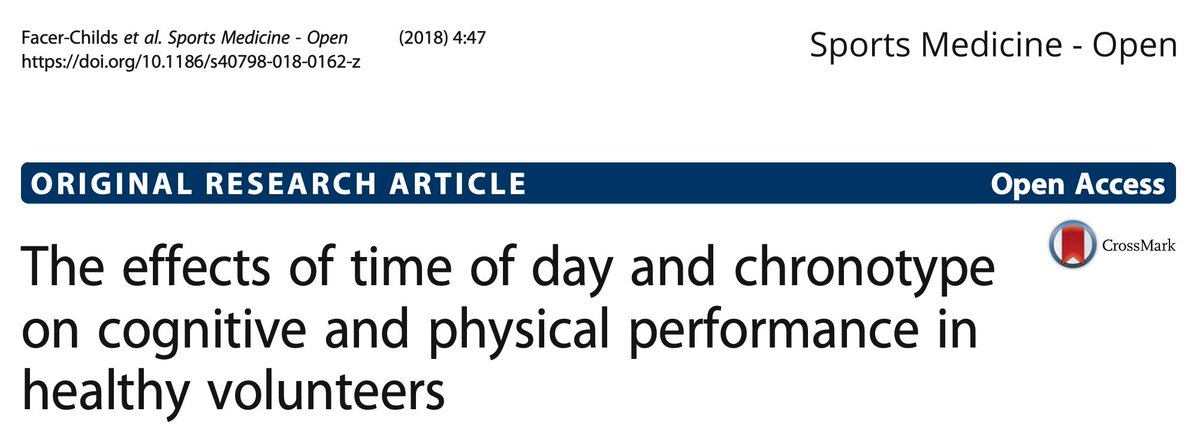
🦉 Night Owls (LCTs) perform best later in the day
➡️ At 8 PM, they had 3.7% stronger grip strength than morning larks
⏳ Executive function peaked 12.6 hours after waking
⚡ Reaction time (PVT) peaked 12.6 hours post-wake
🏋️ Grip strength peaked at 12.6 hours post-wake /3 x.com
➡️ At 8 PM, they had 3.7% stronger grip strength than morning larks
⏳ Executive function peaked 12.6 hours after waking
⚡ Reaction time (PVT) peaked 12.6 hours post-wake
🏋️ Grip strength peaked at 12.6 hours post-wake /3 x.com
🌅 Morning Larks (ECTs) peak early
🕒 Executive function peaked almost immediately (0.2 hrs after waking)
⚡ Reaction time (PVT) was strongest right at wake-up
🏋️ Grip strength peaked 6.7 hours after waking /4
🕒 Executive function peaked almost immediately (0.2 hrs after waking)
⚡ Reaction time (PVT) was strongest right at wake-up
🏋️ Grip strength peaked 6.7 hours after waking /4
🦉 Night owls struggled in the morning.
At 8 AM, night owls performed significantly worse than morning larks in all areas:
8.4% slower reaction time
5.9% worse executive function
7.4% weaker grip strength
Higher self-reported sleepiness /5
At 8 AM, night owls performed significantly worse than morning larks in all areas:
8.4% slower reaction time
5.9% worse executive function
7.4% weaker grip strength
Higher self-reported sleepiness /5
📖 Night Owl Protocol (Late Chronotypes)
Prioritize deep work and problem-solving in the evening (4-10 PM).
Avoid important decisions or intense tasks before 10 AM.
Exercising/sports competitions in the evening may align with peak strength. /6
Prioritize deep work and problem-solving in the evening (4-10 PM).
Avoid important decisions or intense tasks before 10 AM.
Exercising/sports competitions in the evening may align with peak strength. /6
🌅 Morning Lark Protocol (Early Chronotypes)
Do high-focus work in the morning (8 AM - 12 PM).
Schedule workouts/sports in the early afternoon when strength peaks.
Avoid mentally demanding tasks in the evening.
Stick to an early sleep schedule to maintain morning performance. /7
Do high-focus work in the morning (8 AM - 12 PM).
Schedule workouts/sports in the early afternoon when strength peaks.
Avoid mentally demanding tasks in the evening.
Stick to an early sleep schedule to maintain morning performance. /7
These findings could change how we approach:
Athletic training – athletes should compete when they're naturally at peak performance.
Work & study schedules – aligning tasks with chronotype could improve productivity.
Emergency shifts – some may perform better at optimized hours. /8
Athletic training – athletes should compete when they're naturally at peak performance.
Work & study schedules – aligning tasks with chronotype could improve productivity.
Emergency shifts – some may perform better at optimized hours. /8
Everyone is unique, and may have different routines work better for them. That said, night owls are generally more prone to certain health and performance risks. If you're looking for ways to shift your circadian clock, check out this thread: ⬇️
x.com
x.com
Optimizing performance starts with working with your body's internal clock. If you're a night owl forcing early mornings or a lark pushing late nights, you're likely not at your best. Aligning your schedule with your chronotype can help maximize focus, energy, and efficiency /10

Loading suggestions...