

A lotta people know the ins & outs of lifting.
Very few understand the MASSIVE role that mobility/joint work has on the amount of FORCE and EXPLOSIVE POWER you’re able to produce in those lifts.
(and the way it affects injuries)
Presenting: THE ULTIMATE MOBILITY THREAD
Very few understand the MASSIVE role that mobility/joint work has on the amount of FORCE and EXPLOSIVE POWER you’re able to produce in those lifts.
(and the way it affects injuries)
Presenting: THE ULTIMATE MOBILITY THREAD


Before I begin, I know that training mobility isn’t as sexy (or fun) as busssing out cable flys for a chest pump.
BUT…
If your goal is to get stronger, build more muscle, become a better athlete or avoid injuries – the ROI on this stuff is insane.
BUT…
If your goal is to get stronger, build more muscle, become a better athlete or avoid injuries – the ROI on this stuff is insane.
What I’m about to share will not only skyrocket your performance in the gym and on the track/field…
It’ll give you the fundamental understanding that you need to become an elite physical specimen in the present and well into old age.
I’m going to cover 4 key areas:
It’ll give you the fundamental understanding that you need to become an elite physical specimen in the present and well into old age.
I’m going to cover 4 key areas:
a) ANTAGONISTIC PAIRS
b) POSTURE
c) ABILITY TO HANDLE FORCE & STRETCH
d) ROTATION
Explaining everything in a way that is easy to UNDERSTAND with instructions on how to IMPLEMENT each concept so you can become and achieve everything I just mentioned.
Let’s get itttttt:
b) POSTURE
c) ABILITY TO HANDLE FORCE & STRETCH
d) ROTATION
Explaining everything in a way that is easy to UNDERSTAND with instructions on how to IMPLEMENT each concept so you can become and achieve everything I just mentioned.
Let’s get itttttt:
a) ANTAGONISTIC PAIRS
Think about great movies.
There’s always a protagonist (hero) and an antagonist (villain).
Now, if the protagonist was WAY stronger, won every battle and there was no serious competition the movie would suck ass.
In order for the story to be compelling…
Think about great movies.
There’s always a protagonist (hero) and an antagonist (villain).
Now, if the protagonist was WAY stronger, won every battle and there was no serious competition the movie would suck ass.
In order for the story to be compelling…
The protagonist and the antagonist need to be (near) equal in power.
Both capable of applying the same force upon one another.
And it’s the same with muscle groups.
They work in opposing directions called ANTAGONISTIC PAIRS.
Both capable of applying the same force upon one another.
And it’s the same with muscle groups.
They work in opposing directions called ANTAGONISTIC PAIRS.
In an antagonistic muscle pair, as one muscle contracts the other relaxes or lengthens.
The muscle contracting is called the AGONIST and the one relaxing/lengthening is called the ANTAGONIST.
Some examples:
The muscle contracting is called the AGONIST and the one relaxing/lengthening is called the ANTAGONIST.
Some examples:
- Biceps & triceps
- Hamstrings & quads
- Glutes & hip flexors
- Chest & upper back
In order for you to have optimal mobility and avoid injury, these antagonistic pairs should be equally strong.
When they’re not…
- Hamstrings & quads
- Glutes & hip flexors
- Chest & upper back
In order for you to have optimal mobility and avoid injury, these antagonistic pairs should be equally strong.
When they’re not…
You get problems like rounded shoulders.
See the below picture of Conor Mcgregor.
In his case, it’s likely due to throwing thousands of punches in a PUSHING motion and neglecting to train his posterior musculature equally.
But it’s also ubiquitous in gym rats…
See the below picture of Conor Mcgregor.
In his case, it’s likely due to throwing thousands of punches in a PUSHING motion and neglecting to train his posterior musculature equally.
But it’s also ubiquitous in gym rats…

Guys who train chest & front delts at least 2x more than they train back & rear delts.
Leading to the anterior muscles being FAR stronger/tighter than the posterior...
... and causing the shoulders to round forwards.
Leading to the anterior muscles being FAR stronger/tighter than the posterior...
... and causing the shoulders to round forwards.
In order to AVOID this, you should focus on training each side of the antagonistic pair in a 1:1 ratio.
However if you already have this problem you need to start training in a 2:1 ratio in order to correct the imbalance (2x more pull sets than push).
However if you already have this problem you need to start training in a 2:1 ratio in order to correct the imbalance (2x more pull sets than push).
The same goes for all antagonistic pairs.
For optimal mobility and minimum risk of injury...
You need to be training each side equally, or unequally if you’re working to correct imbalances due to incorrect training in the past.
But wait, it’s not just about avoiding injury…
For optimal mobility and minimum risk of injury...
You need to be training each side equally, or unequally if you’re working to correct imbalances due to incorrect training in the past.
But wait, it’s not just about avoiding injury…
Having imbalances in your antagonistic pairs impedes your ability to make strength gains.
The fact is, you’re probably capable of lifting a lot more weight than you currently do… however your body won’t let you.
Why?
The fact is, you’re probably capable of lifting a lot more weight than you currently do… however your body won’t let you.
Why?
Because you don’t have the antagonistic stability to bear the force.
When bench pressing for example, your chest needs to be relaxed in order to achieve the full range of motion…
When bench pressing for example, your chest needs to be relaxed in order to achieve the full range of motion…
But if you don’t have the strength in the antagonist muscle groups (upper back/rear delts) to oppose and stabilize the motor pattern...
your CNS will STOP you from injuring yourself by tightening the chest – restricting you from applying full force through the movement.
your CNS will STOP you from injuring yourself by tightening the chest – restricting you from applying full force through the movement.
To put it in general terms, when one side of the antagonistic pair is strong and the other is weak, your body will stop you from;
A) achieving the full range of motion
B) lifting with your full force capacity
As it tries to protect itself from harm.
A) achieving the full range of motion
B) lifting with your full force capacity
As it tries to protect itself from harm.
RECAP:
- Every muscle works in antagonistic pairs
- Imbalances lead to shitty posture, poor mobility & increased rate of injury
- Weakness in antagonist muscles restricts your ability to apply full force as your CNS tightens the agonist muscle to protect itself
NEXT ⬇
- Every muscle works in antagonistic pairs
- Imbalances lead to shitty posture, poor mobility & increased rate of injury
- Weakness in antagonist muscles restricts your ability to apply full force as your CNS tightens the agonist muscle to protect itself
NEXT ⬇
b) POSTURE
The human body is a work of creative genius.
Perfectly engineered & improved over millions of years so that we can walk, run, jump, throw in the most efficient and powerful manner.
However due to modern life, this work of art has been corrupted in the form of…
The human body is a work of creative genius.
Perfectly engineered & improved over millions of years so that we can walk, run, jump, throw in the most efficient and powerful manner.
However due to modern life, this work of art has been corrupted in the form of…
BAD posture.
See, proper posture exists so that the human body can function optimally.
It works in a way where the least strain is carried by supporting muscles and the most strain is carried by weight-bearing muscles.
Most people today have the opposite.
See, proper posture exists so that the human body can function optimally.
It works in a way where the least strain is carried by supporting muscles and the most strain is carried by weight-bearing muscles.
Most people today have the opposite.
Their anterior musculature is overdeveloped & tight and their posterior is undeveloped & weak (a.k.a. antagonistic imbalances), which results in the wrong muscles carrying the majority of the stress.
This is the ROOT of bad posture.
This is the ROOT of bad posture.
Conversely, for PERFECT posture, here’s an overview of the correct resting tension relationships for standing, walking or sitting;
- At the cervical spine (neck) we want the posterior of the neck to bear the majority of the mechanical tension, so the front can lengthen
- At the cervical spine (neck) we want the posterior of the neck to bear the majority of the mechanical tension, so the front can lengthen
- At the thoracic spine/shoulders, we want our rear delts/lats/upper back musculature to hold the majority of the tension, so the chest and shoulders can lengthen
- At the lumbar spine, we want our abdomen to bear the majority of the tension, so the spinal erectors can lengthen
- At the lumbar spine, we want our abdomen to bear the majority of the tension, so the spinal erectors can lengthen
- At the hip we want our glutes to bear the majority, so the hip flexors can lengthen
- At the knee we want our quad to bear the majority, so the hamstrings can lengthen
- At the ankle we want our tibialis to bear the majority, so the calf and soleus can lengthen
And finally…
- At the knee we want our quad to bear the majority, so the hamstrings can lengthen
- At the ankle we want our tibialis to bear the majority, so the calf and soleus can lengthen
And finally…
- At the foot, we want the forefoot and arch (especially outside edge) to bear the majority of the pressure.
I realize this can be hard to conceptualize, which is why I go deep on the actionable side of proper posture inside UNTAPPED ATHLETE.
I realize this can be hard to conceptualize, which is why I go deep on the actionable side of proper posture inside UNTAPPED ATHLETE.
Including proper form checks in the group chat/live calls to ensure the correct muscles are dominant while performing primary lifts.
(If you want in, simply DM me “YES” and I’ll send over the details.)
(If you want in, simply DM me “YES” and I’ll send over the details.)
c) ABILITY TO HANDLE FORCE & STRETCH
Most of you lift, but I’d bet very few of you spend time working your flexibility.
I get it, I was once that guy… but you need to understand that by NOT making range of motion a priority, you’re actively HURTING your ability to make gainz.
Most of you lift, but I’d bet very few of you spend time working your flexibility.
I get it, I was once that guy… but you need to understand that by NOT making range of motion a priority, you’re actively HURTING your ability to make gainz.
See, muscles grow when you place enough stress on them to create micro-tears, signaling them to grow stronger to handle the increased load.
So logically, when you lift across a greater range of motion, you create MORE tears because a larger part of the muscle is under stress.
So logically, when you lift across a greater range of motion, you create MORE tears because a larger part of the muscle is under stress.
What’s more, greater range of motion allows you to produce more FORCE because you’ve increased one of the variables.
Same strength across a longer muscle = more POWER.
Super important for lifting bros, essential for athletes who partake in any throwing, sprinting, etc.
Same strength across a longer muscle = more POWER.
Super important for lifting bros, essential for athletes who partake in any throwing, sprinting, etc.
What we’re essentially seeking here is a balance between STABILITY and MOBILITY.
You STRETCH in order to increase your range of motion and you LIFT in order to build strength at the ends of your range of motion.
Without this balance…
You STRETCH in order to increase your range of motion and you LIFT in order to build strength at the ends of your range of motion.
Without this balance…
You’ll either end up;
A) Too stable (most of you) = poor range of motion restricts you from achieving full power in lifts/athletic movements and building muscle mass
Or,
B) Too mobile = high risk of injury when load is applied to ends of range of motion
NEXT ⬇
A) Too stable (most of you) = poor range of motion restricts you from achieving full power in lifts/athletic movements and building muscle mass
Or,
B) Too mobile = high risk of injury when load is applied to ends of range of motion
NEXT ⬇
d) ROTATION
Like I said before, your BODY (and all of life) is intelligently and perfectly designed by something far more omniscient and omnipotent than we are as humans.
And it all follows a natural phenomenon known as the golden ratio or divine proportion.
Like I said before, your BODY (and all of life) is intelligently and perfectly designed by something far more omniscient and omnipotent than we are as humans.
And it all follows a natural phenomenon known as the golden ratio or divine proportion.
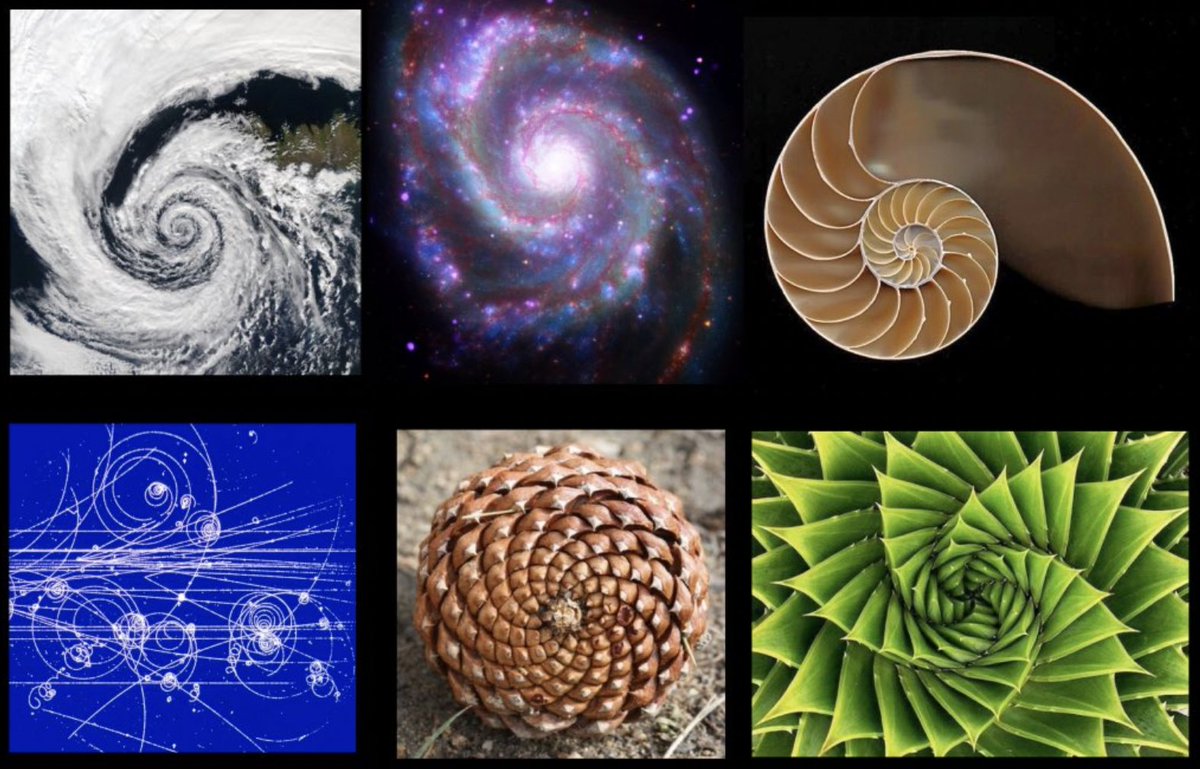
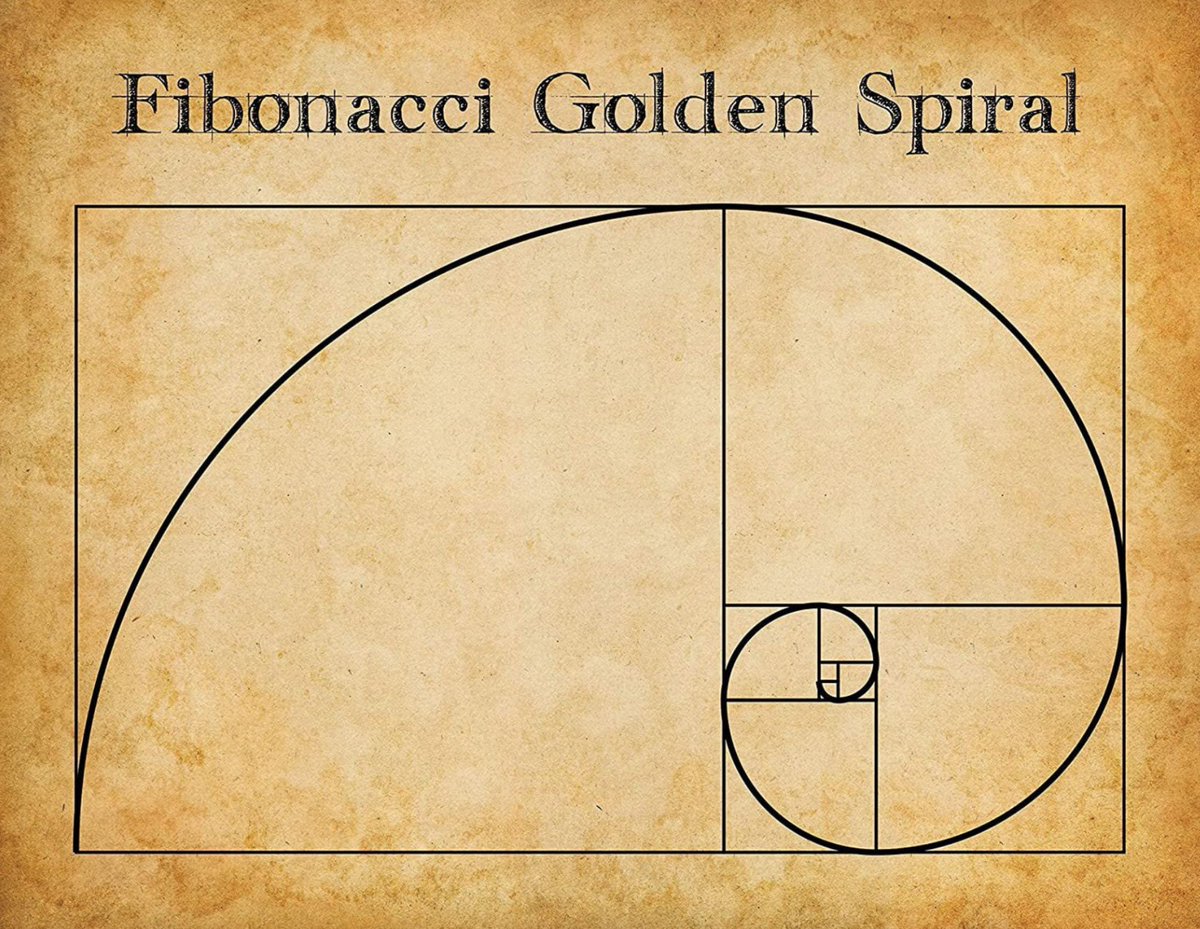
See, we’re not designed to move in a broken, up and down, singular plane.
We’re designed to move ROTATIONALLY – in the forms of bows, corners and oscillation.
Rather than flexion/extension, abduction/adduction, think in terms of COMPRESSION and EXPANSION.
We’re designed to move ROTATIONALLY – in the forms of bows, corners and oscillation.
Rather than flexion/extension, abduction/adduction, think in terms of COMPRESSION and EXPANSION.
The truth is, every motion is ROTATION through either;
Joint Flexion: Compression
Joint Extension: Expansion
Joint Adduction: Compression
Joint Abduction: Expansion
Inhaling: Lung Expansion
Exhaling: Lung Compression
Think about a bicep curl…
Joint Flexion: Compression
Joint Extension: Expansion
Joint Adduction: Compression
Joint Abduction: Expansion
Inhaling: Lung Expansion
Exhaling: Lung Compression
Think about a bicep curl…
It may seem very up & down, and it is relative to its movement in space…
But in terms of the TORQUE created at a joint, it is COMPRESSION rotationally at the elbow joint.
When you start thinking this way you begin to tap into the systems that elite athletes use.
But in terms of the TORQUE created at a joint, it is COMPRESSION rotationally at the elbow joint.
When you start thinking this way you begin to tap into the systems that elite athletes use.
And not just elite athletes – indigenous populations, wild animals, even babies…
They all do this INSTINCTIVELY.
Perfect timing,
Head, shoulders, core, hips, knees, ankles, all moving toward the direction of intended movement.
The result?
They all do this INSTINCTIVELY.
Perfect timing,
Head, shoulders, core, hips, knees, ankles, all moving toward the direction of intended movement.
The result?
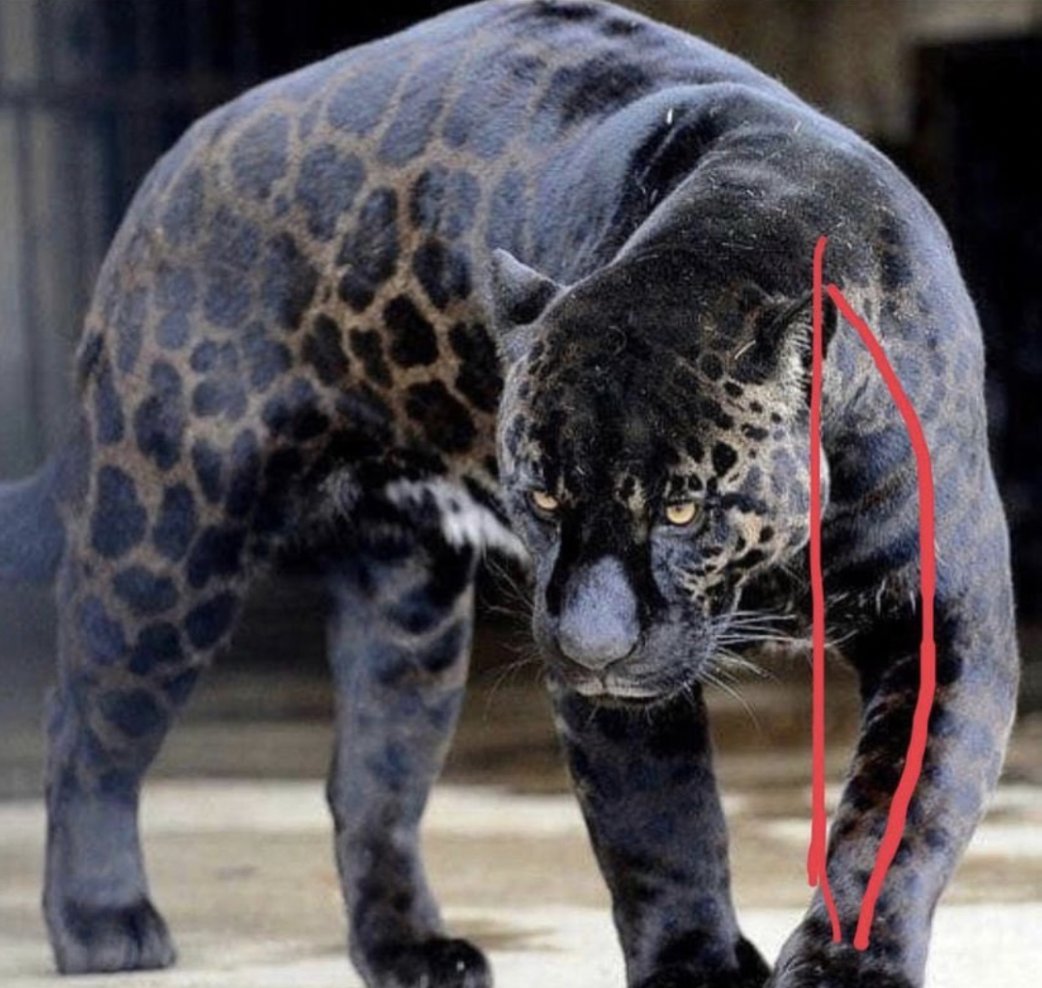
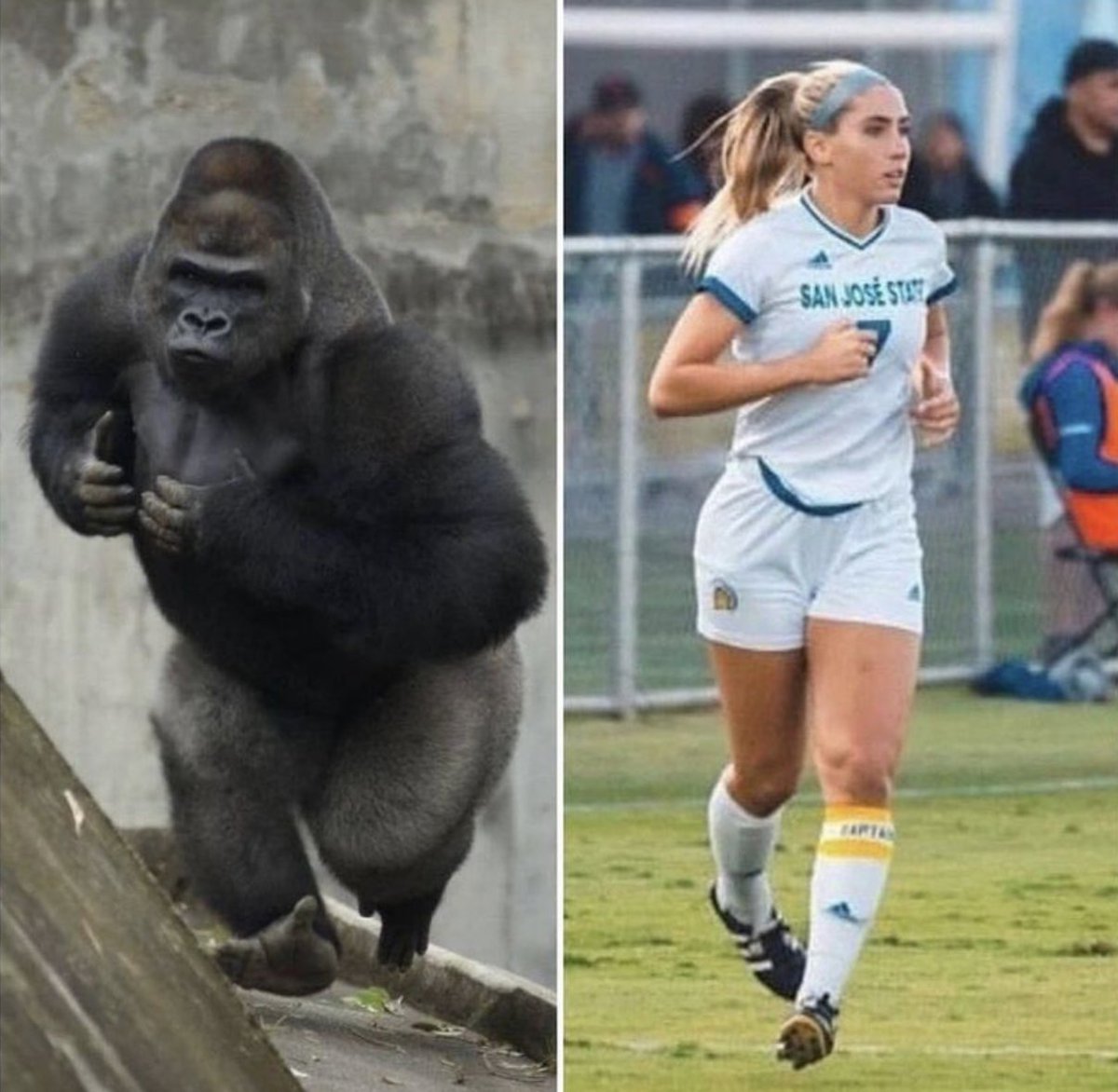

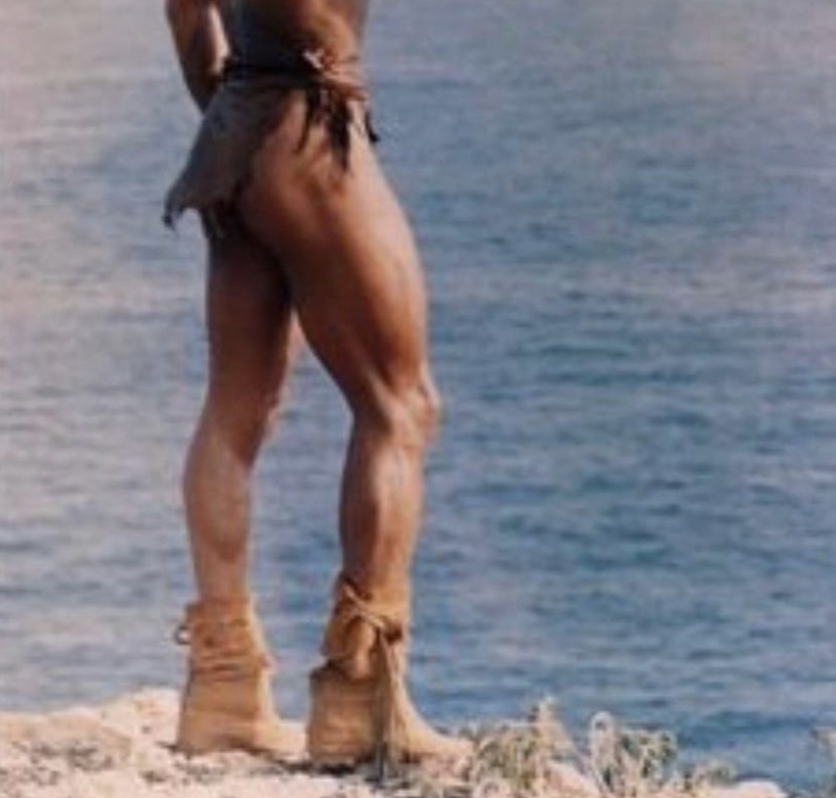
They’re able to run, jump, throw, swing, punch, climb, swim and crawl with maximum EFFICIENCY and FORCE.
I’m talking longer ranges of motion/mobility as well as strength & explosive power WITHOUT getting injured or having pain.
Levels of athleticism you never thought possible.
I’m talking longer ranges of motion/mobility as well as strength & explosive power WITHOUT getting injured or having pain.
Levels of athleticism you never thought possible.
So how do YOU apply this to your training and mobility work?
1 word:
1 word:
GOATA.
These guys have done an unbelievable job of innovating this concept and simplifying it into easily understandable terms.
There’s too much to go into in this thread, but to learn more either google it (there’s a ton of free game online), OR…
These guys have done an unbelievable job of innovating this concept and simplifying it into easily understandable terms.
There’s too much to go into in this thread, but to learn more either google it (there’s a ton of free game online), OR…
You can join UNTAPPED ATHLETE where we have a ton of actionable information/training programs on it and you can get all your questions answered by me as you incorporate this vital element into your training.
So to recap everything…
So to recap everything…
The 4 pillars of mobility:
a) ANTAGONISTIC PAIRS
b) POSTURE
c) ABILITY TO HANDLE FORCE & STRETCH
d) ROTATION
a) ANTAGONISTIC PAIRS
b) POSTURE
c) ABILITY TO HANDLE FORCE & STRETCH
d) ROTATION
Applying these core concepts to your training is the key to making QUANTUM LEAPS in your strength and power.
Heavier lifts, explosive movement, athleticism beyond your imagination.
All of that, whilst avoiding…
Heavier lifts, explosive movement, athleticism beyond your imagination.
All of that, whilst avoiding…
Career-ending/nagging injuries in the short term and crippling immobility in the long term as you age.
I hope you found this thread inspiring!
Please remember that training WITHOUT all of this stuff is still better than NOT training at all…
I hope you found this thread inspiring!
Please remember that training WITHOUT all of this stuff is still better than NOT training at all…
This is simply the BEST way to train if your goal is elite performance.
It’s been an absolute game-changer for me and I look forward to the day when I’m 80, running laps around 40-year-olds.
⬇️ ⬇️
It’s been an absolute game-changer for me and I look forward to the day when I’m 80, running laps around 40-year-olds.
⬇️ ⬇️
If you enjoyed this read and feel like it would benefit others, I’d much appreciate you giving the thread a RT down below 🥂
Loading suggestions...