

It’s National Dietetics Day today!
Theme for this year is Mighty Millets&3A’s(Availability,Accessibility,Affordability)
Millets like ragi,jowar are extremely important for a healthy Lifestyle
A🧵thread on different types of millets&how u can include them in ur diet
Let’s go👇
Theme for this year is Mighty Millets&3A’s(Availability,Accessibility,Affordability)
Millets like ragi,jowar are extremely important for a healthy Lifestyle
A🧵thread on different types of millets&how u can include them in ur diet
Let’s go👇
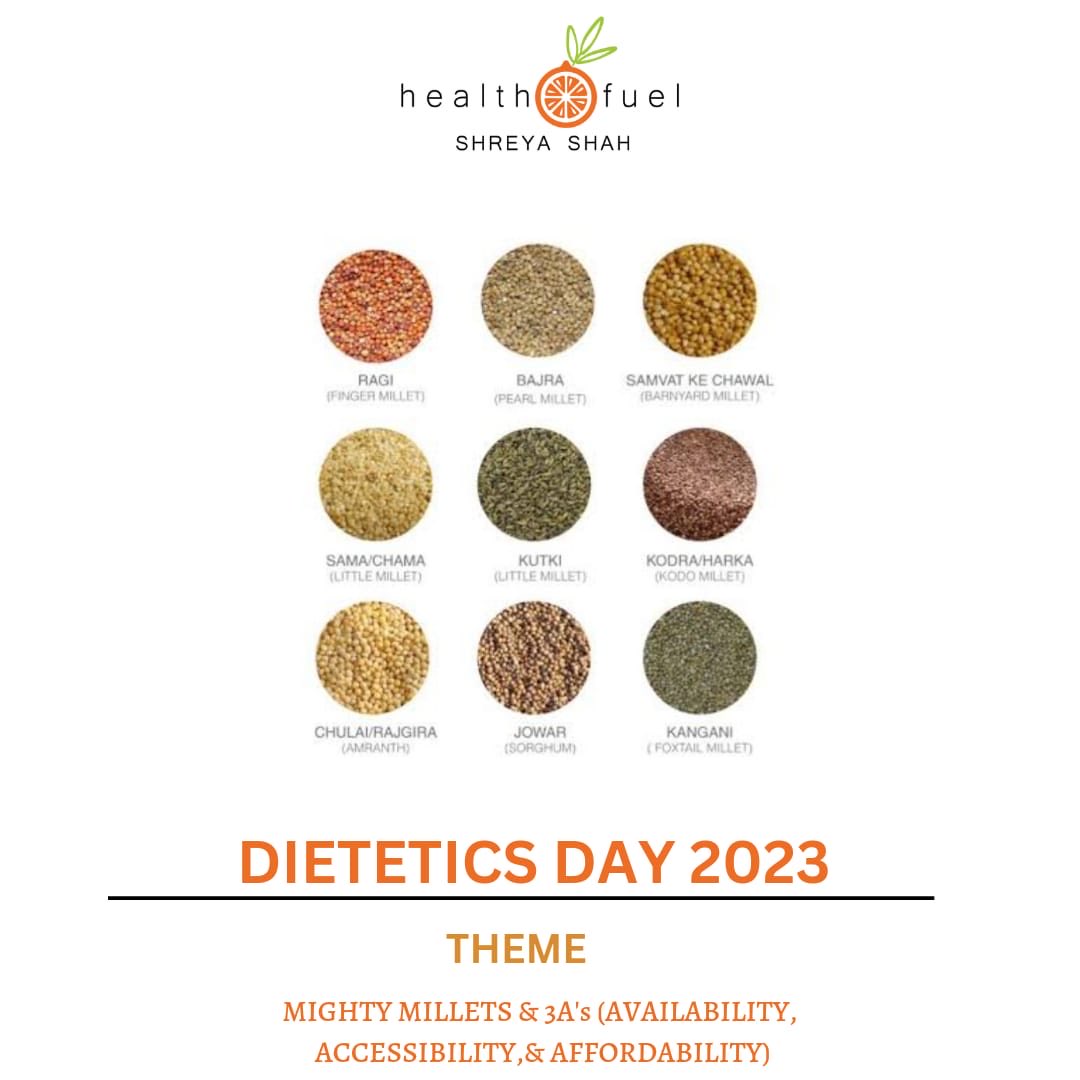
🔸Millets are a powerhouse of nutrients &minerals, and are often called nutri-cereals.
Millets are coarse grains that are traditionally grown and consumed in the Indian subcontinent for over years. They have high nutritional value& are rich in proteins,vitamins,minerals,&fibre.
Millets are coarse grains that are traditionally grown and consumed in the Indian subcontinent for over years. They have high nutritional value& are rich in proteins,vitamins,minerals,&fibre.
Unlike other cereals, millets require little water and ground fertility. The sheer affordability of millets also tags them as “poor man’s food grain”. The world is now noticing millets for their enormous potential.
🔸Health benefits of Millets;
▪️Digestive health
Millet contains fibre, which contributes to digestive health&helps to regulate bowel movement
Millet also has prebiotics,which stimulate the growth of probiotics within the microbiome. This is imp for gut health& immune system
▪️Digestive health
Millet contains fibre, which contributes to digestive health&helps to regulate bowel movement
Millet also has prebiotics,which stimulate the growth of probiotics within the microbiome. This is imp for gut health& immune system
Millet is very helpful and trusted Source for people with celiac disease or gluten intolerance because it is gluten-free.
▪️Heart Health
Millets are an excellent source of antioxidants, which have been shown to reduce LDL cholesterol levels and total cholesterol and keep blood vessels healthy. These antioxidants play a crucial role in lowering the risk of heart disease and stroke.
Millets are an excellent source of antioxidants, which have been shown to reduce LDL cholesterol levels and total cholesterol and keep blood vessels healthy. These antioxidants play a crucial role in lowering the risk of heart disease and stroke.
▪️For diabetics:
Low GI (Glycemic Index) grain naturally, millets are digested&absorbed slowly, when eaten along with good protein&fat, causing a slower and smaller spike in blood sugar levels.
Millets have same amt of carbs hence must b used in d recommended allowance.
Low GI (Glycemic Index) grain naturally, millets are digested&absorbed slowly, when eaten along with good protein&fat, causing a slower and smaller spike in blood sugar levels.
Millets have same amt of carbs hence must b used in d recommended allowance.
▪️Improving mood
Millet can improve a person’s mood due to the high concentration of the amino acid, tryptophan.
Millet can improve a person’s mood due to the high concentration of the amino acid, tryptophan.
▪️Rich in protein:
Millet contain good amount of protein, when compared to wheat and rice. At the same time, the amino acid profile in it is an incomplete one, but on pairing it with a lentil or a legume, it becomes a complete protein.
Millet contain good amount of protein, when compared to wheat and rice. At the same time, the amino acid profile in it is an incomplete one, but on pairing it with a lentil or a legume, it becomes a complete protein.
▪️Managing Anemia
Most of the millets such as Ragi, Kodo, Foxtail Millet & Barnyard millets are a rich source of Folic acid & Iron, which help prevent & fight Anemia, thereby also boosting one’s fertility.
Most of the millets such as Ragi, Kodo, Foxtail Millet & Barnyard millets are a rich source of Folic acid & Iron, which help prevent & fight Anemia, thereby also boosting one’s fertility.
▪️weight management - Including millets in your regular diet can help with weight loss, according to studies. Millets are a type of whole grain packed with nutrients and fibre, which can help promote fullness and prevent overeating.
🔸Types Of Millet
▪️Finger Millet(Ragi)
This millet is high in calcium&has iron that is more bioavailable for the body. So, even though ragi may not be super high in iron, it is easily absorbed. it is commonly used to treat anaemia in low income group women and children.
▪️Finger Millet(Ragi)
This millet is high in calcium&has iron that is more bioavailable for the body. So, even though ragi may not be super high in iron, it is easily absorbed. it is commonly used to treat anaemia in low income group women and children.
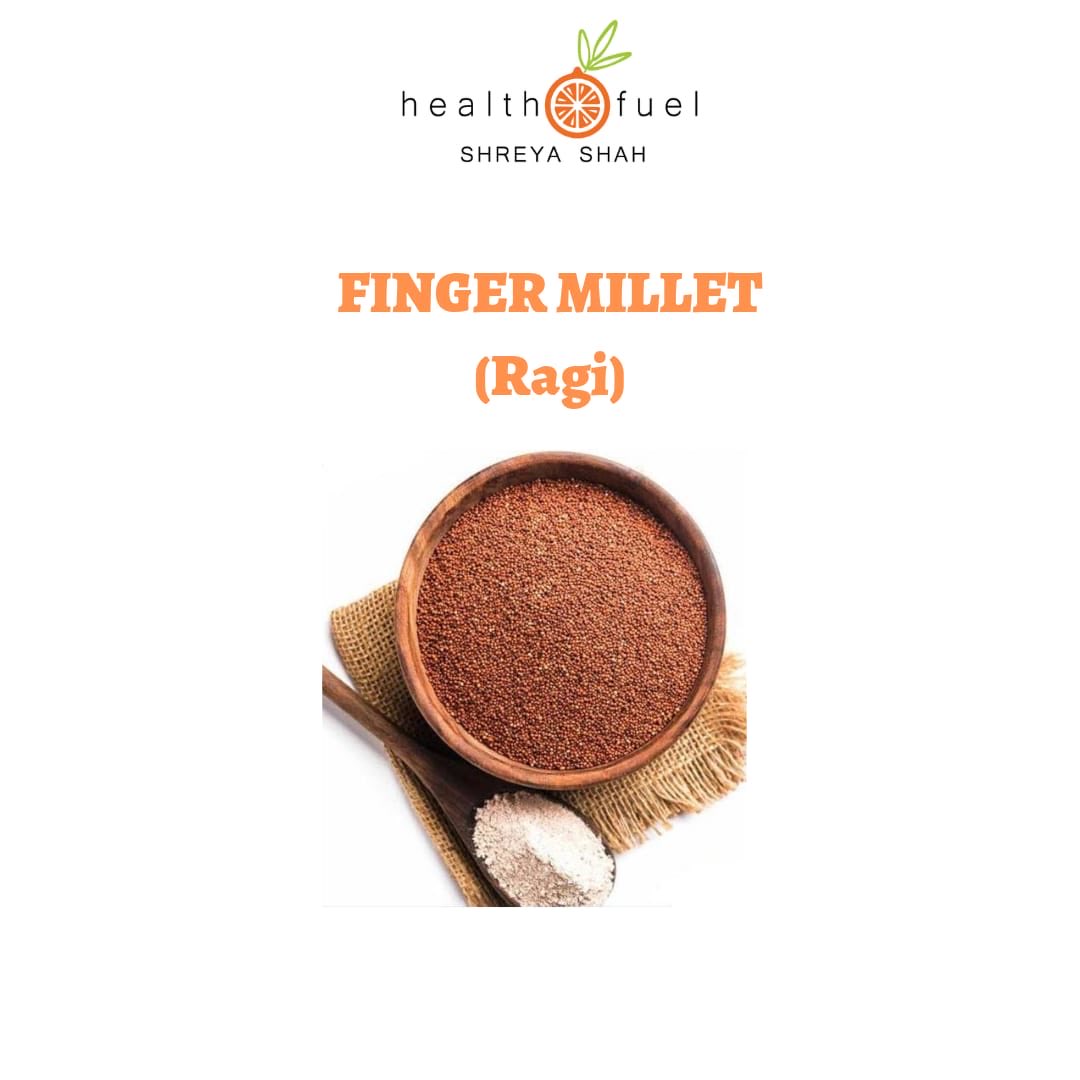
How to include: as Bhakri, ladoo, kheer, dosa, mudde,
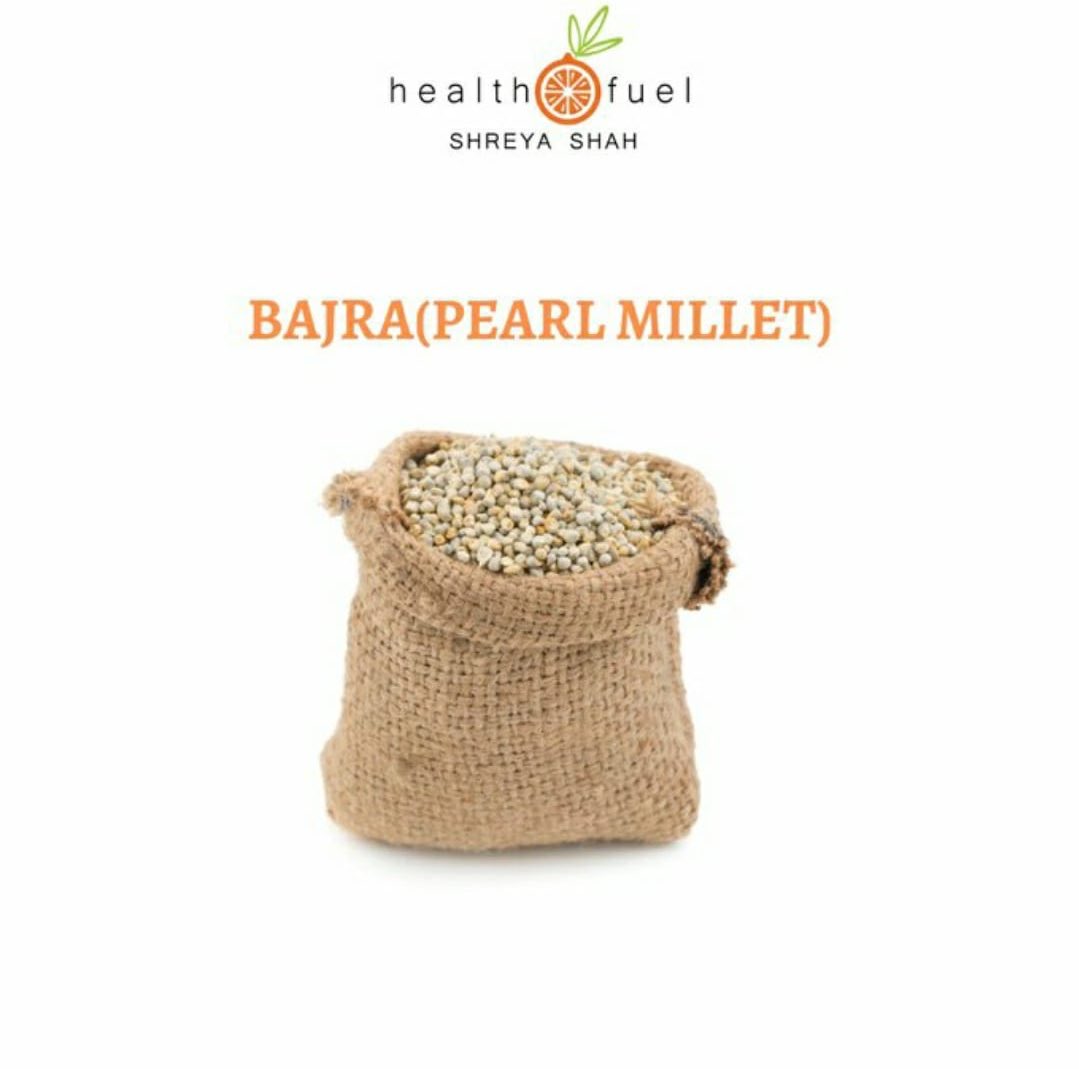
▪️PearlMillet (Bajra)
Locally known as bajra, this is a winter favourite because it’s extremely warming and strengthening for the body, especially for muscles and bones.
How to include: bhakri, lad,halwa, khichdi
Locally known as bajra, this is a winter favourite because it’s extremely warming and strengthening for the body, especially for muscles and bones.
How to include: bhakri, lad,halwa, khichdi
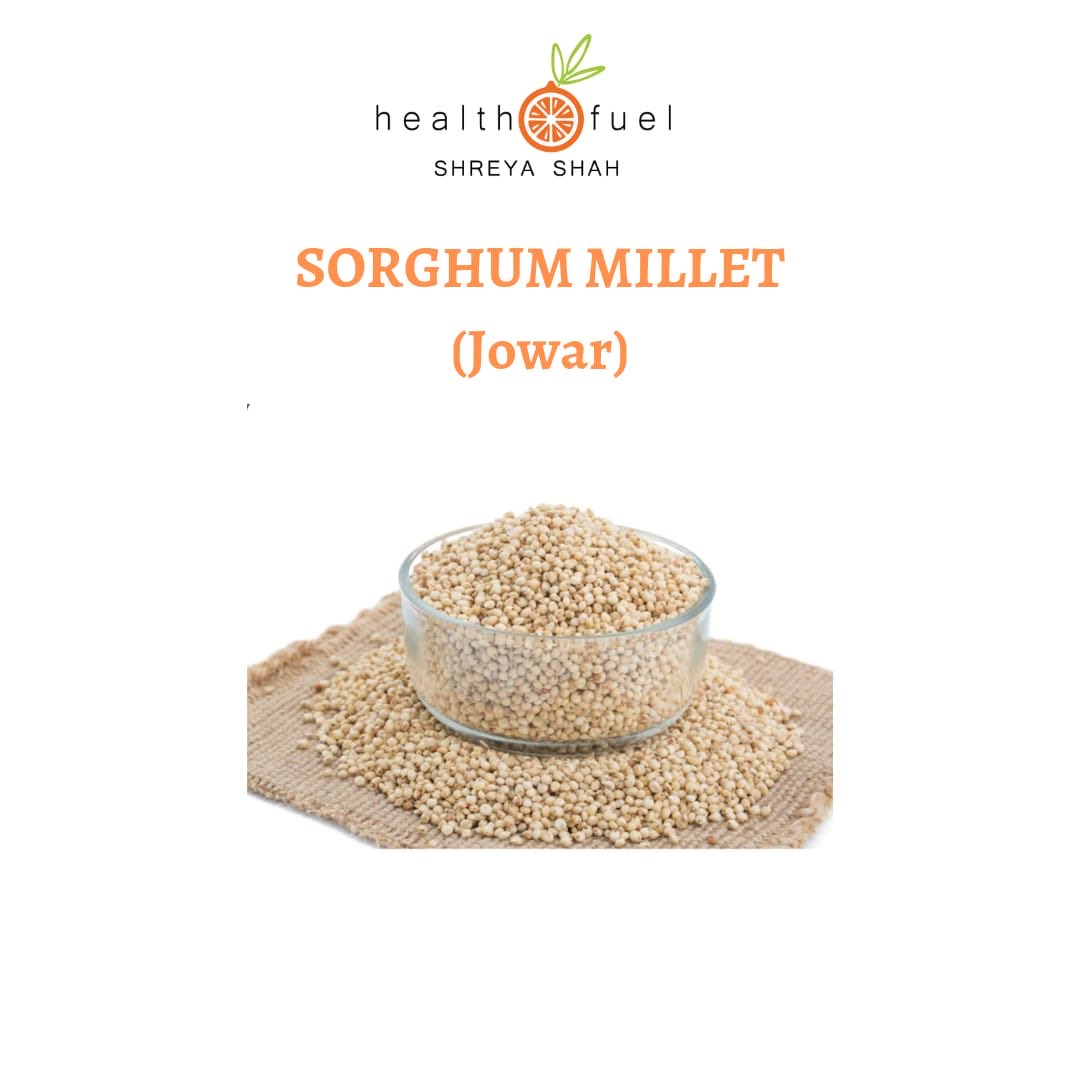
▪️Sorghum Millet (Jowar)
It is commonly called Jowar in India. The largest sorghum-producing states in India are Maharashtra and Karnataka. Some varieties of Sorghum are used for ethanol production.
It is commonly called Jowar in India. The largest sorghum-producing states in India are Maharashtra and Karnataka. Some varieties of Sorghum are used for ethanol production.
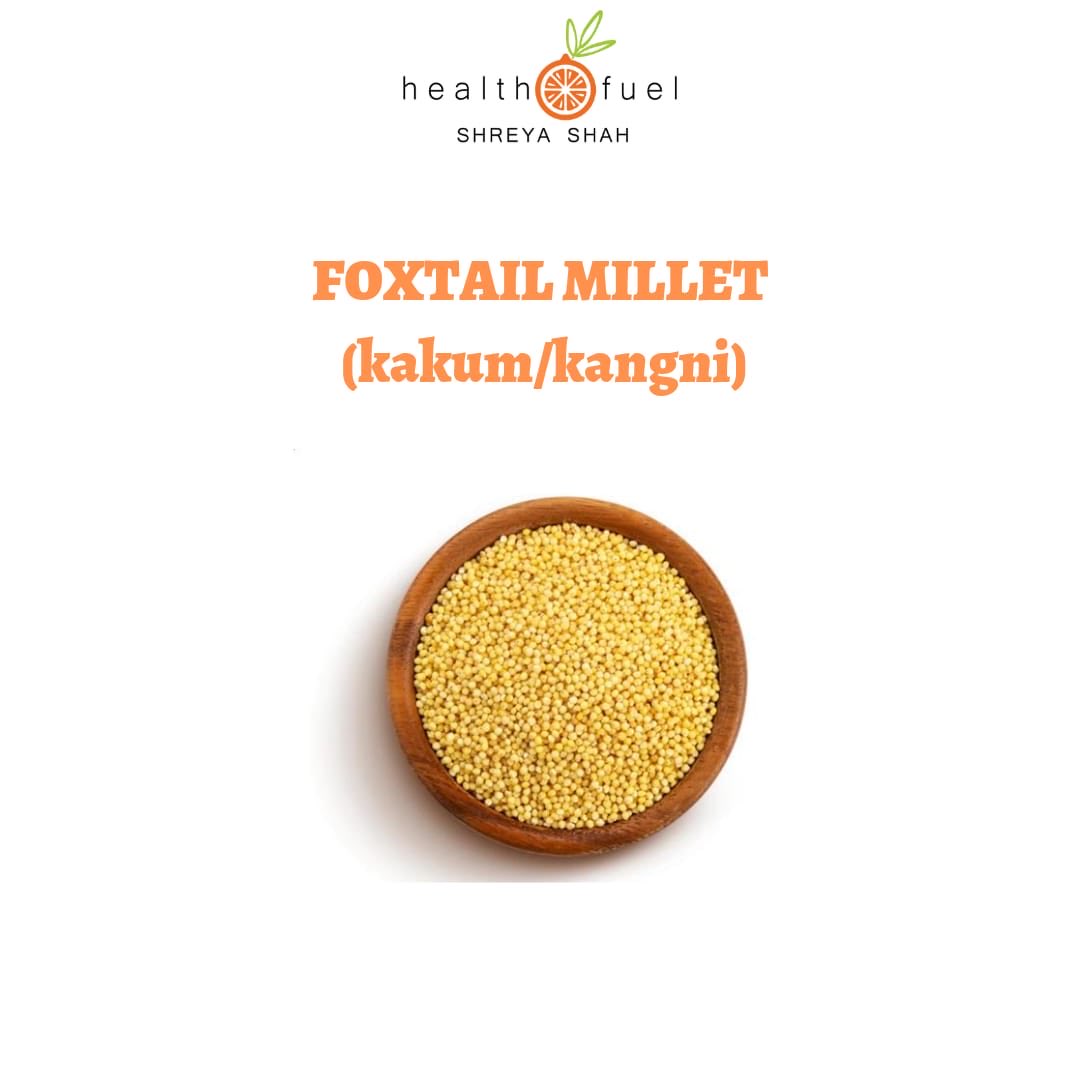
▪️Foxtail Millet (Kakum / Kangni)
Foxtail millet, or Kakum/Kangni. It contains blood sugar balancing healthy carbohydrates. The iron&calcium content present in it also helps strengthen immunity. It also helps regulate blood cholesterol&increase HDL cholesterol levels in body.
Foxtail millet, or Kakum/Kangni. It contains blood sugar balancing healthy carbohydrates. The iron&calcium content present in it also helps strengthen immunity. It also helps regulate blood cholesterol&increase HDL cholesterol levels in body.
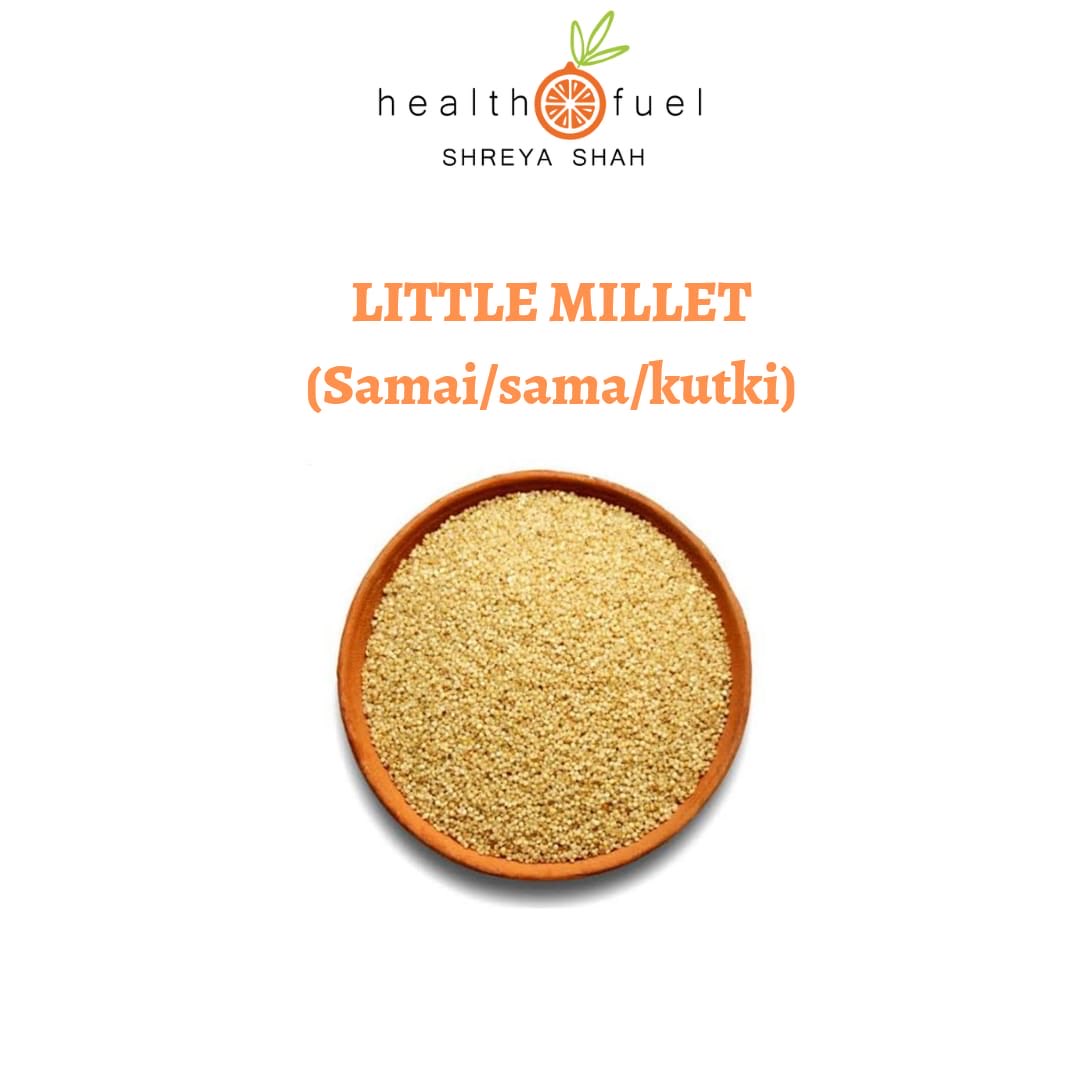
▪️Little Millet(kutki/ samai/sama)
It is high in fibre and filled with numerous minerals such as potassium, zinc, iron,&calcium. It is also packed with vitamin B&works as an antioxidant for ur body this is usually consumed during Navratri. It's t is great for digestive health
It is high in fibre and filled with numerous minerals such as potassium, zinc, iron,&calcium. It is also packed with vitamin B&works as an antioxidant for ur body this is usually consumed during Navratri. It's t is great for digestive health
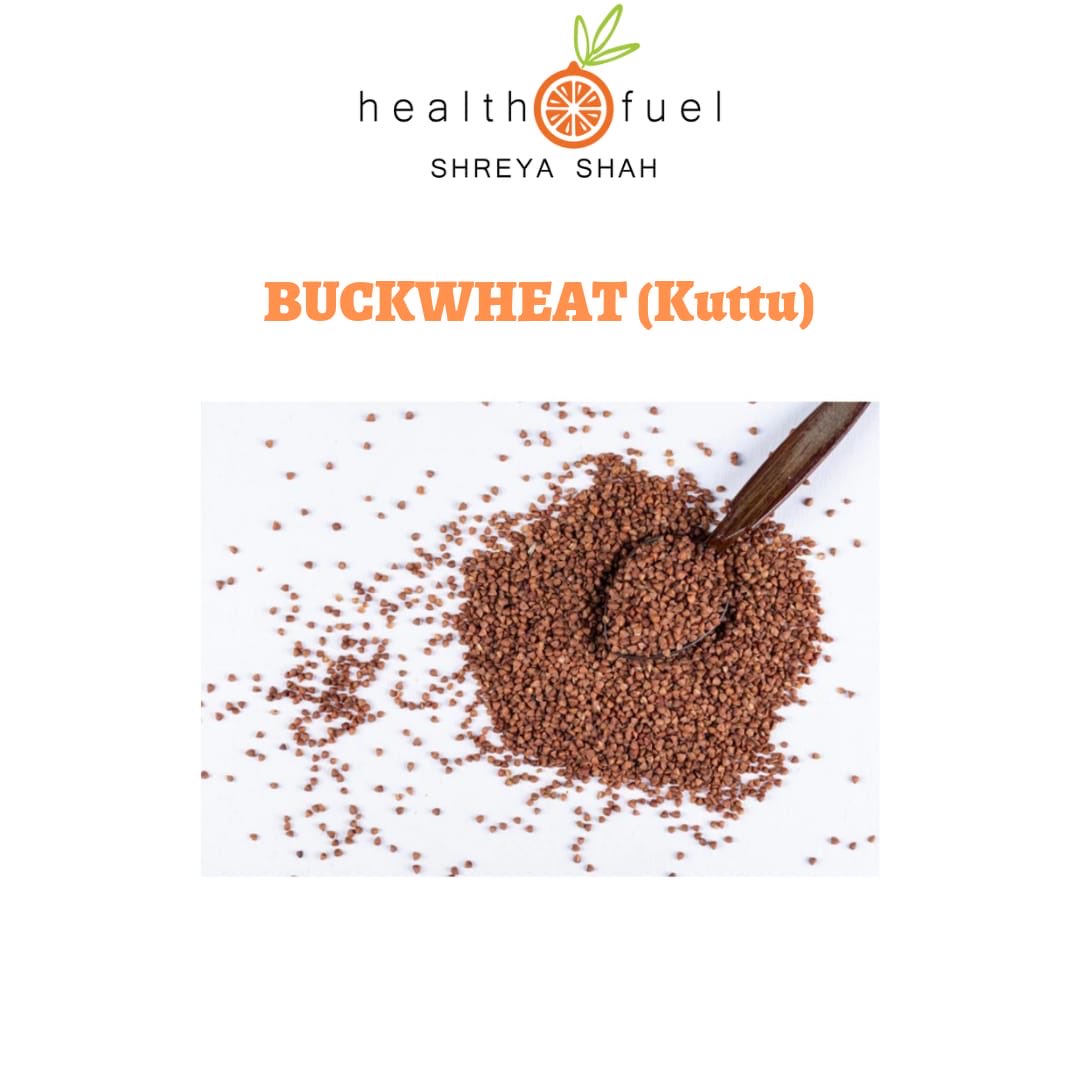
▪️Buckwheat(Kuttu)
Kuttu known as buckwheat is a fruit seed which is why its consumption is allowed during fasting. Rich in essential fatty acids, kuttu helps in maintaining blood pressure&cholesterol level. Also rich in vitamins, phosphorus,magnesiumµnutrients like zinc
Kuttu known as buckwheat is a fruit seed which is why its consumption is allowed during fasting. Rich in essential fatty acids, kuttu helps in maintaining blood pressure&cholesterol level. Also rich in vitamins, phosphorus,magnesiumµnutrients like zinc
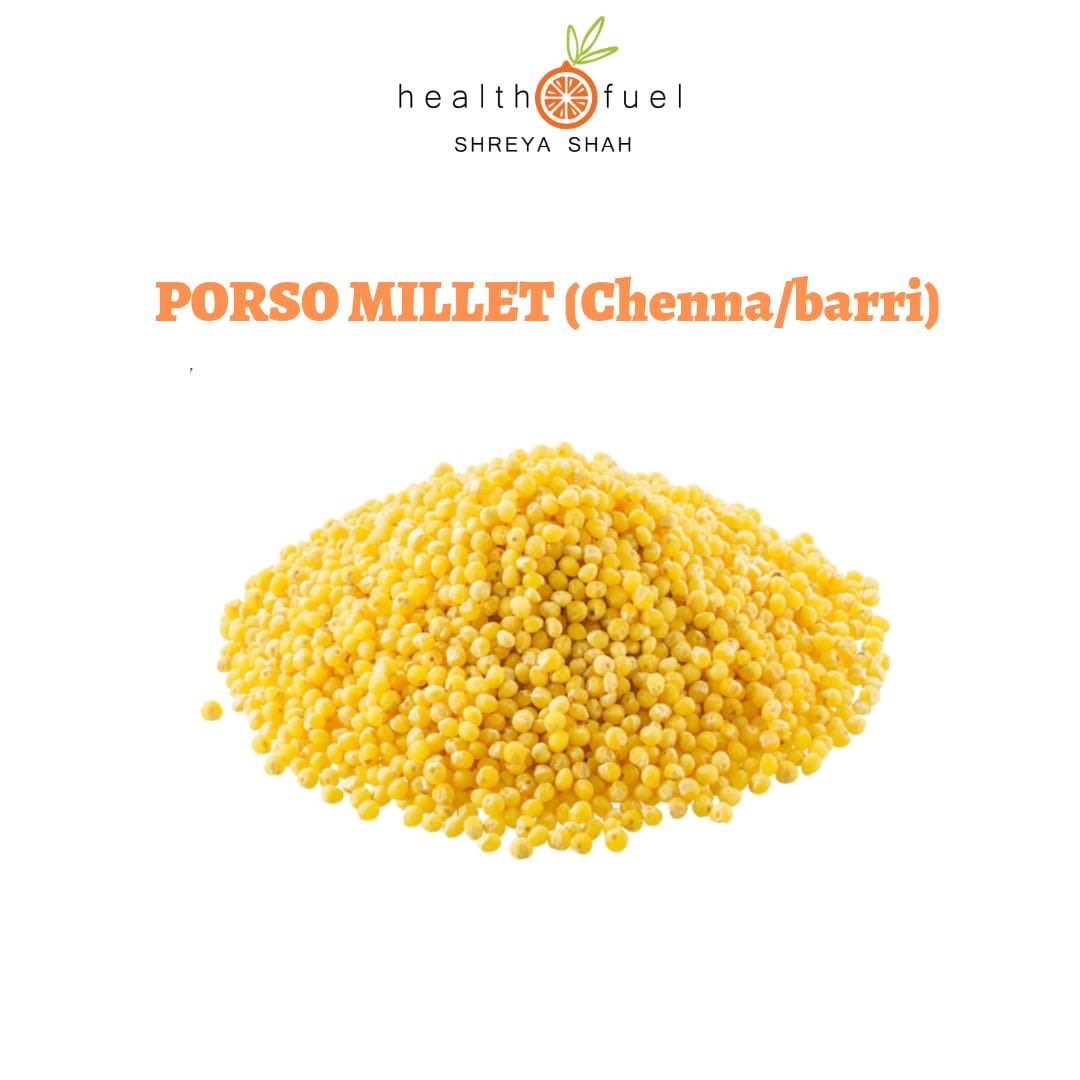
▪️Proso Millet (Chena / Barri)
Also called broom corn millet, this grain is mostly found in the drier regions of Asia, Australia, Africa, Europe, and North America.
Proso millet is rich in minerals, dietary fiber, polyphenols, vitamins and proteins.
Also called broom corn millet, this grain is mostly found in the drier regions of Asia, Australia, Africa, Europe, and North America.
Proso millet is rich in minerals, dietary fiber, polyphenols, vitamins and proteins.
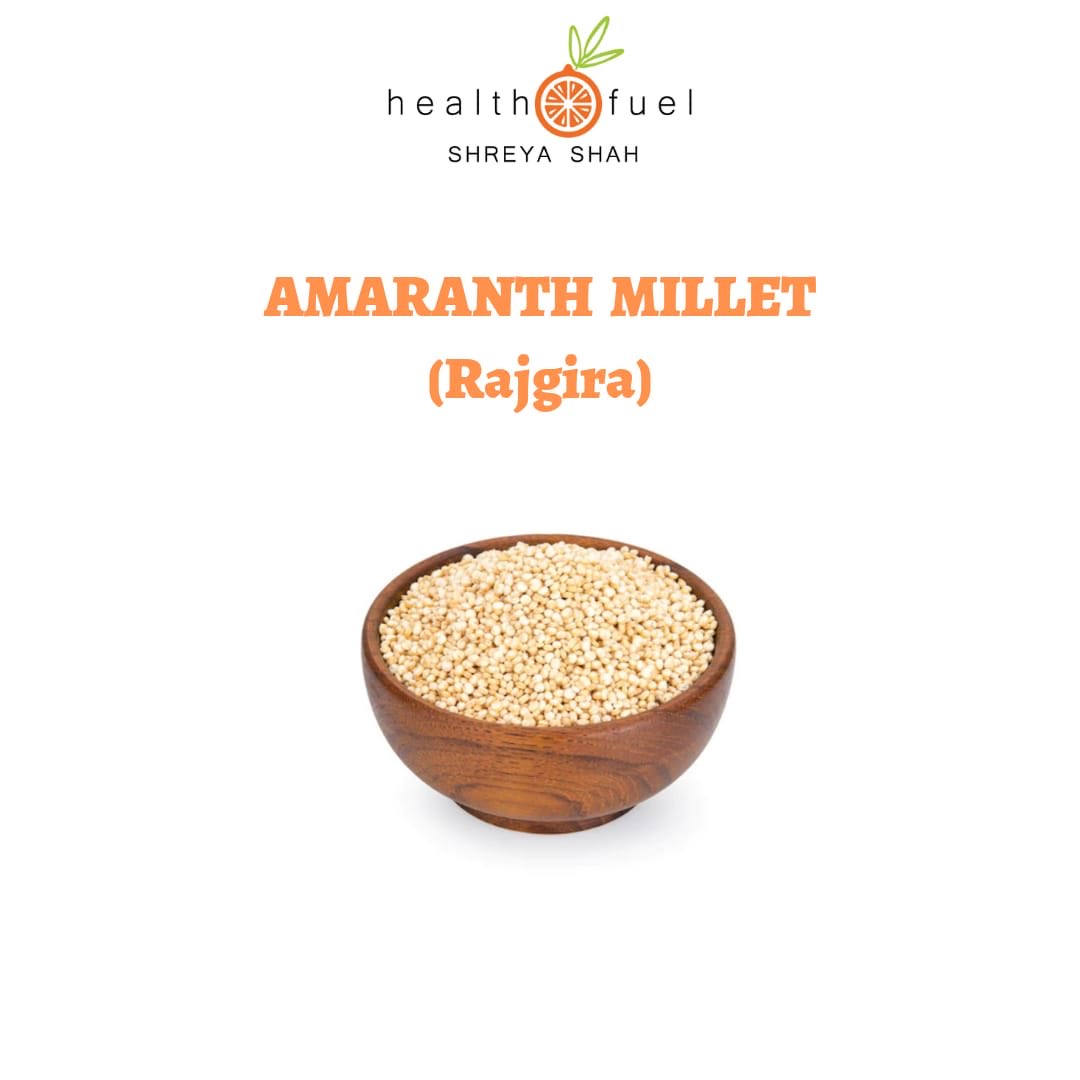
▪️Amaranth Millet(Rajgira)
This Millet is rich in protein and dietary fibre. It is great for a healthy diet. This Millet also helps in fighting greying and hair loss.
Its rich in calcium, hence, it helps healthy development of bones helping to prevent osteoporosis
This Millet is rich in protein and dietary fibre. It is great for a healthy diet. This Millet also helps in fighting greying and hair loss.
Its rich in calcium, hence, it helps healthy development of bones helping to prevent osteoporosis
🔸Millets contain anti-nutrients that may inhibit mineral absorption; hence is preferred that they r soaked n sprouted before use, to lessen d anti-nutrient content of d grain, making d nutrients more bioavailable
🔸Use Millets as per the season like:
Winter - Bajra and makka
Summer: Jowar
Ragi can be had all round the year
Fasts: Kuttu and rajgeera
Winter - Bajra and makka
Summer: Jowar
Ragi can be had all round the year
Fasts: Kuttu and rajgeera
🔸Millets are not a replacement for your regular wheat roti or rice and one must continue having them.
Instead, consuming millets in moderate quantities, preferably soaked for some time before cooking. Or using millet flour to make bhakris
Instead, consuming millets in moderate quantities, preferably soaked for some time before cooking. Or using millet flour to make bhakris
Loading suggestions...