

Irritable Bowel Syndrome (IBS)
Do u constantly have abdominal pain,Bloating,Gas,Constipation type symptoms?
IBS is a condition characterized by unexplained abdominal discomfort that is associated with changes in bowel habits
A thread🧵on IBS-causes,symptoms&dietary management👇
Do u constantly have abdominal pain,Bloating,Gas,Constipation type symptoms?
IBS is a condition characterized by unexplained abdominal discomfort that is associated with changes in bowel habits
A thread🧵on IBS-causes,symptoms&dietary management👇

🔸What is IBS?
Irritable bowel syndrome (IBS) is a condition characterized by unexplained abdominal discomfort that is associated
with changes in bowel habits
It is a condition that builds over time, and there is always an underlying cause
Here are some different types of IBS👇
Irritable bowel syndrome (IBS) is a condition characterized by unexplained abdominal discomfort that is associated
with changes in bowel habits
It is a condition that builds over time, and there is always an underlying cause
Here are some different types of IBS👇

Other common symptoms include gas, bloating, diarrhea and constipation, and increased GI distress associated with psychosocial distress.
These symptoms may be vague and transient, making IBS a diagnosis of exclusion.
These symptoms may be vague and transient, making IBS a diagnosis of exclusion.
🔸Causes of IBS
There is no exact irritable bowel syndrome causes. Different factors may contribute to symptoms
▪️Abnormal bowel motility (either too fast, leading to IBS diarrhea or too slow, causing constipation)
▪️Alterations in pain signals from neurotransmitters
There is no exact irritable bowel syndrome causes. Different factors may contribute to symptoms
▪️Abnormal bowel motility (either too fast, leading to IBS diarrhea or too slow, causing constipation)
▪️Alterations in pain signals from neurotransmitters
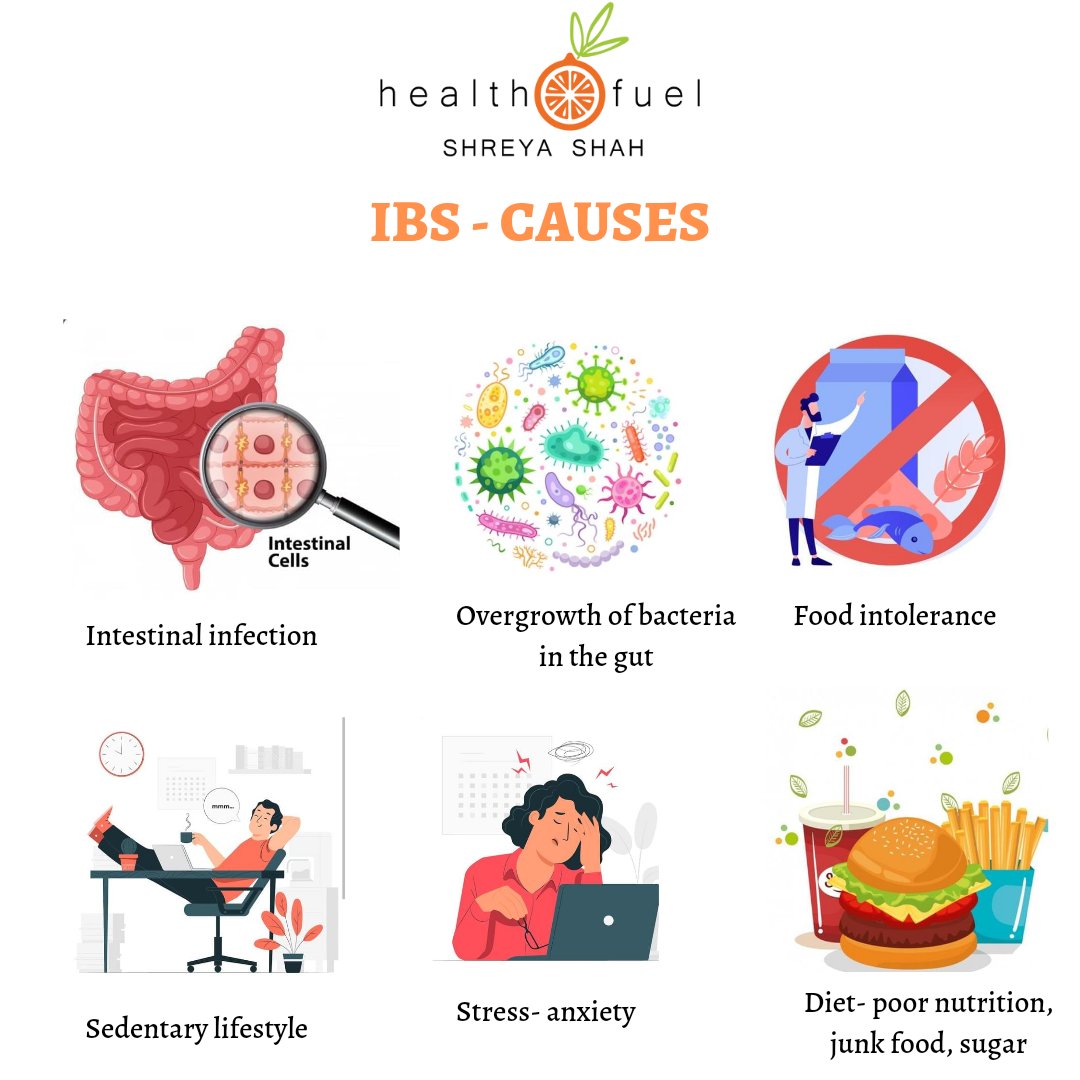
▪️Sensitive intestines
▪️Intestinal infection
▪️An overgrowth of bacteria in the gut
▪️Food intolerances
▪️other factors can leading to IBS-related pain in the gut👇
🔹Diet - junk,processed food
🔹Stress-IBS& stress levels are closely related
🔹Physical activity
🔹Hormone levels
▪️Intestinal infection
▪️An overgrowth of bacteria in the gut
▪️Food intolerances
▪️other factors can leading to IBS-related pain in the gut👇
🔹Diet - junk,processed food
🔹Stress-IBS& stress levels are closely related
🔹Physical activity
🔹Hormone levels
🔸IBS symptoms
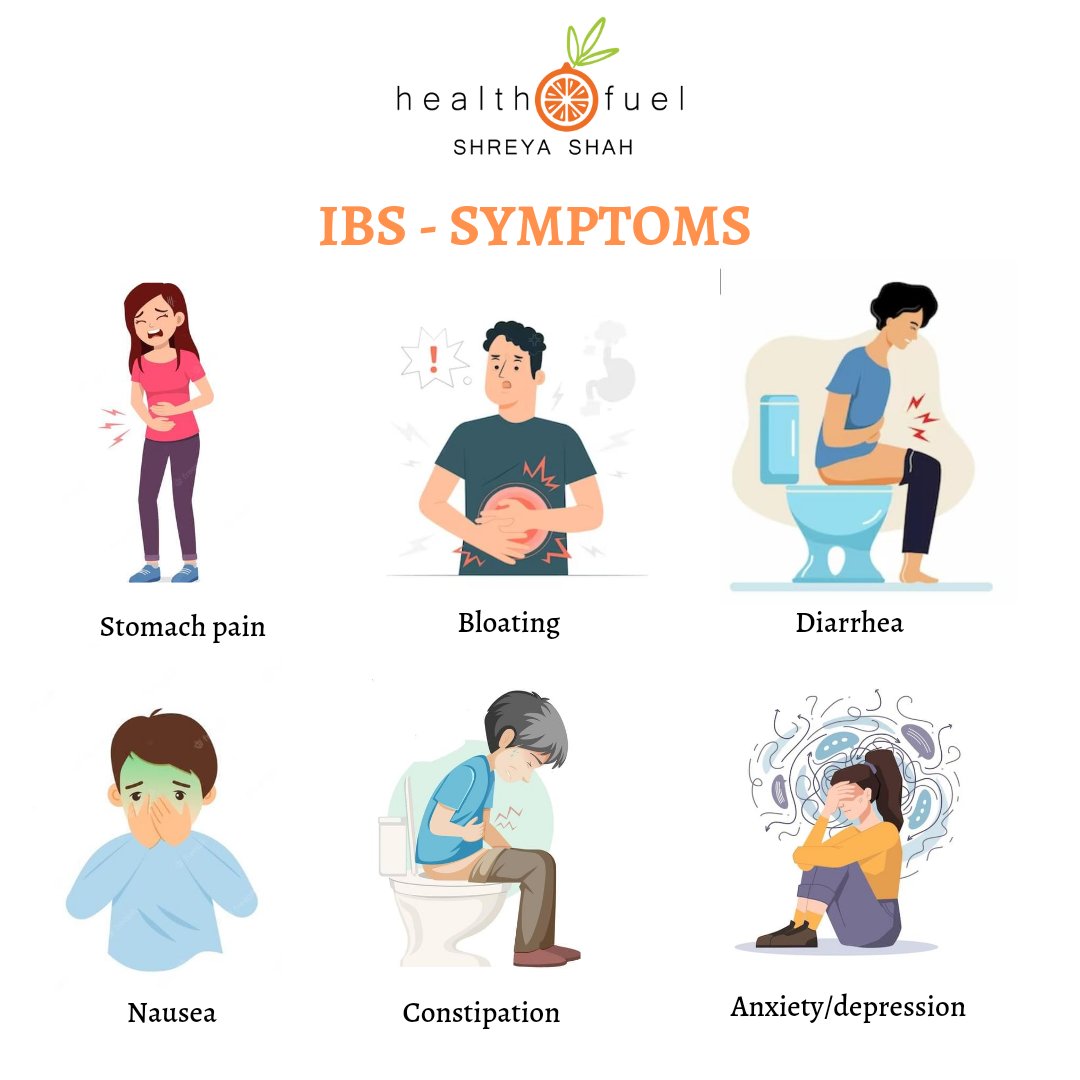
Here are some of the most common IBS symptoms
▪️Stomach pain
▪️Bloating
▪️Constipation
▪️Diarrhea
▪️Nausea
▪️Indigestion
▪️Stomach cramps
▪️Gas
▪️Anxiety/depression
▪️Decreased appetite
Here are some of the most common IBS symptoms
▪️Stomach pain
▪️Bloating
▪️Constipation
▪️Diarrhea
▪️Nausea
▪️Indigestion
▪️Stomach cramps
▪️Gas
▪️Anxiety/depression
▪️Decreased appetite
🔸Diagnostic criteria
No specific marker or test is diagnostic for IBS
The symptoms of IBS overlap with or are similar to, other GI diseases such as celiac disease, inflammatory bowel disease, functional dyspepsia&constipation.
No specific marker or test is diagnostic for IBS
The symptoms of IBS overlap with or are similar to, other GI diseases such as celiac disease, inflammatory bowel disease, functional dyspepsia&constipation.
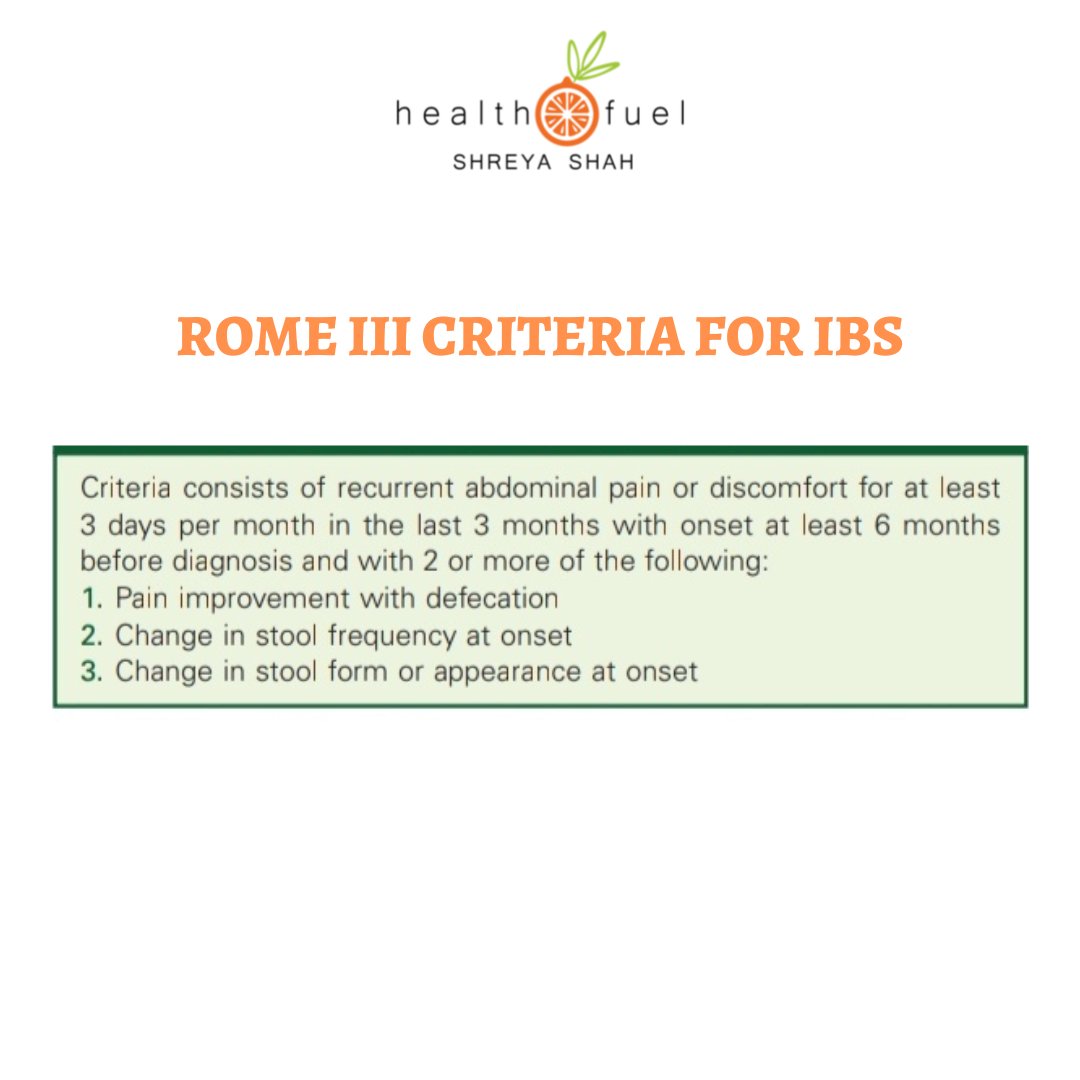
▪️The Rome III criteria for IBS and its subtypes are used to d fine the diagnosis based on the presence of GI symptoms and exclusion of other disease processes
These diagnostic criteria are used in clinical research and to a lesser extent in clinical practice&are listed below👇
These diagnostic criteria are used in clinical research and to a lesser extent in clinical practice&are listed below👇
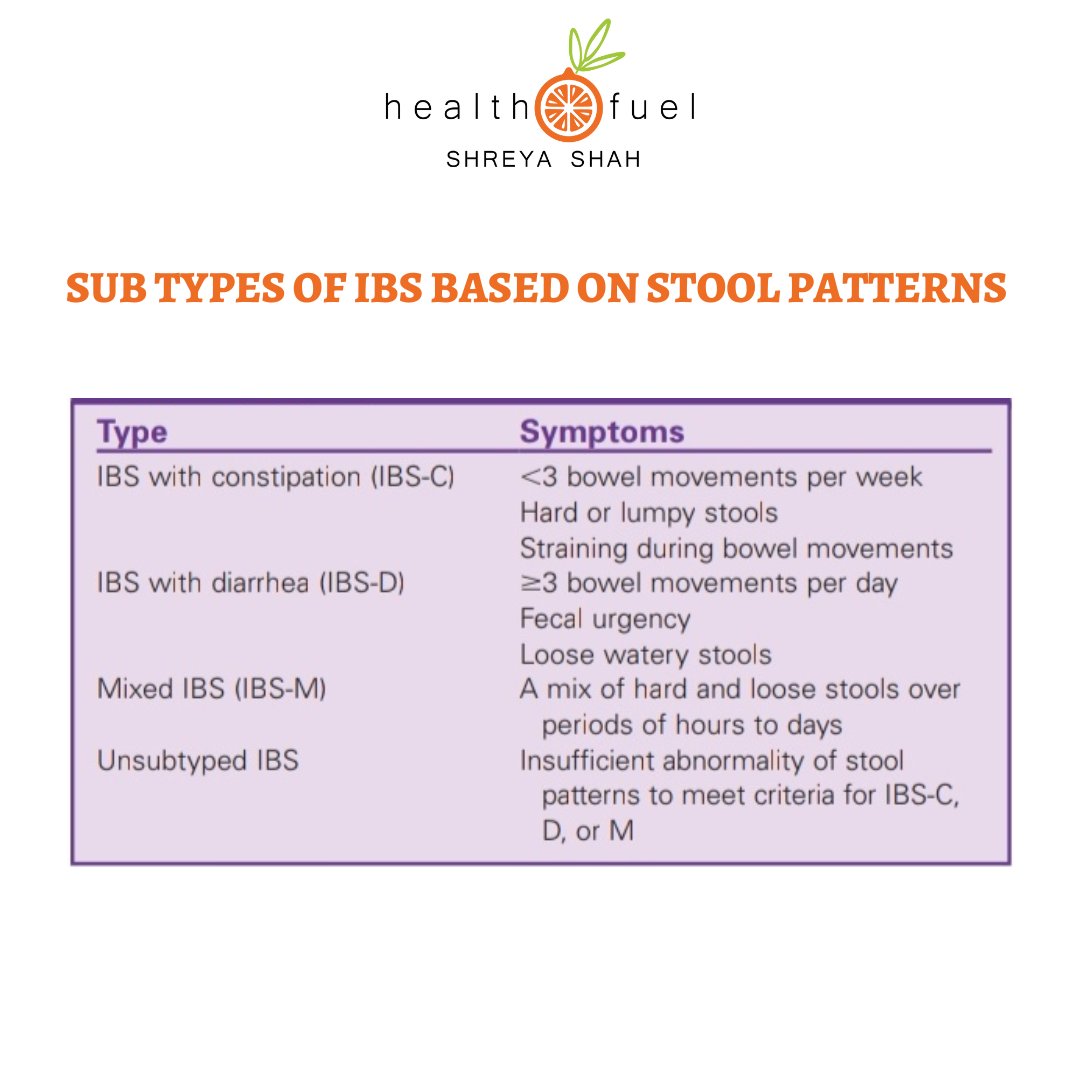
▪️The diagnostic criteria also include a refining of subtypes of IBS based on predominant stool patterns
🔸Management
There’s no one cure-all for IBS. But, making a few minor lifestyle tweaks could potentially be an effective IBS treatment.
For eg., following a low FODMAP diet—which includes cutting out certain types of carbohydrates—has helped people control symptoms
There’s no one cure-all for IBS. But, making a few minor lifestyle tweaks could potentially be an effective IBS treatment.
For eg., following a low FODMAP diet—which includes cutting out certain types of carbohydrates—has helped people control symptoms
▪️What Is the Low FODMAP Diet?
🔹FODMAP stands for Fermentable, Oligosaccharides, Disaccharides, Monosaccharides, and Polyols — all things people following the diet would aim to avoid.
🔹FODMAP stands for Fermentable, Oligosaccharides, Disaccharides, Monosaccharides, and Polyols — all things people following the diet would aim to avoid.
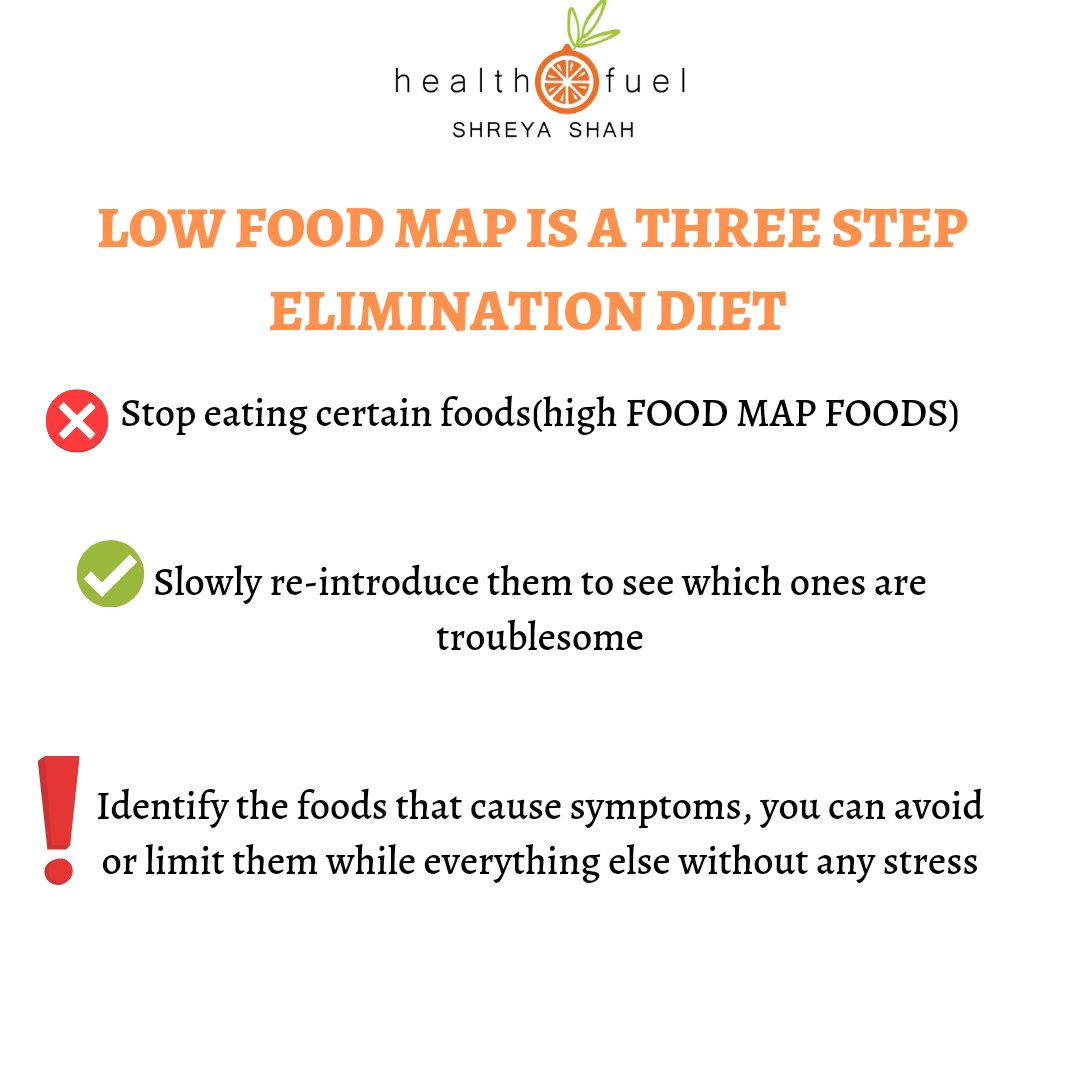
🔹Nutrition intervention begins with elimination of all high
FODMAPs foods(refer the pic below) from the diet for a period of 6-8 wks. Followed by a slow, controlled reintroduction of one FODMAPs diet category at a time to observe for symptoms&identify the most challenging foods
FODMAPs foods(refer the pic below) from the diet for a period of 6-8 wks. Followed by a slow, controlled reintroduction of one FODMAPs diet category at a time to observe for symptoms&identify the most challenging foods

🔹Nutritional deficiencies that can arise with the low FODMAPs
diet include folate, thiamine, and vitamin B6 (from limiting
cereals and breads), as well as calcium and vitamin D
diet include folate, thiamine, and vitamin B6 (from limiting
cereals and breads), as well as calcium and vitamin D
🔹The goal is to eventually reduce or eliminate GI symptoms, by creating a diet that includes FODMAPs at
the most tolerable intake level,&with use of alternative foods.
It does not present a cure but a dietary approach to improve symptoms and quality of life
the most tolerable intake level,&with use of alternative foods.
It does not present a cure but a dietary approach to improve symptoms and quality of life
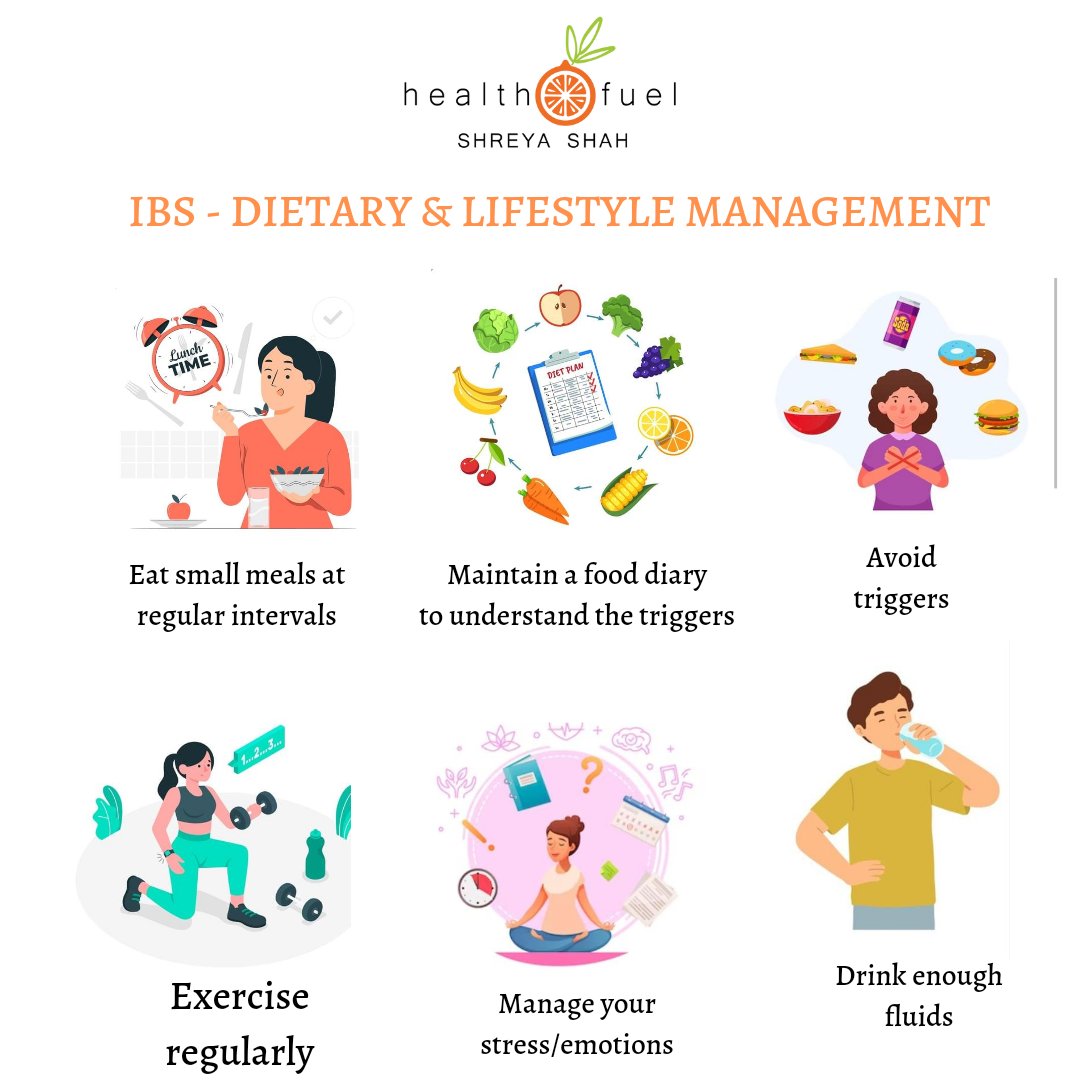
🔸Dietary&lifestyle guidelines for management of IBS
▪️Dietary changes can often help IBS symptoms and sometimes simple changes are all that are needed.
▪️eat regular meals everyday,
try not to skip any meals or eat late at night
▪️smaller meal sizes may ease symptoms
▪️Dietary changes can often help IBS symptoms and sometimes simple changes are all that are needed.
▪️eat regular meals everyday,
try not to skip any meals or eat late at night
▪️smaller meal sizes may ease symptoms
▪️Eliminate wheat and dairy: Not because it’s bad, but because your gut is too inflamed and weak to digest it.
Many people experience an improvement in their gut health as they eliminate the two foods.
Many people experience an improvement in their gut health as they eliminate the two foods.
▪️Cut down on rich or fatty/fried foods including chips, fast foods, ready meals and sauces, pies, samosas, batter, cheese, pizza, spring rolls, creamy sauces, snacks such as crisps, chocolate, cake and biscuits, spreads and cooking oils,& fatty meats such as burgers and sausages
▪️Fibre: For some people, reducing high-fibre foods can help to improve symptoms.For others, increasing fibre can help to improve symptoms, so it is very much dependent on the individual
Adjust fibre intake according to personal symptoms.Use a food diary to monitor the changes
Adjust fibre intake according to personal symptoms.Use a food diary to monitor the changes
▪️Maintain a food diary
A food diary will help you identify foods that make you uncomfortable so you can start eliminating them, like peanuts or spicy foods.
A food diary will help you identify foods that make you uncomfortable so you can start eliminating them, like peanuts or spicy foods.
▪️Mindful eating:
✅take deep breaths prior to meals
✅chew thoroughly
✅Eat without any distraction (gadgets)
✅Listen to your hunger& fullness
✅take deep breaths prior to meals
✅chew thoroughly
✅Eat without any distraction (gadgets)
✅Listen to your hunger& fullness
▪️Water intake:
People with IBS-D ( diarrhea) may experience dehydration from frequent bouts of diarrhea& may need to drink extra fluids&electrolytes to keep their bodies hydrated
Incase of IBS-C (constipation) also need extra water to help the stool move through the intestines
People with IBS-D ( diarrhea) may experience dehydration from frequent bouts of diarrhea& may need to drink extra fluids&electrolytes to keep their bodies hydrated
Incase of IBS-C (constipation) also need extra water to help the stool move through the intestines
▪️Manage stress
Our mind and gut have a hand-in-glove partnership. These two are connected through a network of nerves called the Enteric Nervous System. This means the health of one affects the other.
Our mind and gut have a hand-in-glove partnership. These two are connected through a network of nerves called the Enteric Nervous System. This means the health of one affects the other.
▪️Address your emotional health
This is key to healing IBS.
While stress is inevitable,ur perception and how you address it can make all the difference. So learn to accept, let go,meditate,practise silence, yoga, mindfulness,listen to music or whatever helps diffuse stress.
This is key to healing IBS.
While stress is inevitable,ur perception and how you address it can make all the difference. So learn to accept, let go,meditate,practise silence, yoga, mindfulness,listen to music or whatever helps diffuse stress.
▪️Exercise:
🔹When your body moves,your gut moves. Go for a walk, run,do planks/yoga asanas. These help clean your colon.
🔹 Excercise aids regular bowel movements by reducing the time your food takes to move through the large intestine. It keeps your digestive tract healthy
🔹When your body moves,your gut moves. Go for a walk, run,do planks/yoga asanas. These help clean your colon.
🔹 Excercise aids regular bowel movements by reducing the time your food takes to move through the large intestine. It keeps your digestive tract healthy
Loading suggestions...