

How Can You Boost Your Testosterone Naturally?
Here are 4 Tips to Get Started:
Here are 4 Tips to Get Started:
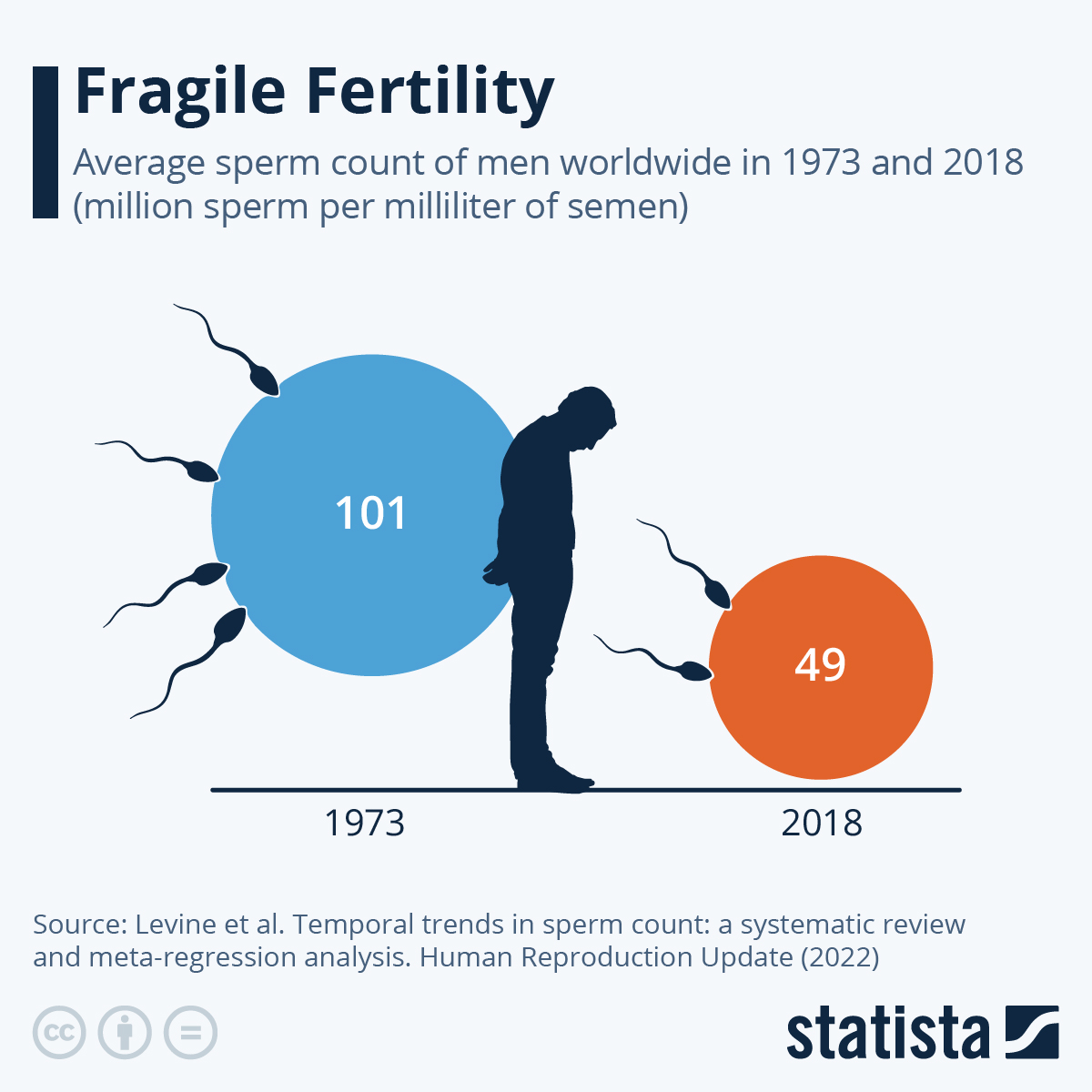
Many people have likely seen the data on the steep decline in hormone health in men with some headlines even reporting a decline of over 40% in testosterone levels in men in just a few decades.
The metrics seem startling, however, there are clear and proven ways to improve hormone health in men without having to resort to medication or therapies.
While many people want to look at testosterone in isolation, testosterone is merely one hormone (amongst many) that works in concert with other hormones as part of a greater system.
While it’s important to reverse this trend of declining testosterone levels in men, it’s also important to understand that you should not be thinking about testosterone without also addressing potential issues with estrogen, progesterone, or other hormones.
Alright, without further ado, here is how we would address boosting testosterone naturally:
1. Find the Root Cause: If your testosterone and hormone health is out of whack, you should do everything in your power to address the core of the problem. In fact, you should address it immediately.
Low testosterone in men can have adverse side effects and increases the risk of all-cause mortality.
The hormone is critical for regulating your energy, supporting your body on a cellular level, and supporting muscle growth and health.
The hormone is critical for regulating your energy, supporting your body on a cellular level, and supporting muscle growth and health.
If your goal is to live a long and healthy life, you should be trying to optimize your hormones naturally as much as possible.
Here are some signs you may be suffering from low testosterone:
• Low sex drive
• Losing hair
• Losing muscle mass
• Fatigue
• Obesity
Here are some signs you may be suffering from low testosterone:
• Low sex drive
• Losing hair
• Losing muscle mass
• Fatigue
• Obesity
If you suffer from any of these, you may be struggling with some sort of hormone dysfunction, which typically derive from three sources: 1) Environmental problems, 2) Lifestyle problems, or 3) Dietary problems.
2. Address Environmental Concerns with Hormone Health: Your environment is going to play a critical role in your overall health, however it will particularly contribute to your body’s overall stress load.
In particular, your environment will contribute to the toxic load in your body on a day-to-day basis.
These environmental toxins such as skin care products, drinking water, shower water, exposure to heavy metals, and mold toxicity, can inhibit the production of sex hormones like testosterone.
3. Address Lifestyle Concerns with Hormone Health: The modern lifestyle seems to directly contradict the biological laws of hormone health.
Today, we get an hour less sleep than we did just 100 years ago, spend much more time inside, sitting, looking at screens late into the night, drinking alcohol late into the night, and spending less time connecting with nature and the community.
Again, your body wants to reduce its stress load as much as possible, but if your lifestyle never allows it to recover, you will find yourself in a chronic state of stress.
The best things you can do to reduce those stresses from a lifestyle perspective is:
1) get more quality sleep, 2) prioritize an hour in the sun each day, 3) connect with your community, and 4) incorporate explosive movements into your workouts (sprints, squats, etc).
1) get more quality sleep, 2) prioritize an hour in the sun each day, 3) connect with your community, and 4) incorporate explosive movements into your workouts (sprints, squats, etc).
4. Address Dietary Concerns with Hormone Health: The largest dietary issue to address when it comes to hormone health is reducing processed food intake.
Highly processed sugars, grains, and vegetable oils, degrade our health over a long period of time and ultimately lead to a higher risk of obesity, GI distress, and many other chronic diseases that may adversely affect your hormone health.
To prioritize hormone health, eat real, whole food sources of nutrition: beef, eggs, lamb, bison, chicken, bone marrow, organs, some fruits, and honey if you can tolerate them.
Prioritizing saturated fats, and more importantly, high-quality sources of protein, lead to more stable blood sugar and overall higher satiety than constantly snacking on high carbohydrate foods.
Your hormone health will not improve unless you make a concentrated effort to create real changes in your health. Here’s where we would start:
1. Stop using harmful cosmetic products – deodorants with aluminum, skin care products with parabens, and detergents with harmful chemicals like nonylphenol ethoxylate.
2. Buy a shower filter and water filter
2. Buy a shower filter and water filter
3. Prioritize sunlight & sleep – sunlight in the morning can help set your circadian rhythm for the day and improve sleep quality.
Bottom line: rest and recovery are the cornerstone of stress management, and stress (the bad kind) can negatively affect your hormone balance.
Bottom line: rest and recovery are the cornerstone of stress management, and stress (the bad kind) can negatively affect your hormone balance.
4. Eat more real foods and prioritize meat!
Loading suggestions...