
All you need to know about PROTEIN in one single thread
3 tricks that I teach all my clients which 99% of you don't know
Vegetarians and people above 40 must read this thread
Long Thread, Bookmark it!
3 tricks that I teach all my clients which 99% of you don't know
Vegetarians and people above 40 must read this thread
Long Thread, Bookmark it!

What is Protein?
Protein is a very large molecule made up of Amino Acids
Just like glucose is building block of carbohydrates
Amino Acids are building blocks of Protein
A chain of 50 or more Amino acids is called a Protein
Protein is a very large molecule made up of Amino Acids
Just like glucose is building block of carbohydrates
Amino Acids are building blocks of Protein
A chain of 50 or more Amino acids is called a Protein

Now, What are Amino Acids?
Amino Acids are molecules with:
One Amino group ( NH2)
One Carboxyl group (COOH)
One UNIQUE SIDE group
This UNIQUE SIDE group gives each Amino Acid its unique identity
We have 20 Unique side groups and so we have 20 Amino Acids
Amino Acids are molecules with:
One Amino group ( NH2)
One Carboxyl group (COOH)
One UNIQUE SIDE group
This UNIQUE SIDE group gives each Amino Acid its unique identity
We have 20 Unique side groups and so we have 20 Amino Acids

20 Amino Acids
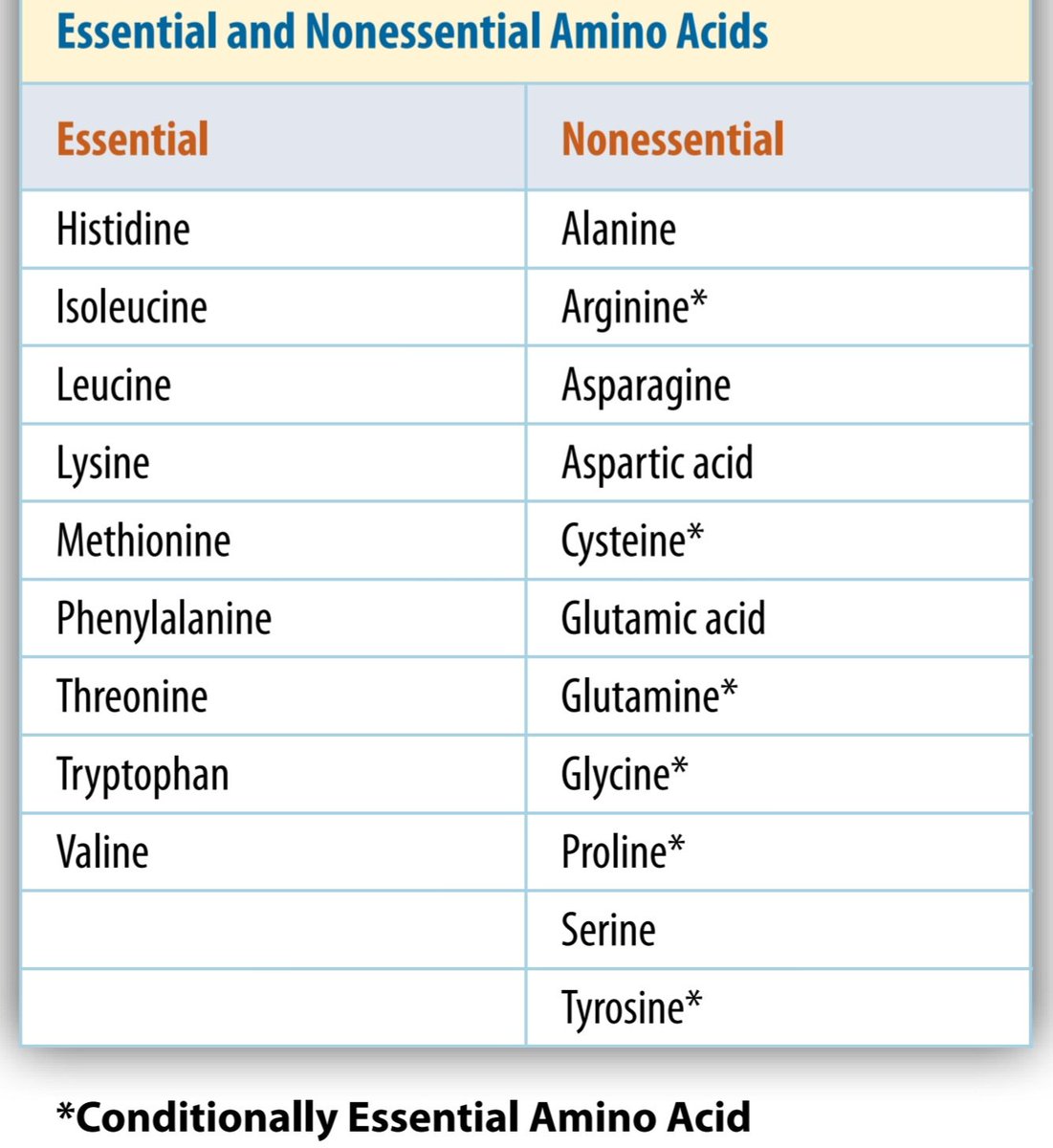
These 20 Amino Acids are divided into two groups
11 Non essential Amino Acids and
9 Essential Amino Acids ( EAAs )
Non Essential Amino Acids:
Your body can make these AAs on its own
EAAs:
Your body cannot make these AAs and you must provide them in your diet
These 20 Amino Acids are divided into two groups
11 Non essential Amino Acids and
9 Essential Amino Acids ( EAAs )
Non Essential Amino Acids:
Your body can make these AAs on its own
EAAs:
Your body cannot make these AAs and you must provide them in your diet
Complete vs Incomplete protein foods
If your food contains all the 9 Essential Amino Acids in adequate amounts it is called complete Protein
If your food misses any one of the 9 EAAs or the EAAs are not in adequate quantities then they are incomplete proteins
If your food contains all the 9 Essential Amino Acids in adequate amounts it is called complete Protein
If your food misses any one of the 9 EAAs or the EAAs are not in adequate quantities then they are incomplete proteins
Almost all Animal foods like Chicken, Eggs, Milk, Red Meat and Fish are Complete proteins
Exception: Gelatin which is derived from Collagen lacks EAA Tryptophan
Almost all Plant foods are incomplete proteins
Exception: Soy and Quinoa
Yes Soy and Quinoa are complete proteins
Exception: Gelatin which is derived from Collagen lacks EAA Tryptophan
Almost all Plant foods are incomplete proteins
Exception: Soy and Quinoa
Yes Soy and Quinoa are complete proteins
Why should you eat complete protein
Your body breaks down the protein you eat into Amino Acids and pools them
From this pool of AAs your body builds the protein
If any Non Essential AAs miss in your diet, your body makes them
But if any EEAs miss, the protein building stops
Your body breaks down the protein you eat into Amino Acids and pools them
From this pool of AAs your body builds the protein
If any Non Essential AAs miss in your diet, your body makes them
But if any EEAs miss, the protein building stops
TRICK NUMBER 1 for Vegetarians:
You can combine Incomplete Proteins to make a complete protein
Example:
lentils (Dal) lack methionine but high in lysine
Rice lack lysine but high in methionine
When you combine Dal and rice you can get complete protein
But THERE IS A CATCH!
You can combine Incomplete Proteins to make a complete protein
Example:
lentils (Dal) lack methionine but high in lysine
Rice lack lysine but high in methionine
When you combine Dal and rice you can get complete protein
But THERE IS A CATCH!
The Leucine Threshold
Combining two or more incomplete proteins to get all the EAAs is not enough to build muscle
Your meal should contain 2-2.5 gm of Leucine for your body to start building muscle (MPS)
This is Leucine ⏬
Combining two or more incomplete proteins to get all the EAAs is not enough to build muscle
Your meal should contain 2-2.5 gm of Leucine for your body to start building muscle (MPS)
This is Leucine ⏬
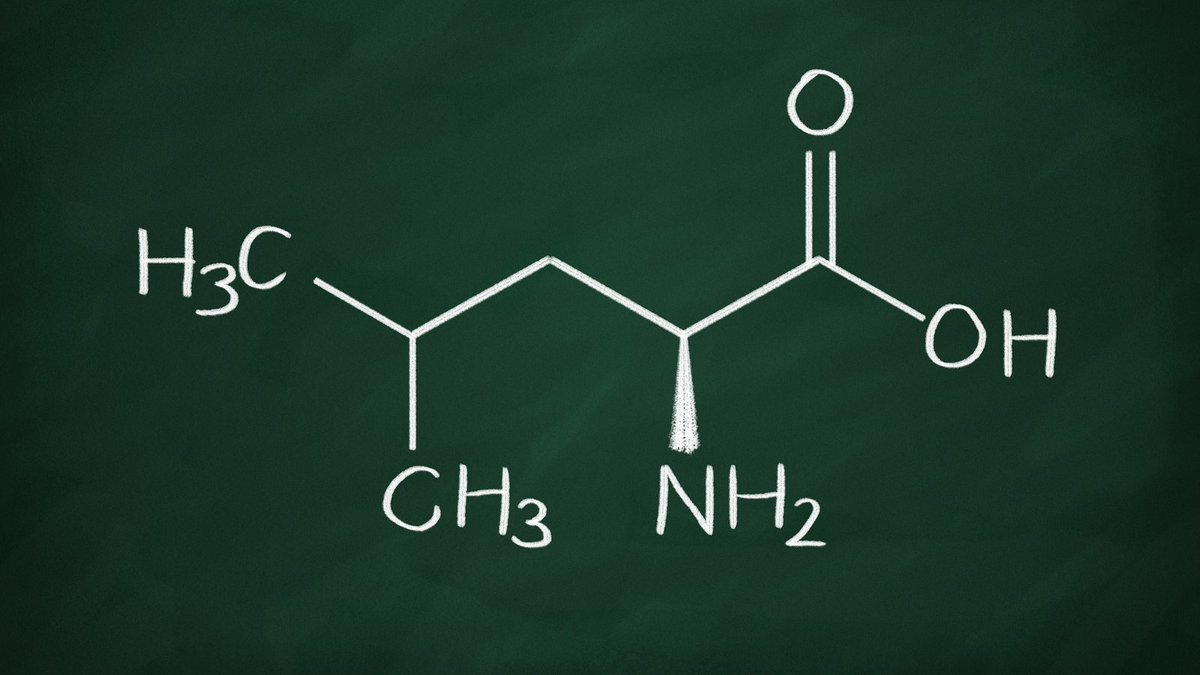
Leucine is one of the EAAs that is primarily respinsible for stimulating Muscle Protein Synthesis
TRICK NUMBER 2:
Get 2-2.5gm Leucine in every meal for maximising Muscle Protein Synthesis
TRICK NUMBER 2:
Get 2-2.5gm Leucine in every meal for maximising Muscle Protein Synthesis
How to get 2-2.5gm Leucine from you
diet?
Leucine content of various foods:
Whey Protein - 2.4g/scoop
Eggs - 2.4g/5eggs
Chicken - 2.4g/100g
Mackerel fish - 2.4g/150g
Goat - 2.3g/100g
Paneer - 2.1g/100g
Cheese Cheddar - 2g/100g
Soy flour defatted - 3.8g/100g
Lentils - 0.7g/100g
diet?
Leucine content of various foods:
Whey Protein - 2.4g/scoop
Eggs - 2.4g/5eggs
Chicken - 2.4g/100g
Mackerel fish - 2.4g/150g
Goat - 2.3g/100g
Paneer - 2.1g/100g
Cheese Cheddar - 2g/100g
Soy flour defatted - 3.8g/100g
Lentils - 0.7g/100g
Almonds - 1.4g/100g
Kidney beans - 0.7g/100g
Black beans - 0.7g/100g
Peanuts - 1.7g/100g
Now you see the problem with plant protein sources, they are extremely low in leucine content
Mixing Dal and Rice can make it a complete protein but you don't hit the leucine threshold
Kidney beans - 0.7g/100g
Black beans - 0.7g/100g
Peanuts - 1.7g/100g
Now you see the problem with plant protein sources, they are extremely low in leucine content
Mixing Dal and Rice can make it a complete protein but you don't hit the leucine threshold
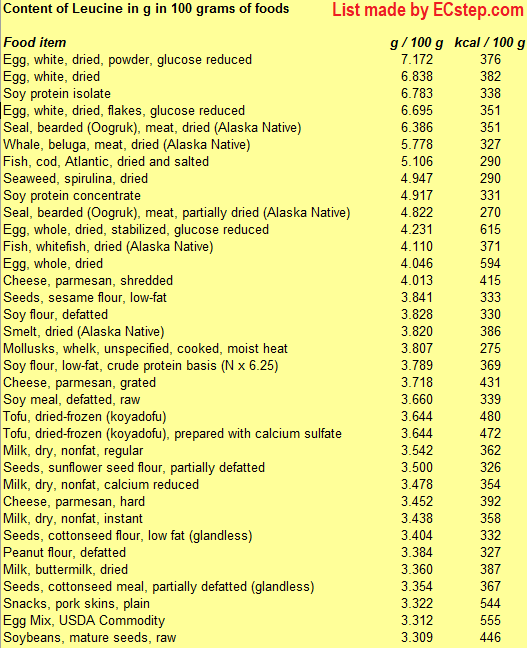
You have to consume 300gm of Dal cooked Dal to hit the leucine threshold
And 300 gm of Dal comes with 350 calories and will cause digestive issues due to its raffinose content
Raffinose is the carbohydrate that causes gas as it cannot be digested by humans
And 300 gm of Dal comes with 350 calories and will cause digestive issues due to its raffinose content
Raffinose is the carbohydrate that causes gas as it cannot be digested by humans
Should you consume protein within 30 minutes after the workout?
No! You need not rush to take protein immediately after your workout
But there is an anabolic window
You should take protein anytime within 3 hours after the workout to stimulate MPS
No! You need not rush to take protein immediately after your workout
But there is an anabolic window
You should take protein anytime within 3 hours after the workout to stimulate MPS
Going beyond 3-5 hours after your workout without protein can delay recovery and you may miss the opportunity to boost the MPS
So consume protein within 3 hours after your workout and you will be fine
pubmed.ncbi.nlm.nih.gov
So consume protein within 3 hours after your workout and you will be fine
pubmed.ncbi.nlm.nih.gov
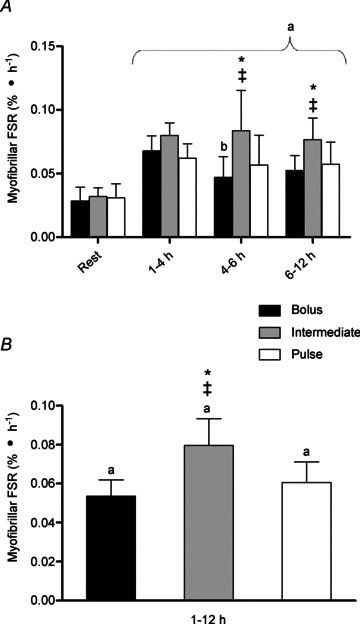
TRICK NUMBER 3:
Take 0.4g/kg of protein in every meal to maximise muscle building (MPS)
Say you are a 80kg individual, take 30-35 gm protein in every meal
The real trick is to provide 2-2.5gm of Leucine every meal to your body
And take 3-4 meals a day
Take 0.4g/kg of protein in every meal to maximise muscle building (MPS)
Say you are a 80kg individual, take 30-35 gm protein in every meal
The real trick is to provide 2-2.5gm of Leucine every meal to your body
And take 3-4 meals a day
Now, this is a superior strategy than
1. Having all your protein intake in just one meal or two meals
2. Constantly eating protein every 2-3 hours in 6 meals
This is due to the "Muscle full effect"
pubmed.ncbi.nlm.nih.gov
1. Having all your protein intake in just one meal or two meals
2. Constantly eating protein every 2-3 hours in 6 meals
This is due to the "Muscle full effect"
pubmed.ncbi.nlm.nih.gov

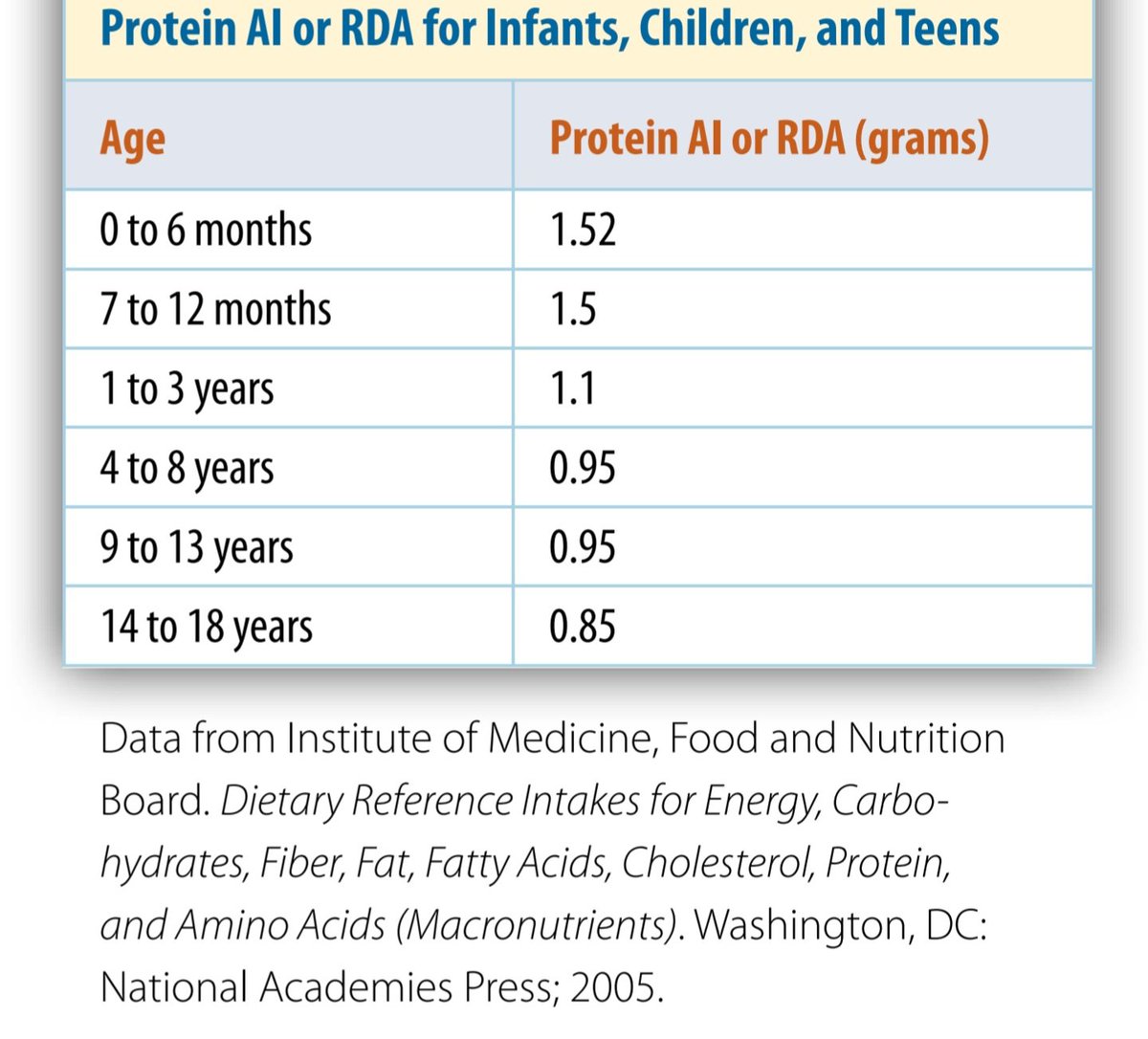
How much Protein should you take?
One year old baby - 1.5g/kg
Adults - 0.8 g/kg
Pregnant women - 1.1g/kg
Lactating mothers - 1.1g/kg
50 years & above - 1 - 1.6 g/kg
Muscle building - 1.6-2.2 g/kg
One year old baby - 1.5g/kg
Adults - 0.8 g/kg
Pregnant women - 1.1g/kg
Lactating mothers - 1.1g/kg
50 years & above - 1 - 1.6 g/kg
Muscle building - 1.6-2.2 g/kg
"I don't want to build muscle, why should I take protein?"
Muscle building is only just one function of protein
There are various roles proteins play in your body
For example- Haemoglobin in your blood which carries oxygen to every tissue of your body is a protein
Muscle building is only just one function of protein
There are various roles proteins play in your body
For example- Haemoglobin in your blood which carries oxygen to every tissue of your body is a protein
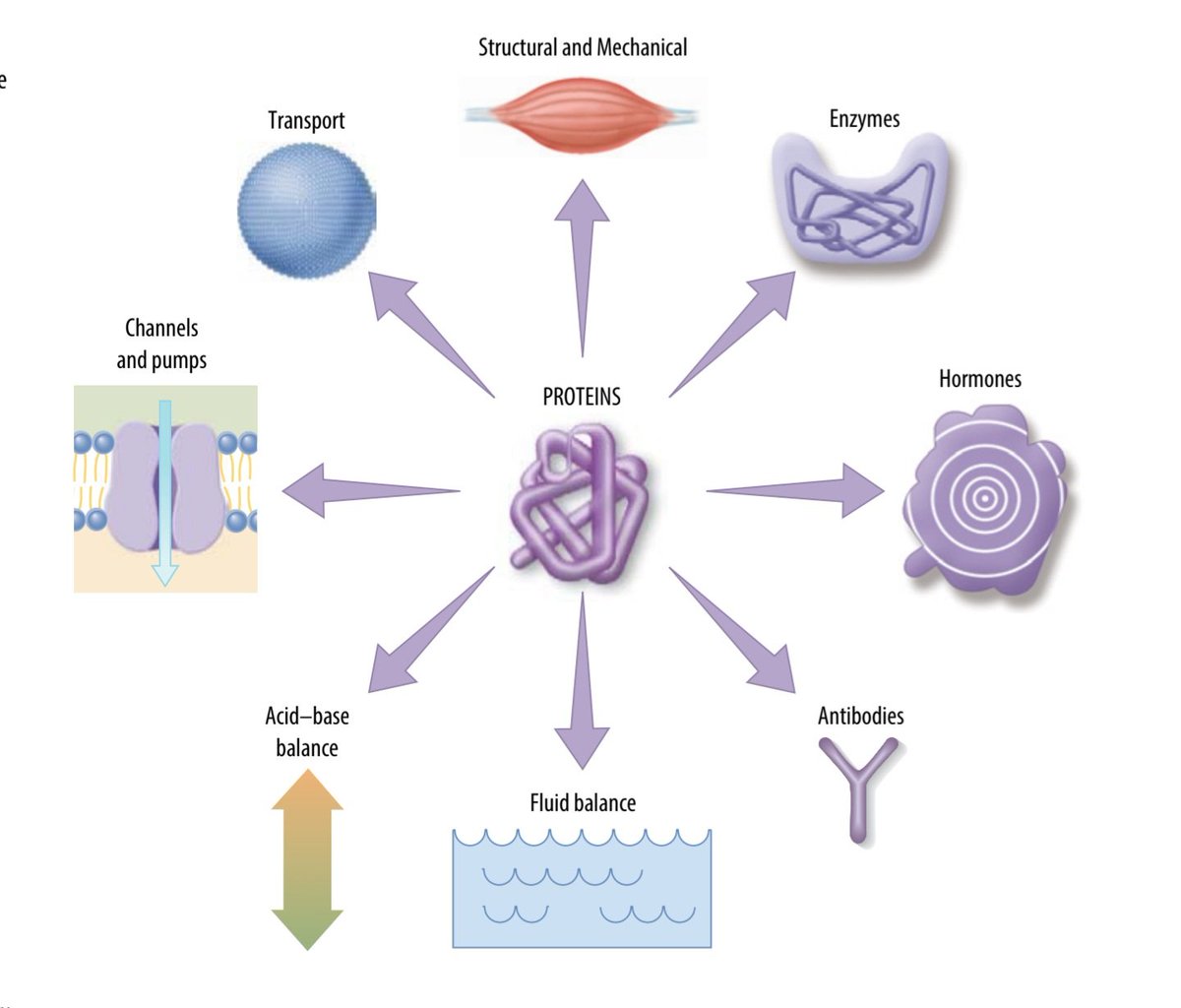
Leptin hormone which controls your food intake and body weight is a protein
Thyroid Stimulating Hormone(TSH) is a protein
Your body cannot transport fats if proteins are absent (lipoproteins)
Antibodies that your body make to fight diseases are proteins
Thyroid Stimulating Hormone(TSH) is a protein
Your body cannot transport fats if proteins are absent (lipoproteins)
Antibodies that your body make to fight diseases are proteins
Muscle building is only just one function of proteins
In fact 50% of protein breakdown and synthesis happens in your intestine and liver
So, take your protein for overall health even if you dont want to get jacked
In fact 50% of protein breakdown and synthesis happens in your intestine and liver
So, take your protein for overall health even if you dont want to get jacked
"I am 50 years, should I take less protein?"
Loss of muscle, strength and function with aging aka sarcopenia is a common in elders
Muscles in elders is more resistant to protein and exercise
So elders need more protein than young people to stimulate MPS and to maintain muscle
Loss of muscle, strength and function with aging aka sarcopenia is a common in elders
Muscles in elders is more resistant to protein and exercise
So elders need more protein than young people to stimulate MPS and to maintain muscle
So if you are 50 and above
1. Take 1-1.6 g/kg of protein
2. Resistance training 3-5 days a week
3. Hit Leucine threshold of 2.5-3.5 gm on every meal
You may not want to build muscle, but you must at least retain muscle as you grow older
1. Take 1-1.6 g/kg of protein
2. Resistance training 3-5 days a week
3. Hit Leucine threshold of 2.5-3.5 gm on every meal
You may not want to build muscle, but you must at least retain muscle as you grow older
"Will I damage my kidneys if I take more protein?"
This is a myth that refuses to die
Super high Protein intake of 2.5-3.3 g/kg for one year has not shown to have any harmful effects
Moreover your kidneys adapt to high protein intake with time
pubmed.ncbi.nlm.nih.gov
This is a myth that refuses to die
Super high Protein intake of 2.5-3.3 g/kg for one year has not shown to have any harmful effects
Moreover your kidneys adapt to high protein intake with time
pubmed.ncbi.nlm.nih.gov

Alright, there is still a lot to write about
Protein
But I reached the 25 tweets limit
Key Takeaways:
Take 1.6 g/kg of protein/day
Take it in 4 meals
Hit 2.5g Leucine threshold every meal
If you like this thread, follow me and retweet the below thread
Protein
But I reached the 25 tweets limit
Key Takeaways:
Take 1.6 g/kg of protein/day
Take it in 4 meals
Hit 2.5g Leucine threshold every meal
If you like this thread, follow me and retweet the below thread
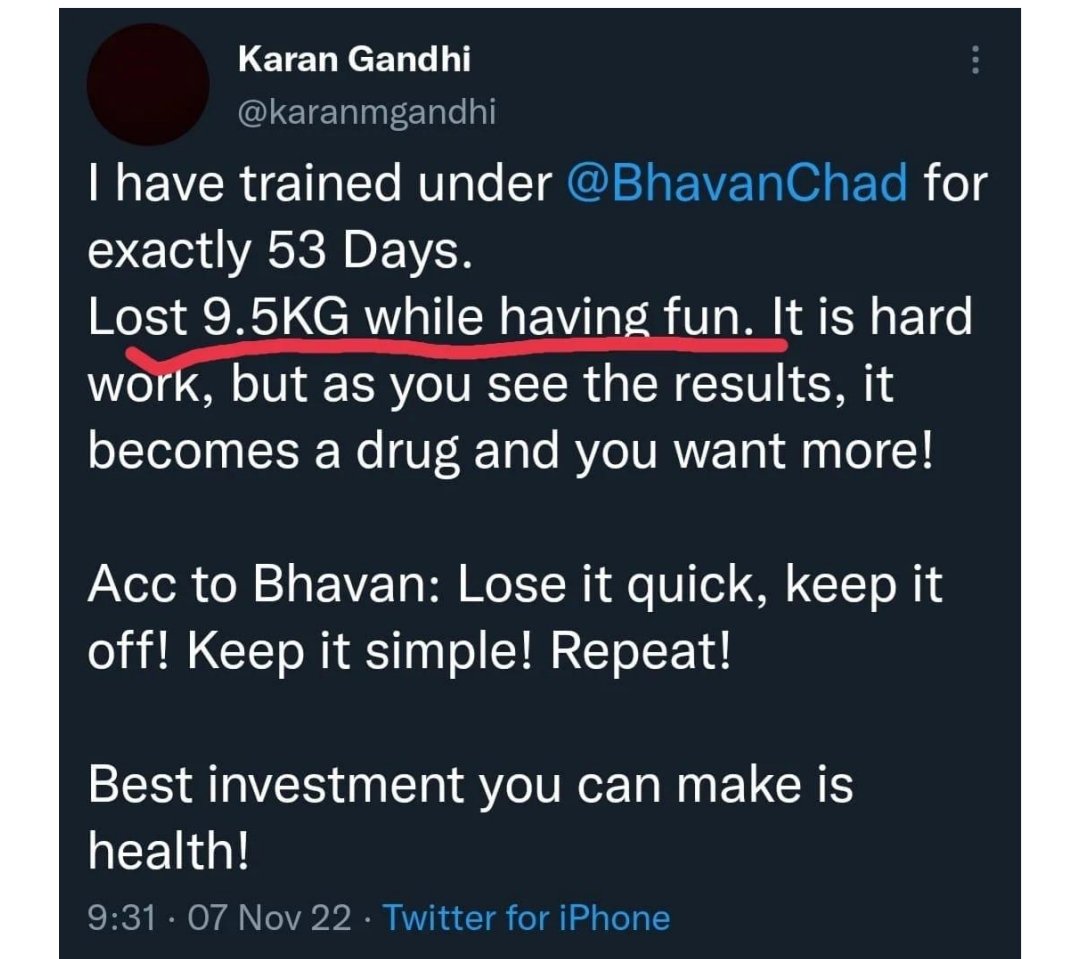
If you want a professional help to incorporate all these principles in your diet and exercise to build muscle and lose fat
Message me for my personal coaching
The commitment I need from you:
- 3hr/week home or gym workouts
- Eat nourishing meals
Message me "FIT"
Not Free
Message me for my personal coaching
The commitment I need from you:
- 3hr/week home or gym workouts
- Eat nourishing meals
Message me "FIT"
Not Free
Loading suggestions...