Here are 3 evidence-based protocols to utilize exercise to improve episodic memory🧵
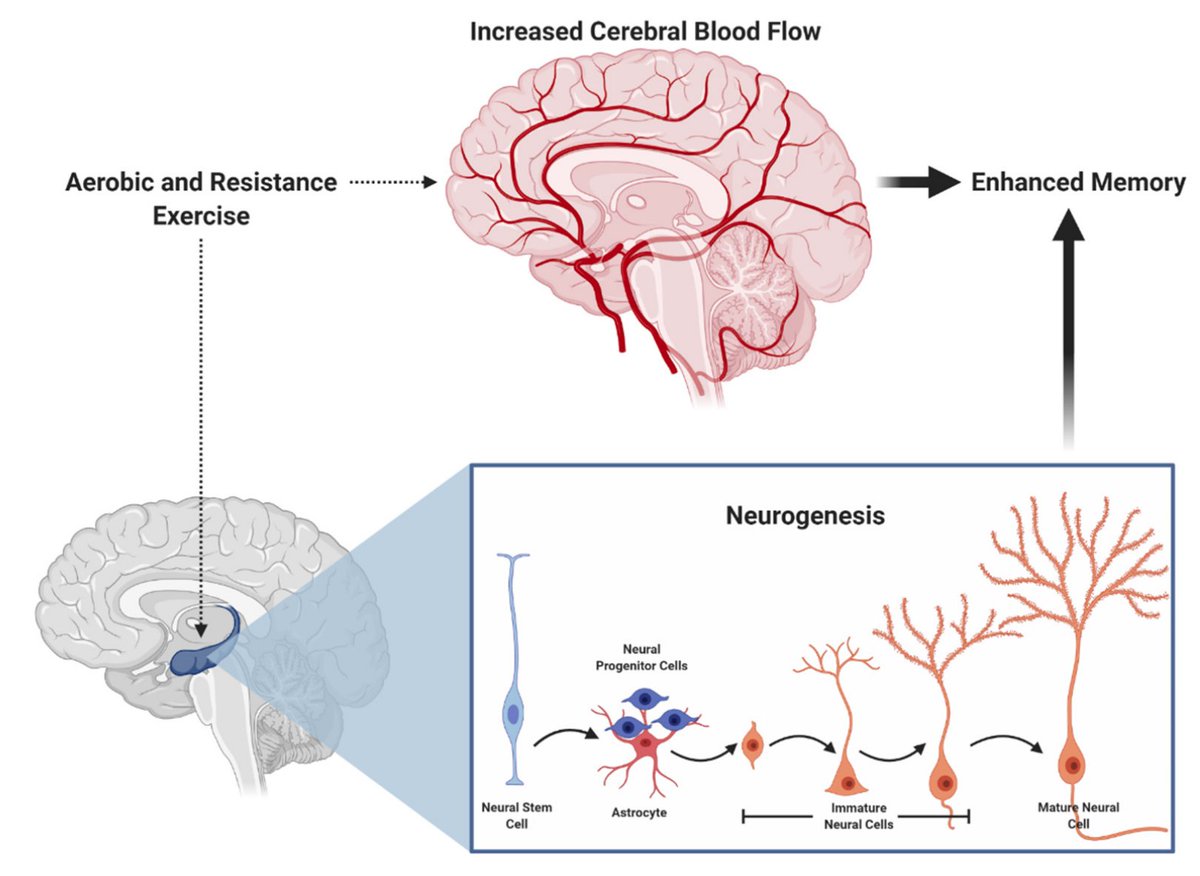

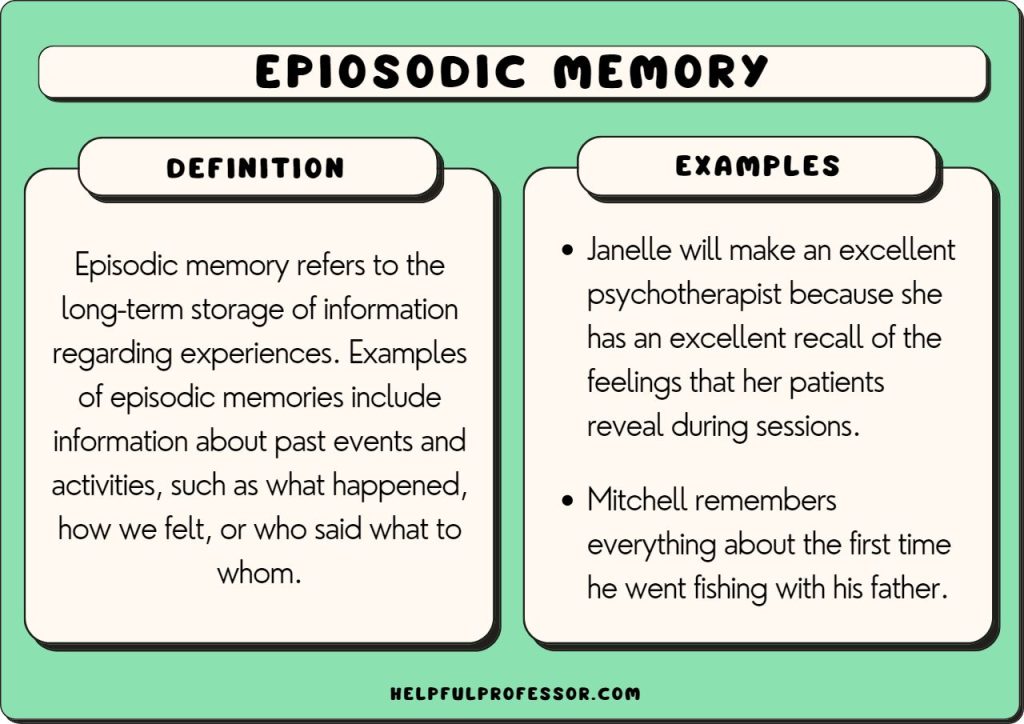
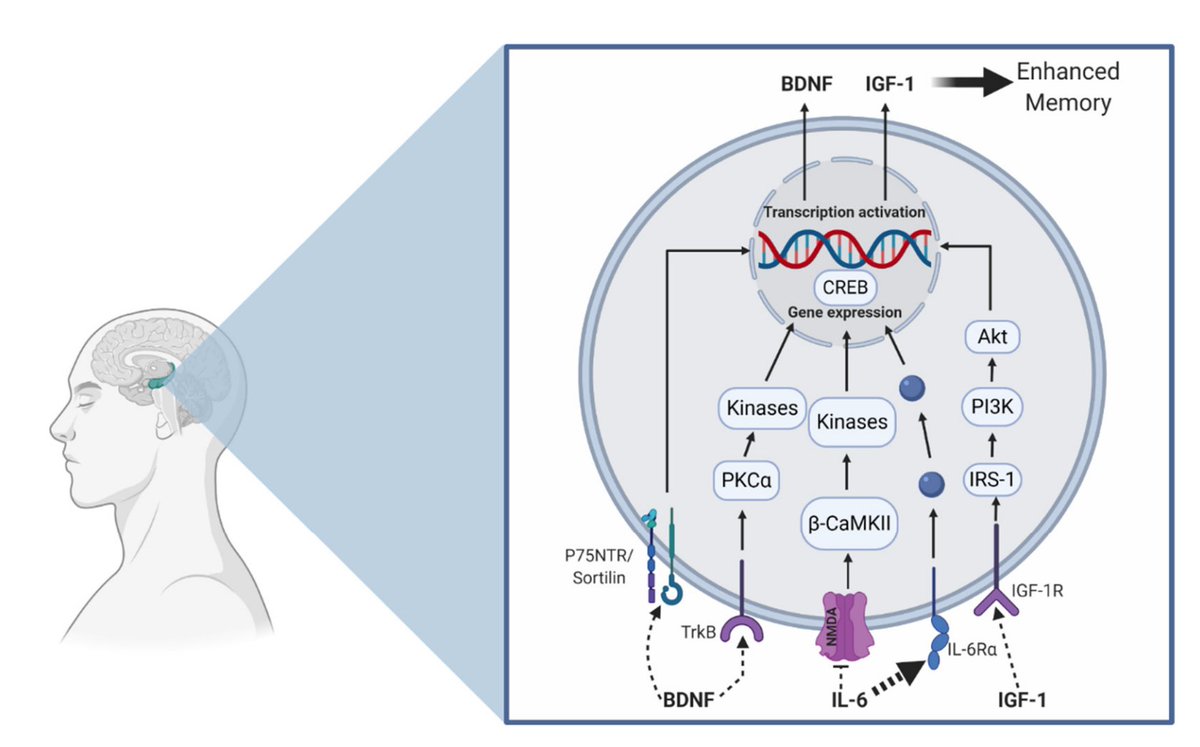
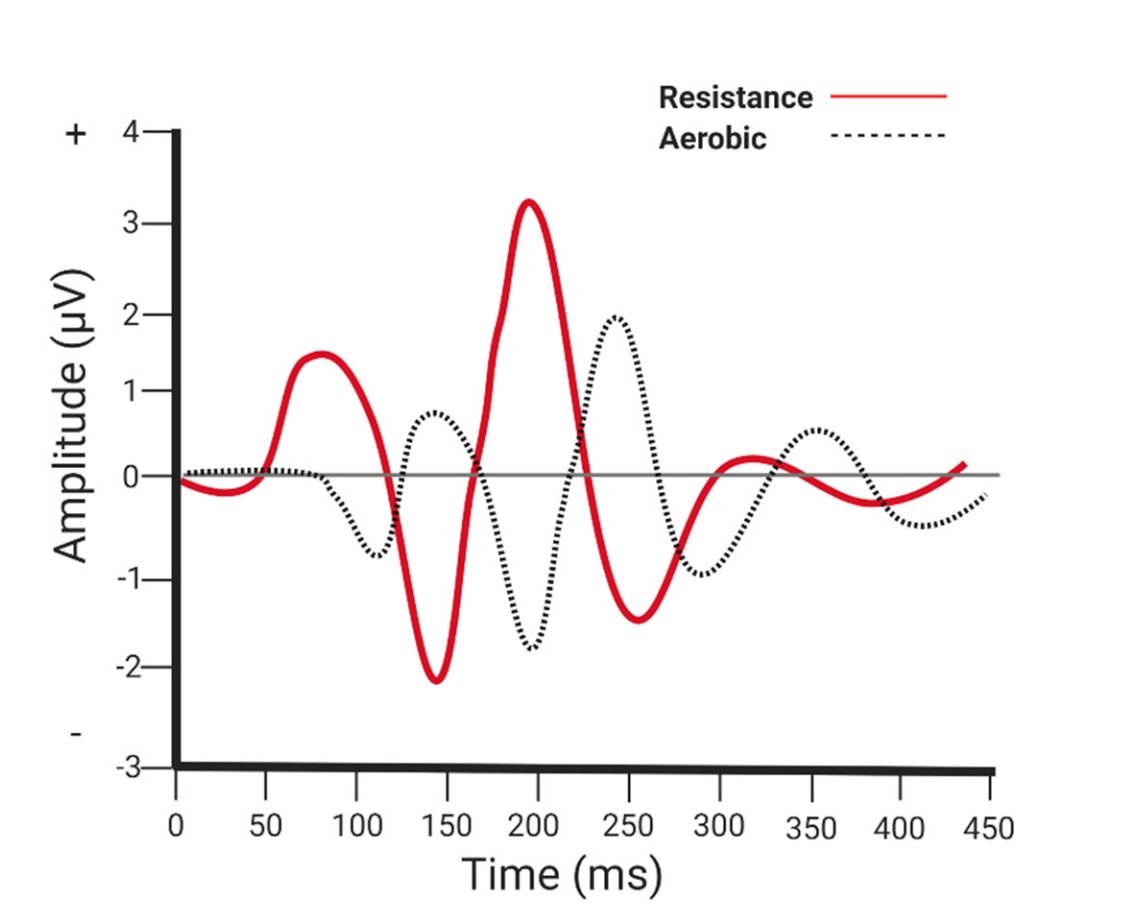
Although many studies describe how certain types or protocols of exercise can enhance memory, a key consideration is that different exercises (and learning new exercises) may activate neuroplasticity in distinct brain regions /5

1) Continue learning new types of exercise and sports throughout life to benefit your memory and brain health /6
1) Both resistance and aerobic activity over the long term has been shown to improve memory
2) Perform both resistance and aerobic exercises to benefit memory and also various other mental and physical parameters /8
Exercise can be leveraged to acutely improve cognitive performance. For detailed protocols on this, check out my previous thread below /9
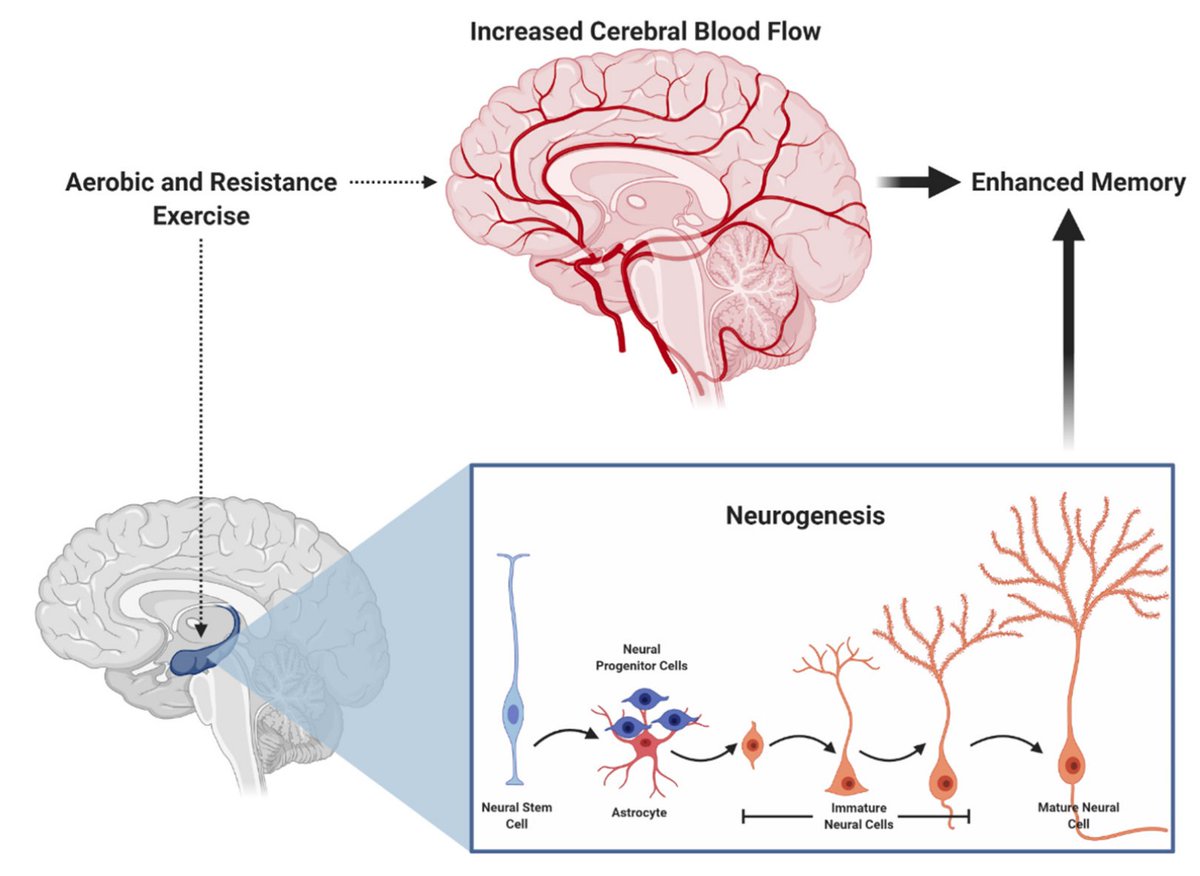
One hypothetical model is that both aerobic and resistance exercise increase cerebral blood flow acutely, and chronically increase capillarization and induce neurogenesis — though more research is needed to understand these and related mechanisms /10
More from this author
High altitude climbing may cause irreversible brain damage 🧵1/11 https://t.co/jV9CvhzHvC
As Resident Doctors, we work 26h shifts with no sleep. Coffee wasn’t enough to keep me sharp, so I dove into the literature for other solutions. Her...
Magnesium-L-Threonate (1g/day) vs. Placebo for Sleep Difficulties: 🛌 Improved deep & REM sleep ⚡ Increased energy & daytime productivity 🧠 Bet...
⏳ Your chronotype—night owl or morning lark—determines when you perform at your best. Here's how to align tasks with your body’s clock helps you work...
Recent Threads
I’ve recently seen a lot of people criticizing smaller indie projects for releasing merchandise or doing kickstarter funding to fund their projects. T...

I compiled all the specific references I noticed in May's moveset! #イニブ #g_bd #g_bdr #GBDR https://t.co/PvNHzH6yj6

taekook taguan ng anak au wherein jk received a surprising gift from their xmas party… [ christmas special 🎄] https://t.co/WY3C450KpV

@HitWithAHeart I hear him before I see him. The weight of his steps on the stairs. Slower than usual. Measured. Like he’s already bracing for whatev...

(1/7) I'm not going to do a full trailer breakdown for Zach Cregger's Resident Evil film, since we have an early form of the script you can place a lo...

Nikola Jokic is 0-6 against 50+ win teams in the playoffs. https://t.co/l5hCeVCoUj

Popular Threads
1. There are more people added on the list of arrests and executions of famous people but no further intel is available at this time. ARRESTS and EXE...

A thread: Pakistani newspaper Dawn's front pages from 4th december 1971 to 20 December to see how they kept their own people in the dark. This was on...

The ICT Mentorship Core Content Month 1 Summarized: https://t.co/6tXJxPMDhm

Top-40 Footballers with Most Goal Contributions (Goals + Assists) in history. [ A MEGA THREAD ] https://t.co/gAb3QcqdYQ

Ware County, Ga has broken the Dominion algorithm: Using sequestered Dominion Equipment, Ware County ran a equal number of Trump votes and Biden vote...

Please retweet and share if you support my and others' vaccine injury recoveries. https://t.co/y8xNWwRUOO