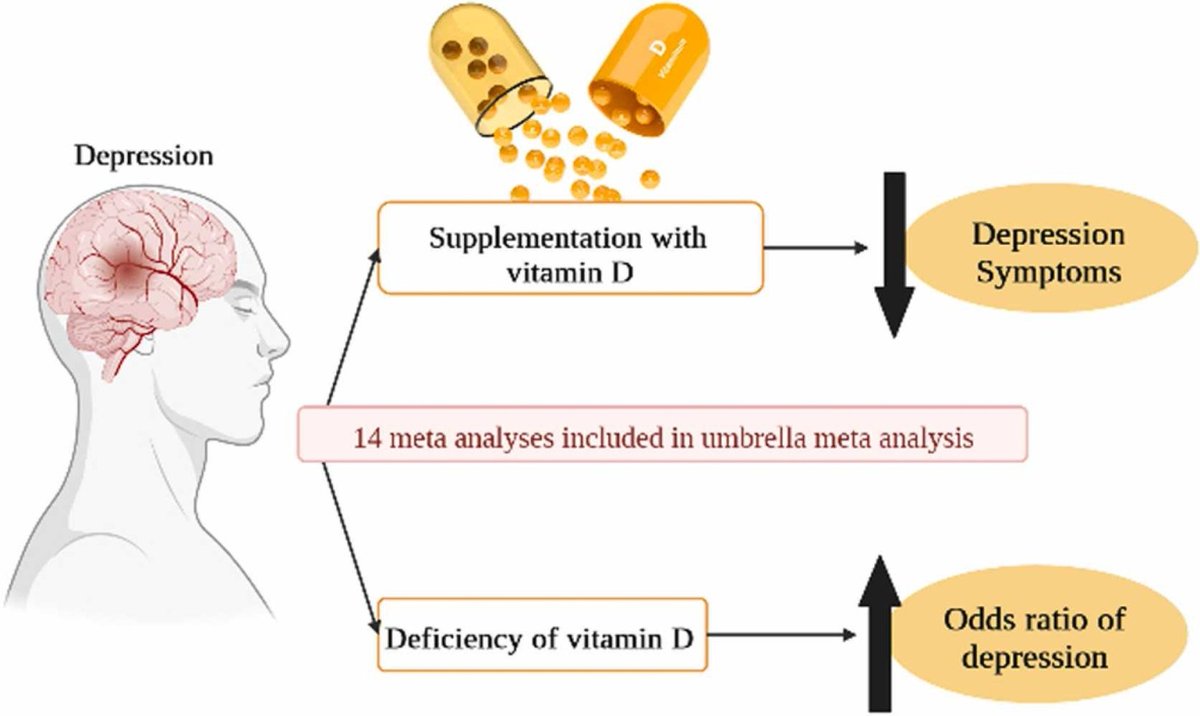
Deficiency is linked to a 60% higher odds of depression (2x if under 50).
But the right supplementation regimen can significantly improve symptoms—here’s what the research says 🧵1/10
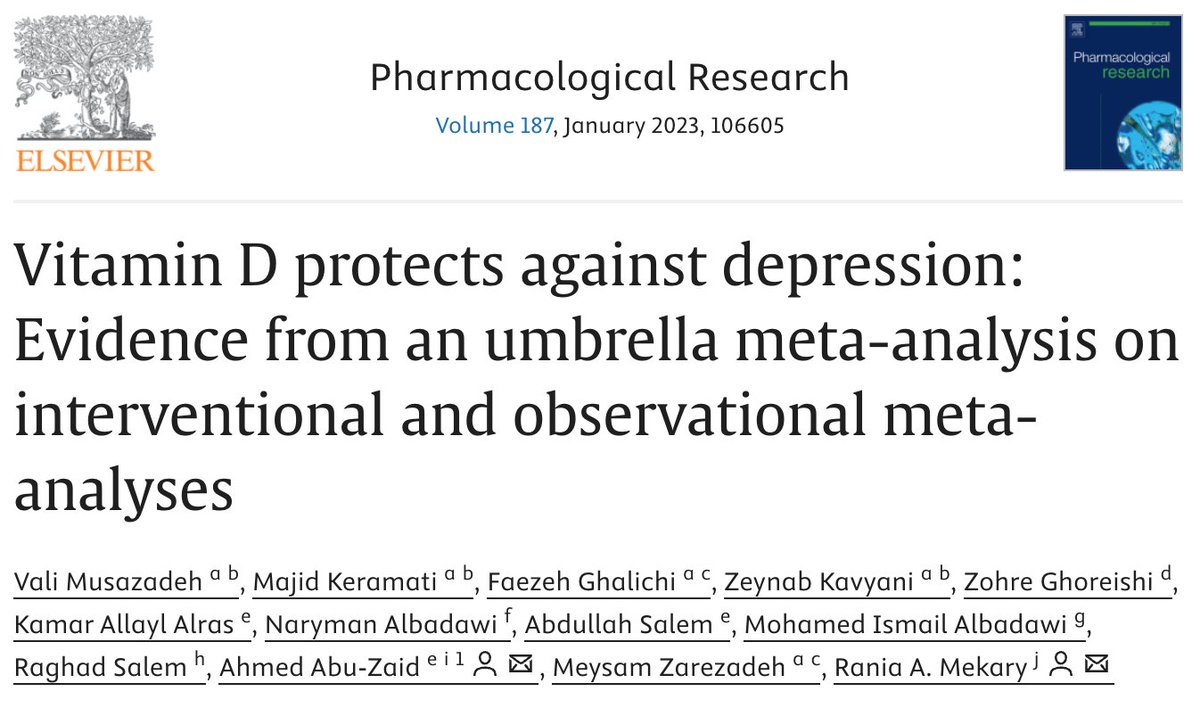
The results show strong evidence that vitamin D protects against depression /2
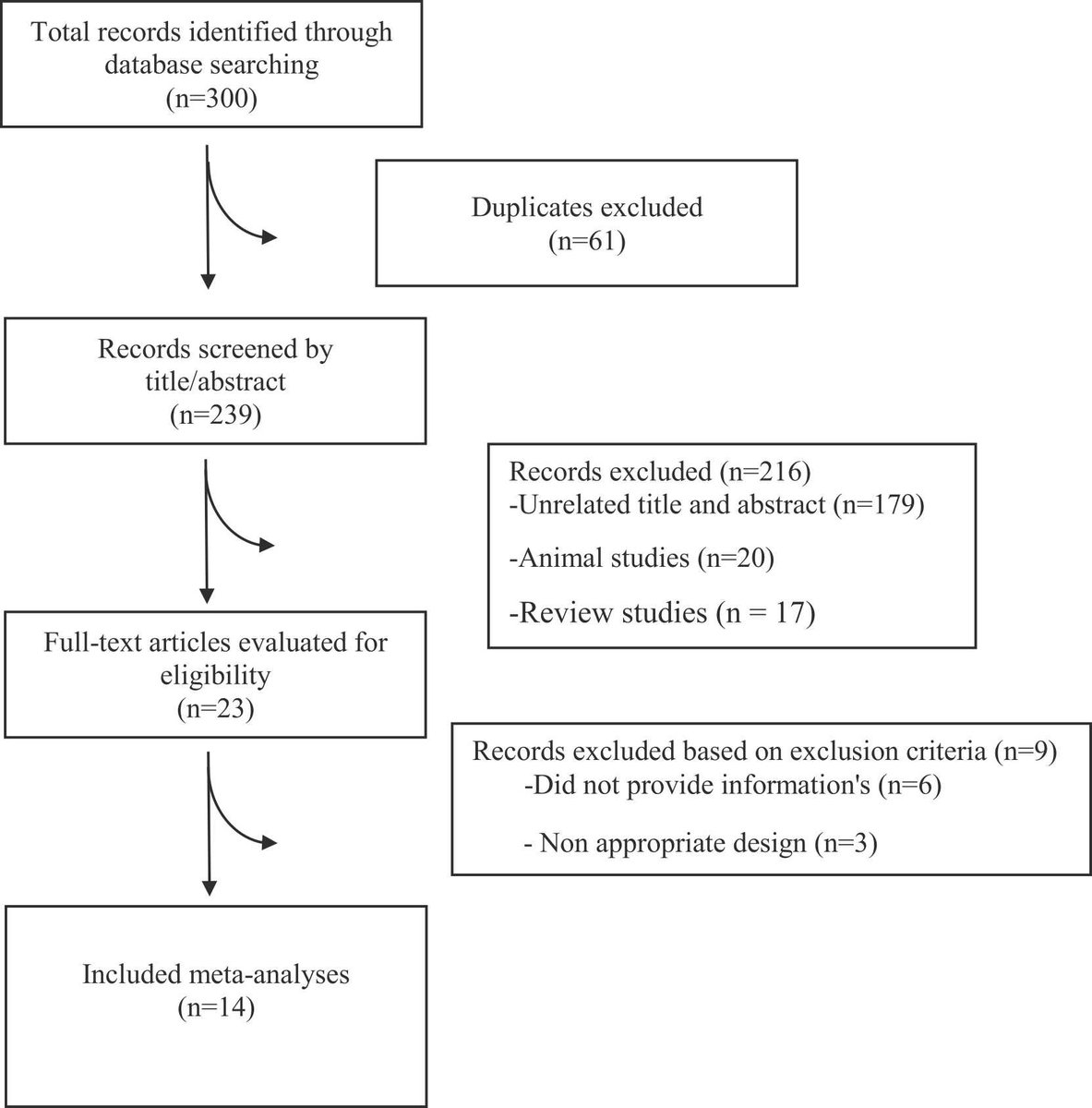
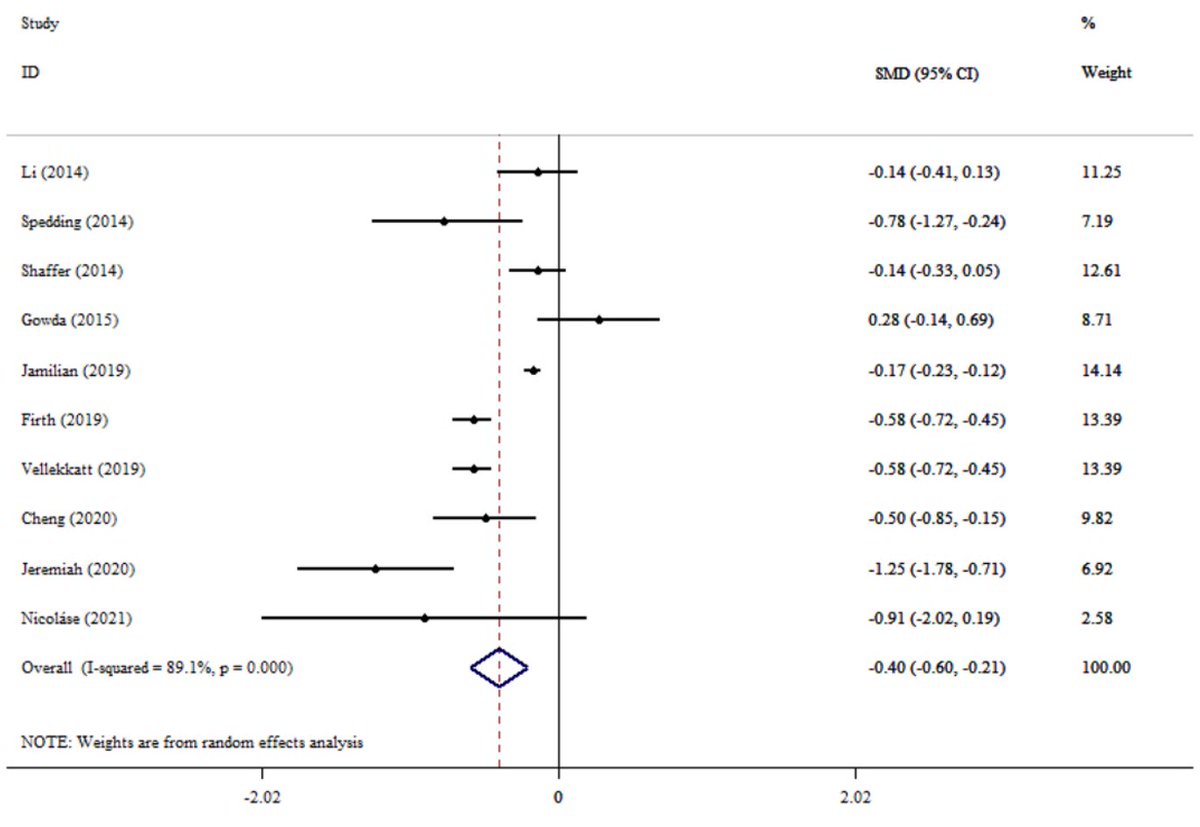
Does vitamin D supplementation reduce depression symptoms?
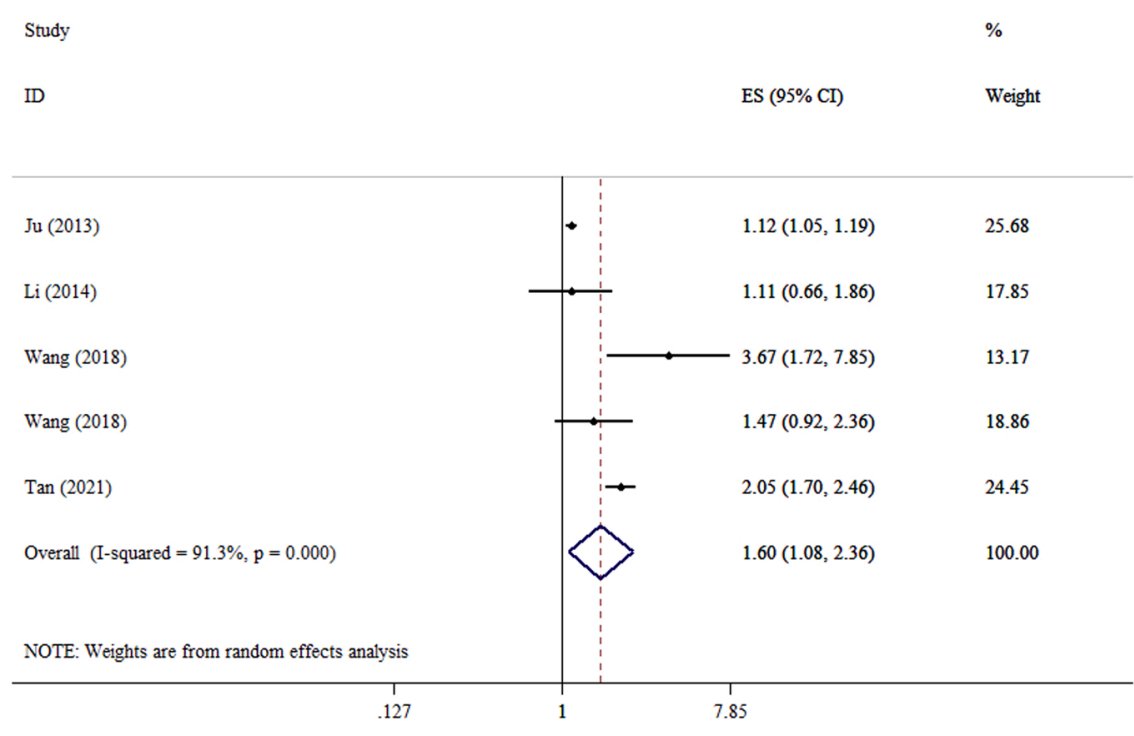
Do higher vitamin D levels lower depression risk? /3
Depression scores dropped significantly in those taking vitamin D.
Stronger effects were seen with 4000–5000 IU/day and shorter durations (≤20 weeks).
Some variability existed due to differences in study designs and dosing. /4
Cohort studies found:
People with low vitamin D levels had 1.6x higher odds of developing depression.
The link was strongest in adults under 50 years old at OR 2.02 (1.71, 2.39) /5
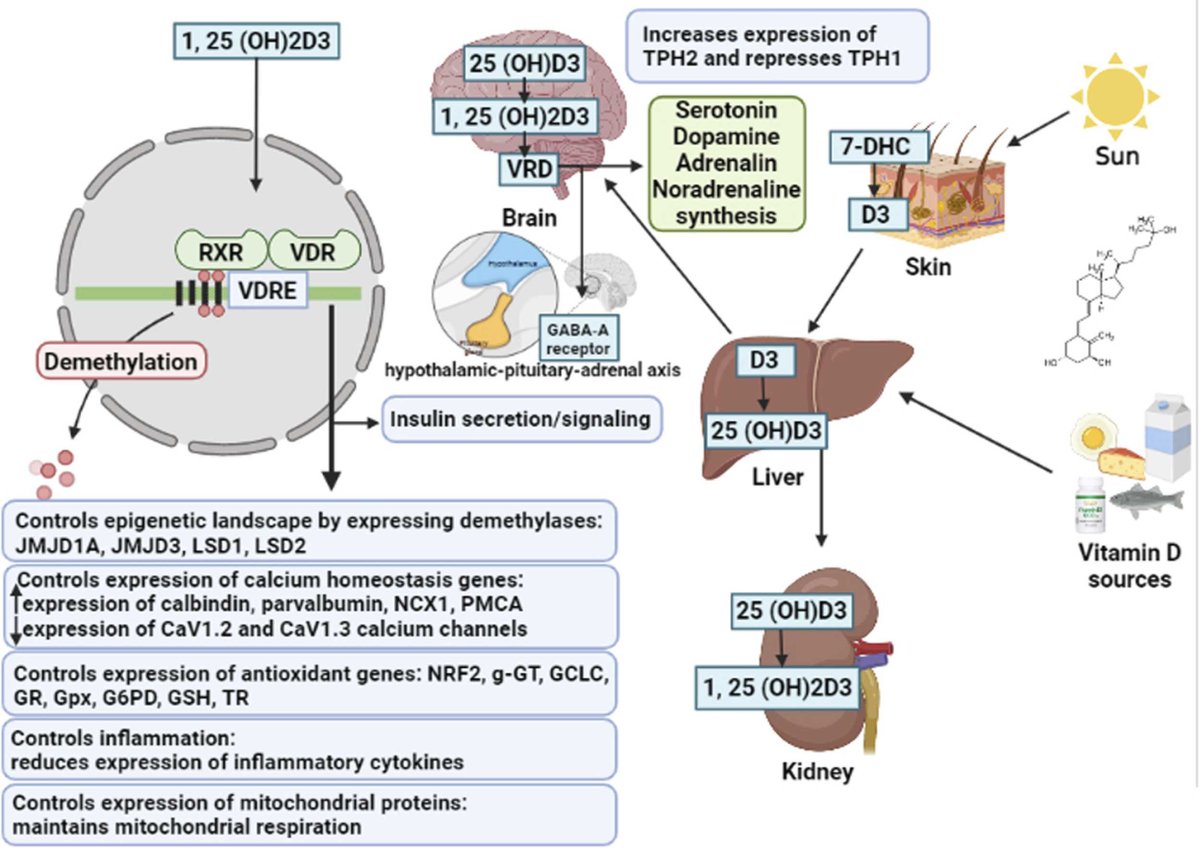
Regulating serotonin
Reducing neuroinflammation
Controlling the expression of mitochondrial proteins that preserve normal mitochondrial respiration /6
The most effective strategy based on subgroup analysis:
>5000 IU/day of vitamin D.
Short-term use (≤20 weeks) had stronger effects than longer durations /7
Baseline vitamin D levels weren’t always measured, so benefits may be stronger in deficient individuals.
Cross-sectional studies had mixed results, possibly due to reverse causality (depressed individuals may get less sun) /8
#fig0030" target="_blank" rel="noopener" onclick="event.stopPropagation()">sciencedirect.com
More from this author
High altitude climbing may cause irreversible brain damage 🧵1/11 https://t.co/jV9CvhzHvC
As Resident Doctors, we work 26h shifts with no sleep. Coffee wasn’t enough to keep me sharp, so I dove into the literature for other solutions. Her...
Magnesium-L-Threonate (1g/day) vs. Placebo for Sleep Difficulties: 🛌 Improved deep & REM sleep ⚡ Increased energy & daytime productivity 🧠 Bet...
⏳ Your chronotype—night owl or morning lark—determines when you perform at your best. Here's how to align tasks with your body’s clock helps you work...
Recent Threads
I’ve recently seen a lot of people criticizing smaller indie projects for releasing merchandise or doing kickstarter funding to fund their projects. T...

I compiled all the specific references I noticed in May's moveset! #イニブ #g_bd #g_bdr #GBDR https://t.co/PvNHzH6yj6

taekook taguan ng anak au wherein jk received a surprising gift from their xmas party… [ christmas special 🎄] https://t.co/WY3C450KpV

@HitWithAHeart I hear him before I see him. The weight of his steps on the stairs. Slower than usual. Measured. Like he’s already bracing for whatev...

(1/7) I'm not going to do a full trailer breakdown for Zach Cregger's Resident Evil film, since we have an early form of the script you can place a lo...

Nikola Jokic is 0-6 against 50+ win teams in the playoffs. https://t.co/l5hCeVCoUj

Popular Threads
DON'T ARGUE WITH DONKEYS (Fable) The donkey said to the tiger: - "The grass is blue". The tiger replied: - "No, the grass is green." The discussion...

1. There are more people added on the list of arrests and executions of famous people but no further intel is available at this time. ARRESTS and EXE...

Here's 40 TikTok hooks that could make you go viral. (Not in any particular order) //THREAD//

Please retweet and share if you support my and others' vaccine injury recoveries. https://t.co/y8xNWwRUOO

A thread: Pakistani newspaper Dawn's front pages from 4th december 1971 to 20 December to see how they kept their own people in the dark. This was on...

These are the 41 most powerful tenants of Tateism for a man to live by. Wether you are Christian, Muslim; It doesn’t matter if you are strong, weak...