

HOW THE SOIL QUALITY HAS IMPACTED OUR HEALTH
(Thread)
(Thread)
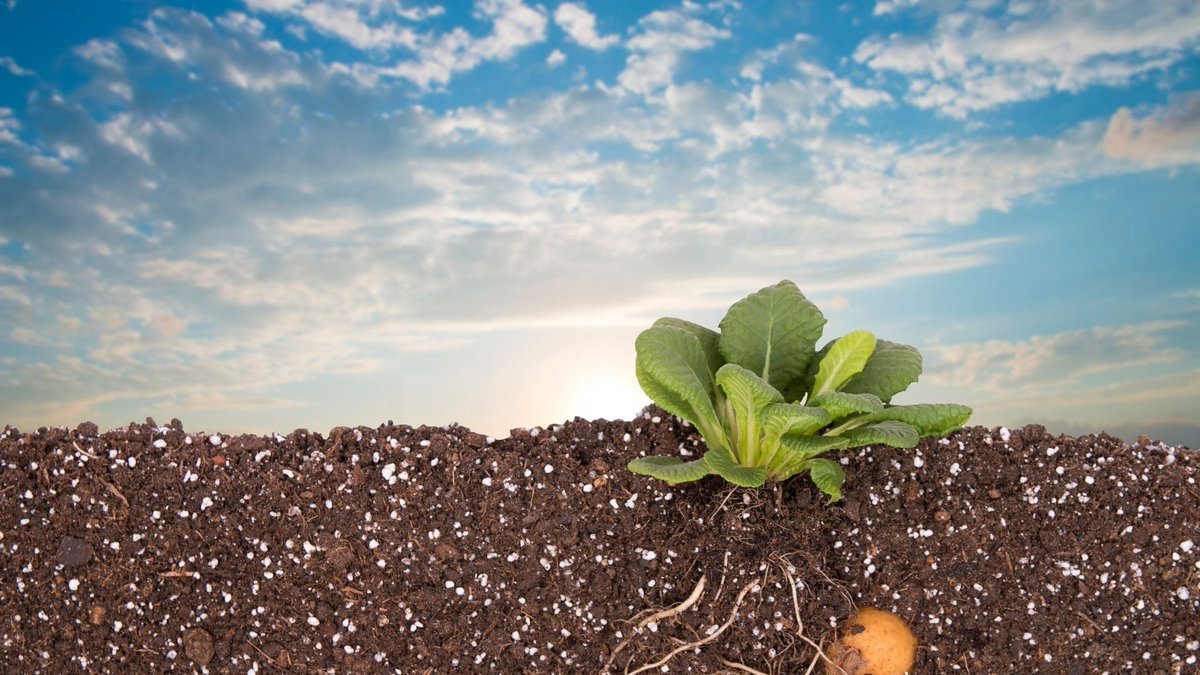
Almost all of the food we eat is dependent on the soil. The plants we eat grow in soil, and the animals we eat, eat the plants. It makes the world go 'round, yet modern/industrial agriculture has diminished the quality of our soil.
Lets take a look at how it actually impacts us.
Lets take a look at how it actually impacts us.
To grow properly, plants need nitrogen, phosphorus and sulfur. They are required for protein synthesis, photosynthesis, enzyme production and more.
Unfortunately, studies have shown stores of these nutrients have gone down by 42, 27 and 33 percent respectively.
Unfortunately, studies have shown stores of these nutrients have gone down by 42, 27 and 33 percent respectively.
Because of this, the nutrition of crops have been negatively affected. Some studies have shown that Vitamin C, Vitamin B2, iron, calcium and more were significantly lower than they were in 1950, some up to 38% lower.
Studies have also shown minerals like magnesium, zinc, copper and more have decreased up to 25%. At the same time, toxic minerals like aluminum and lead have increased.
Some of the biggest culprits for destroying our soil quality are synthetic fertilizers, herbicides, pesticides, fungicides, and monoculture agriculture.
Synthetic fertilizers destroy nutrient levels in the soil, while also making their way to contaminate groundwater, rivers, and eventually the ocean.
Pesticides that are meant to kill bugs and other pests destroy the nutrient levels in soil as well. They also have a negative impact on honeybee populations.
Not only that, but they contribute to all types of issues for us humans, including neurological issues and even cancer.
Not only that, but they contribute to all types of issues for us humans, including neurological issues and even cancer.
In this thread, I look at the impacts of glyphosate, one of the most common herbicides. 👇🏼👇🏼
Industrial farms that grow only one crop (monoculture) are also contributing to soil depletion. By growing only one crop the soil contains less and less carbon.
Now, I understand that to feed the large population on this planet, some of these practices are necessary.
However, if we continue at this rate, our future food security is in jeopardy. Some United Nations estimates have even said some farming regions only have up to 60 years left of harvests.
One of the best ways to combat the soil erosion is grass fed ruminants. When grazing, these ruminants actually put carbon back into the soil by supporting good root systems. Their manure can also be used instead of synthetic fertilizers.
Trying to avoid monoculture agriculture can also be very beneficial to the soil quality. Having diverse plant species growing increases soil fertility and decreases soil nutrient depletion.
There are many reasons why the modern human is unhealthy and nutrient deficient, and this is one of them. The food we eat today is simply not as nutritious as it once was, and it is also contaminated with more toxic chemicals than ever.
This is also a reason why supplementing certain vitamins and minerals may be necessary here in 2022. The focus should always be on eating whole, nutritious foods, but it is not always possible to get the proper amounts of nutrients with the nutrients in food dwindling.
The best thing you can do today is to support your small, local farms. Not only will the food have more nutrients and less contaminants, but they will be actively improving soil quality and the environment.
Supporting regenerative agriculture can also help save the soil and our planet. This enriches the soil, increases biodiversity, and improves ecosystems.
Healthy soil retains water, recycles nutrients and stores carbon, which makes our food more nutritious.
Healthy soil retains water, recycles nutrients and stores carbon, which makes our food more nutritious.
PS,
If you are struggling with your diet and need guidance on which nutrients you are lacking, my personalized meal plans are for you.
Extremely nutritious meals as well as guidance on which supplements you may needed based off YOUR lifestyle.
chriscooks.gumroad.com
If you are struggling with your diet and need guidance on which nutrients you are lacking, my personalized meal plans are for you.
Extremely nutritious meals as well as guidance on which supplements you may needed based off YOUR lifestyle.
chriscooks.gumroad.com
Loading suggestions...