

The 10-Minute Exercise Hack Scientifically Proven To Produce 50%-300% More Strength & Muscle In Just 5% Of The Time
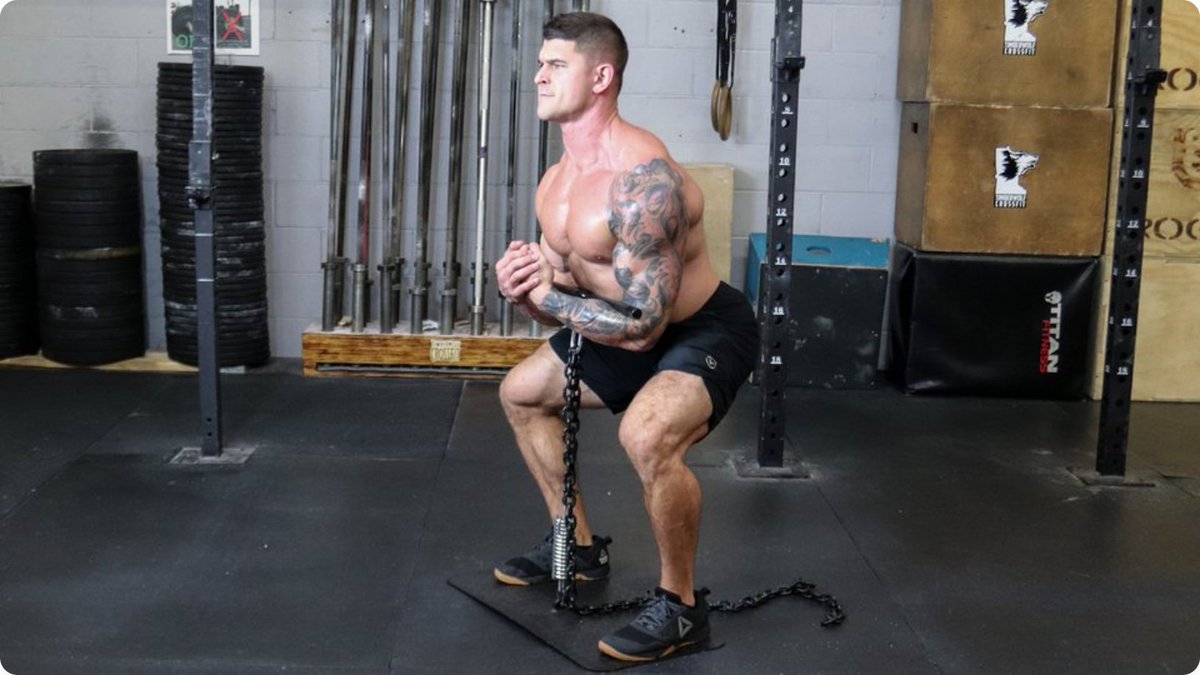
Isometric exercise is muscle engagement without movement.
This allows you to recruit more muscle during training and can build muscle just as effectively as other muscle-building exercises *if* you do them at a high intensity and hit the same muscle from different angles.
This allows you to recruit more muscle during training and can build muscle just as effectively as other muscle-building exercises *if* you do them at a high intensity and hit the same muscle from different angles.
Isometrics also present fewer injury risks since the joint never moves once you’ve engaged it.
(pubmed.ncbi.nlm.nih.gov)
(pubmed.ncbi.nlm.nih.gov)
Wall sits or planks are good examples of isometric exercises, but you can turn almost any position into an isometric hold. Just...
apply tension against an immovable object and trick your mind into thinking it’s moveable.
As you increase time under tension, especially peak tension, mitochondrial and sarcoplasmic protein synthesis are elevated by as much as by 114% and 77%, respectively.(pubmed.ncbi.nlm.nih.gov).
That means more efficient conversion of energy into ATP, so more energy is available to your muscles.
Sarcoplasmic gains are great for seeing a metabolic response to training, maintaining blood flow, and allowing you to look buff in a swimsuit. But...
Sarcoplasmic gains are great for seeing a metabolic response to training, maintaining blood flow, and allowing you to look buff in a swimsuit. But...
...they don't always result in more strength. Thus why you sometimes see bodybuilders being out-lifted by guys half their size.
Isometric exercises not only help you maximise time under tension, but done properly, an isometric contraction activates up to 95% of the fibres in a muscle.
(trainheroic.com)
(trainheroic.com)
If you want to gain muscle mass, your goal is to induce myofibrillar hypertrophy (muscle fibre growth).
More time under tension leads to more tearing of muscle fibres, which leads to more growth as your body repairs those small tears.
More time under tension leads to more tearing of muscle fibres, which leads to more growth as your body repairs those small tears.
Lifting heavy loads is important, but you can supplement with isometric training. So...
...after your usual isotonic lifts, you can maximise time under tension by incorporating isometric exercises such as negative pull-ups or lowering the bar as slowly as possible after a bench press or deadlift.
Basically, you're forcing your muscles to fail, which is where myofibrils begin to tear.
So where to start?
These 8 exercises can be done with no equipment.
Just 5-10 minutes a day can make a difference to begin:
These 8 exercises can be done with no equipment.
Just 5-10 minutes a day can make a difference to begin:
Wall sit
1 -Stand about 2 feet away from a sturdy wall, leaning your back against it.
2 - Bend your knees and lower your bottom down so that your knee joints form a 90-degree angle. Your body position should resemble the same posture you have when sitting in a chair.
1 -Stand about 2 feet away from a sturdy wall, leaning your back against it.
2 - Bend your knees and lower your bottom down so that your knee joints form a 90-degree angle. Your body position should resemble the same posture you have when sitting in a chair.
3 - Hold this position for 15 seconds or longer. Be sure to keep your hips and shoulders in contact with the wall and keep your knees over your ankles.

Static lunge
1 - Stand in a split-stance position with your feet hip-width apart and one foot in front of the other. Your back heel will be off of the ground.
2 - Lower yourself toward the ground by bending your knees to a 90-degree angle.
1 - Stand in a split-stance position with your feet hip-width apart and one foot in front of the other. Your back heel will be off of the ground.
2 - Lower yourself toward the ground by bending your knees to a 90-degree angle.
3 - Remember to keep your trunk upright and core engaged.
4 - KNEE OFF THE FLOOR
4 - KNEE OFF THE FLOOR

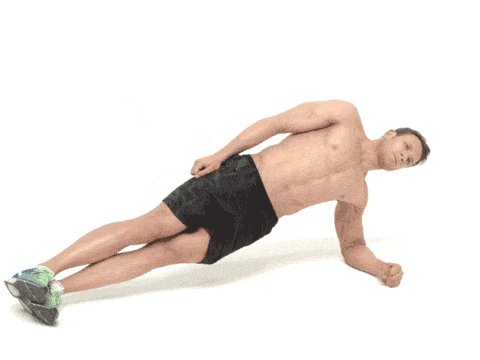
Side plank
1- Lie on your right side, legs extended and stacked from hip to feet. The elbow of your arm is directly under your shoulder. Ensure your head is directly in line with your spine.
2 - Engage your abdominal muscles, drawing your navel toward your spine.
1- Lie on your right side, legs extended and stacked from hip to feet. The elbow of your arm is directly under your shoulder. Ensure your head is directly in line with your spine.
2 - Engage your abdominal muscles, drawing your navel toward your spine.
3 - Lift your hips and knees from the mat while exhaling. Your torso is straight in line with no sagging or bending. Hold the position.
High plank
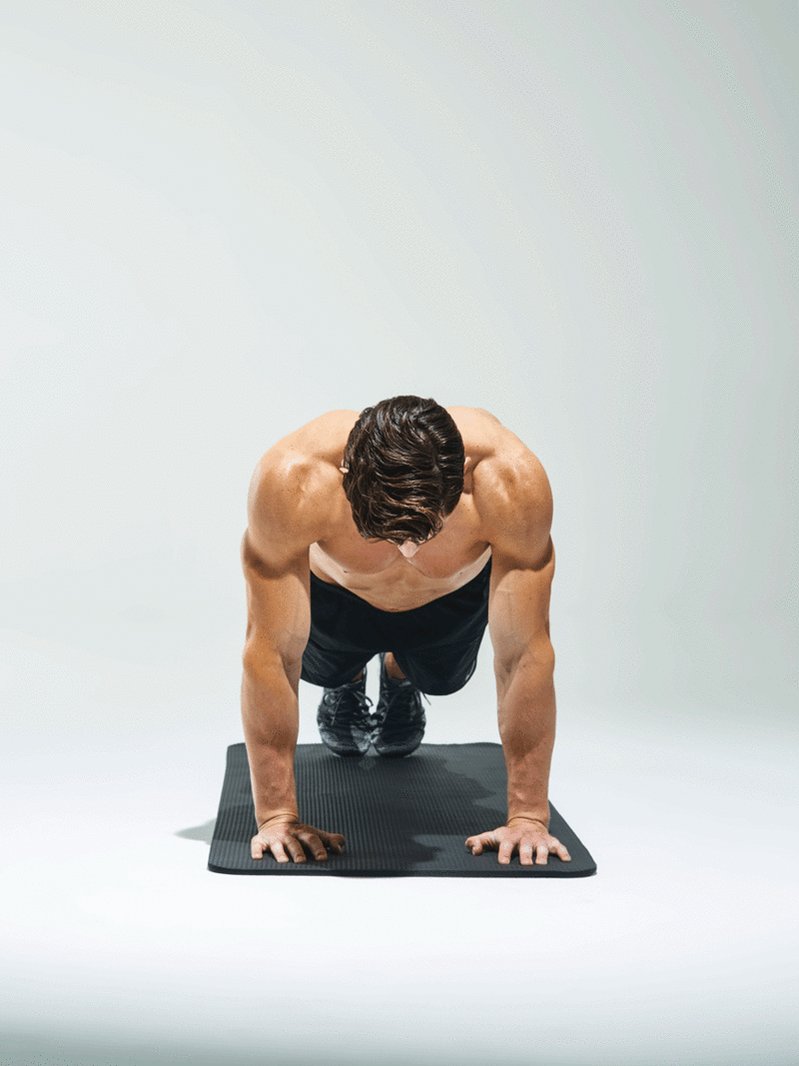
1 -Start on all fours with your hands directly under your shoulders and your knees slightly behind your hips.
2 - Push your hands into the floor and raise one knee at a time off the floor. Your body should look as if you’re in the upward position of a pushup.
1 -Start on all fours with your hands directly under your shoulders and your knees slightly behind your hips.
2 - Push your hands into the floor and raise one knee at a time off the floor. Your body should look as if you’re in the upward position of a pushup.
3 - Ensure that your hands and shoulders are aligned, legs are strong, feet are hip-width apart, and core is engaged.
Reverse plank
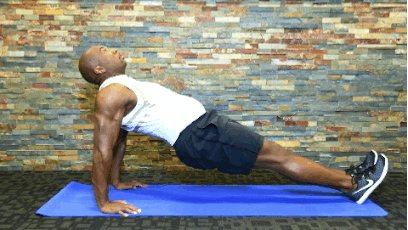
1 - Sit tall on the floor with your legs extended in front of you. Place your hands behind you on the floor, with your fingertips pointed toward your feet.
2 - Engage your glutes, core, and arms to lift your hips, forming a straight line from heels to shoulders.
1 - Sit tall on the floor with your legs extended in front of you. Place your hands behind you on the floor, with your fingertips pointed toward your feet.
2 - Engage your glutes, core, and arms to lift your hips, forming a straight line from heels to shoulders.
3 - Ensure that your shoulders are drawn down, away from your ears. Avoid dipping your hips by slightly tucking your pelvis.
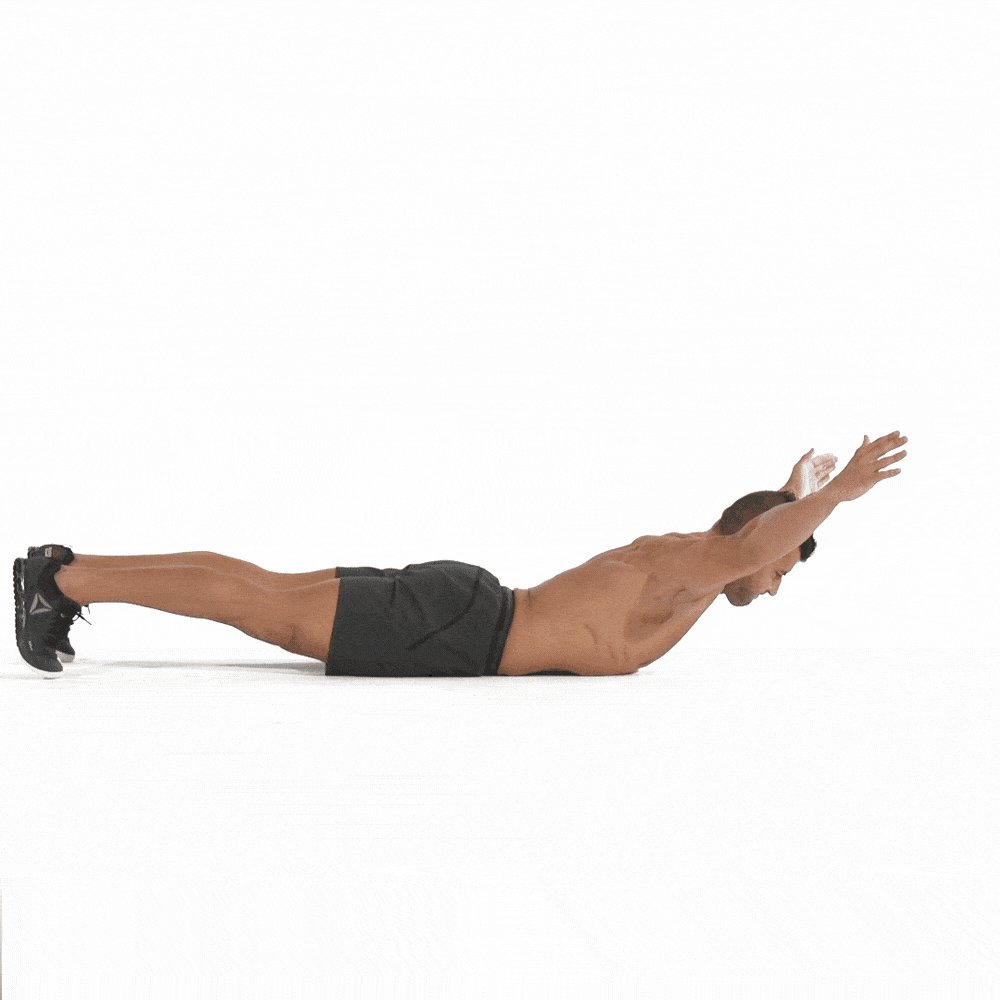
Superman hold
1 - Lie on the floor facedown, legs straight and your extended in front of you.
2 - Keeping your head in a neutral position (avoid looking up), slowly lift your arms and legs around 6 inches off the floor, or until you feel your lower back muscles contracting.
1 - Lie on the floor facedown, legs straight and your extended in front of you.
2 - Keeping your head in a neutral position (avoid looking up), slowly lift your arms and legs around 6 inches off the floor, or until you feel your lower back muscles contracting.
3 - Engage your glutes, your core, and the muscles between your shoulder blades simultaneously.
Aim to lift your belly button slightly off the floor to contract your abs.
Aim to lift your belly button slightly off the floor to contract your abs.
Glute bridge
1 - Start flat on your back with your legs bent at a 90-degree angle and feet placed flat on the ground.
2 - Make sure your toes are pointed straight forward and your thighs are parallel to each other.
1 - Start flat on your back with your legs bent at a 90-degree angle and feet placed flat on the ground.
2 - Make sure your toes are pointed straight forward and your thighs are parallel to each other.
3 - Drive down through your feet and push your hips up. Make sure you keep your knees over your toes throughout the entire movement.

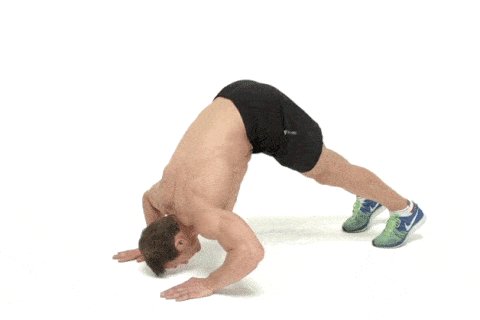
Pike push hold
1 - Start in plank position, with hands firmly on the floor, right under your shoulders. Press toes firmly into the floor too.
2 - Keep core tight and back flat and engage your glutes and hamstrings. Your whole body should be neutral and in a straight line.
1 - Start in plank position, with hands firmly on the floor, right under your shoulders. Press toes firmly into the floor too.
2 - Keep core tight and back flat and engage your glutes and hamstrings. Your whole body should be neutral and in a straight line.
3 - Lift hips up and back until your body forms an inverted V shape. Keep arms and legs as straight as possible.
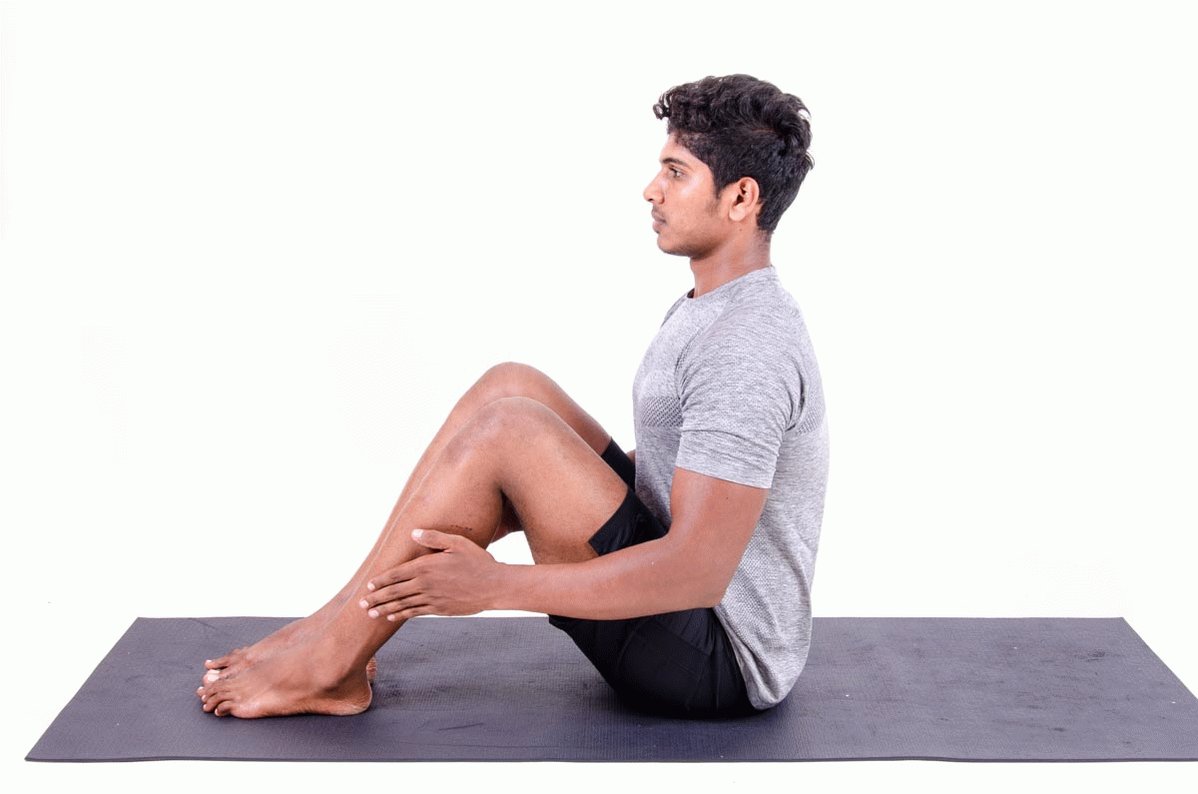
V-sit
1 - Lie flat on your back with your legs out straight and your arms extended overhead.
2 - Simultaneously raise your feet and arms toward the ceiling.
3 - Keep your chest and legs extended at an angle.
4 - Bring your arms parallel to the floor.
1 - Lie flat on your back with your legs out straight and your arms extended overhead.
2 - Simultaneously raise your feet and arms toward the ceiling.
3 - Keep your chest and legs extended at an angle.
4 - Bring your arms parallel to the floor.
That's it!
If you found this valuable please:
1) RT the first tweet
2) Sign up for my email list for more health advice & insights. kpakpos-newsletter.beehiiv.com
If you found this valuable please:
1) RT the first tweet
2) Sign up for my email list for more health advice & insights. kpakpos-newsletter.beehiiv.com
Loading suggestions...