

@BenFrancis1992 has built a worldwide fitness empire
The goal here isn't just profitability at scale
The goal is going head to head against some of the largest clothing brands in the world
Win
Scale
Repeat
Let's break that goal down for the US
The current North American President (@h_spear), VP of brand marketing (@Sennai), and head of digital marketing (@david_vaira)
have done an amazing job so far
so how do we capitalize on this?
glad you asked
we will maximize their 2 greatest strengths
1. strong organic presence
(did they hire @SEOKeval?)
2. social influencers
Brand Awareness isn't an issue here
We need to position ourselves against competitors + show why our products are superior
Let's use $100k budget
Before we break down the strategy
we need to get a baseline of our current customers & audiences already interested in our products
Phase #1: Analytics Deep Dive
here is the checklist on doing that:

1. Review Acquisition
> how are we currently getting our top-performing traffic?
> what traffic is better/worse than our baseline?
> review traffic by each channel
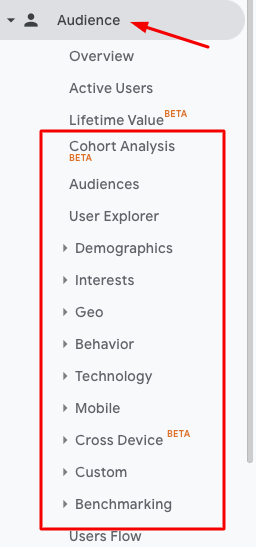
2. Analyze Audiences
> find your top and worst-performing segments
> what sticks out that we can leverage?
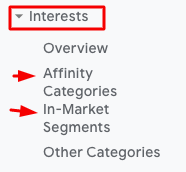
3. Research Interests For Future Targeting
> this data can be leveraged for PPC campaigns to curve the learning period
Now that we understand who we are targeting, we can shape our offer to meet these interests and intent
Phase 2: Product & Data Feed Optimization
Let's use "Gym Joggers" for our example
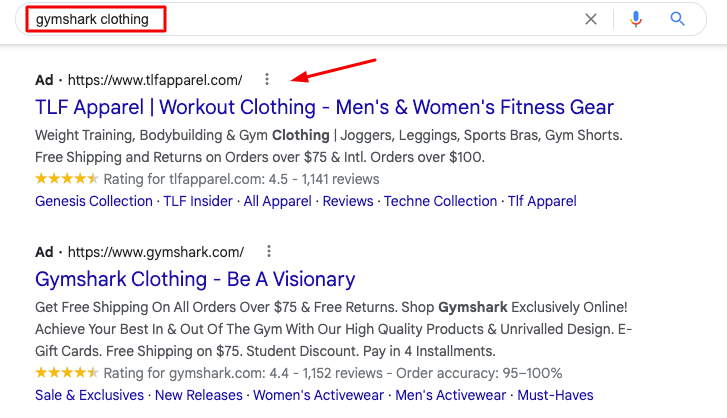
Here is what our customers will see with us and our competitors
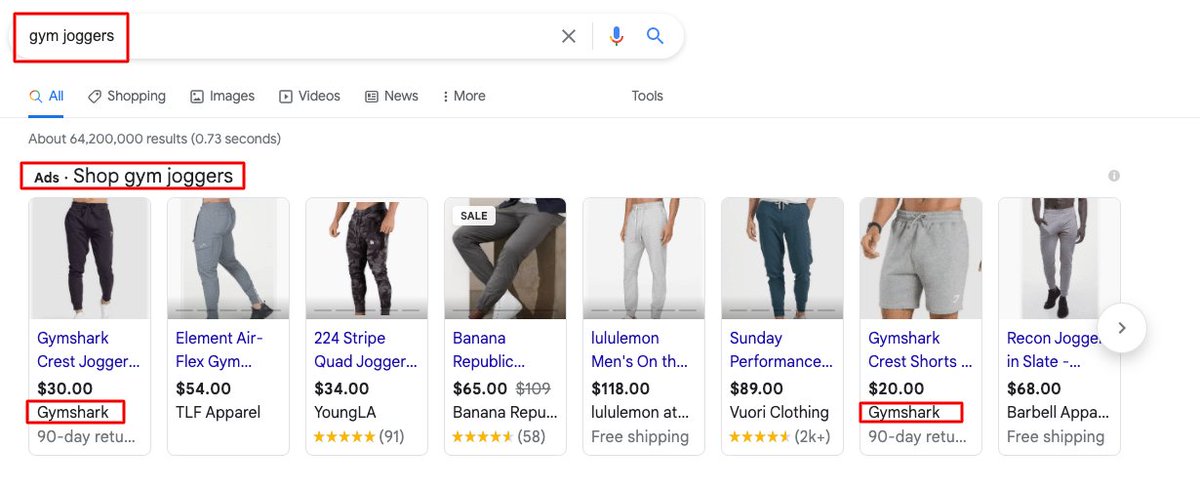
As you can see here competitors are right there when our customer has to make a decision
So how can we maximize our chances of converting?
First --> we focus on the backend for the algo
Second --> best practices for product ads
1. Focus On Relevant Data Feed Attributes
> Brand / Product Type / Color / Size / Gender / etc
> more info Google has = more success
2. Title Structure
> here is an example from @DataFeedWatch
> we don't want to keyword stuff, but give as many relevant details as possible

3. Descriptions
> answer user objections and common fears
> ex: shipping, true sizing (a big one for apparel)
4. Other Best Practices
> use search term report (paid/organic) for high-converting queries
> mirror product info on website
> most important info is 1st
Phase 3: Google Ads Strategies (finally!!)
$100k/mo
we're going to break out campaigns by their unique purpose
Awareness (Top-Funnel)
Commercial Intent (Bottom-Funnel)
Remarketing (The Funnel Floor)
finally
my favorite part
Awareness (Top-Funnel)
1. YouTube: Affinity & Placement Targeting
2. Discovery: Similar To audiences
3. Search: Broad keywords w/ smart bidding
4. Display: Competitor Website Visitors
Let's break down the Display Competitor campaign
the best way to target competitors
Competitor Display Breakdown
who are the main competitors?
> @Nike
> @Younglaco
> @AlphaThreads
let's target their customer base for pennies
1. Create custom intent audiences for each competitor
2. Target each audience separately in sep ad groups
3. Bidding: max conv.

Commercial Intent (Bottom-Funnel)
1. Smart Shopping: All Products
> this is the bread n butter campaign
> allow testing and then scale to $1,000s/day
2. Search: Phrase 2.0 w/ eCPC
> utilize broad campaign for new keywords
> review analytics queries
3. Search: Brand
> crucial for attribution and competitor defense
> use Abso Top IS
> attribution is DD or Last (think about sales cycle)
Remarketing (The Funnel Floor)
> this will be covered inside @wizofecom Utopia!
(sorry @Gymshark, have to be a member to see)
===
That's how I would use $100k in Google Ads profitably and then we can scale to the🌛
===
Interested?
I have 2 eComm spots left for Sep
More from this author
How to Ethically Steal Your Competitor's Customers 3 easy campaigns to hijack market share today: https://t.co/8013t7iOb6
5 Advanced Google Ads Competitor Strategies /Google Ads Thread/
The Ultimate Google Ads Foundational Audit Checklist /Google Ads Thread/
Here is how to scale a shopping campaign $100,000/mo revenue /thread/ https://t.co/MYTXmObRcn
Recent Threads
I’ve recently seen a lot of people criticizing smaller indie projects for releasing merchandise or doing kickstarter funding to fund their projects. T...

I compiled all the specific references I noticed in May's moveset! #イニブ #g_bd #g_bdr #GBDR https://t.co/PvNHzH6yj6

taekook taguan ng anak au wherein jk received a surprising gift from their xmas party… [ christmas special 🎄] https://t.co/WY3C450KpV

@HitWithAHeart I hear him before I see him. The weight of his steps on the stairs. Slower than usual. Measured. Like he’s already bracing for whatev...

(1/7) I'm not going to do a full trailer breakdown for Zach Cregger's Resident Evil film, since we have an early form of the script you can place a lo...

Nikola Jokic is 0-6 against 50+ win teams in the playoffs. https://t.co/l5hCeVCoUj

Popular Threads
The ICT Mentorship Core Content Month 1 Summarized: https://t.co/6tXJxPMDhm

1. There are more people added on the list of arrests and executions of famous people but no further intel is available at this time. ARRESTS and EXE...

Winning the Chevening Scholarship + 12 Strong Samples of the Chevening Essay There are four important Essays on the Chevening Scholarship application...

Top-40 Footballers with Most Goal Contributions (Goals + Assists) in history. [ A MEGA THREAD ] https://t.co/gAb3QcqdYQ

Ware County, Ga has broken the Dominion algorithm: Using sequestered Dominion Equipment, Ware County ran a equal number of Trump votes and Biden vote...

Here's 40 TikTok hooks that could make you go viral. (Not in any particular order) //THREAD//
